
A history of America’s 4th of July celebration
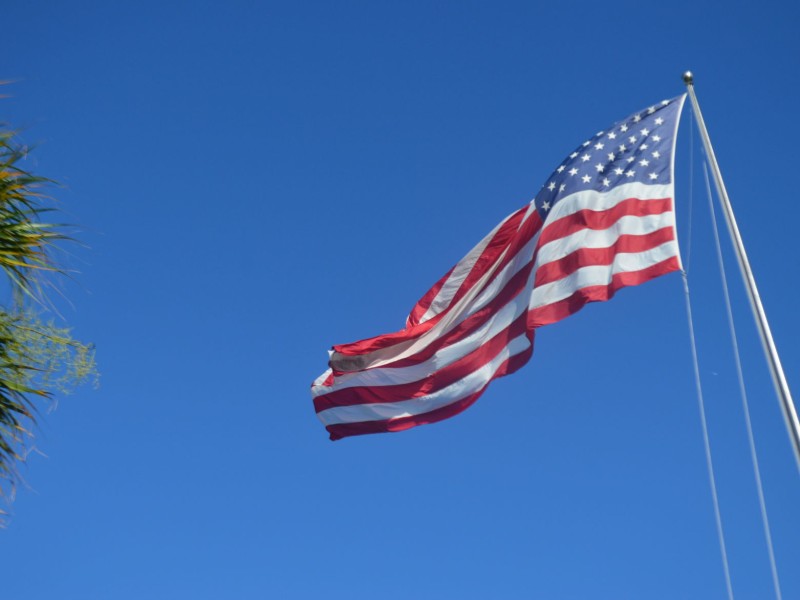
File Photo
By Tom Seegmueller
[email protected]
Editor’s Note: First in a three-part series.
ALBANY — The birth of the United States of America was not instantaneous, and many times the possibility of the 13 colonies actually achieving independence from the British Crown hung by a thread.
The implementation of the Stamp Act in 1765 was the catalyst for a real movement aimed at independence, which gained popularity as other “intolerable acts” were placed upon the colonists through 1774. When British troops fired on colonial militia at Lexington and Concord in April of 1775, there was no turning back.
Initially, many of the colonists supporting Congress in 1775-1776 considered themselves to be part of a justified rebellion against their rightful king. They hoped that he would install a new system of governance with more lenient policies toward the colonies. The thought of government without a king for them was incomprehensible.
Once a formal declaration of independence was made, any chance of satisfactory negotiation and possible remedy with the crown would be impossible. The only recourse would be a war ending in total victory or defeat. At this point most considered the latter to be the obvious outcome of such an action.
If the colonies were to have any hope of receiving the necessary foreign aid to oppose the mightiest military presence of the day, they had to declare themselves independent.
“That the United Colonies are, and of a right ought to be, free and independent states, that they are absolved from all allegiance to the British Crown, and that all political connection between them and the state of Great Britain is, and ought to be, totally dissolved,” Richard “Light Horse” Henry Lee wrote.
Time was of the essence, but no consensus could be reached and on June 10 Congress postponed any consideration of the matter until July 1. However, a faction supporting independence did manage to obtain the formation of a committee to draft a declaration of independence.
Three weeks of heated debate led to the vote to declare independence requiring that a document be drafted for presentation to the king. A committee of five men was appointed to write it. No one kept notes of any of the congressional debates, so it is somewhat cloudy as to how Thomas Jefferson became the author of the document.
Almost half a century latter John Adams would recount Jefferson’s reticence in being charged with this duty until he told him he must be the author of the document. “Reason first — you are a Virginian, and a Virginian ought to appear to be at the head of this business,” Adams wrote. “Reason second — I am obnoxious, suspected, and unpopular. You are very much otherwise. Reason third – You can write 10 times better than I can.”
Historians have noted that had Benjamin Franklin been tasked with writing the document, it would have been peppered with jokes and sarcasm. If Adams had been the author, it would have contentious and boring. The document was more than an announcement to the crown of the colonies’ intentions. It was also essential in persuading other nations, particularly France, to come to the aid of the American cause.
Following the formal vote for independence on July 2, Congress took another two days to make any final changes to Jefferson’s draft. Fortunately, their editorial efforts were light-handed, and only two significant changes were made.
The first deleted a statement criticizing the people of England in hopes of maintaining the goodwill of the general public there, as many were friends, family, and business partners. The second was the deletion of Jefferson’s attack on the slave trade as it was immediately realized that this would jeopardize the support of many states.
Final debate on Jefferson’s declaration ended on July 4, 1776. Copies were made and dispatched to the various colonial delegations, assemblies, committees of safety, and the Continental Army. These early copies went out over the signatures of John Hancock, president, and Charles Thompson, secretary of Congress. It would be several months before all the delegates placed their signatures on an official copy.
A year later, as the challenge and cost of the struggle for independence was a growing reality, few people saw July 4, 1777 as anything more than another day in a struggle to survive.
Congress agreed to adjourn on the anniversary of the independence declaration and hold a commemorative dinner. Ships lined up in harbors and fired 13-gun salutes, bells rang and bonfires burned in several cities. During the dinner, 13 toasts were made. Celebrations were held in Portsmouth, Boston, Philadelphia and Charleston. The celebration in Charleston ended with a candlelight illumination of the town. However, in most of the country, the day went unrecognized. Most colonists did not even think about a celebration until they read later of the ones that were held elsewhere.
Starting in 1771 ceremonies commemorating the Boston Massacre were held until 1783, when Boston voted to end that commemoration and recognize the celebration of the 4th of July.
On June 24, 1778, Congress appointed a committee to plan a 4th of July celebration, which in many ways might have been out of proportion for a fledgling government with no clear guarantee of being in existence a year from that day.
Members of Congress attended a celebratory dinner at City Tavern, where the traditional 13 toasts were offered. They attended church in unison the following Sunday. The announcement of these planned celebrations led to celebrations throughout the colonies. The Continental Army celebrated the occasion at its encampment at Brunswick Landing, N.J. Troops received a double ration of rum and were ordered by General George Washington to “adorn their hats with green boughs and to make the best appearance possible.”
Troops lined up for parade, and 13 cannons fired with all the assembled troops then firing a three-round volley. The precedent was now set for an annual celebration with pomp, circumstance, and a great deal of noise. Dinners were held and toasts and speeches delivered to cheers.
As the bells rang and guns fired, many of the celebrants knew that at any time, they might be called upon to defend their convictions. Loyalists and those with no political commitment simply stayed inside. At this time, the celebrations were looked upon as political rallies of a revolutionary party more than a national holiday of a sovereign nation.
There was jubilation throughout the colonies when news of the Treaty of Paris reached America, bringing a temporary peace between Britain and a now independent United States.
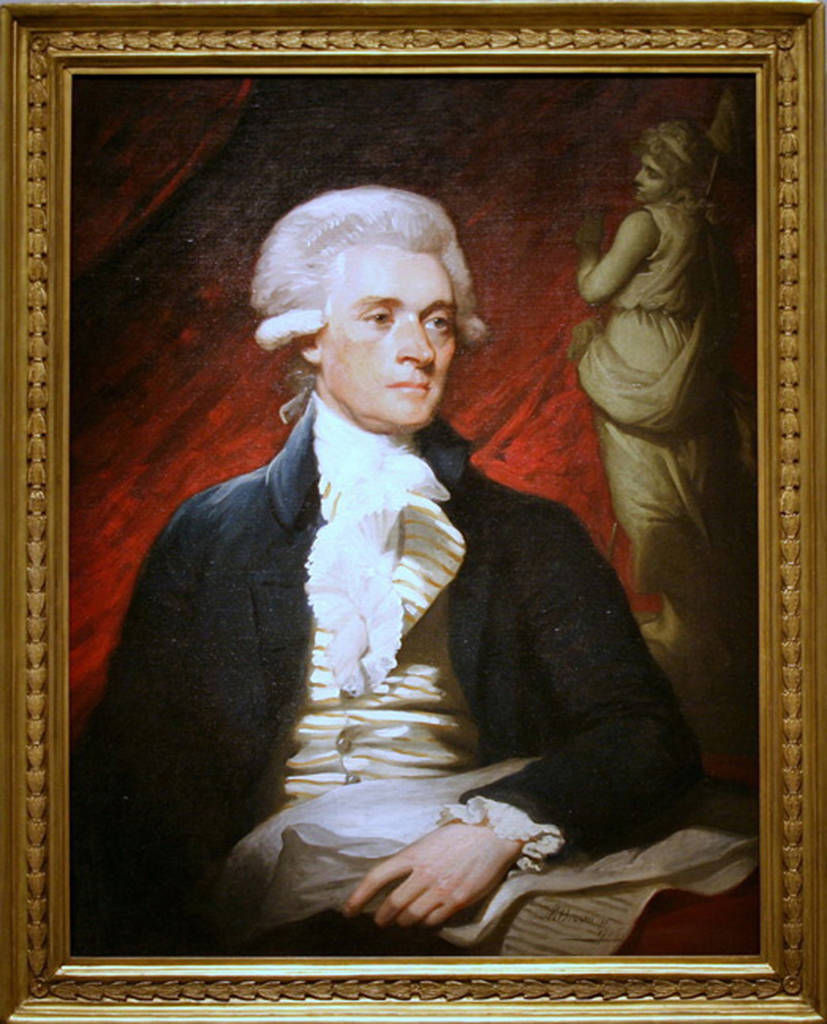
Author

Related Articles
Albany Rescue Mission in recovery but still can use some help
“We can’t do this without the community. We are so grateful for the willing vessels. We just can’t thank them enough. We also appreciate the other ministries that have sown seeds into our ministry.”

Plenty of oil, not enough diesel — and southwest Georgia farmers are paying for it
Sedrick Rowe doesn’t spray herbicides on his 10 acres of organic peanuts. He fights weeds with his tractor instead, which means he runs it more often than most farmers — and burns at least 30 gallons of diesel on a typical day. This harvest season, every one of those gallons costs more than it has at any point on record.

Dougherty schools plan task force as SNAP changes raise concern over free meals
The Dougherty County School System plans to create a task force to help families retain food assistance and navigate new reporting requirements as district officials warn that declining SNAP participation could eventually affect the federal provision that allows every student to eat free at school.
