
Appeals Court panel hears arguments at ASU
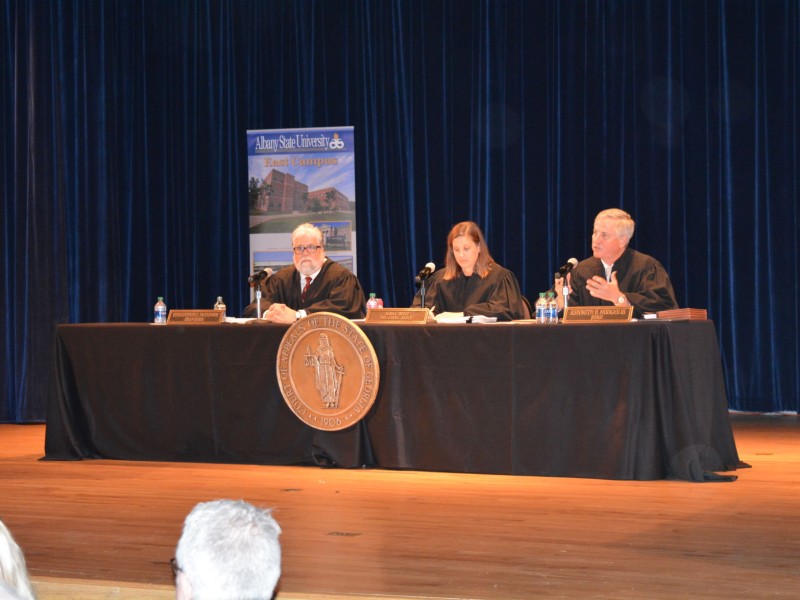
Staff Photo: Tom Seegmueller
By Tom Seegmueller
[email protected]
ALBANY – With the command “All rise,” and three bangs of his gavel, Steve E. Castlen, clerk and court administrator for the Georgia Court of Appeals, opened an off-site session with Judge Sara L. Doyle presiding.
During this particular session, the Appeals Court would not be hearing cases in their chamber in Atlanta. They were hearing oral arguments for three appeals in the Billy C. Black Auditorium located on the Albany State University campus.
Off-site sessions of the court are held periodically in various locations around the state so that the citizens of Georgia might have an opportunity to observe the court in action without traveling to Atlanta.
Preceding the opening of the session, Castlen told those in attendance, “The oral arguments you will hear are interesting and the experience and quality of the attorneys arguing them is high.”
He went on to explain that the appellate and the appellee each had 15 minutes to argue their cases.
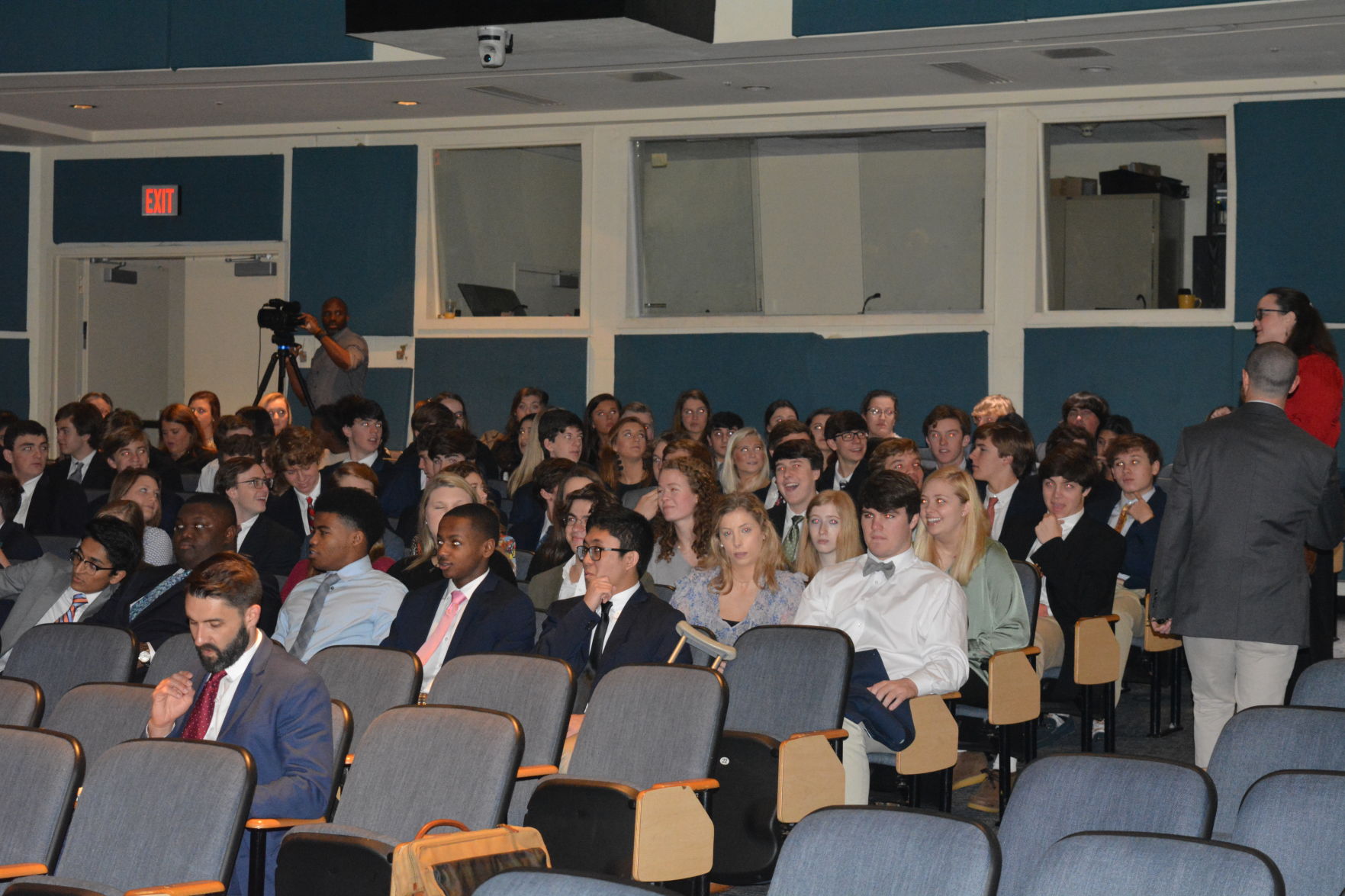
During Wednesday’s session, the appeals were not only heard by the court, they were also observed by Albany State University students, students from Deerfield-Windsor School and the general public. The cases included a wrongful death suit against a hospital, a law enforcement officer’s attempt to intervene in a criminal case and issues arising from disputes centered around a “nonprofit health care sharing ministry.”
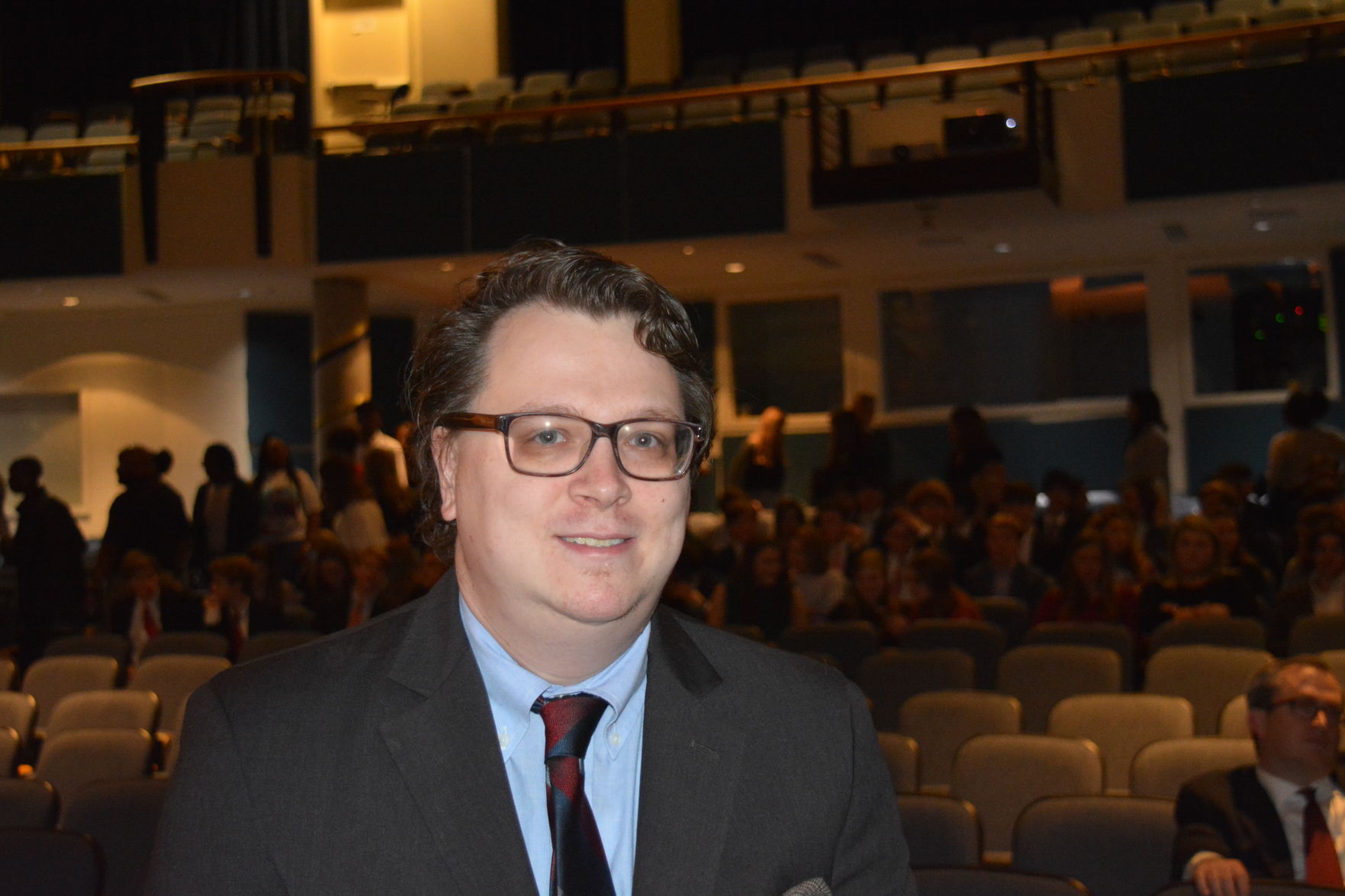
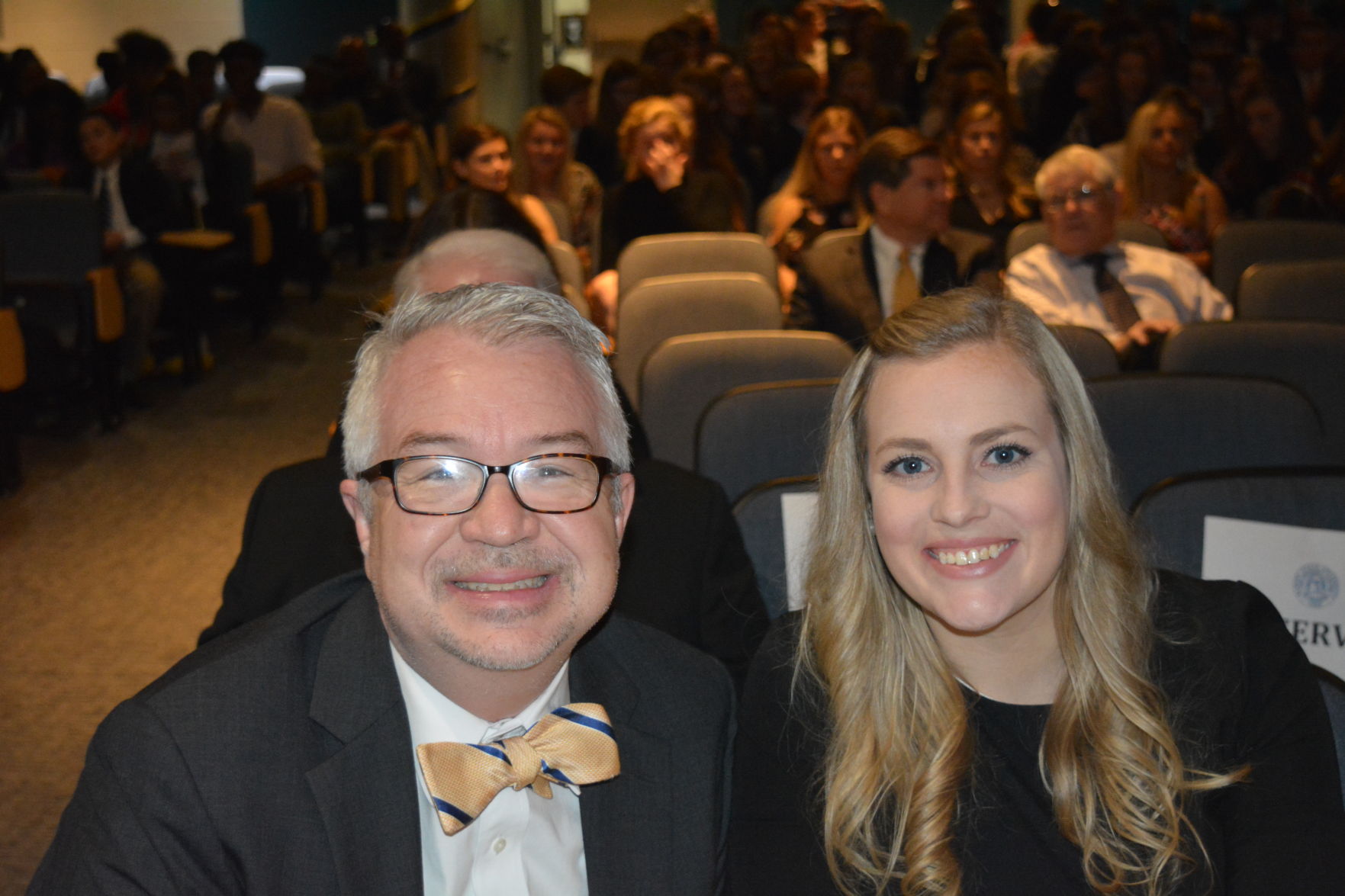
Scott Key and Kayci Timmons were present to present the first case of the morning. They were representing David Haney, who was appealing a criminal case out of Glynn County in which he was involved as a narcotics agent. Asked the difference in presenting an argument in this setting vs. a normal courtroom, Key responded, “It’s a lot more fun. I enjoy being in front of a group of people that don’t normally go to court. I think everybody is excited to do something in a different venue.”
Prior to court being called to order, Albany attorney Christopher A. Flowers addressed the audience.
“Today’s session of the court gives the public an opportunity to see the Georgia Court of Appeals in action,” he said. “The court has functioned for 106 years.”
Flowers told the students in the audience, “Today you have an inside view of our court system. You have court systems around the world that are closed systems. We have a system that is open and encourages the public to see what is going on.”
The Georgia Court of Appeals is the intermediate appellate court of Georgia. It was established in 1906, and today comprises 15 judges serving in five divisions. The position of Chief Judge is rotated among the 15 sitting judges, generally for a two-year term and upon the basis of seniority tenure on the court. The chief judge appoints a presiding judge for each of the five divisions. The presiding judges remain as the heads of their respective divisions for the full two-year term of the chief judge. The other judges are assigned to the five panels on an annual basis.
Until 1916, the Appeals Court functioned in many ways as a second court of last resort, as there was no provision to appeal its judgments. However, as its caseload continued to grow and conflicts arising between its rulings and those of the Supreme Court, a solution was needed. The solution provided for another three judges to be added to the Court of Appeals and the jurisdiction of its subject matter be broadened while that of the Supreme Court was narrowed to one of final appeal.
By 1999, the Appeals Court had grown to its current size. Compared to appellate courts in other states, its jurisdiction is limited. It will only hear appeals in cases that do not involve constitutionality of statutes, land disputes, the construction of wills, murder, elections, habeas corpus, extraordinary remedies, divorce, alimony or cases which original appellate jurisdiction lies with the superior courts.
Despite this limited scope, the court is still one of the busiest state appellate courts in the nation. In 2001, records of the court indicated that there were 2,544 direct appeal decisions issued by the court with more than three-fourths considered to be final. Of the remaining cases in which appeals were made to the Georgia Supreme Court, less than 105 were considered for further appeal.
Author

Related Articles
Albany Rescue Mission in recovery but still can use some help
“We can’t do this without the community. We are so grateful for the willing vessels. We just can’t thank them enough. We also appreciate the other ministries that have sown seeds into our ministry.”

Plenty of oil, not enough diesel — and southwest Georgia farmers are paying for it
Sedrick Rowe doesn’t spray herbicides on his 10 acres of organic peanuts. He fights weeds with his tractor instead, which means he runs it more often than most farmers — and burns at least 30 gallons of diesel on a typical day. This harvest season, every one of those gallons costs more than it has at any point on record.

Dougherty schools plan task force as SNAP changes raise concern over free meals
The Dougherty County School System plans to create a task force to help families retain food assistance and navigate new reporting requirements as district officials warn that declining SNAP participation could eventually affect the federal provision that allows every student to eat free at school.
