
PAM SIMMONS: Pre-K education: A smart investment for the future
Pam Simmons
Everyone agrees: Maintaining statewide Pre-K programs is the right thing to do for Georgia. Often overlooked, however, is that it’s also the smart thing to do.
At SB&T and Synovus, we serve the financial needs of citizens across the Southeast. We know that economic development helps families prosper and businesses grow. But growth doesn’t just happen on its own. Meaningful, strategic investments are essential catalysts.
That’s true for developing human capital as well. Realizing the potential of tomorrow — a competitive workforce and competent, confident self-governing citizens — begins with a smart investment in education today. For all of us, “today” comes early. That’s why programs that give children a strong foundation before they enter kindergarten pay dividends for the rest of their lives.
This year’s fifth annual Pre-K Week is Oct. 5-9. Hundreds of government, community and business leaders will visit Georgia’s lottery-funded Pre-K centers across the state to highlight the value of early education. This year, SB&T and Synovus again join as official sponsors of Pre-K Week.
As a banker, I often consult with customers about important investment decisions. One question I always ask is, “What would happen if we don’t make this investment?”
With early learning, the answer is called “the word gap” — and it’s not pretty. The word gap affects low-income children most severely. For example, by age three, children from low-income families know 500 words, while children from working-class families know 750, and children from high-income families know 1,100. By age four, children of college-educated families have heard 32 million more words spoken than children of families on public assistance.
Education starts at birth — not in kindergarten. During infancy and toddlerhood, children build essential thinking and social skills. They do this through interaction with other children, and through structured and unstructured learning with parents, caregivers and professional teachers. Toddlers who experience these quality-learning situations come to kindergarten already prepared with the foundational knowledge and skills they need to succeed in school and life.
In later years, children who were initially enrolled in high-quality early education programs have higher reading and math scores, and are more likely to continue on to post-secondary education. Children who don’t have these experiences arrive in kindergarten far behind their peers in vocabulary, knowledge and key learning abilities such as impulse control, attentiveness, persistence and sociability. And this achievement gap gets wider with each grade, sapping potential and limiting performance for a lifetime. What a terrible waste.
Children of hard-working but low-income families need high-quality early learning programs to close these gaps for their own benefit — and for society. Without quality Pre-K programs, thousands of five-years-olds will be on the slow-track to underachievement.
But there is good news throughout Georgia. For years, Georgia has been a leader in developing programs designed to reduce the disparities for Georgia’s children. Currently there are 84,000 children in state-funded Pre-K programs, a significant investment in our future. Not long ago, Gov. Nathan Deal announced his intention to find $50 million in state funds to reduce Pre-K class sizes and increase teacher salaries — two steps that would have a positive effect on the quality of the programs.
Bankers also ask, “Will this investment produce the desired results?” In the case of early learning, the answer is a resounding “Yes.” Numerous studies have shown that quality early-education programs reduce the need for special education and welfare expenditures, reduce crime, and increase lifetime earnings and tax revenues.
We can quantify this payoff. The net economic benefits (that is, benefits minus costs) for each child served in high-quality, early education programs nationwide averages $22,000. That’s an investment with a valuable return for all Georgians.
Just as SB&T and Synovus help businesses build their dreams, so must all Georgians invest in the business of our children’s development as educated and engaged citizens. Our children need our investment now to realize their dreams in the future.
Pam Simmons is president and CEO of SB&T, a division of Synovus Bank. She has more than 30 years of banking experience in the Albany community. Simmons is a member of the Darton State College Foundation Board and has served a number of other area organizations during her tenure.
Related Articles
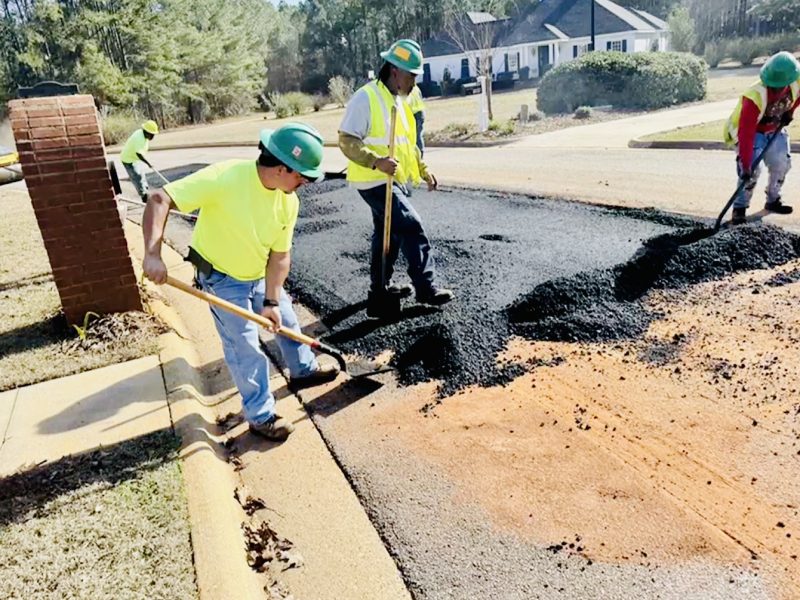
From Ledo to Coston, Lee County’s summer road projects are underway
Updates provided during recent meetings of the Lee County Board of Commissioners show projects are underway or scheduled to begin on several county roads, while additional transportation improvements funded through the Local Maintenance and Improvement Grant (LMIG) program and Transportation Special Purpose Local Option Sales Tax (T-SPLOST) are expected to begin shortly after the July Fourth holiday.
PSC candidate Peter Hubbard makes case for election to full term
The reason why voters should pick me is I’m a rare breed in that I read everything that comes across my desk. I’m asking hard questions at the meetings. I want to get to the bottom of are data centers paying their fair share, are residential customers getting their fair share.
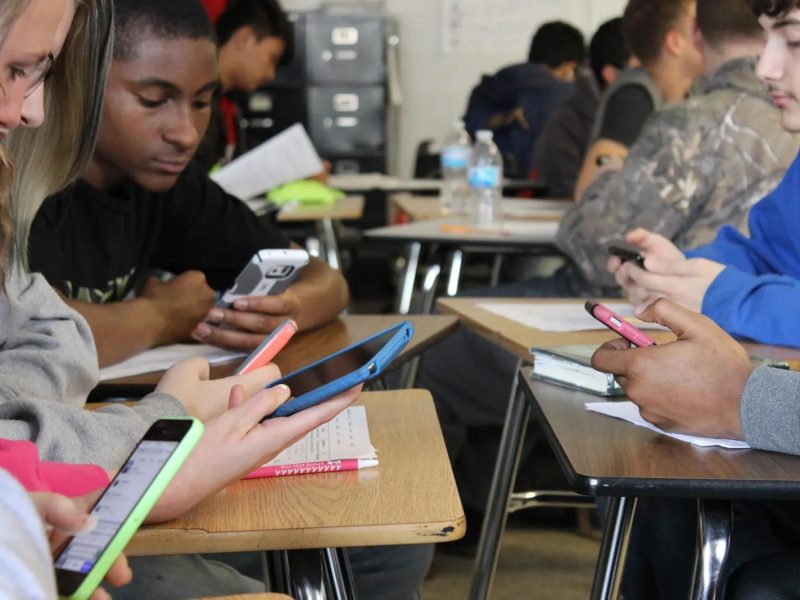
Dougherty Schools prepare for bell-to-bell student cell phone ban
As Georgia prepares to expand its statewide ban on personal electronic devices in public schools, Dougherty County School System leaders say they are working to balance compliance with the new law while giving individual schools flexibility in how they implement the policy.
