
Christmas stories perfect for sharing
Reading to a child creates memories for a lifetime.
By Mary Braswell
ALBANY — With the children soon out of school for the holidays, there is no better time for parents, grandparents, babysitters and others to read to them. Christmas is knocking at the door and there are literally hundreds of children’s Christmas books, many of which are available at the public library at no cost.
When asked about the importance of reading to children, especially during the holidays, Michael Kennedy, senior library assistant at the Leesburg branch of the Lee County Library, said, “Children are made readers on the laps of their parents.
“Christmas is a time for giving back and there is no greater gift than spending quality time with the children, parents and loved ones in your life by reading and sharing memories together.”
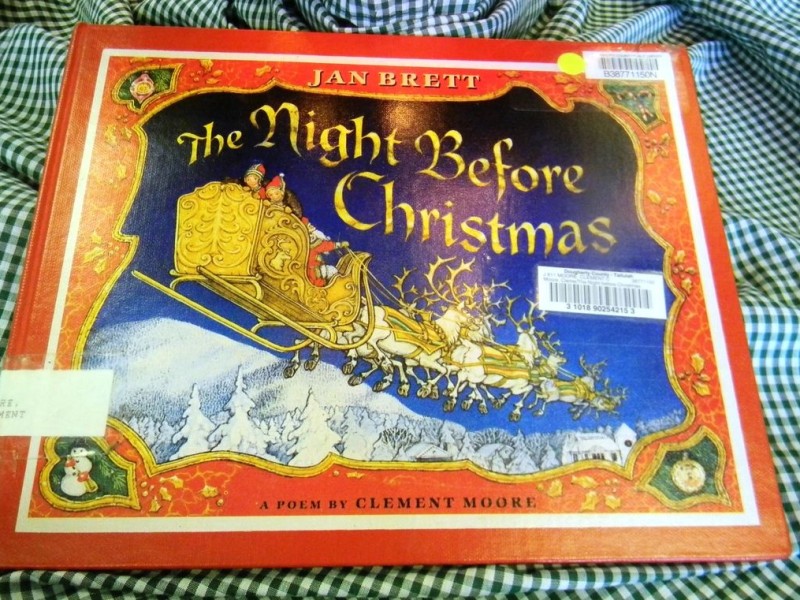
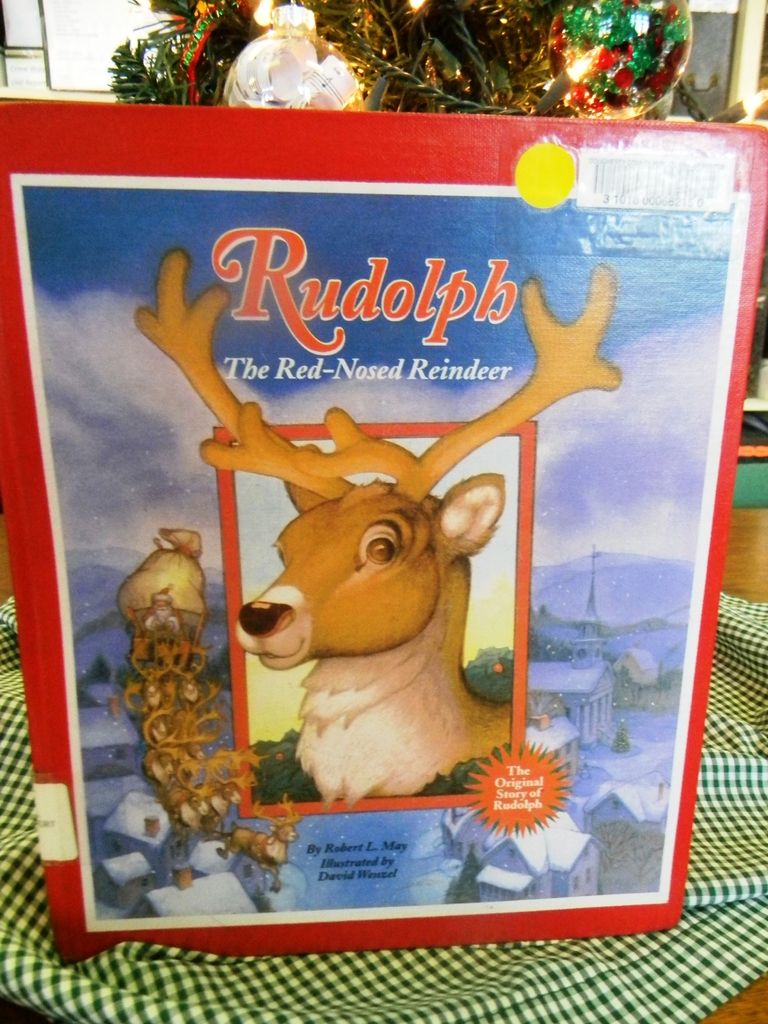
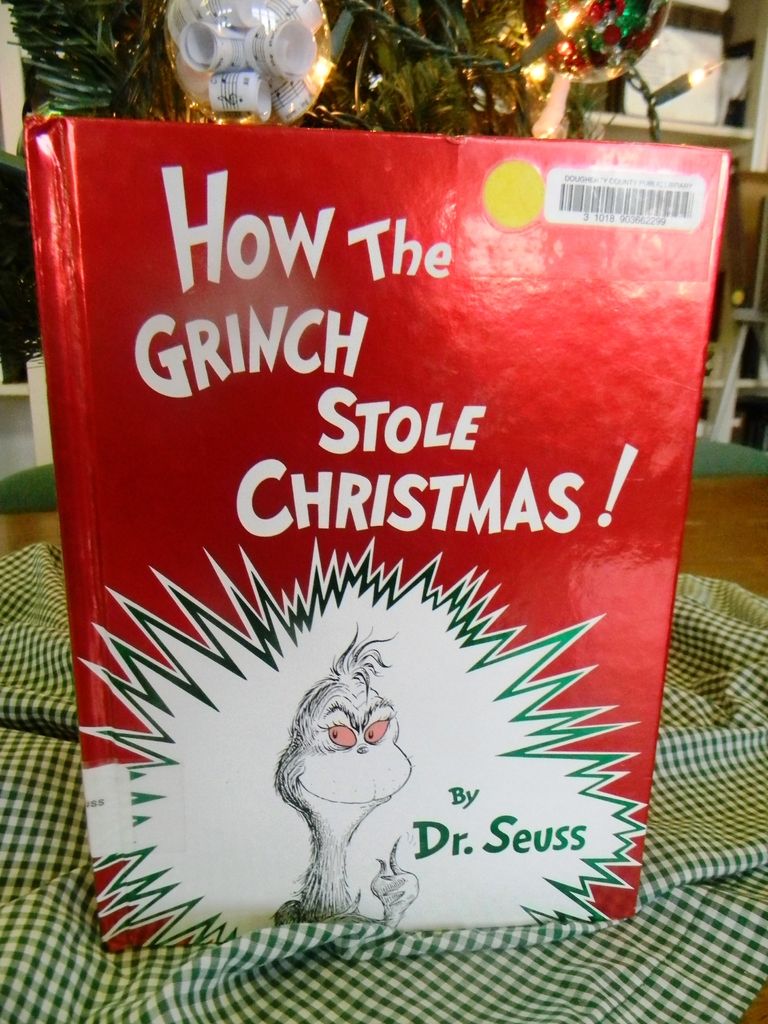
Three must-read Christmas classics are “The Night Before Christmas” by Clement Moore, “How the Grinch Stole Christmas!” by Dr. Seuss and “Rudolph the Red-Nosed Reindeer” by Robert L. May.
“The Night Before Christmas” is a poem first published anonymously in 1823, and later attributed to Clement C. Moore, who acknowledged authorship in 1837. The story is that on Christmas Eve night, while his wife and children sleep, a father awakens to noises outside his house. Looking out the window, he sees St. Nicholas in a sleigh pulled by eight reindeer.
After landing his sleigh on the roof, the jolly fellow enters the house through the chimney, carrying a sack of toys with him. The father watches as St. Nicholas fills the children’s Christmas stockings hanging by the fire, and laughs to himself. St. Nicholas bounds back up the chimney and, as he and the reindeer fly away, he wishes everyone a “Happy Christmas to all, and to all a good night.”
The story has been published many times with a multitude of different illustrations. The book shown here was illustrated by well-known children’s illustrator Jan Brett. Kennedy also suggested the edition with illustrations by Bruce Whatley.
Robert L. May created “Rudolph the Red-Nosed Reindeer” in 1939, as an assignment for Chicago-based Montgomery Ward department stores. The retailer had been buying and giving away coloring books for Christmas every year and it was decided that creating their own book would save money.
In popular culture, a bright red nose was then closely associated with chronic alcoholism and drunkards, and so the story idea was initially rejected. May asked his illustrator friend at Wards, Denver Gillen, to draw a “cute reindeer,” using zoo deer as models. The alert, bouncy character Gillen developed convinced management to support the idea.
In its first year of publication, Montgomery Ward had distributed 2.5 million copies of Rudolph’s story. Many illustrators have since drawn the story of Rudolph. The one shown is illustrated by David Wenzel and is the original story which has details not told in the popular song or animated versions. May’s brother-in-law, Johnny Marks, adapted the story of Rudolph into the popular tune still sung today. Gene Autry’s recording of the song hit No. 1 on the Billboard pop singles chart the week of Christmas 1949. Autry’s recording sold 2.5 million copies the first year.
There is but one version of the book “How the Grinch Stole Christmas!” written and illustrated by Dr. Seuss in 1957. Written in rhymed verse, the story follows the Grinch, a grouchy creature who attempts to put an end to Christmas by stealing Christmas-themed items from the homes of the nearby town Whoville on Christmas Eve.
Despite his efforts, every Who still celebrated the day. The Grinch’s heart grew three sizes, he returned the stolen items and the rest is history. See stage versions, the movie version and the television version if you choose, but first read the book, as Dr. Seuss intended his story to be told.
Kennedy offered a list of suggested Christmas reading:
“Home for the Holidays” (The Mother-Daughter Book Club Series), by Heather Vogel Frederick;
“Christmas in Camelot” (Magic Tree House Series), by Mary Pope Osborne;
“The Christmas Tale of Peter Rabbit,” by Emma Thompson;
“An Otis Christmas,” by Loren Long;
“The Christmas Wish,” by Lori Evert with photographs by Per Breiehagen;
“Fancy Nancy and the Splendiferous Christmas,” by Jane O’Connor with illustrations by Robin Preiss Glasser;
“The Great Pirate Christmas Battle,” by Michael G. Lewis with illustrations by Stan Jaskiel.
Related Articles

From cotton to cloud: In the data center debate, is rural Georgia once again being asked to carry the cost?
Across much of rural Georgia, the abandoned cotton warehouses and shrinking tax bases remain — enduring reminders that industries built to serve distant markets do not necessarily stay rooted in the communities that first sustained them.
My Grandpa Was Killed in World War II. I Met Him Through His Letters Home
Gina Wolf’s grandfather died before she was born. His letters sent to her grandmother from Europe during World War II made it possible to know what kind of man he was.

‘Sounds Like a Mutiny.’ Secret Recording Exposes Claims of Toxic Leadership After a Marine’s Suicide
This week’s War Horse story follows the systemic failures before and after the death of Cpl. Drew Mobley who was the third in two years at Marine Corps Base Quantico to die by suicide.
