
Public Health Tip ‘n Toss campaign aims to prevent Zika
There have been 11 confirmed travel-related Zika cases in Georgia
By Staff Reports
ALBANY — In light of the Zika virus threat, the Southwest Public Health District is urging residents to reduce breeding habitats for the mosquitoes that carry the virus around their residences, businesses and communities through the “Tip ‘n Toss” campaign.
“We are asking you to clean up around your homes, yards and communities and discard unnecessary items that can hold water,” said Southwest Health District Environmental Health Director Dewayne Tanner. “Tip ‘n Toss after each rainfall to reduce the opportunity for mosquitoes to breed and prevent the spread of Zika virus here in Southwest Health District’s 14 counties.”
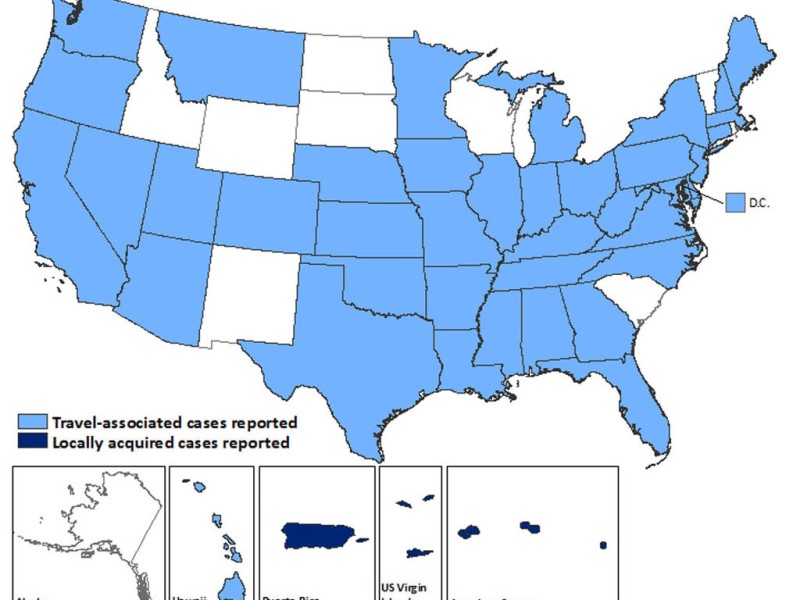
No locally-transmitted Zika cases have been transmitted in Georgia to date, but cases have been reported in travelers returning from other countries — including countries in South and Central America and the Caribbean. As of Friday, there had been 11 travel-related cases confirmed in Georgia.
Zika virus is transmitted primarily through the bite of infected Aedes aegypti and Aedes albopictus mosquitoes, and both are found in Georgia.
“Aedes mosquitoes typically bite during the day, especially in the early morning and late afternoon hours, but some bite at night,” Tanner said. “They are called container breeders because they lay eggs in any type of container with water – even something as small as a bottle cap if it has water in it.”
The environmental health director stressed that eliminating standing water is one of the most effective ways of controlling mosquito populations around homes and yards.
“Police your residence and tip water from flower pots, old tires, planters, and children’s toys,” he said.
He suggested using mosquito “dunks” or larvicides for ditches, standing water that won’t drain, horse troughs or other situations in which tipping is not feasible.
“Larvicides will not harm animals or birds,” Tanner said.
He said it is also important to remove leaf litter, clean gutters and cut back vegetation to block landing opportunities for adult mosquitoes.
“Mosquitoes don’t recognize property lines, so controlling their numbers has to be a collaborative effort among neighbors,” Tanner added.
“We are increasing mosquito surveillance and educating residents, but the greatest impact will be when individuals take personal responsibility for their homes, yards and communities,” he said.
Tanner said it is also important to use Environmental Protection Agency-registered insect repellents containing 20-30 percent DEET, picaridin, IR3535 or oil of lemon eucalyptus. It is also recommended to wear light-colored clothing with long sleeves, long pants and socks to help prevent mosquito bites.
The Centers for Disease Control and Prevention’s figures, last updated on Thursday, showed there had been 312 travel-associated Zika virus cases and no locally acquired vector-borne cases reported in the United States. Of the 312 cases reported, 27 were pregnant women, six were sexually transmitted and one had Guillain-Barré syndrome.
In the U.S. territories, there had been three travel-associated cases reported and 349 locally acquired cases reported as of Thursday. Of the 352 cases reported, 37 were pregnant women and one had Guillain-Barré syndrome, the CDC said.
Currently, there is no cure or vaccine available for Zika.
To learn more about Zika protection and prevention or “Tip ‘n Toss,” go to dph.georgia.gov or cdc.gov/zika.
Related Articles

Albany teen, 16, makes bodybuilding debut at Atlanta OCB Pro/Am
Crockett, an Albany resident and student at Albany Technical College Academy, placed second in the teen bikini division this weekend at the OCB Immortal Muscle Pro/Am Bodybuilding Competition in Atlanta, becoming the youngest competitor across all categories at the event.
Phoebe opens new urgent care clinic in Camilla
Phoebe Putney Health System has expanded its network of urgent care clinics by opening a new location in Camilla.
Colquitt Regional introduces new heart failure treatment
Colquitt Regional Medical Center recently announced a major advancement in its cardiac care services with the introduction of the biventricular implantable cardiac device (ICD)
