
NASCAR promoters losing touch with fans
The Sports Xchange
The Sports Xchange
An excellent race last Sunday at the Richmond International Raceway revealed the current riptide that NASCAR and its race promoters find themselves struggling against.
Changes to the racing and championship formats are producing intense action and occasional four-wide assaults broke out at Richmond. But a sparse crowd estimated at 30,000 on a hot afternoon confirmed promoters are still behind the curve when it comes to the fan experience.
While some other tracks are drawing fewer fans and no track is drawing the huge crowds of the glory days, the empty seats at Richmond ought to be a wake-up call. Track promoters, many of whom work for the same France family that owns NASCAR, need to make radical changes off the track, too.
The concerns of fans are easy to identify, which is what makes a circumstance like the Richmond race so damning.
There are common themes in online comments by disgruntled and lapsed fans.
The cost of attending a race no longer measures up to the experience, according to comments. With the high cost of travel, motel rooms and ticket prices, fans feel like they’re getting ripped off, especially since the tracks earn millions from TV.
Access to drivers and not enough pre-race activities lead the complaint list, along with the lousy nature of the facilities and their amenities.
The riptide results from the other most common complaint: the racing isn’t worth watching. But after two seasons of reduced downforce on the cars and nine races of the new stage and championship bonus points format, these problems are being addressed successfully. NASCAR is now caught in the lag between fans acknowledging improved racing and an overpriced fan experience.
The name of NASCAR chairman and CEO Brian France often comes up in any debate about the sport, but he is the architect behind the improved racing.
It’s time for his sister, Lisa France Kennedy, who works on the promotion side of the family business, to step up. Kennedy directs the International Speedway Corporation, which owns Richmond and 12 other tracks with dates on the Monster Energy NASCAR Cup Series calendar.
Kennedy rightfully has drawn kudos for her work at ISC, which now includes the re-making of the Daytona International Speedway, where the Daytona 500 was a sellout this year. ISC is currently re-building the Phoenix International Raceway with a similar goal of making the track into a stadium on a par with other major league sports events. But by time ISC gets around to re-modeling its other tracks, will the fans have already left the building?
Meanwhile, ISC is working on new real estate investment across the street from the Daytona track, tying up millions it might be spending elsewhere on actual racing facilities, the core business.
The biggest change in the conduct of NASCAR races over the years off the track has been access to drivers. Fans now are asked to buy expensive VIP tickets to have a chance to spend time with a driver in pre-race meetings. It should be the other way around. The track promoter should find ways to make sure the drivers are accessible to fans — and pay them if necessary for their time. Even if it has to be done on a rotating basis, i.e. a driver makes a limited number of fan appearances before races over the course of a season, tracks should be the ones paying — not the fans. Or perhaps NASCAR should put a clause in Charters for teams that require a certain number of fan appearances for each driver.
The current situation at NASCAR tracks when it comes to driver access betrays sheer arrogance and a callous disregard for its paying customers. Making fans and their children pay to have a chance to get an autograph from a driver is almost criminal. It’s not unlike the corporate culture of an airline willing to bump passengers off flights to serve its own needs instead of recognizing the needs of its paying customers.
Along the same lines, any track such as Richmond that is in sore need of remodeling should slash ticket prices. Fans have proven they will pay up for nicer facilities; until then bring prices in line with the fan experience instead of talking about improving it. There may be other debates about when to host races — weeknights, Saturday nights or Sunday afternoons — but fair pricing of the tickets are needed for any of those options.
The issues of fan access to drivers and ticket pricing are, sadly, part of the long-running disrespect promoters of NASCAR events have too often shown fans. In the glory years of the late 1990s and early 2000s, instead of improving their facilities, promoters rushed to put up new grandstands with poor amenities — other than sky boxes for sponsors. They steadily raised prices — despite the huge income from TV deals and title sponsorships.
The thinking, if one could call it thinking, was that NASCAR fans were so passionate they would cross any hurdle to meet their heroes and see them in action. Well, not any more.
Speedway Motorsports, Inc., which operates eight tracks hosting Monster Energy NASCAR Cup dates, is the counterpart to ISC. The former president at SMI, Humpy Wheeler, was well known for his pre-race extravaganzas and thrill shows in Charlotte. A mock invasion of Grenada and Robosaurus, the car-eating monster robot, drew laughs in some quarters. But they kept fans entertained.
When it comes to the pre-race fan experience, there are hints that sanctioning body has gotten the message.
Although the sponsorship from Monster Energy has been regarded as a step backward in terms of dollars from the preceding deal with Sprint, the pre-race thrill show by Monster Energy has added a needed new element for fans.
On the other hand, NASCAR is heavily invested in the souvenir business and the recent cost-saving change from a midway of souvenir haulers at each race to a large tent has been totally underwhelming for fans.
One often gets the feeling that current promoters at NASCAR tracks came into the sport as young executives when selling tickets was a matter of opening the gates and ticket windows, plus managing a website.
Times have changed and as Richmond’s pathetic turnout indicates, promoters — veterans and newbies alike — need to work harder to connect with fans
Related Articles
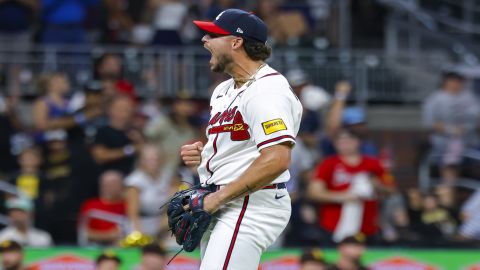
“Dog Mentality” – Mederos secures first save for Braves
Victor Mederos’ memorable weekend took another dramatic turn Monday night.
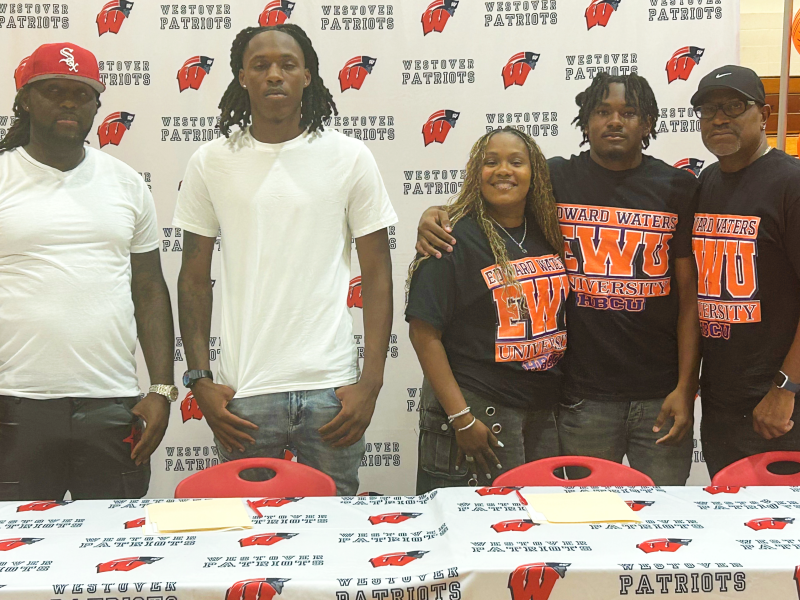
Westover duo signs with Edward Waters
T.K. Johnson and Keyvon Brady have spent years building chemistry on the basketball court.
Georgia introduces “Dawgs to Docs” pathway
The University of Georgia Athletic Association, The Georgia Way, and the University of Georgia School of Medicine have partnered to form a one-year pathway program for Bulldog student-athletes who are pursuing careers in medicine.
