
MARY BRASWELL: Looking back at the the Georgia Lunatic, Idiot and Epileptic Asylum
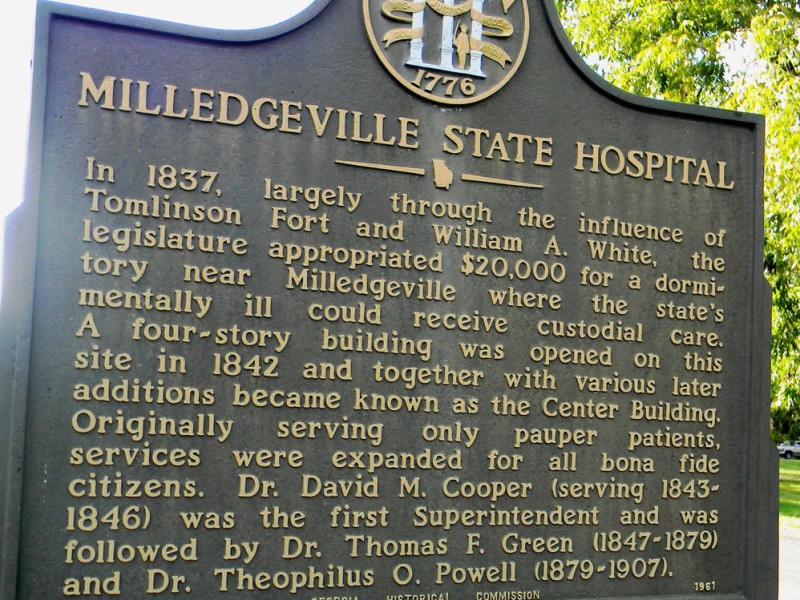
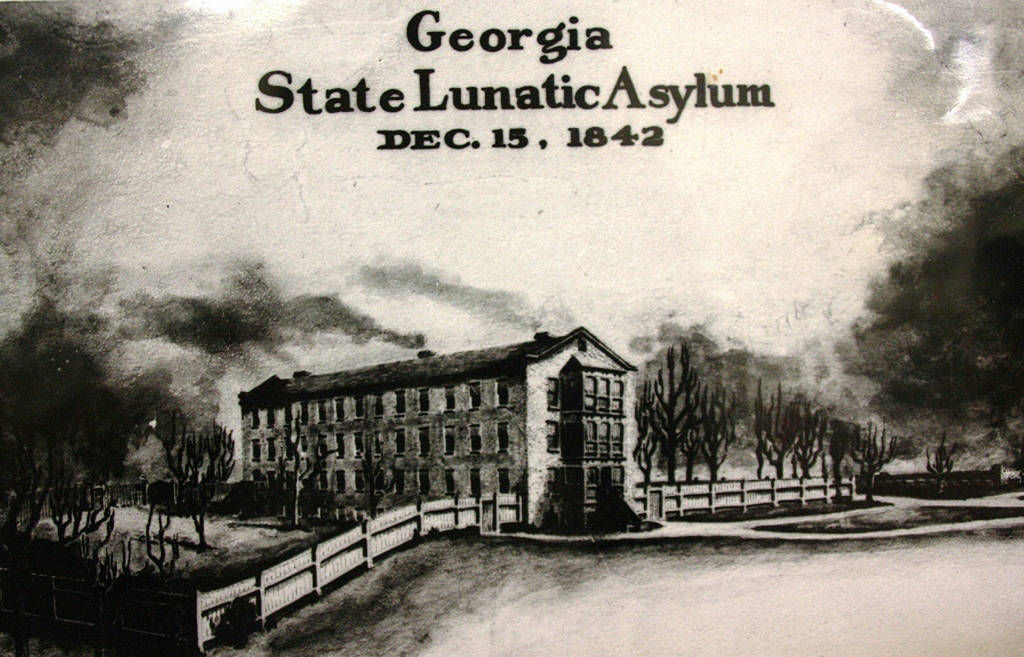
HISTORY: Milledgeville admitted its first mental health patient on Dec. 15, 1842
By Mary Braswell
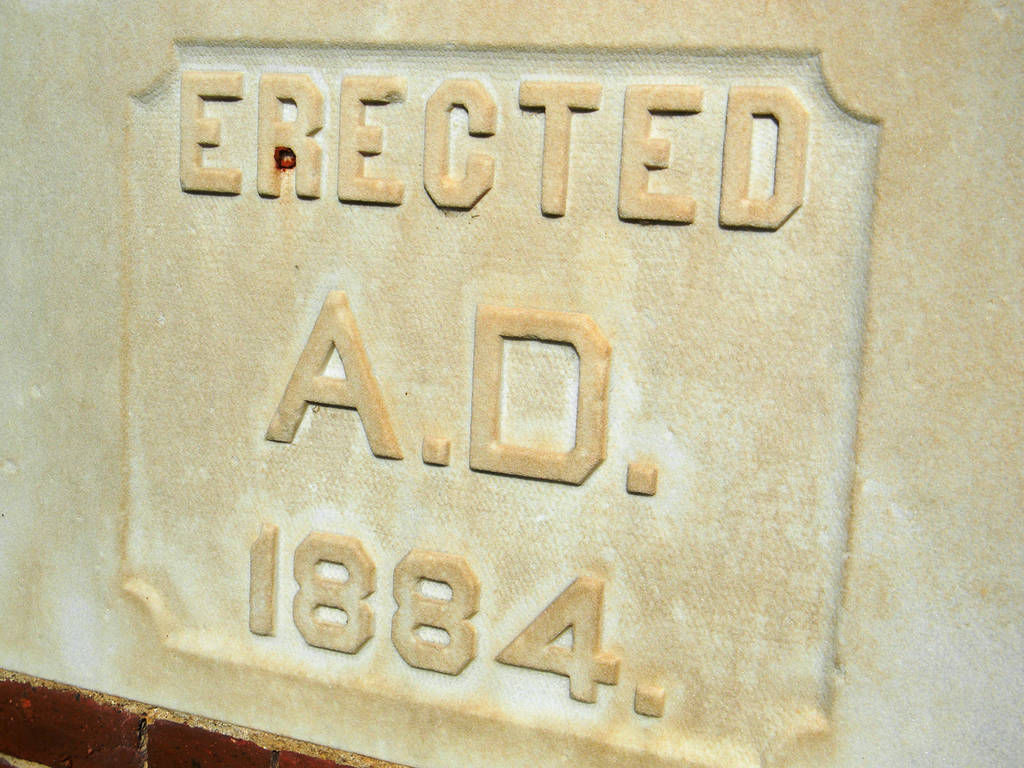
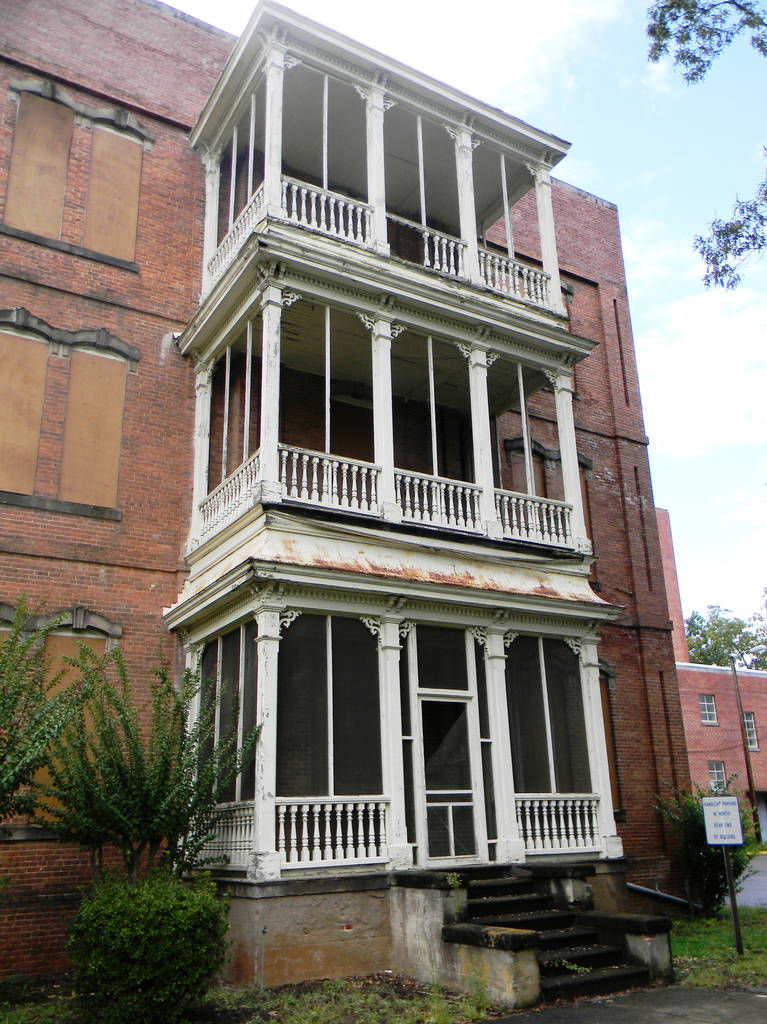
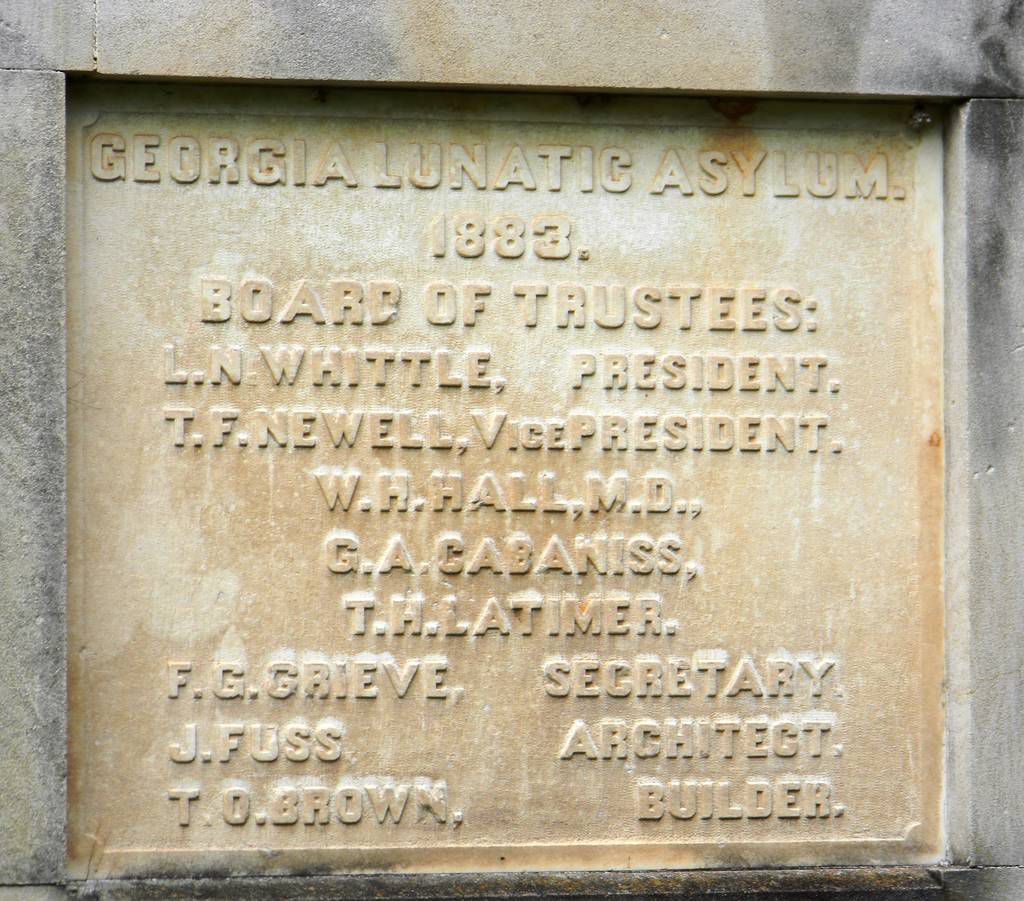
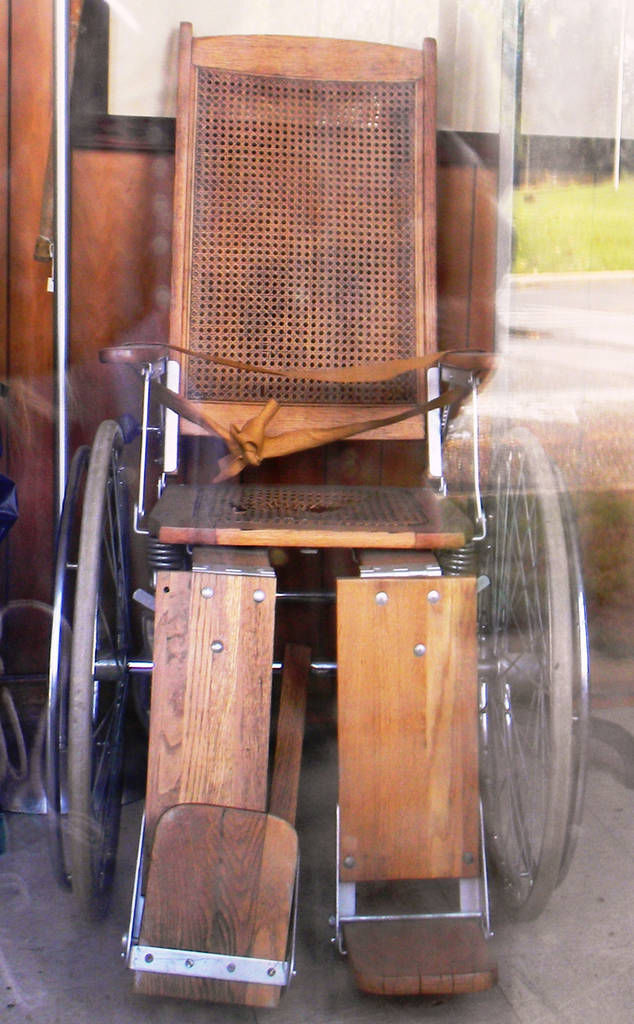
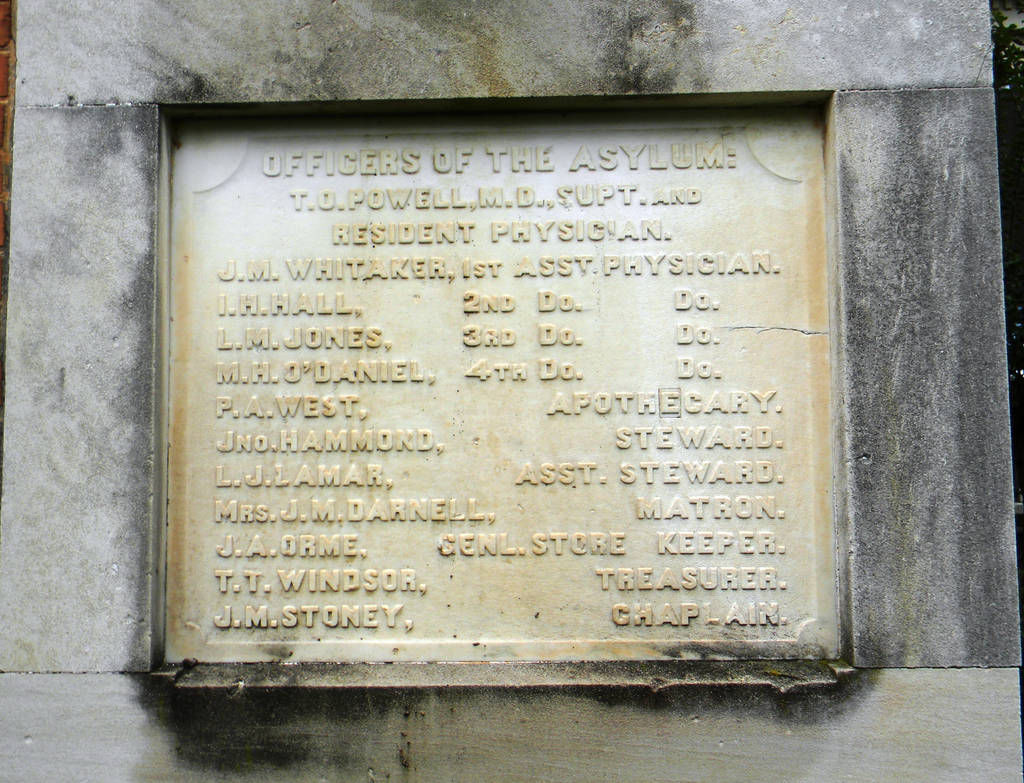
In 1834, Georgia Gov. Wilson Lumpkin asked the state Senate and House to take up the issue of caring for people who today would be said to have mental disabilities and the insane. It was a slow process. Money was limited and the belief that the devil and lunatics were in alliance held strong in the South. Milledgeville physicians convinced lawmakers of the need and, on Dec. 28, 1937, the state legislature authorized the creation of the State Lunatic, Idiot and Epileptic Asylum, the first ever known to treat all three afflictions. This is part-one of two.
IN THE BEGINNING
— On the basis of the U.S. Census of 1840, Georgia’s population was 700,000. It was estimated that 428 of that number were mentally ill and needed treatment.
— With the late year appropriation from the Legislature in 1837, 40 acres were purchased for $4,000, which included a house with five fireplaces, a good well, vineyard, orchard and four acres for cultivation.
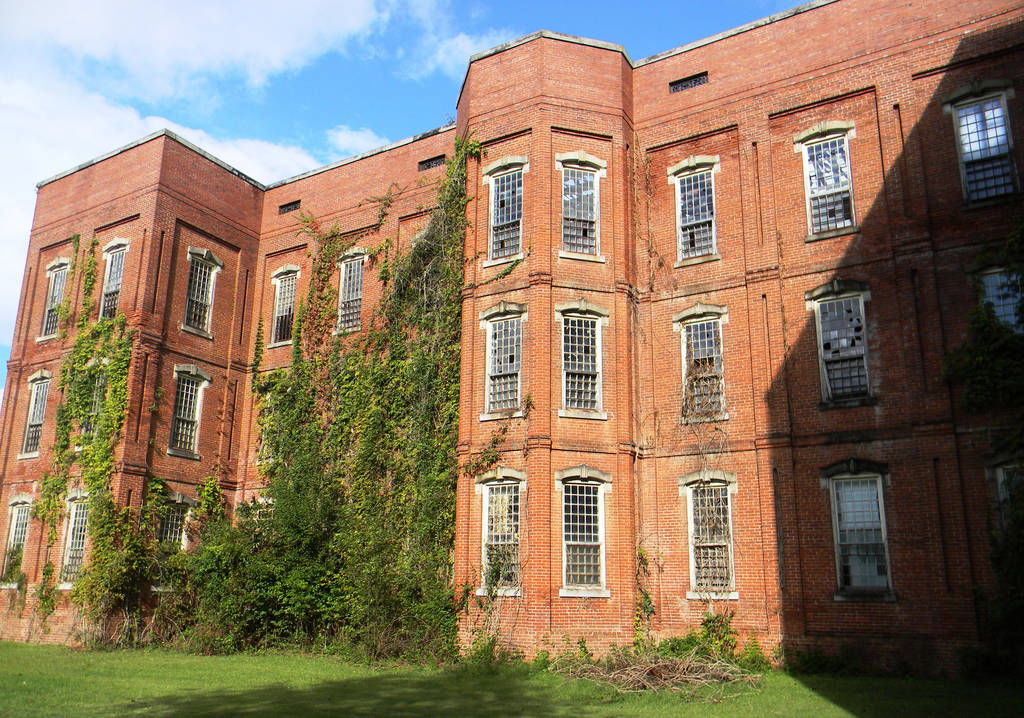
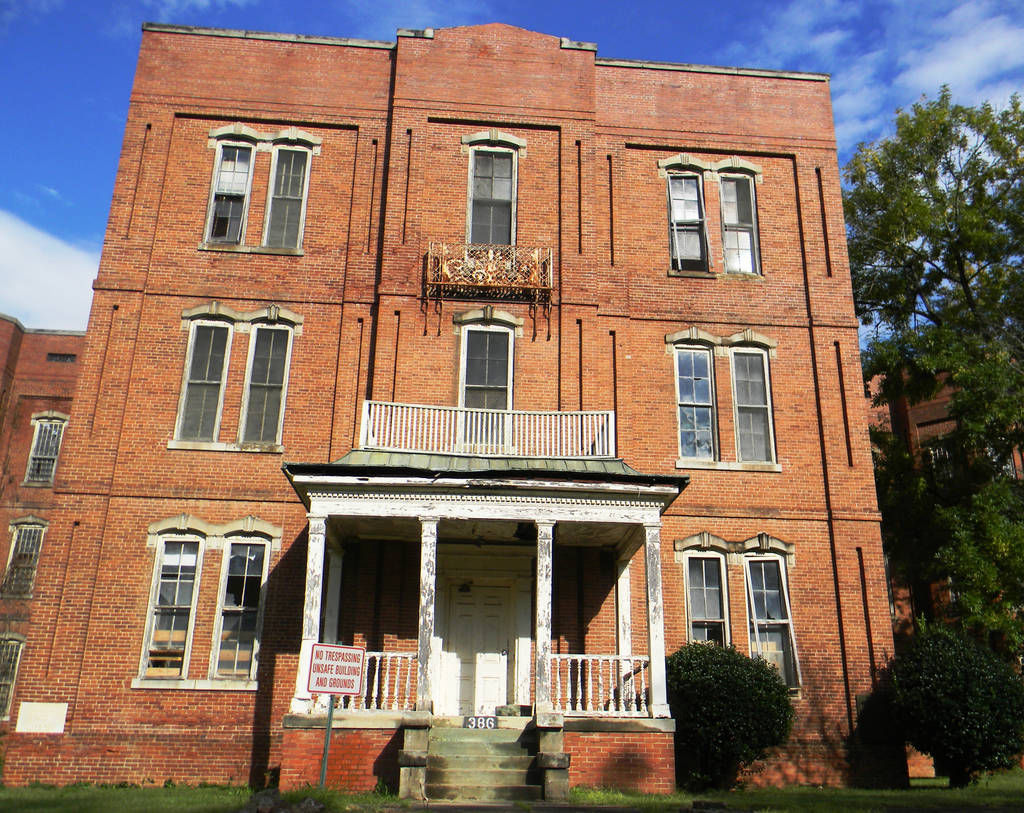
— A committee visited asylums in America to get an idea of how to proceed with building and design. It was decided to start with two separate buildings running parallel, each measuring 130 by 40 feet with four stories, separated by a distance of 234 feet. The exterior was brick; the roof had wooden shingles.
— The interior consisted of 20 rooms in the basement and 23 rooms on each of the remaining three floors.
— Kitchen facilities were located in the basement with a dumb waiter to serve the upper floors. This part of the building was also home of the servants and a few slaves.
— Heat was provided by way of a large iron stove, also in the basement, through a system of pipes and chimneys.
— Men were designated to the first and second floors. The third and fourth floors were for women and their round-the-clock attendants. Each floor had its own dining room.
— Those who could afford it were charged $100 per year to cover room, board, clothing and medical care. All other residents of the state were treated free of charge.
— The first building was officially opened on Nov. 1, 1842.
QUIK QUIZ
In what year did racial segregation end among patients at the Georgia Lunatic Asylum (later called the Georgia State Sanitarium, the Milledgeville State Hospital and finally, Central State Hospital)?
a) 1921
b) 1932
c) 1951
c) 1965
The answer is at the end of this column.
EARLY ADMISSIONS
— Milledgeville’s first patient, Tillman B., arrived on Dec. 15, 1842. He was escorted by several wagons — he was chained to one — with his wife and guards, as well as other male relatives. The 30-year-old white male was described as violent and destructive. He died six months later from “maniacal exhaustion.”
— The first female admitted to the hospital was its fourth patient. Records show she was a 90-year-old widow with general infirmities of old age.
— The fifth patient is described as a 22-year-old white female pay patient. Her family reported she had been mentally ill for eight years, was indecent and immodest.
— Patient No. 13 was a 43-year-old man, described as a lunatic for nine years. He was obsessed with religion and abandoned all other pursuits. When his family tried to withhold religious material, including the Bible, the man became furious and homicidal. In one frantic fit, he tore his own eye from its socket in obedience to the gospel command, “If thy right eye offend thee, pluck it out.” Prior to hospital admission, he was confined with a chain to his legs and iron handcuffs, stapled to one spot for nine years.
— Deemed an epileptic and idiot, a 40-year-old man was the only patient to die in 1844. He was dwarfed and suffered severe convulsions. The patient was bled and given a mercurial cathartic (laxative). He died the following day.
— A 45-year-old housewife was described by her husband as “deranged and weak of mind” for 20 years. The patient was fearful upon arrival but responded well to kindness, as it appeared she had long been physically and mentally abused. The patient showed improvement quickly with no medication.
THE EARLY YEARS
—Dr. David Cooper was the institution’s first superintendent (1842-45). He believed the patients and staff should live and work as a family. Meals were taken together. Cooper kept case histories and saw each patient daily.
— From 1845-74, Dr. Thomas A. Green led the hospital. He believed that “inmates” should be classified and separated by disease. He pled for funding for a special building for epileptics. The physician also requested a separate facility for those convalescing from other diseases and old age, offering to house them in his own residence if the state would enlarge his house. These wishes were not granted.
— Green’s first move was to abolish all physical restraints. One patient suffering from violent mania, released from bondage, tore his clothes, destroyed his mattress, tin cups, blankets, 27 window panes and one chamber vessel. Within three months, the patient was calm and considered completely recovered.
— During the Civil War, there was no funding for the hospital and Green sold what he could and begged for food.
— When the war ended, the idea of a large number of people being released because the hospital had no food brought an emergency order for ten days ration of corn and wheat from the federal government, with more to follow.
— To make room for black patients, two or three non-violent white patients were placed in 10-by-12-foot rooms. A building for the growing population of blacks was completed in August 1867.
— Employees had often been attacked by patients but always managed to escape serious injury. In December 1869, however, a patient became violent, grabbed an ax and killed a young male attendant.
— Modern gas lighting, additional rooms for 150 patients, new roofs and more were added in 1872. In that year, there were four physicians for 448 patients, such a favorable medical ratio that it would never be again matched at the hospital.
— Green died in 1878 and Dr. Theophilus Powell, who already had served 17 years as assistant physician at the hospital, was appointed superintendent.
— Georgia legislators adopted a resolution in 1886 instructing the superintendent “not to receive in this asylum harmless epileptics, idiots, paralytics, physically infirm or mentally imbecile persons who could not benefit from treatment.” Following the act was the dismissal of 125 patients who were considered harmless. They were returned to their home counties and, if there was no other accommodations for them, they were kept in county jails.
— By 1890, the hospital population soared above 1,500.
More next week!
Each week Albany Herald researcher Mary Braswell looks for interesting events, places and people from the past. You can contact her at (229) 888-9371 or [email protected]. Follow @ABH_MBraswell on Twitter
QUIK QUIZ ANSWER: a) 1921

Related Articles

From cotton to cloud: In the data center debate, is rural Georgia once again being asked to carry the cost?
Across much of rural Georgia, the abandoned cotton warehouses and shrinking tax bases remain — enduring reminders that industries built to serve distant markets do not necessarily stay rooted in the communities that first sustained them.
My Grandpa Was Killed in World War II. I Met Him Through His Letters Home
Gina Wolf’s grandfather died before she was born. His letters sent to her grandmother from Europe during World War II made it possible to know what kind of man he was.

‘Sounds Like a Mutiny.’ Secret Recording Exposes Claims of Toxic Leadership After a Marine’s Suicide
This week’s War Horse story follows the systemic failures before and after the death of Cpl. Drew Mobley who was the third in two years at Marine Corps Base Quantico to die by suicide.
