
Bills, budgets discussed at town hall meeting
Quality Based Education will be fully funded for first time in several years
By Jada Haynes
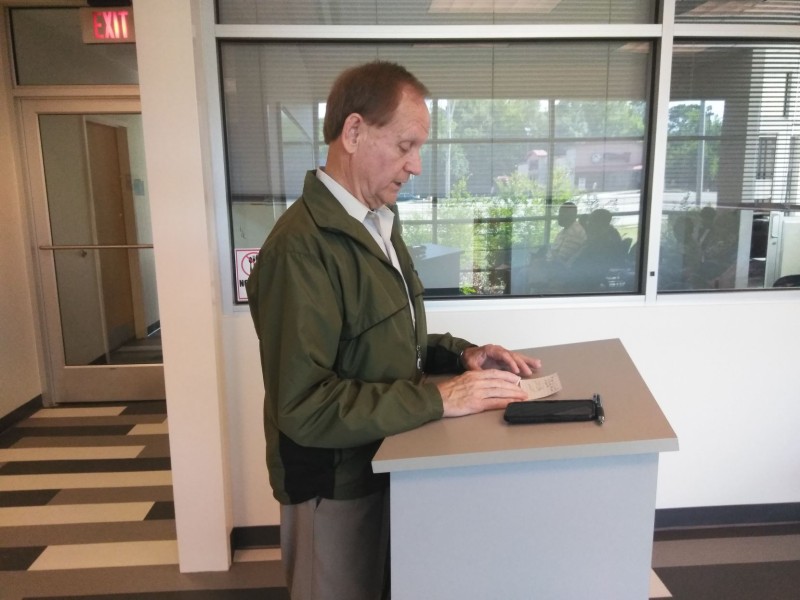
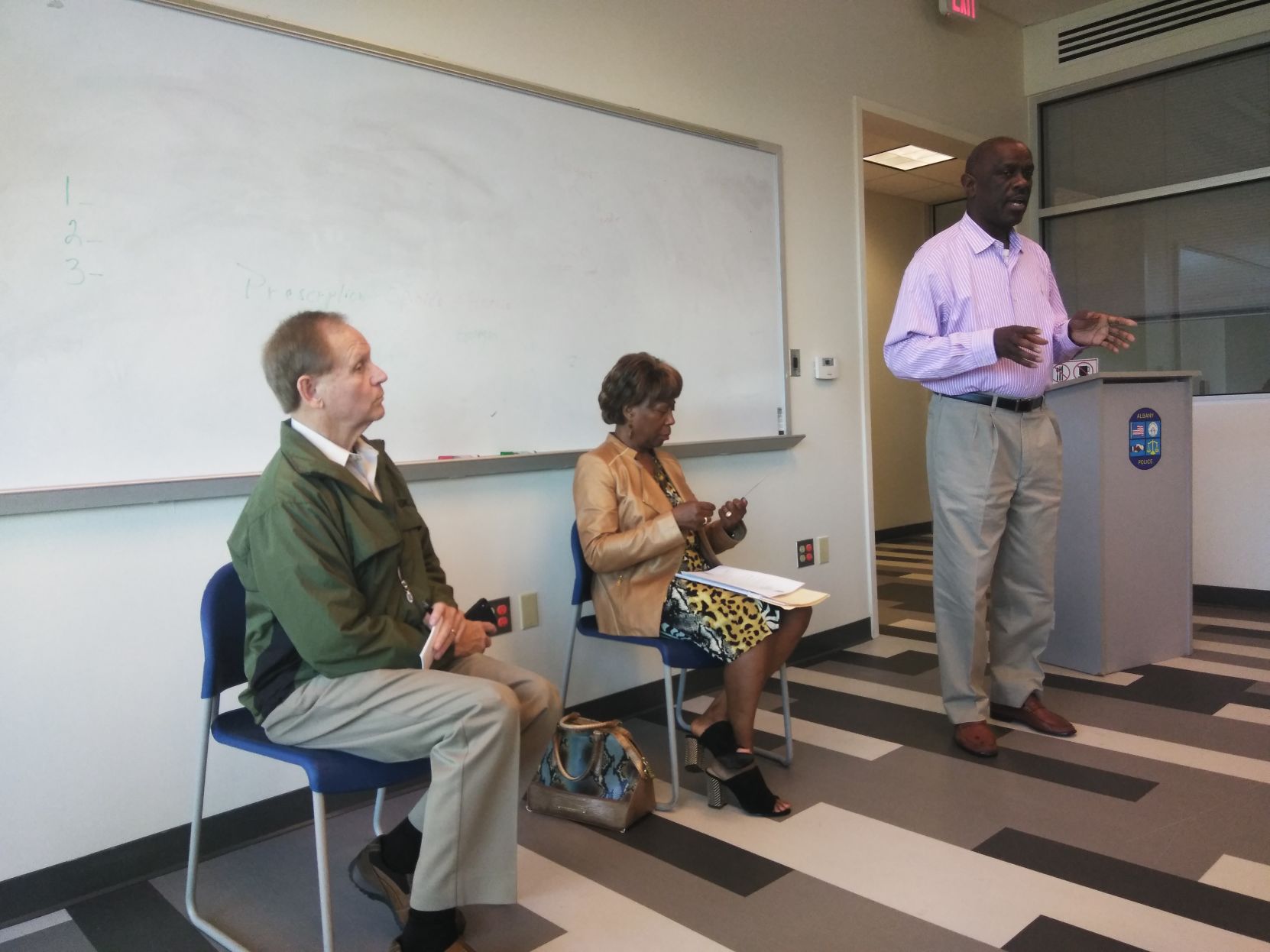
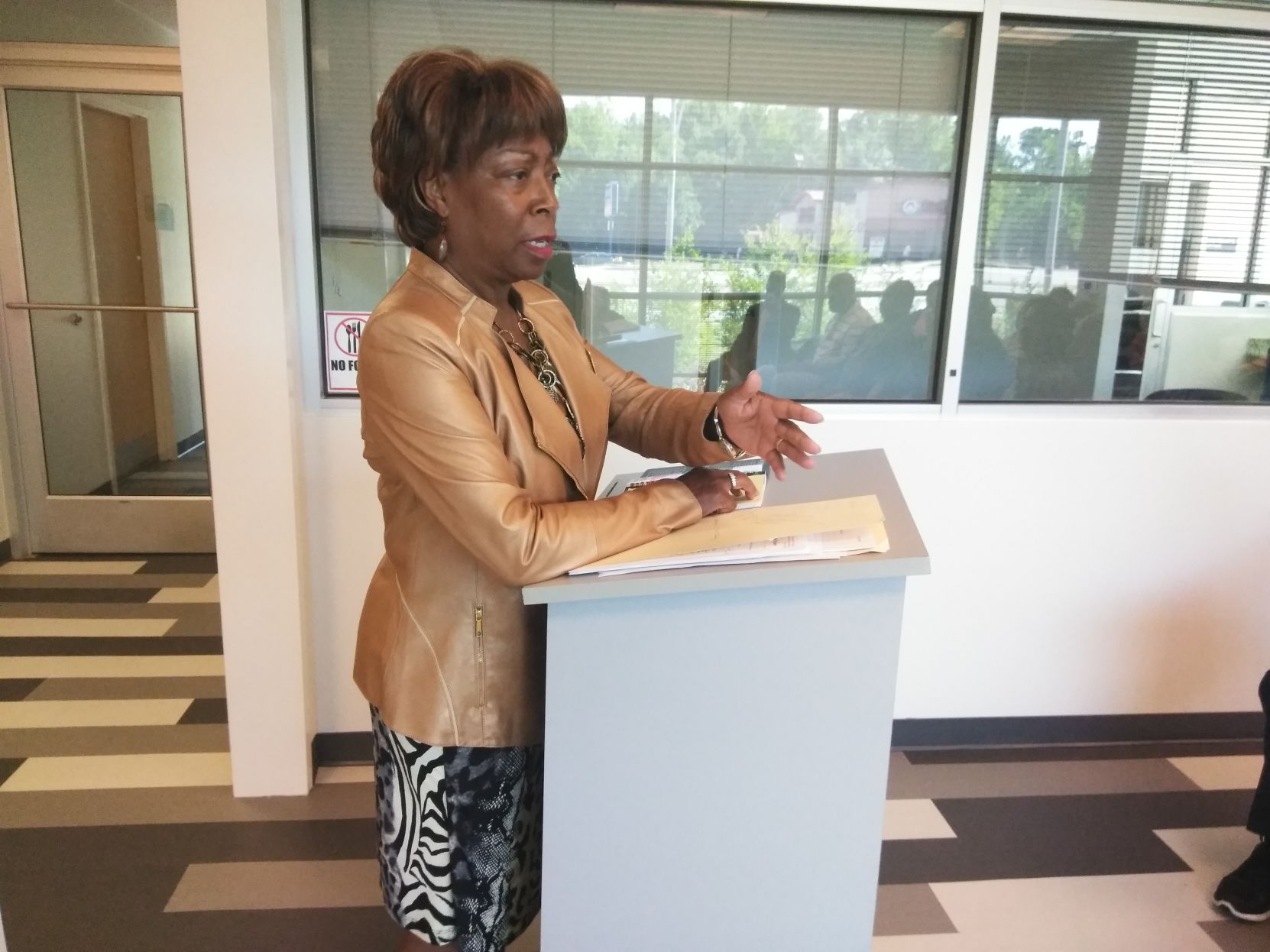
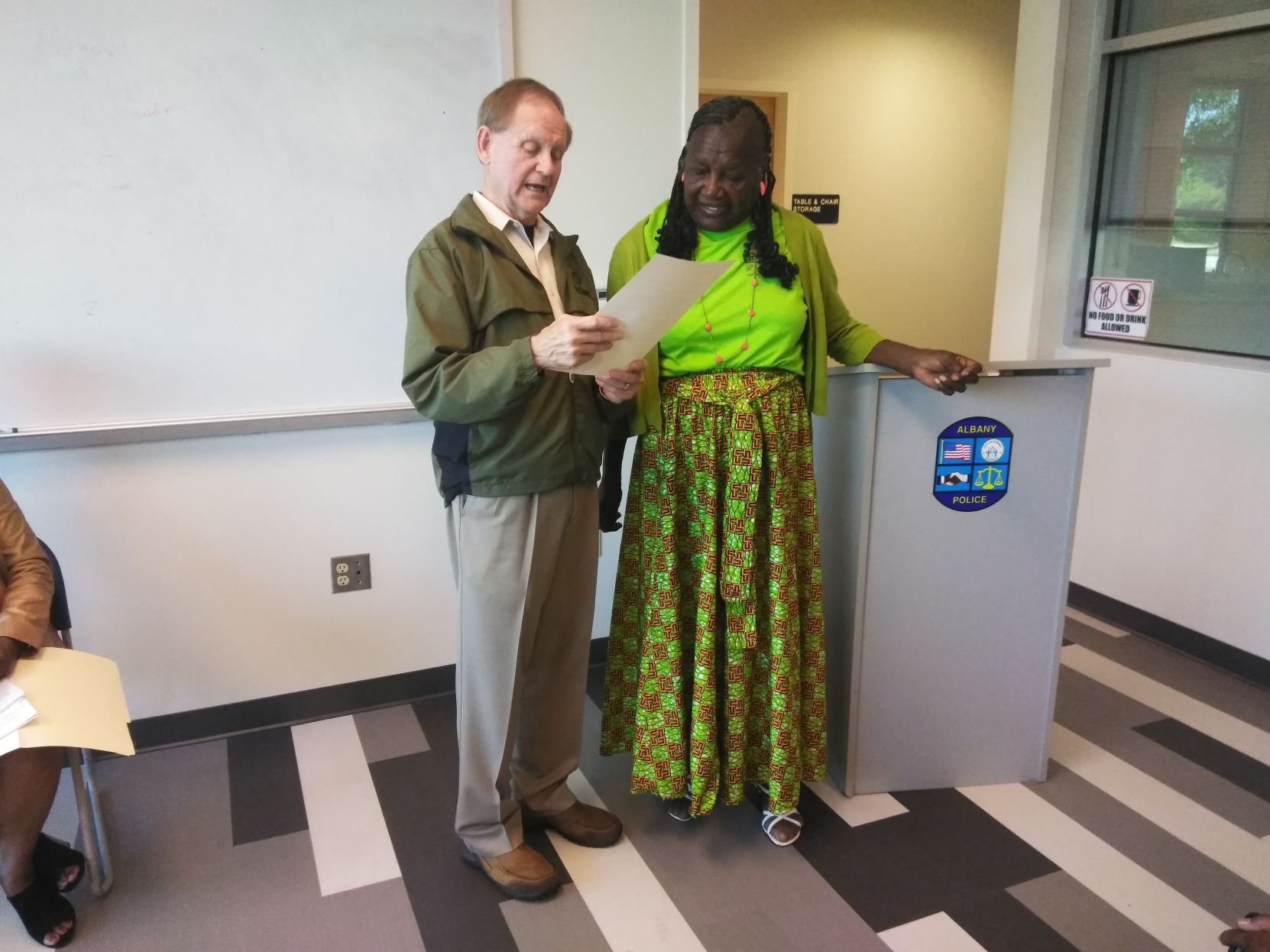
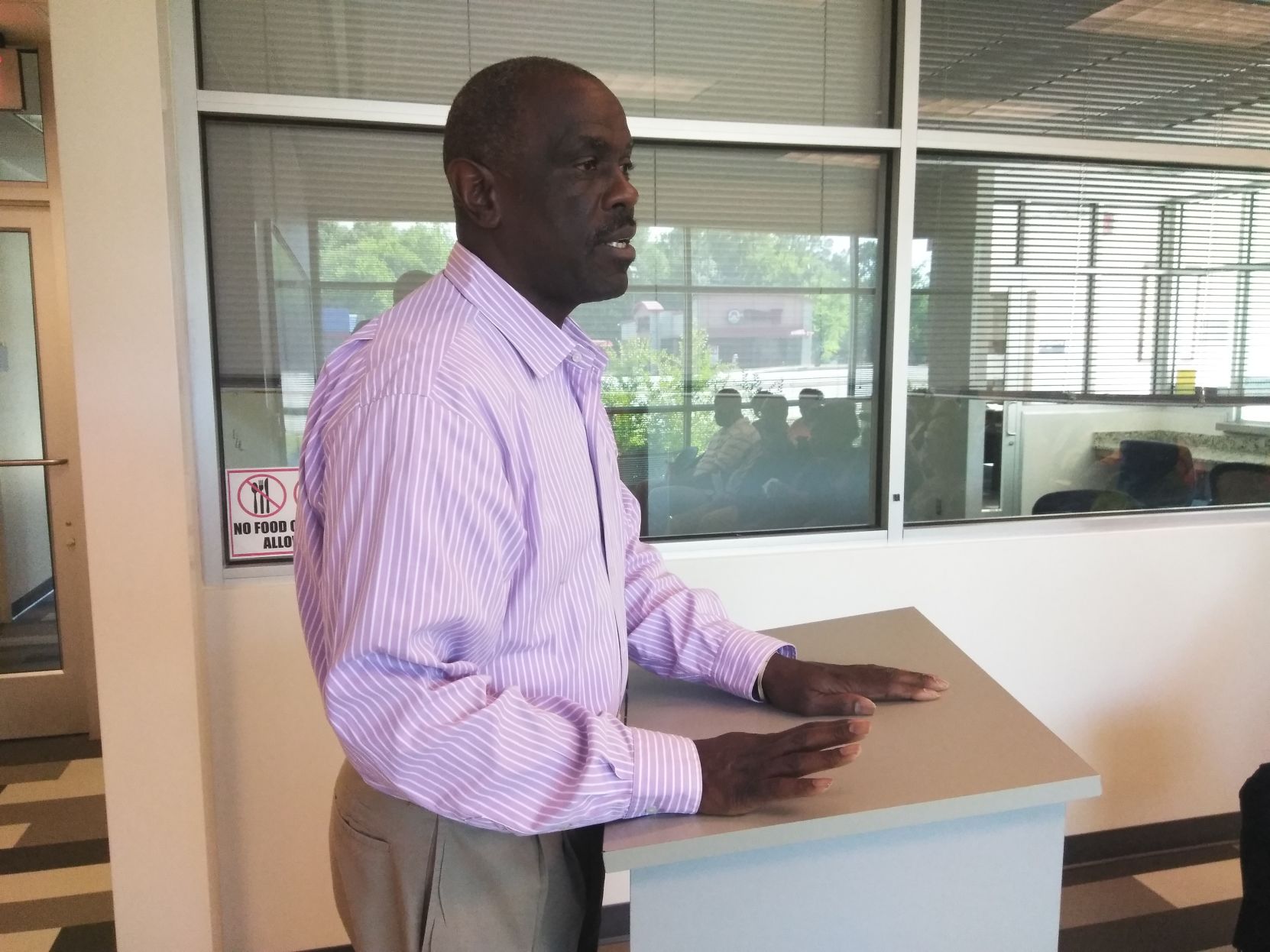
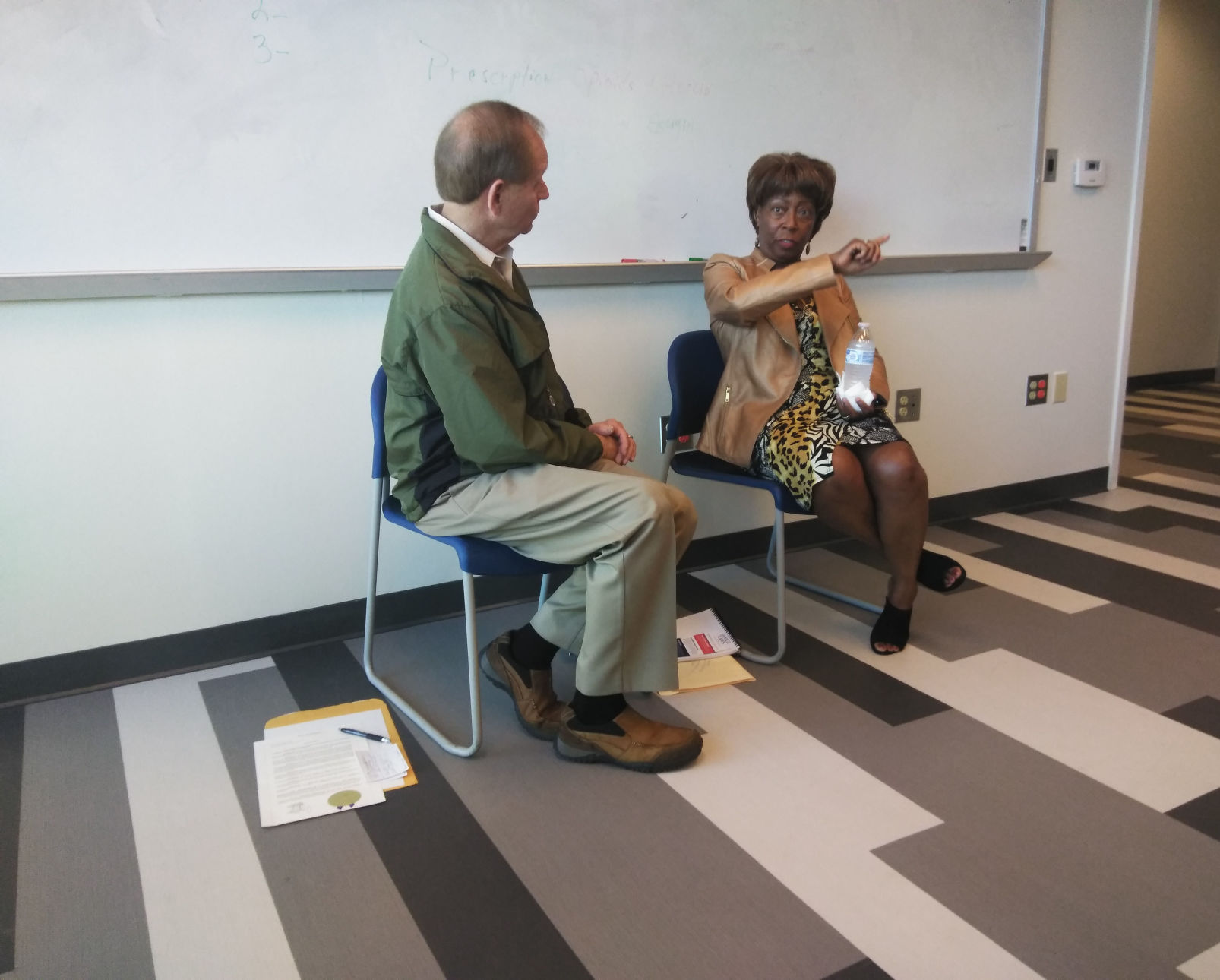
ALBANY — Ward I Albany City Commissioner Jon Howard, state Rep. Darrel Ealum and state Sen. Freddie Powell Sims held a town hall meeting on Saturday to update constituents on the status of the state budget and bills that impact the region. Gov. Nathan Deal has 45 days, according to Sims and Ealum, to sign the following bills and budget changes:
Bills
—HB 673, which will prohibit drivers from using their cellphones while driving and encourage them to use hands-free technology. A $50 fine for a first offence can be waived by presenting the judge with a receipt for a hands-free accessory, such as a phone mount;
— SB 406, which will require anyone working in a long-term care facility with senior citizens to complete a comprehensive, fingerprint-based background check;
— HB 834, which allows domestic violence survivors to break their lease without penalty;
— HB 381, which allows private property owners to work with city of Albany inspectors to determine if their mobile home is abandoned and derelict; if so, the owner can give the city permission to either dispose of the home or let it be used to create tax liens;
— HB 951, which will allow for people to study and earn a bachelor of science degree in rural community development in the University System of Georgia;
— SR 1064, which will create the Senate Study Committee on Continual Audit Exceptions on Local School Systems and require the local board of education to publish notice of irregularities or budget deficits.
Budget
— $26.1 billion dollars, “over 54 percent of which is dedicated to education,” according to Ealum;
— Fully-funded Quality Based Education (QBE), which equals close to $1.43 million for additional funding in Dougherty County;
— $45 million will go to help with the opioid issue;
— The Albany Advocacy Resource Center received more than $220,000 in additional funding;
— An extra $6 million will go to Aspire’s Behavioral Health Crisis Center;
— Federally-qualified health centers received an additional $500,000;
— The Governor’s Office of Transition, Support and Reentry and the Reentry Plan for Georgia Offenders to Reduce Recidivism and Support the Success of Returning Citizens will have $5.2 million more in funding;
— Georgia detention centers will get $39.2 million;
— $10.2 million will go to Georgia Virtual School;
— Regional Education service organizations will see an extra $13 million;
— $142 million has been allocated to public transportation, including school buses;
— Close to $22 million will go to the Governor’s Office of Student Achievement;
— The Dougherty County School System will receive $796,000 for AmeriCorps;
— $2 billion will be used to address maternal mortality in Georgia;
— The Forest Land Protection Act will provide the DCSS with $1 million in funds;
— Georgia Southwestern State University will receive $3.4 million to complete a project to make a building wheelchair-accessible;
— The Georgia Southwestern Railroad received $2.6 million in taxable bonds;
— The Heart of Georgia Railroad received $7.3 million in taxable bonds.
Related Articles
Congress weighs packaging bill with implications for Albany manufacturers
A congressional hearing this week on proposed national packaging-labeling standards could have implications for several of Southwest Georgia’s largest manufacturers, many of which produce or package products shipped across state lines.

Dougherty County Sheriff’s Office, GBI investigate inmate death
“The sheriff’s office will conduct an administrative investigation to determine if the staff response was appropriate. We have requested that the GBI conduct an investigation.”
Dougherty Jail graduates first class of female GED recipients
“It was an escape. I can say this has been challenging. I want to express my gratitude for being able to attend this program.”
