
MARY BRASWELL: Looking back at the origin of phrases
HISTORY: Being “read the riot act” was a real thing in 18th-century England
By Mary Braswell
Many of the sayings and phrases used freely in the English language mean literally what they say but others have developed over centuries from a wide variety of sources. So sit back and “let your hair down” as I try not to “rub you the wrong way” with the origin of commonplace sayings.
Let your hair down
— Aristocratic women of medieval times risked ridicule for going out in public without an elaborate hairdo. The styling could take hours to complete, followed by whatever the reason for “going out.” It was naturally a relaxing ritual to return home and let down the hair.
Rub the wrong way
— In colonial America, servants were required to wet-rub and then dry-rub wooden flooring, usually once each week. Doing so across the grain caused streaks to form and thus irritation to the homeowner.
Spill the beans
— In ancient Greece, beans were used to cast votes for candidates wishing to join this or that organization. One container for each candidate was set before the group members who would place a white bean in the container if he approved of the candidate. A black bean meant objection to the candidate. Occasionally someone would knock over a container, spill the beans and reveal the otherwise confidential vote count.
Over a barrel
— This term means a person has little to no choice, being under the control of another and dates back to the Spanish inquisition. A form of torture was to suspend someone over a barrel of boiling oil. The poor victim met the demands or else was dropped in the barrel. Again, not much choice for the one “over a barrel.”
Don’t look a gift horse in the mouth
— A horse’s gums recede with age, leading to longer teeth. A common way to inspect a horse’s “worth” is to check it’s mouth, hence the phrase. Receiving a horse as a gift and immediately inspecting its value (teeth) was, however, considered offensive, much like inquiring about the price of a present today is rude.
An apple a day keeps the doctor away
— The earliest recording of the phrase in 1866, states, “Eat an apple on going to bed, and you’ll keep the doctor from earning his bread.”
Mad as a hatter
— In 17th century France, those dealing in men’s hats would use mercury-laced compounds to shape and clean felt hats. The Mad Hatter’s Disease caused shyness, irritability and tremors that would make the person act in an unusual manner — or mad.
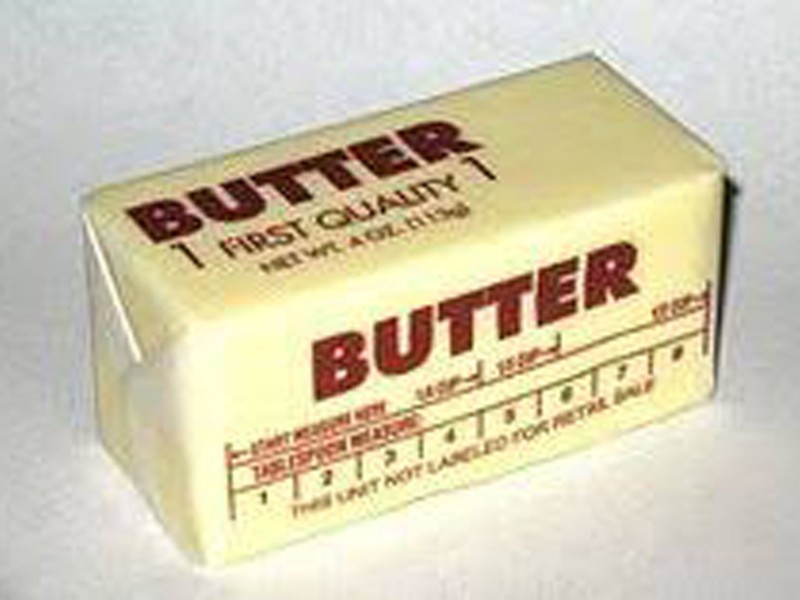
Butter someone up
— This was a common religious practice in ancient India. Worshippers would actually throw balls of cultured butter at the statues of their gods to seek favor and/or forgiveness.
Read the riot act
— In 18th-century England, the Riot Act was a real document. Instituted in 1715, the act gave the British government the authority to label any group of 12 or more people a threat to peace. The act was often read aloud to any crowd the government considered to be an angry mob, citing the need to disperse or face arrest or removal by force. In 1819, a Calvary unit attacked a group of protesters who appeared to ignore the act after its public reading.
Cat got your tongue?
— This saying has (at least) two possible sources. In ancient Egypt, blasphemers and liars sometimes had their tongues cut out and fed to the cats. No less appealing, the British Navy had a whip known as the “cat-of-nine-tails” used for flogging. It was said that the whip caused such pain as to take away the victim’s ability to speak, if only temporarily.
Cold feet
— This is a military term that actually means what it says. A soldier who had cold or frozen feet, a common problem until recent times of war, could not rush into battle. What appeared to be reluctance at times was simply the inability to move with any speed.
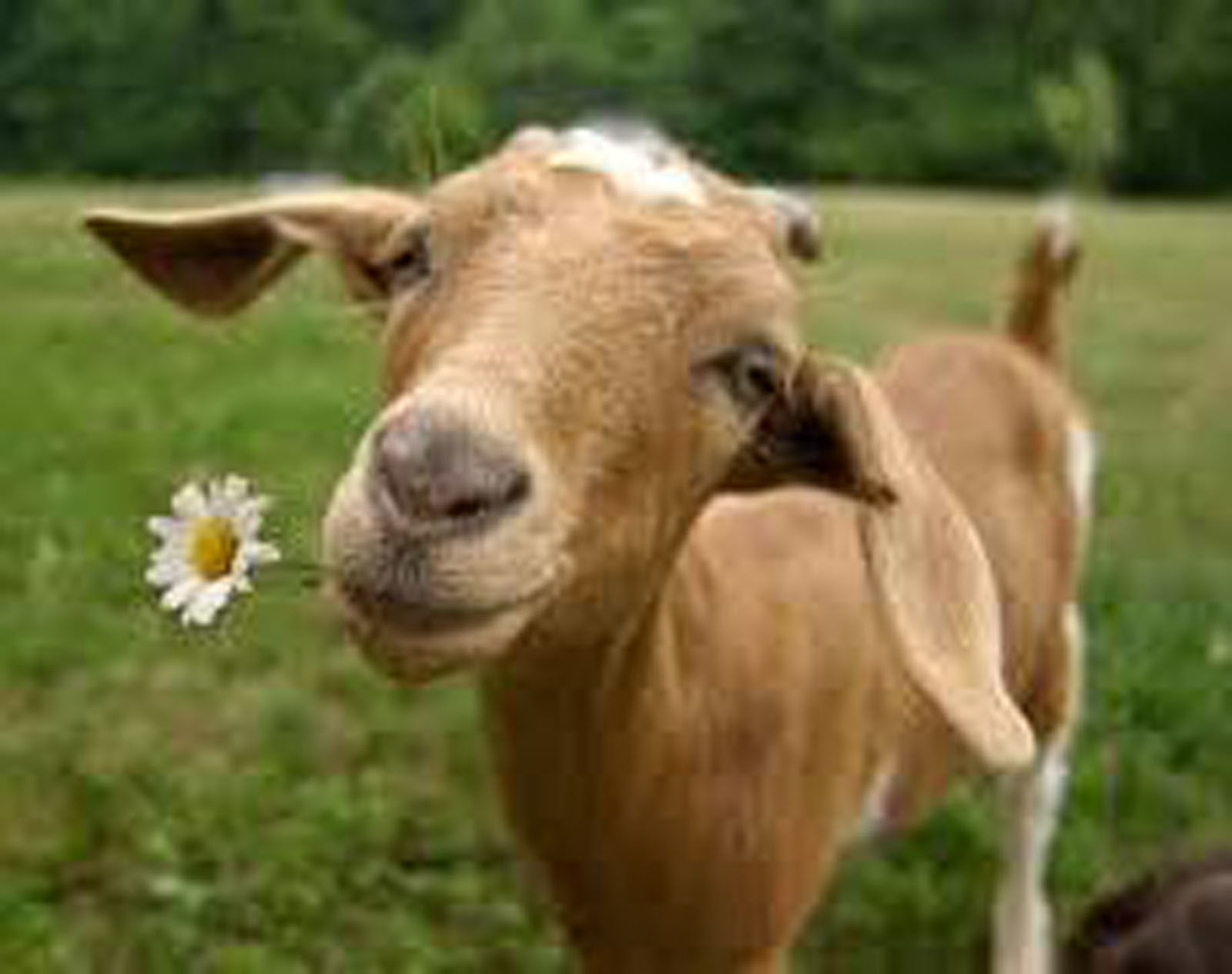
Get somebody’s goat
— In the much earlier days of horse racing, nervous mounts could be calmed down by placing a goat in the stall with them. Rival horse owners would sometimes steal, or “get,” these goats, thereby upsetting the horse (and owner) and making it less likely to win the next race.
Mum’s the word or keep mum
—The word “mum” comes from England meaning an unwillingness or inability to speak. A mummer does non-verbal pantomime. The saying was first recorded in 1704.
Pull out all the stops
— The “stops” are the knobs on an organ console. If the organist pulled them all out, he would be squeezing the most volume out of the instrument possible. And so, to achieve one’s maximum potential … he or she must pull out all the stops.
The hair of the dog that bit you
— The term now used for a hangover cure is a medieval saying, originating from the belief that once bitten by a rabid dog, the victim could be cured by applying the same dog’s hair to the wound. The first known use of it being applied to drinking was in 1546.
The acid test
— During the California gold rush, prospectors and dealers needed to be able to distinguish gold from base metal. The original acid test was developed in the late 18th century and relied on nitric acid’s ability to dissolve other metals more readily than gold. To confirm that a find was gold, it was given the “acid test.”
No spring chicken
— Farmers generally sold chickens in the spring. The newer chickens were considered more valuable, but sometimes a farmer would try to sell a chicken that had wintered-over as a spring bird. Clever buyers would declare the fowl as “no spring chicken,” and the term has come to represent anything or person past his or her prime.
Cold turkey
— This phrase means to stop something abruptly. Common examples include smoking and/or drugs. At some point in history, it was believed that a drug addict’s skin turned translucent, hard to touch and covered with goose bumps without his or her drug of choice — much like that of a freshly plucked turkey.
Southern specialties — a delightful choice of words
Irritable people
— She could start an argument in an empty house.
— He’s about as useful as a screen door on a submarine.
— This mess just dills my pickle.
On lying/liars
— That man is talking with the tongue outta his shoe.
— That dog won’t hunt.
— You’re lyin’ like a no-legged dog!
Lacking intelligence
— If brains were leather, he wouldn’t have enough to saddle a June bug.
— If that boy had an idea, it would die of loneliness.
— She’s so dumb, she could throw herself on the ground and miss.
Watch out!
— I’ll hit you so hard you’ll see tomorrow today.
— Keep it up and I’ll cancel your birth certificate.
— You better give your heart to Jesus, ‘cause your rear-end is mine.
Just a few more …
— If everything is going your way, you’re in the wrong lane.
— Excuses are like backsides. Everybody’s got one and they all stink.
— You’re gonna have old and new-monia dressed like that!
— I am as nervous as a cat in a room full of rocking chairs.
Words of wisdom … Southern-style
“Just hold your horses and quit trying to run with the big dogs. Everybody gets the short end of the stick now and again, there’s no need to pitch a hissy fit. Now, bless your heart, come over here and give me some sugar.”
QUIK QUIZ answer: d) in the military…World War II fighter pilots were provided with a nine-yard chain of ammunition. When a pilot used all of his ammunition on one target, he gave it “the whole nine yards.”
Each week Albany Herald researcher Mary Braswell looks for interesting events, places and people from the past. You can contact her at (229) 888-9371 or [email protected]. Follow @ABH_MBraswell on Twitter.

Related Articles
My Grandpa Was Killed in World War II. I Met Him Through His Letters Home
Gina Wolf’s grandfather died before she was born. His letters sent to her grandmother from Europe during World War II made it possible to know what kind of man he was.

‘Sounds Like a Mutiny.’ Secret Recording Exposes Claims of Toxic Leadership After a Marine’s Suicide
This week’s War Horse story follows the systemic failures before and after the death of Cpl. Drew Mobley who was the third in two years at Marine Corps Base Quantico to die by suicide.

Southwest Georgia artists recognized at packed opening of exhibition
The annual juried exhibition, one of the region’s largest showcases of visual art, features approximately 46 artists and nearly 90 works spanning painting, sculpture, ceramics, photography and mixed media.
