
First loggerhead turtle nest of the year found on Cumberland Island
Since 1989, the figures from nest surveys have ranged from 358 in 2004 to 3,289 in 2016

From Staff Reports
BRUNSWICK — The National Park Service staff documented the first loggerhead nest of the year on Cumberland Island Tuesday morning, the fifth straight year that honor went to Georgia’s southernmost barrier island.
Georgia Department of Natural Resources Sea Turtle Program Coordinator Mark Dodd said loggerhead nesting usually begins in early May and hits full stride by June.
“It’s an annual ritual, part of spring on the coast in Georgia,” Dodd said. “Everybody’s excited.”
Officials said part of the excitement is due to the recovery of loggerheads, the state’s primary marine turtle and a protected species federally listed as threatened. Georgia’s 2,155 nests in 2017 were the state’s fourth-most since comprehensive surveys began in 1989.
Analysis shows nesting increasing by about 3 percent a year in Georgia. Nesting in Florida and the Carolinas is also trending upward. Like other marine turtles, loggerheads — named for their massive heads — crawl ashore on barrier island beaches, dig a hole at the base of the dunes and lay their eggs, usually at night.
The Georgia Sea Turtle Cooperative, a DNR-coordinated network of about 200 volunteers, researchers and agency employees, patrol beaches daily during nesting season. Working under a federal permit, members mark, monitor and protect all nests, including species that seldom nest in the state such as green and Kemp’s ridley.
Dodd expects nesting to be above average but below the record from 2016. Nesting varies annually.
“We generally see two medium nesting years following a record year,” Dodd, a senior wildlife biologist with DNR’s Nongame Conservation Section, said.
In preparation for the season, Dodd and his staff have been training interns, working with volunteers and partner agencies and organizations, and teaming with DNR’s Law Enforcement Division. Game wardens enforce regulations, including the use of turtle excluder devices in commercial shrimping.
National Park Service wildlife biologist Doug Hoffman discovered the year’s first nest on Cumberland. As with other nests, one egg — less than 1 percent of the average clutch size on the island — was collected for University of Georgia genetic analysis documenting the number and relatedness of loggerheads nesting on the state’s coast. The nest was then covered with a screen to protect the eggs from coyotes and other predators.
DNR’s Nongame Conservation Section works to conserve sea turtles and other wildlife not legally fished for or hunted, as well as rare plants and natural habitats. The agency does this largely through public support from fundraisers, grants and contributions.
Key fundraisers include sales and renewals of the eagle and hummingbird license plates. These tags cost $25 more than a standard plate to buy or renew. Officials said up to $20 of that fee goes to help wildlife.
All marine turtles in Georgia are protected by state and federal law. To help conserve these species:
— Minimize beachfront lighting during sea turtle nesting season. Turn off, shield or redirect lights.
— When walking the beach at night, don’t use flashlights and flash photography. They can deter turtles from coming ashore to nest or cause them to abort nesting.
— Those who encounter a sea turtle on the beach should remain quiet, still and at a distance.
— Leave turtle tracks undisturbed. Researchers use them to identify the species and mark nests for protection.
— Properly dispose of garbage. Turtles may mistake plastic bags, Styrofoam and trash floating in the water as food and die when this trash blocks their intestines.
— Remove recreational equipment such as lounge chairs and umbrellas from the beach at night. They can deter nesting attempts and interfere with the seaward journey of hatchlings.
— Protect beach vegetation that stabilizes sand and the natural coastline.
— When boating, stay alert and avoid turtles. About 31 percent of the sea turtles found dead or hurt in Georgia in 2017 suffered injuries consistent with being hit by a boat. Boaters who hit a sea turtle are urged to stand-by and immediately contact DNR at 800-2-SAVE-ME (800-272-8363).
— Report any dead or injured sea turtles seen at 800-272-8363. If the turtle is tagged, include the tag color and number in the report if possible.
Anglers who hook or entangle a sea turtle should call DNR at 800-272-8363. They should also keep hands away from the turtle’s mouth and flippers, safely land the turtle using a net or by walking it to shore, avoid lifting the turtle by the hook or by pulling on the line, leave the hook in place and keep the turtle out of direct sunlight and cover it with a damp towel.
If an angler cannot reach DNR, cut the line as short as possible and release the turtle.
The loggerhead is the most common turtle on Georgia’s coast, and can top 350 pounds and sport a carapace up to 44 inches long. Eggs hatch in 55-65 days, after which they scramble for the water and begin their journey. The species has been federally listed as threatened since 1978, and Georgia DNR reclassified loggerheads in the state from threatened to endangered in 2006.
Since 1989, the figures from nest surveys have ranged from 358 in 2004 to 3,289 in 2016.
Related Articles

Federal agency to investigate Monday paragliding fatality
The death of a 63-year-old man who was killed in a paragliding accident on Monday is under investigation by the National Transportation Board, according to Dougherty County Coroner Michael Fowler.
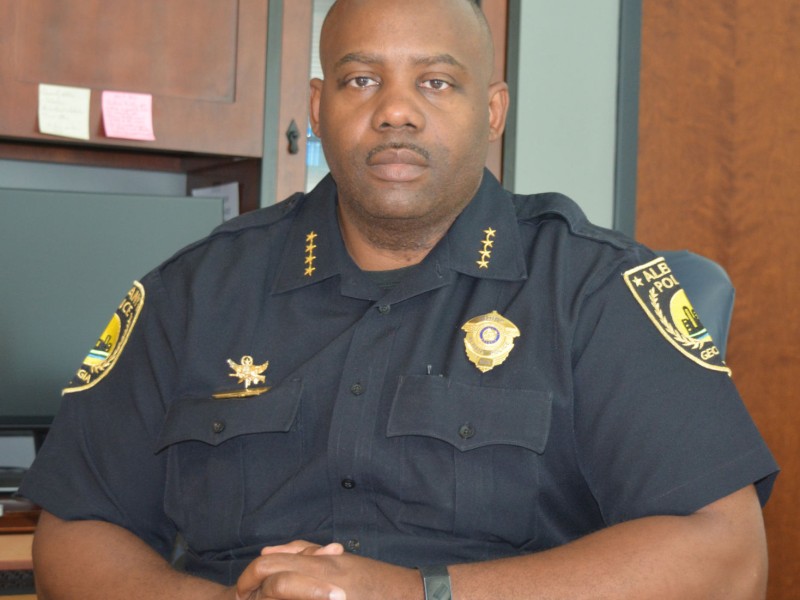
Audit of police surveillance cameras results in arrests of five former APD officers
“The bottom line is when we find people who have misused resources that they have, we’re going to hold them accountable. These resources help fight crime, but we will not tolerate when they are misused.”
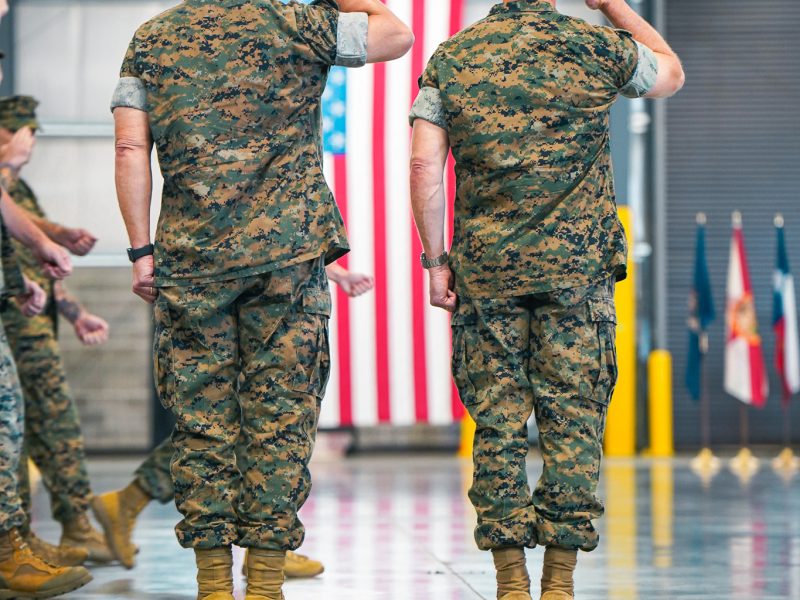
New commander takes helm as Marine Corps logistics adapts to evolving battlefield
Brig. Gen. Kevin G. Collins assumed command of Marine Corps Logistics Command during a change of command ceremony at Marine Corps Logistics Base Albany, succeeding Maj. Gen. Keith D. Reventlow after four years leading the organization responsible for sustaining Marine forces around the globe.
