
NCAA hits Georgia Tech men’s basketball hard with four-year probation, postseason ban
From staff reports
Georgia Tech’s men’s basketball program was hit hard by sanctions Thursday from the NCAA, which ruled that two Yellow Jacket boosters provided impermissible benefits.
Tech was placed on probation for a four-year period, and was banned from the 2019-20 postseason. Other penalties included a fine of $5,000 plus 2 percent of the men’s basketball program budget, a reduction of one scholarship during each probation year and a list of recruiting restrictions.
Those recruiting limits include an eight-week ban on unofficial visits, a three-visit reduction from the permissible number of official visits, an eight-week ban on recruiting communications, a reduction of 19 recruiting-person days from the permissible number and a prohibition of scheduling official visits during home men’s basketball games for two years.
The men’s basketball program also must forfeit any wins that were attained with players deemed ineligible.
“As athletics director and an alumnus, I regret and I am embarrassed that these violations occurred at Georgia Tech and agree with the NCAA that these actions have no place in collegiate athletics,” Georgia Tech director of athletics Todd Stansbury said in a school release. “In the two years since I have been back as athletics director, I have been committed to NCAA rules compliance and ethical behavior as an integral part of our culture at Georgia Tech as I have throughout my entire career. We took swift action when we learned of these rules violations and cooperated fully with the NCAA investigation.
“As part of this two-year process, we have reiterated throughout our organization that violations of NCAA rules will not be tolerated and have implemented a series of additional educational measures and reviews within our standard processes that emphasize our commitment to complying with NCAA rules.”
Names weren’t included in the NCAA release, but the investigation into head coach Josh Pastner and the men’s basketball program centered around former assistant coach Darryl LaBarrie and Ron Bell, a former friend of Pastner. The allegations against Bell involved providing illegal benefits to former Tech players Josh Okogie (a Shiloh grad) and Tadric Jackson (from Tift County).
“Both sets of violations occurred because men’s basketball coaching staff members invited outside individuals into their program,” the NCAA Division I Committee on infractions released regarding its decision. “They permitted these outside individuals to interact with their student-athletes, and those actions resulted in violations.”
Tech still has a chance to appeal the NCAA sanctions.
“While we regret that these violations have occurred and appreciate the NCAA Committee on Infractions’ work on this case, we are disappointed with the severity of the penalties imposed, some of which will have a direct and unfair impact on current student-athletes,” Stansbury said. “We are exploring our options and giving serious consideration on whether to appeal some aspects of the decision.”
The first set of violations resulted from the recruitment of a highly touted prospect, according to the committee. While the prospect was on campus for his official visit, a former assistant coach arranged for the prospect and his student-athlete host to interact with a booster, who was a former Georgia Tech basketball student-athlete and at the time played for the local NBA team. The plans included a visit to the booster’s home, a trip to a strip club and a free meal at a lounge owned by a local NBA player. The booster got the prospect and host into the club without paying a cover. Once inside the club, the booster provided the prospect and the host with $300 each to spend at the club.
The committee stated firmly that adult entertainment has no place in the recruiting process because coaches and others in a position of trust are responsible for the well-being of high school students visiting their campus.
The former assistant coach violated NCAA ethical conduct rules when he did not cooperate with the investigation. After initially denying any involvement during his first interview with NCAA enforcement staff, the former assistant coach admitted that he arranged the impermissible activity with the booster. The former assistant coach also tried to get the student-athlete host to lie about what happened, according to the committee.
Shortly after the prospect’s official visit, the committee said another outside individual who was with a friend of the head coach began interacting with men’s basketball student-athletes. The committee found that the head coach repeatedly cautioned the booster never to provide anything to student-athletes. Despite this caution, the committee said the booster provided two men’s basketball student-athletes and a potential transfer student-athlete with $2,424 in shoes, clothes, meals, transportation and lodging. The booster directed the student-athletes to never tell the head coach about the gifts and benefits.
The booster also engaged in impermissible recruitment when he texted and called the potential transfer student-athlete. The potential transfer was a student-athlete from the head coach’s previous school, and the booster had maintained a personal friendship with him. The booster made the head coach aware that he continued to communicate with the potential transfer, but the head coach did not report any concern to the compliance office because he did not believe his friend triggered booster status.
When the head coach’s friendship with the booster ended abruptly, the booster informed the head coach about the impermissible benefits provided to the two student-athletes. The head coach immediately notified the associate athletics director and chief compliance officer about the violations when he learned about them.
Related Articles
Braves take AJ Gracia with No. 9 pick
The Braves took AJ Gracia with the first of their two first-round selections (ninth overall) in the 2026 MLB Draft on Saturday afternoon.
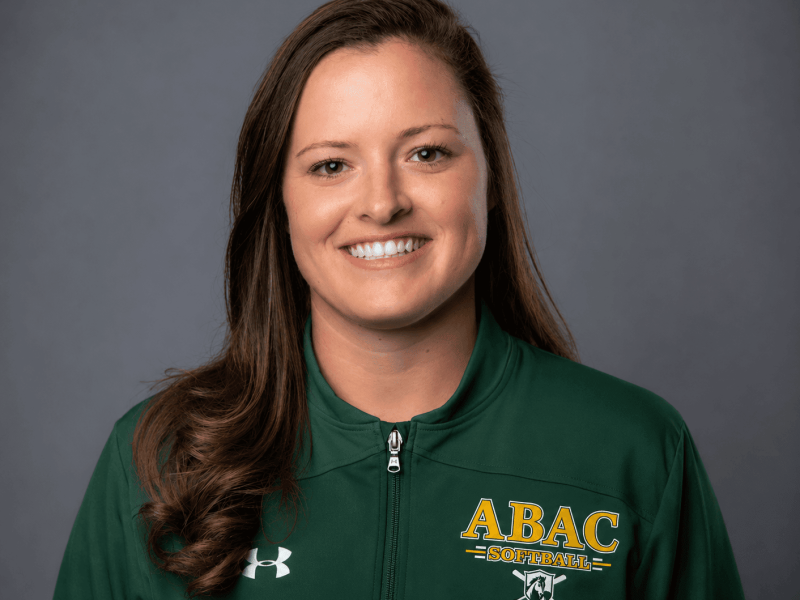
ABAC welcomes Cara Parker as head softball coach
Cara Parker has joined Abraham Baldwin Agricultural College as the new head coach of the Fillies softball team.
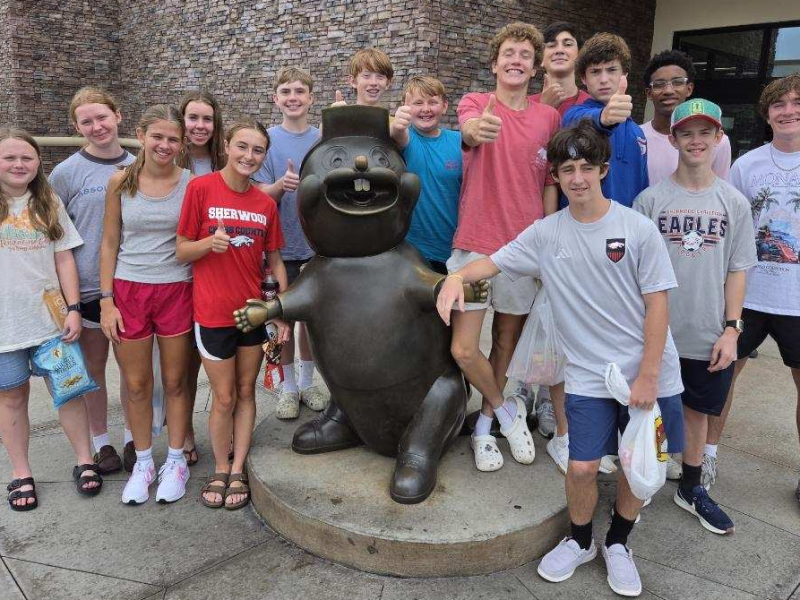
Championship expectations return to Sherwood
Winning a state championship is difficult.
