
UGA supports African research for breeding climate-adapted peanuts
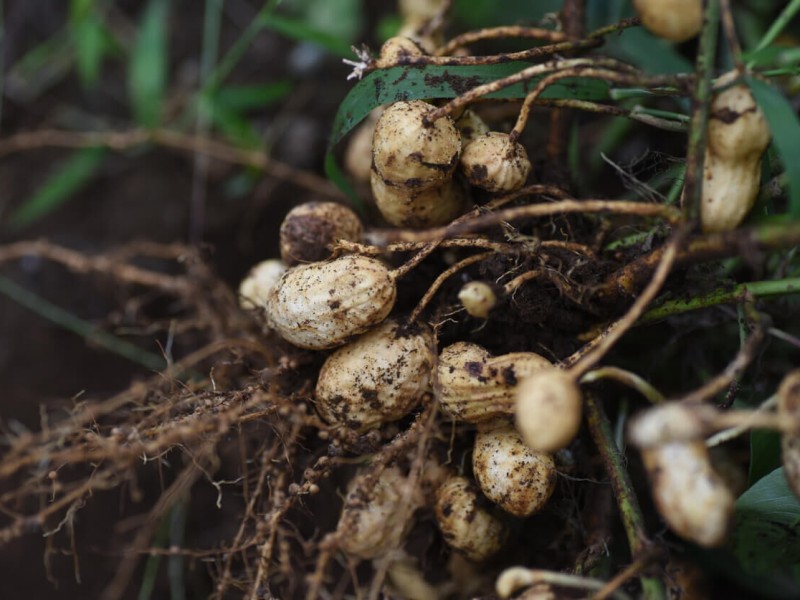
Special Photo; UGA/CAES
Special Photo: UGA/CAES
By Allison Floyd
UGA/CAES
ATHENS — More than 4,000 miles separate the capital cities of Senegal in West Africa and Uganda in East Africa. If you drove eight hours a day, it would take you more than two weeks to make the journey.
Yet both countries grow peanuts and, like other countries across Africa, farmers there rely on peanuts as a food and cash crop and a valuable part of good crop rotation.
Five years ago, the researchers who help those farmers — plant breeders from Uganda, Senegal and seven other African countries — formed an organization called the Groundnut Improvement Network for Africa, or GINA, to work together. With technical guidance and organizational support from the University of Georgia and other U.S. institutions, that group is developing peanut varieties that help African farmers deal with plant diseases and climate change.
Peanuts are called groundnuts in much of the world and are an important part of local cuisine across the African continent. Mothers add peanut paste to toddlers’ cereal to give them more protein. Peanut soup is a savory favorite for adults. And children and adults snack on peanuts because they are easy to carry and don’t spoil.
In many areas, the farmers who grow peanuts don’t have access to irrigation or the chemicals to control diseases. They need peanut varieties that can withstand plant diseases and mature before drought occurs.
Those traits come from the genes of the plant, so GINA partners banded together to collect many of the varieties grown across Africa, evaluate those varieties using the latest genomic technology, and share the collection across the continent, giving plant breeders a larger collection of genes to work with.
“The biggest limitation in plant breeding is genetic diversity. You can only add traits that are in the genome of the varieties available to you,” Dave Hoisington, the director of the Feed the Future Innovation Lab for Peanut, said.
The Peanut Innovation Lab is funded by the U.S. Agency for International Development and headquartered at UGA’s College of Agricultural and Environmental Sciences.
“So the first thing we needed to do was to learn how much diversity is out there by compiling peanut lines that are grown across Africa.”
Once, the African groundnut breeders compiled their most promising lines (over 1,000 in total), Peggy Ozias-Akins’ lab in Tifton genotyped them, with the support of HudsonAlpha Institute for Biotechnology in Huntsville, Ala., and a senior researcher there, Josh Clevenger, who worked in Ozias-Akins lab while completing his doctorate and as a postdoctoral researcher.
“The Groundnut Improvement Network for Africa is one of the most profound things I think I’ll witness in my lifetime,” Clevenger said. “Working together, scientists across an entire continent are making a difference for the people of their own countries.”
The GINA countries — Senegal, Ghana, Togo, Mali and Niger in West Africa and Uganda, Malawi, Mozambique and Zambia in East and Southern Africa — met in 2021 to review the data and choose a collection of varieties that represents the range of diversity in peanut grown in Africa. Described in the journal G3 Genes Genomics Genetics late last year, they named the set of 300 lines the “GINA core collection” and distributed it across the continent for plant breeders to grow and look for traits they want.
That means a plant breeder in Malawi (in Southern Africa) might be growing a variety from Senegal (in much drier West Africa) to cross it with a local variety that needs more drought tolerance. At the same time, plant breeders can look into the future to see how the varieties that their local farmers grow will fare in changing climate or new disease pressure.
One of the earliest successes of the GINA network is in the fight against groundnut rosette disease, a virus complex that is spread by aphids. The disease hasn’t reached U.S. fields, but it is spreading across Africa and can devastate peanut crops along the way.
The network and the work they do also could be very important to U.S. growers if GRD appears here. Georgia farmers can’t know how susceptible the varieties grown here are to GRD, but considering how the disease wipes out fields in Africa, it’s likely that the disease would bring an economic disaster here.
The more plant breeders know about genetic resistance to the disease, the quicker they can respond, whether in Africa or the U.S.
GINA has grown to 13 countries, which collaborate with the Peanut Innovation Lab, Hudson Alpha and the Wild Peanut Lab at UGA, which uses the wild relatives of modern peanuts to add more diverse genes to the plant.
By working together, the group is empowering individual scientists to respond quickly to climate change and other environmental pressures, easing food insecurity and improving farmers’ livelihoods. Learn more at youtube.com.
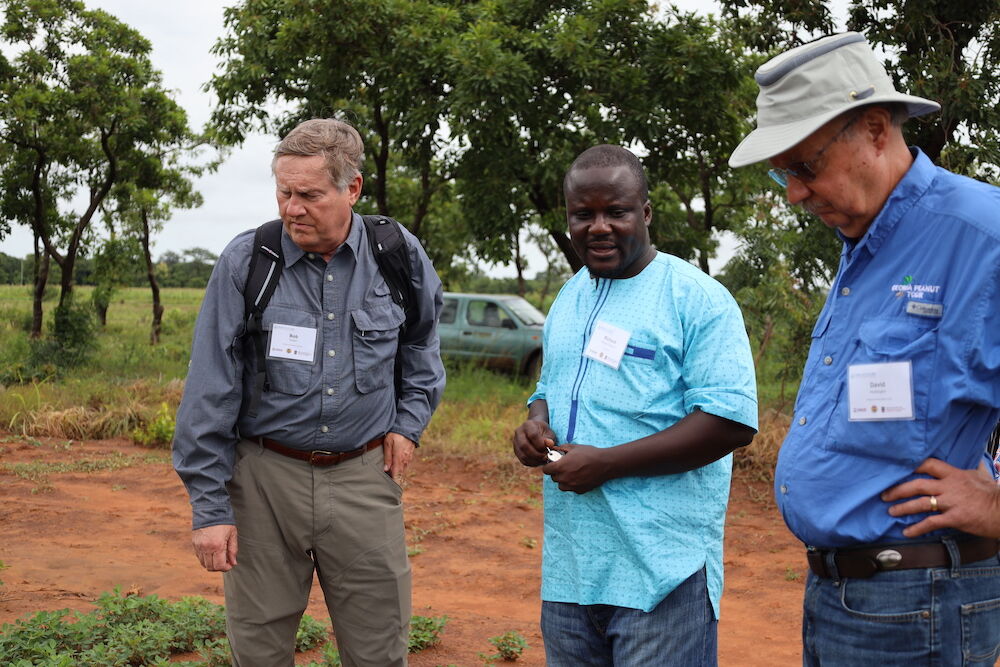
Author

Related Articles

Terrell County invites community to celebrate Independence Day with July Fest
Families from across Southwest Georgia are invited to gather in Dawson on July 4 for an afternoon of food, fellowship and fireworks as the Terrell County Recreation Department hosts its annual July Fest celebration.

DOT says delay in Oglethorpe Bridge opening should be brief
“We know it’s not going to be July 22. We don’t think it’s going to be much later than that.”

City of Albany has big July 4 celebration planned for Saturday
“It’s going to be a lot of moving and shooting them off in a short time. It’s going to be a big show.”
