
Audit: Lee County emerges from Fiscal Year 2021 with $4.2 million surplus
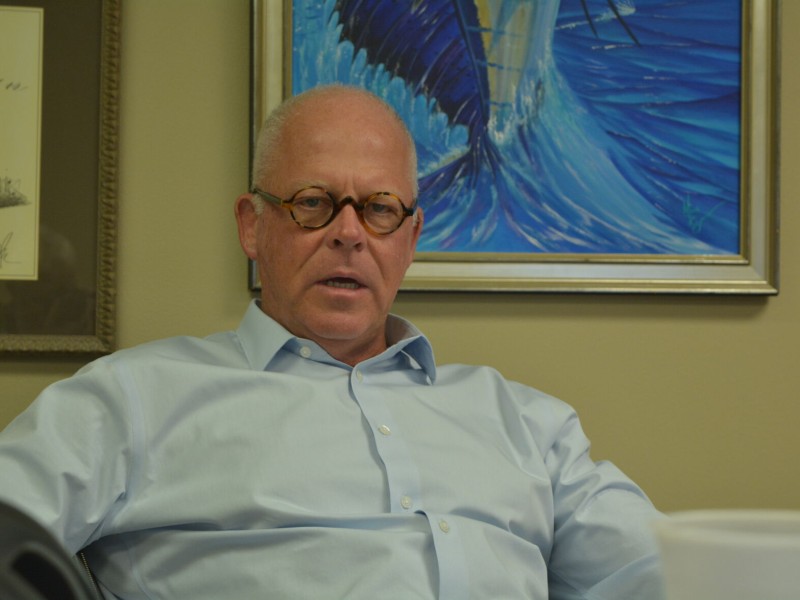
File Photo: Carlton Fletcher
By Carlton Fletcher
carlton.fletcher
@albanyherald.com
LEESBURG — It hasn’t been, in days before the coronavirus pandemic, really that big of a deal for a local government to emerge from a year of community business with a glowing fiscal audit.
You have a budget, you pretty much stick to it, and if there are no major calamities, you come out smelling like roses.
But the world is no longer pre-pandemic. We are living in the age of COVID-19, a time in which general rules of thumb have been tossed out the proverbial window. A fairly clean audit now — one in which there are no large red numbers flashing along the bottom lines — is something worth noting.
And so it was, when the Lee County Commission recently received not just a clean audit, but one that stands as a shining example of how a government focused on fiscal responsibility should operate.
Lee County emerged from pandemic-laden Fiscal Year 2021 with not just a clean spending record but with a $4.2 million surplus. And that’s on a $26 million budget, a surplus equal to almost 25% of the county’s budget.
Lee Commission Chairman Billy Mathis said that glowing audit was no mere happenstance.
“We had a great audit, but that’s because we had a board of commissioners, a finance director, department heads and employees who worked within our budget,” Mathis said. “We work very hard to put together a realistic budget, and we watch every penny.”
Lee County’s finance director, Heather Jones, also praised county leaders for the “team effort” that led to the glowing audit, which also saw the county increase its “rainy day” reserve fund balance to $16 million, a dramatic increase of almost 60% just over the past two years.
“There are several reasons for the surplus,” Jones said. “Some of that money — $1.3 million — is federal funding, but we don’t really count that because it’s a one-time thing. We had an increase in tax revenue because our population increased and our LOST (local-option sales taxes) revenue increased. A lot of that had to do with the passage of a law in April that allowed counties to start collecting taxes on online purchases.
“We were also fortunate that our citizens passed a T-SPLOST (transportation special-purpose local-option sales tax) in 2019. Money for work on our roads and other transportation projects that had been coming out of our general fund was paid for through this fund. We had these increases in revenue, but we managed to keep our expenses relatively the same. And there were no decreases in services we provided.”
Still, Mathis noted, the county did not scrimp on employee salaries.
“We gave our employees about $1 million in raises this year,” he said. “We started by targeting our certified folks; that’s how we keep the good ones we’ve hired and lure others to work for us.”
Mathis said the county’s budget process is a relatively simple one.
“We take the previous year’s budget, look at anything we know will change and at one-time expenses, and we work from there,” he said. “We’re fortunate going into the process that we’re working with a good budget. Usually 85% of the next year’s budget is going to be the same.
“But we also have our departments come up with a five-year plan so that we know what to expect next year, two years from now, three years. … In the past, there would be budget meetings, and, say the Sheriff’s Office, would say, ‘We need three new cars this year.’ No one knew going in. That’s not the way to do a budget. You have to plan and stick with your plan.”
The Lee Commission chairman said that, barring some unforeseen issue or issues, the county should continue to prosper.
“We’re in good shape right now, as good a shape as the county’s ever been in,” he said. “We’re still a growing county, and we’ll grow our government as the county grows. But we’ll do it the right way, with a plan in place.”
Related Articles

Dougherty school board vacancy, election lawsuit leave voters facing uncertainty
Dougherty County School Board members acknowledged Thursday that they must address a District 4 vacancy after Melissa Strother resigned. Meanwhile, a court challenge to the May primary alleges scanner malfunctions, mishandled ballots and incomplete election records.

A great-grandmother’s influence inspires new Albany boutique
The giant pink azaleas painted on the bright white facade of Millie’s are a tribute to a woman who taught Sydney Kate Tye how to dress, how to work and how to care for people. Inside, a couch that belonged to Millie Daughtrty and her husband is part of the plan for a store built around relationships — past, present and future.

Lee commissioners back $200M hospital bond plan, separately OK $122K for utility engineering
Lee County commissioners approved a financing plan Tuesday allowing up to $200 million in revenue bonds for the proposed hospital at Grand Island and separately approved $122,000 for engineering work to extend water and sewer service to the site.
