
UGA researcher tests utility of farm drones in Moultrie
Staff Photo: Alan Mauldin
By Alan Mauldin
[email protected]
MOULTRIE — Today’s farm isn’t your grandfather’s, and agriculture today features technology not dreamed of a few decades ago. From spray applicators that drive themselves and apply chemicals where needed to a farmer having control of far-flung irrigation pivots on a cellphone, agriculture has claimed its place in the high-tech world.
Among the game-changing equipment now available are drones, which can cast a wide net of a camera over acres and acres of crops. Those eyes in the sky can survey and monitor the condition of the plants, alerting farmers to the presence of disease or spots where more or less water is warranted.
A current University of Georgia project is looking at whether drones can be effective in treating small areas in a field with aerial applications of herbicides and fungicides where a large application isn’t needed.
“This is not something that is going to replace ground or aerial application,” UGA Assistant Professor Simerjeet Virk said. “I think one of the applications where this is really a good fit is in spot applications.”
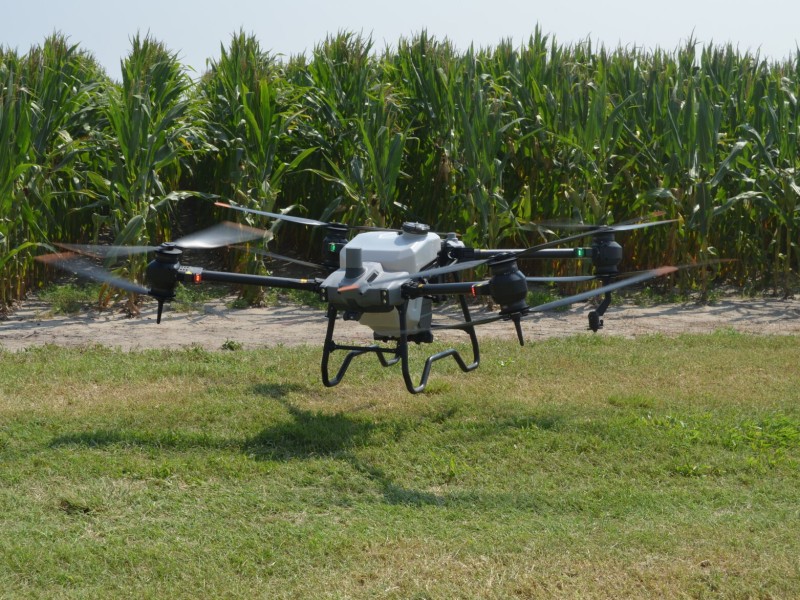
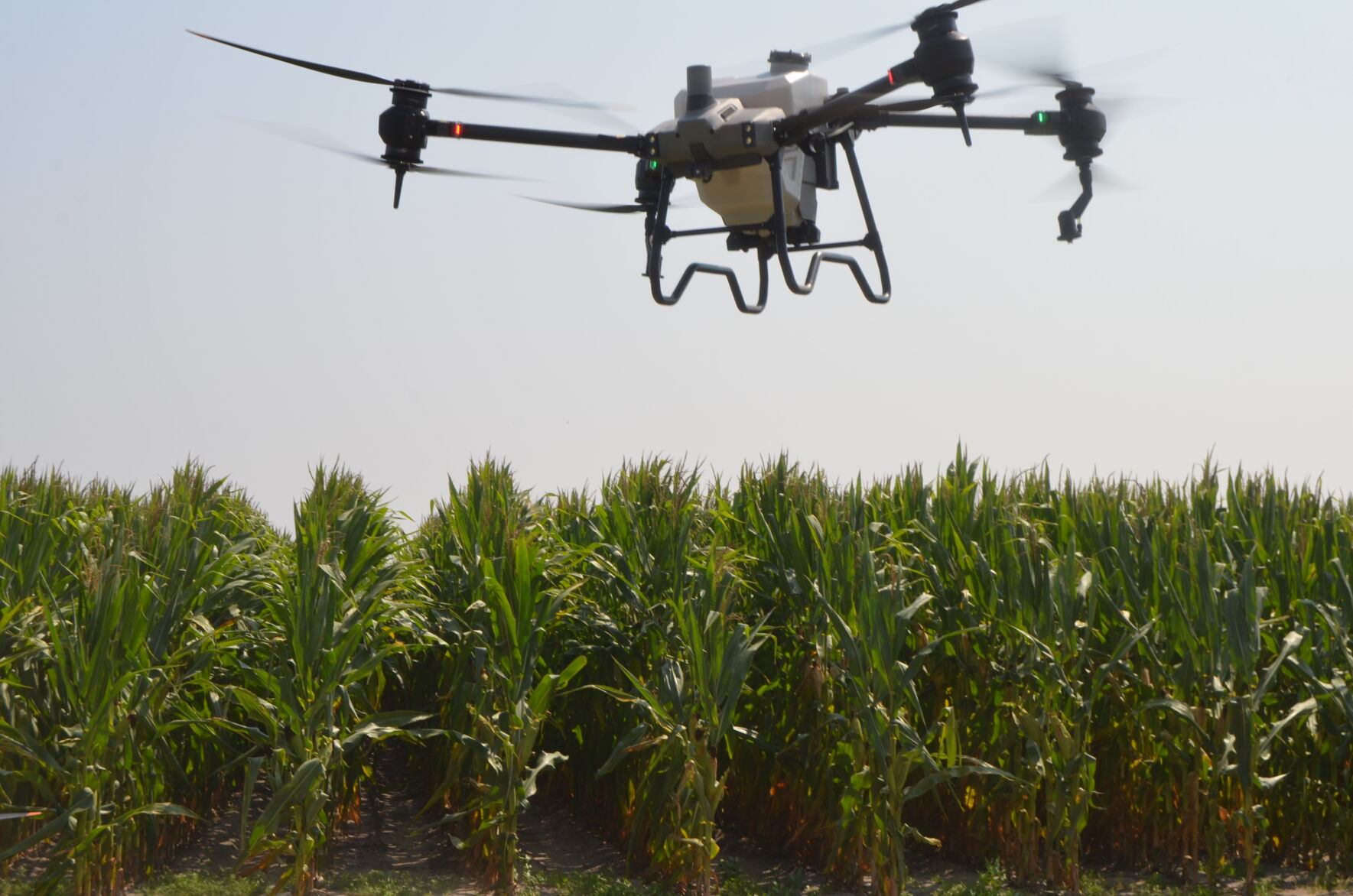
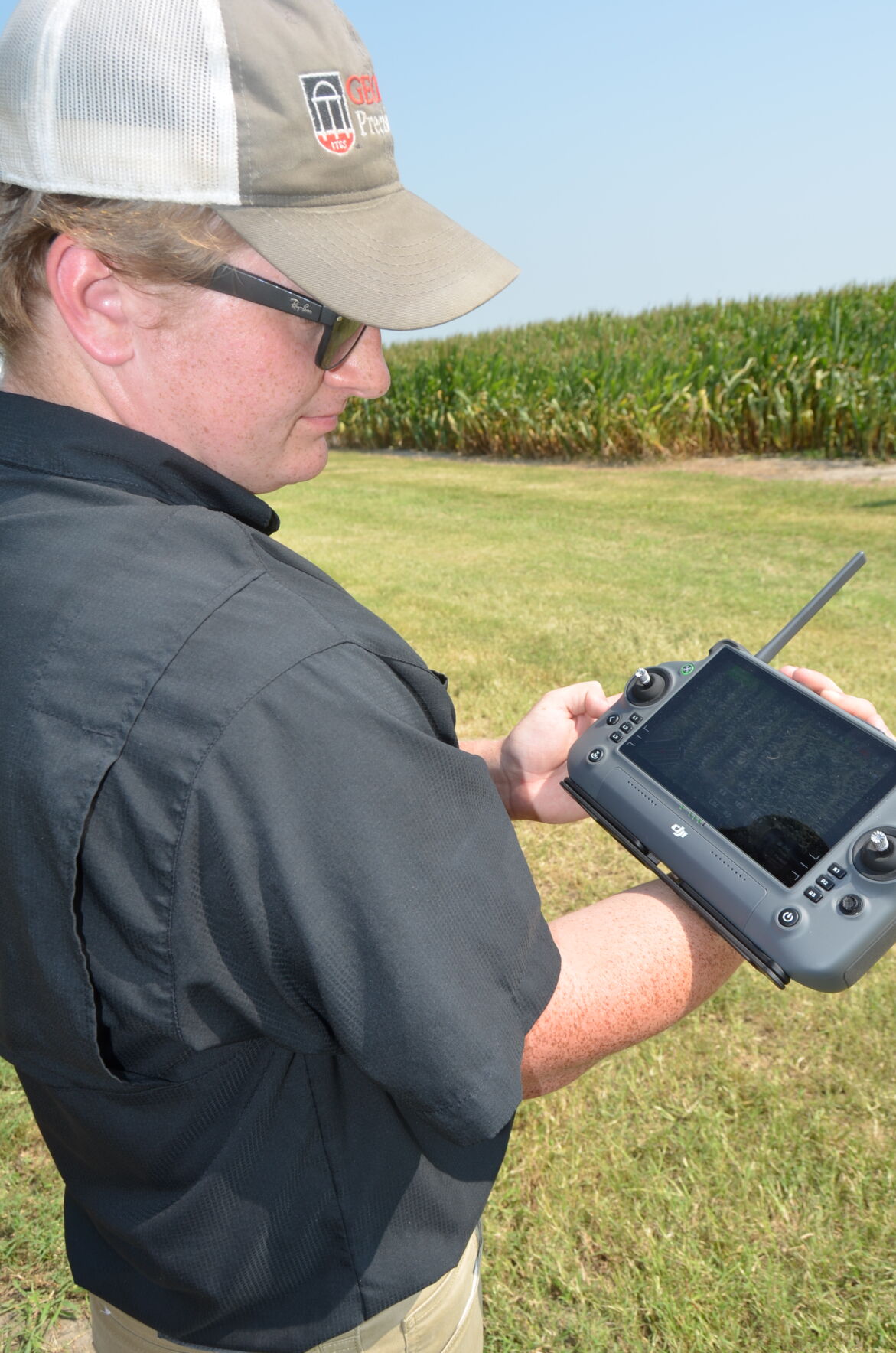
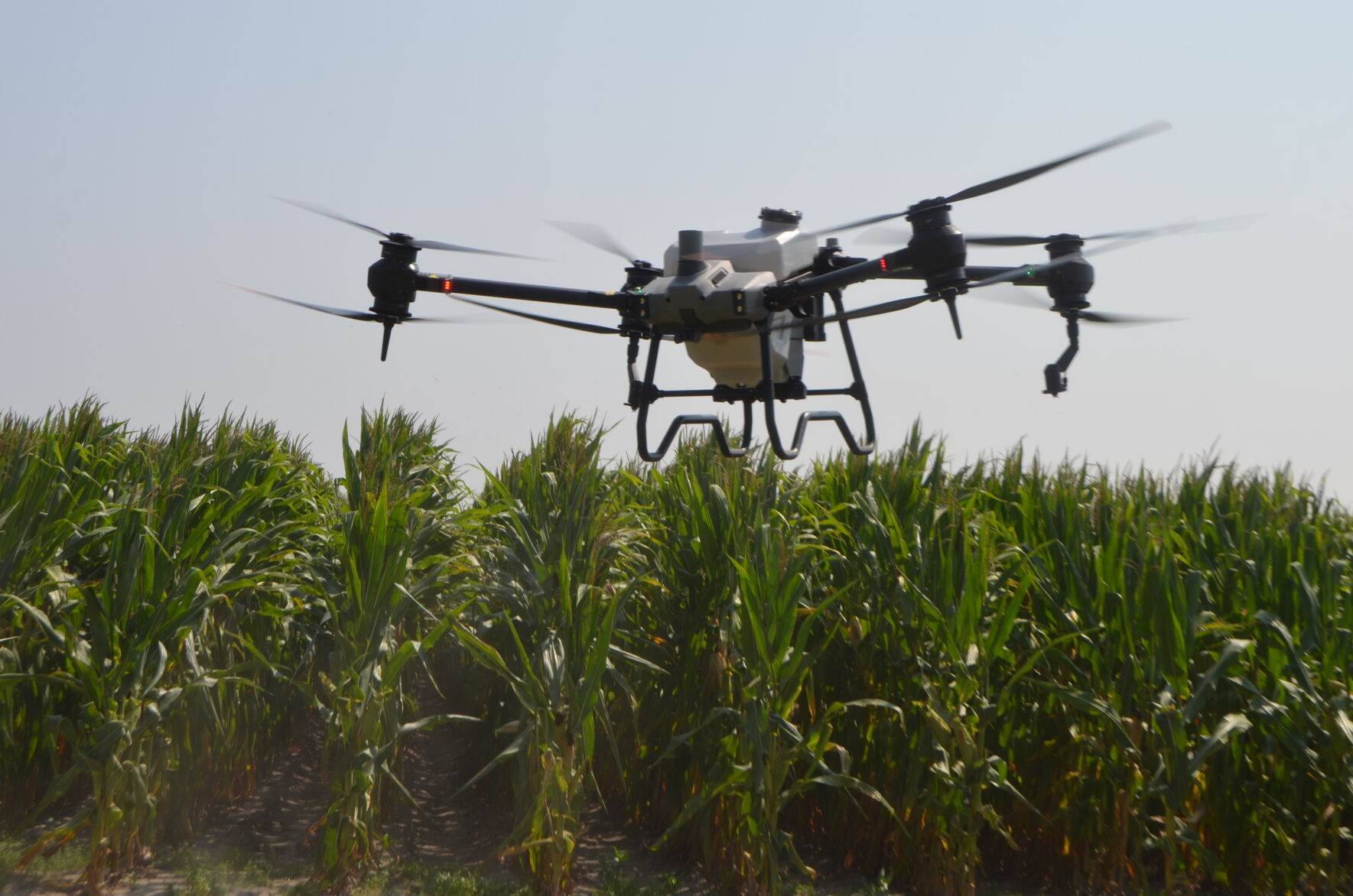
The extension specialist in precision agriculture and machinery systems had two models of drones equipped with spray applicators on display at the recent Farm Field Day program at Sunbelt Ag Expo in Moultrie, with graduate assistant Cole Byers putting one through its paces for attendees.
The Expo is one of several sites at which the researcher is putting drones through the paces to see how they may help farmers in the future.
“This is just another technology we’re trying to evaluate and what are some of the benefits,” Virk said. “We’re testing application performance; how does it perform when we’re spraying pesticides? We want to make sure it’s effective.”
Aerial spraying may also be useful in situations where field conditions won’t allow ground equipment to get in, Virk said.
The two drones in use last week had a capacity of 30 and 40 liters, so the capacity is not significant for an entire field. But they can be useful in small applications like blueberries. Some tiny models are even used inside greenhouses.
“In general, we have been using drones for six, seven years,” Virk said. “The spry drones kind of came into the picture about two years ago. A lot of these platforms are evolving. Every year we’re seeing new features added to the platforms.
“I work a lot with ag technology. We do have a lot of precision tech and other equipment. We do all kinds of combinations and ag tech work.”
Author

Related Articles
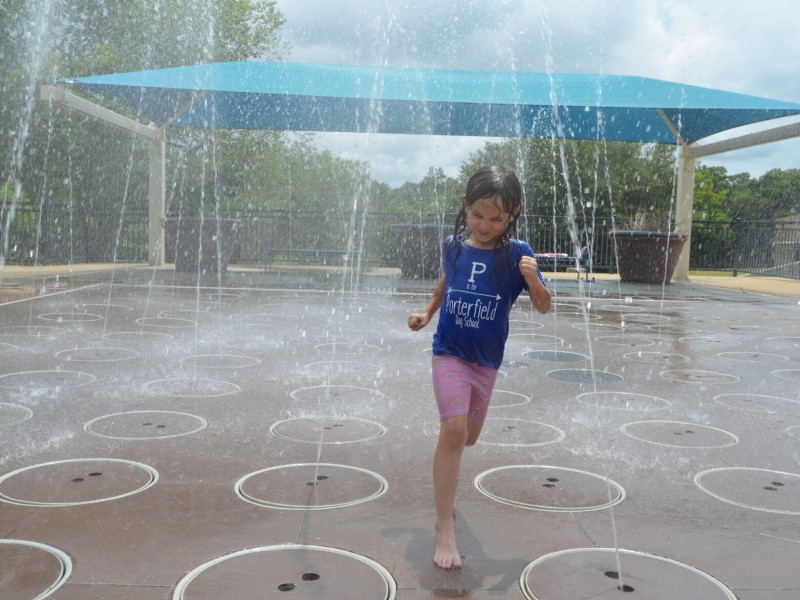
Dougherty County commissioners consider temporary splash pad for summer of 2026
“We need to do something on this splash pad. We told these kids we were going to be done in a year. The parents want to come downtown. “
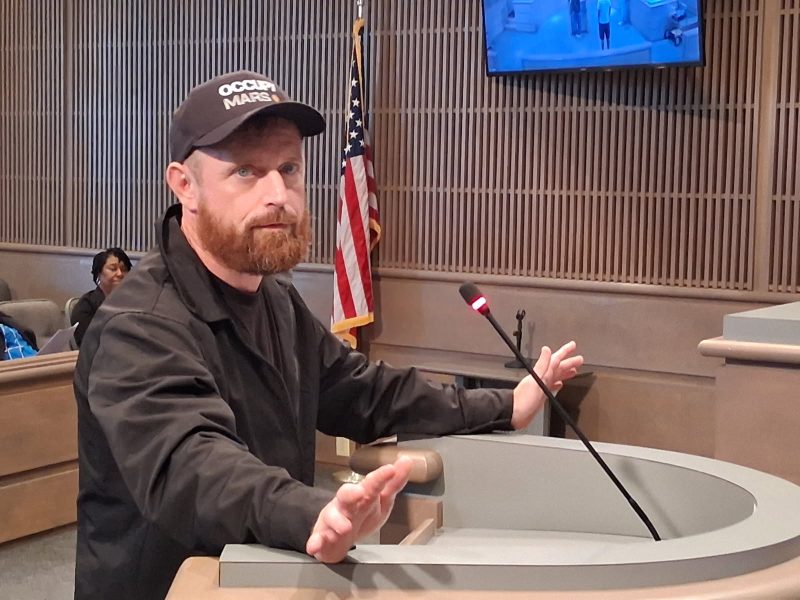
Skate park advocates keeping pressure on Albany City Commission
“We have a problem with violence in Albany. At the end of the day, skate parks give kids a place to call home. It reduces violent crime, so we have to start somewhere.
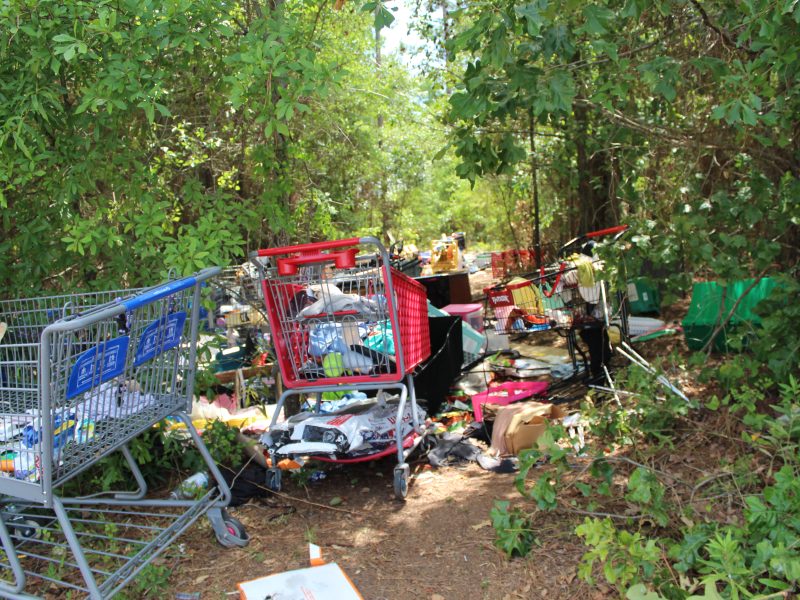
Trash piled up on busy street part of suspected unhoused enclave
Albany Police Department Chief Michael Persley and Keep Albany-Dougherty Beautiful Director Jwana Washington said a garbage heap on a busy Albany street could be an encampment for some of the area’s unhoused.

