
Albany Mayor Bo Dorough points to first-term accomplishments in re-election bid
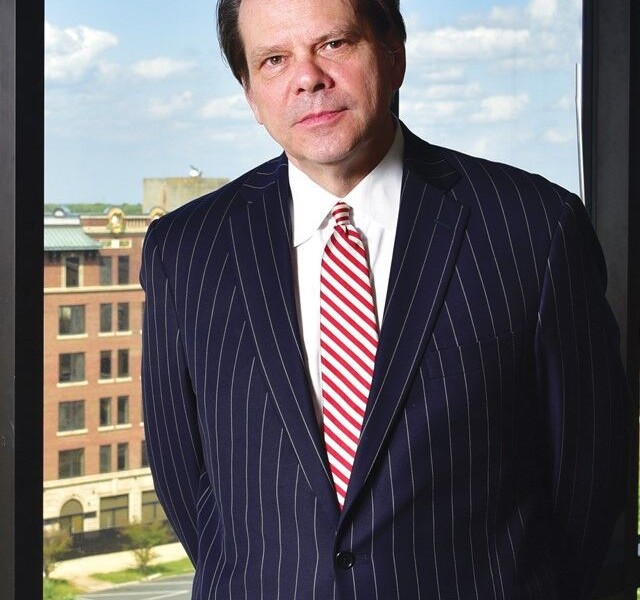
Special Photo
By Alan Mauldin
[email protected]
ALBANY — In making his case for another four years at the helm of Albany’s government, Mayor Bo Dorough pointed to the previous four years and what the Albany City Commission has accomplished under his leadership.
During that time the city has tackled some long-running problems, the most serious of which was the city’s aging sewer infrastructure that had been neglected for decades and caused frequent discharge of raw sewage into the Flint River and at times overflows in neighborhoods.
The bill came due in the first term for Dorough, who faces three challengers: former commission member Henry Mathis, Omar Salaam and Antonio Screen Sr.
“We’ve made significant progress, despite COVID and the massive investment we’ve had to make in the combined sewer separation project,” Dorough said. “I came into office and I understood that the CSS project was going to have to be a priority.”
Over the years, previous councils had received permits to continue river discharges, but that ended in 2019 when the city received notification that it would have to achieve 85%t separation of stormwater and sewage by June 2025 and could be fined up to $50,000 per day if it failed to do so.
In the spring of 2020, the city received a $234 million estimate for the three stages of sewer-related work, Dorough said, with the separation project being the most important.
The city is now well on the way to funding the project, through drawing on funds from federal COVID relief payments, sales tax money and a small increase in sewer fees, the mayor said.
Recreation was another area in which the city had neglected to update facilities over the years, Dorough said. The city received grant funding from the state for recreation and also earmarked sales tax dollars to help fund projects.
“I did not realize that to revive our recreation programs we would have to build all-new facilities to really make a meaningful difference,” Dorough said. “I’m proud to say we stayed on track with the CSS project, even though the numbers ended up being higher than the initial assessment, and we’ve stayed on track with my pledge to make investments into our recreational facilities and make Albany’s recreation program and buildings again something we can be proud of.”
The current commission also worked to complete the new downtown transportation center and has, with the help of grants, completed hangar facilities and is building a new general aviation terminal to replace the aging building at the Southwest Georgia Regional Airport.
“These improvements make Albany a more attractive destination for tourists who are served by those buildings, but most importantly it makes Albany a better base of operations for our corporate citizens,” Dorough said.
The city has invested in a number of projects to bring economic development and jobs to the community, including a planned renovation of the former Water Gas & Light and Albany Herald buildings downtown and with companies, including the Outdoor Network, which brought 90 jobs and refurbished the dilapidated former MacGregor building.
The city also has assisted in projects including the Flint Restaurant and has provided money to downtown attractions including the Flint RiverQuarium and Albany Civil Rights Institute, which Dorough said could become a major attraction that could tell Albany’s civil rights story.
The City Commission also has decided to complete a historic renovation of the historic Ritz Theater that, like the Civil Rights Institute, is in the Harlem district downtown.
“You’ve got tours that go to Birmingham to Selma to Montgomery,” the mayor said. “I believe Albany could be added to that if we make the institute a destination. I see the Albany Civil Rights Institute as a diamond in the rough that, with some investment, would become the city’s and region’s premiere attraction. I could see adding a stop in Albany and (telling) the African American experience in southwest Georgia.
“(With) the Ritz, you’re going to have the character and feel of the theater as it was in the 1930s, 1940s and 1950s.”
The city also has made significant investments in public safety, including technology and five pay increases for law enforcement officers over the previous five years to increase recruitment and retention, the mayor said. It also has made significant investments in infrastructure and equipment that will pay off in years to come. Previously the city had no rotation plan for replacing aging vehicles, he said, and drove cars and equipment until they were worn out and had no resale value.
Another investment in advanced meter infrastructure allows residents to keep tabs on utility bills during the month and reduce consumption to lower costs.
While the city has invested money to fight crime, Dorough said, that alone will not solve the problem.
“You can’t reduce crime without addressing the social and economic roots of crime,” he said. “That’s what we see. … We have to create economic opportunities to continue to make Albany a place people want to move to instead of move away from. That’s why you get into quality of life, downtown, recreation, our infrastructure. That’s when you have people wanting to move to.”
Author

Related Articles
Foreclosures jump 52.9% across the region as buyers regain negotiating power
In Dougherty County, the number of residential properties advertised for foreclosure has nearly doubled this year. In neighboring Lee County, developers are preparing to add hundreds of new houses and apartments, including homes aimed at buyers who have struggled to find newer housing at an attainable price.
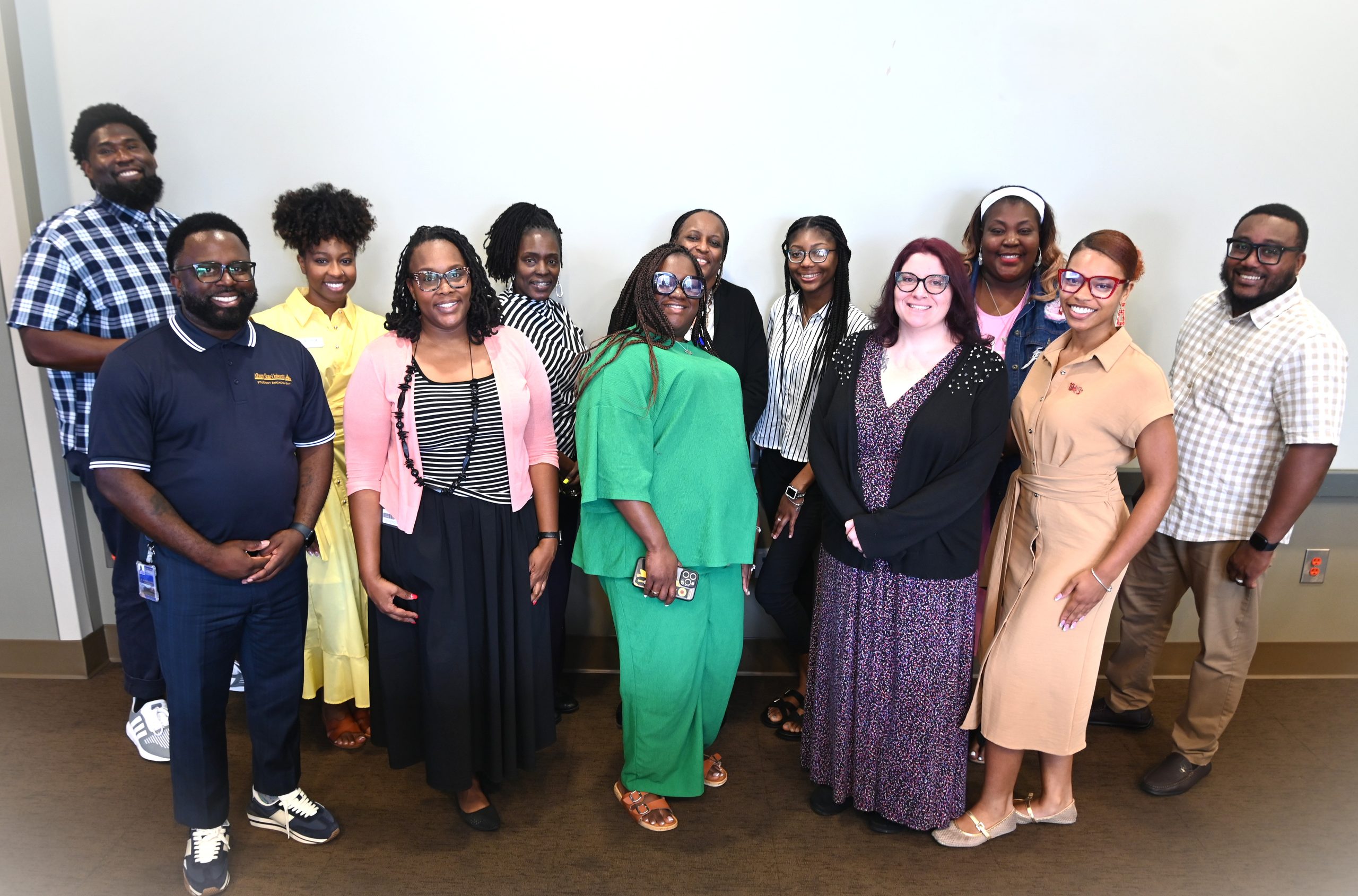
PHOTOS: Albany State New Employees Luncheon
Click the arrow to scroll through the photos.

Albany Commission will revisit downtown park project at October retreat
“Right now it’s a sea of asphalt there. It doesn’t encourage gathering. Parks and green spaces encourage gathering.”
