
Liberty House, an Albany domestic violence shelter, becomes pet friendly
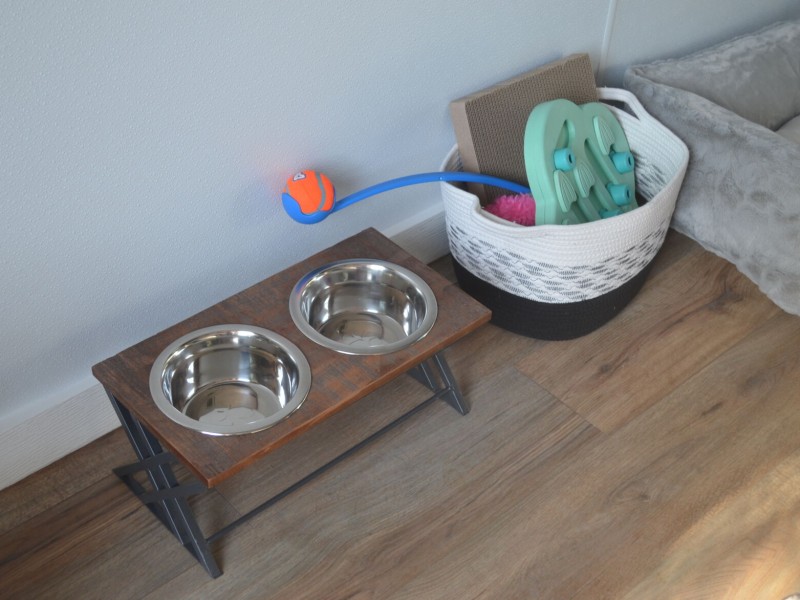
Staff Photo: Lucille Lannigan
By Lucille Lannigan
[email protected]
ALBANY — About half of domestic violence victims delay leaving their abuser for fear of leaving their pets behind, according to a 2012 “Pets as Pawn” study.
About half of survivors in domestic violence shelters leave their pets with abusers and about 70% of those women report that their abuser threatened, injured or killed a pet, according to the National Coalition Against Domestic Violence.
Liberty House, an Albany domestic violence shelter, now offers a solution to this problem: an onsite shelter space for pets belonging to people who stay at the shelter. It’s now the only pet-friendly shelter in 17 southwest Georgia counties.
Liberty House Executive Director Diane Rogers said the shelter works to remove any barriers that may be stopping a victim from leaving a dangerous situation.
“It’s really important that a survivor — for emotional support — have that pet with them … to help them heal,” Rogers said. “For those that have pets, they’re our family; we don’t want to be away from them.”
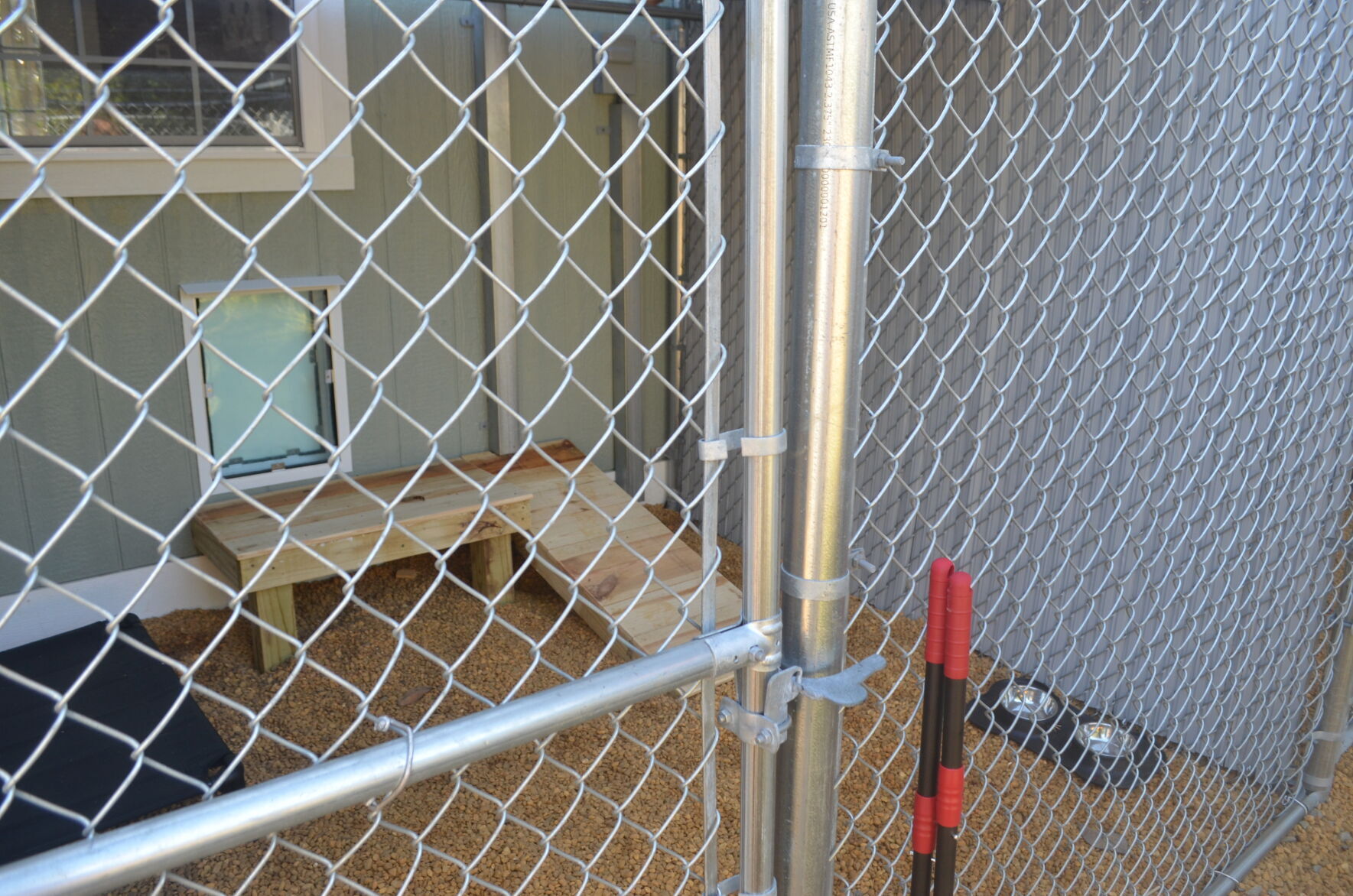
Three little rooms designed like living rooms were constructed to house traditional domestic animals like dogs and cats. Inside, is a couch, television, cat and dog beds, toys and food bowls to provide a space where owners can sit and relax with their pets. Each room is equipped with a tiny door that leads to outdoor spaces. To the side of the rooms is a fenced-in yard where the animals can play.
Greater Good Charities, a nonprofit dedicated to helping “people, pets and the planet” as well as RedRover, an organization focusing on bringing animals out of crisis through shelter services, funded and constructed the rooms
Together, the organizations provided Liberty House with a $160,000 grant for building the pet spaces, Bryna Donnelly, vice president of pet programs at Greater Good Charities, said.
Greater Good Charities began renovating shelters to make them pet-friendly in 2010. In 13 years, it’s made 35 shelters safe for pets across the U.S. It recently launched a campaign to have 25% of domestic violence shelters in the country pet friendly by 2025.
Demand for the services is high, Donnelly said, and now they receive more applications than they could ever hope to serve. It was difficult for the nonprofit to convince domestic violence shelters to start pet programs in the beginning.
“The work they do is already challenging and stressful,” she said. “A lot of shelters were very hesitant to add pets into that mix of all the other things they were trying to accomplish.”
However, many shelters across the country are realizing that to fully serve people in need of their services, they need to accommodate pets, Donnelly said.
These accommodations will look different at every shelter. Some will choose to have pets right in the room with the pet parent; others have separate areas.
Rogers chose to have a separate space to be conscientious of all residents at Liberty House. Some people are scared of pets, she said. Liberty House also sees a lot of children entering its doors, and pets can be unpredictable.
“We came up with a plan where we could help pets but also not have people who aren’t familiar and who don’t like pets around them day in and day out,” she said.
Rogers said she first grew interested in making Liberty House available for pets about five years ago. After years of struggling to find grants and then once receiving a grant, struggling to find a local contractor, Greater Goods reached out to her in April about starting construction in October — National Domestic Violence Awareness Month.
The nonprofit’s Rescue Rebuild team, along with RedRover Responders and the Atlanta Humane Society, worked together to renovate the space on Liberty House’s shelter property. The pet retreat was fondly named “The Paws Playhouse.”
The shelter will begin using the pet space once it passes city inspection.
Shifting to become pet-friendly allows domestic violence shelters to serve more people and to help survivors heal more quickly, Donnelly said.
“When you have a pet and a pet parent who have gone through trauma together, the ability to heal more fully happens when you’re able to keep your pet,” she said.
It’s better for both the person and the pet, Donnelly said. People who have been waiting to escape their abuser for years may now be able to since they can bring their pet along.
Liberty House received about 1,200 crisis calls in 2022. About 10 of those calls involved people asking directly about pets in just the first few months of the year, Rogers said.
The actual need is probably greater. Most people don’t know about the services available for their pets so they don’t think to ask, Donnelly said.
Raising awareness for these services is crucial, she said.
At Liberty House, one of the first questions staff ask callers is whether they have a pet. If they are unable to house the pet at the shelter, they will find local accommodations for them, Rogers said.
Training resources and information on making domestic violence shelters pet friendly are available at https://dontforgetthepets.org/.
Information on the 25 by 2025 campaign can be found at https://25by2025.org/.
Author

Related Articles
Albany Herald – July 11, 2026
Putting on the Ritz… Food, mini menagerie provide… Albany City Commission set to vote on… Following Lee’s lead, Terrell County hits…

Classifieds – July 11, 2026
Albany Classifieds and Legals: Real Estate; Merchandise, Misc…
Small actions can help save big on utility bills
The high temperatures of July and August can bring scorching utility bills as air conditioners hum to keep houses cool. Albany Utilities Residential Conservation Auditor Willie Jackson offered some tips on making summer cooling bills more manageable.
