
Raphael Warnock narrowly defeats Herschel Walker
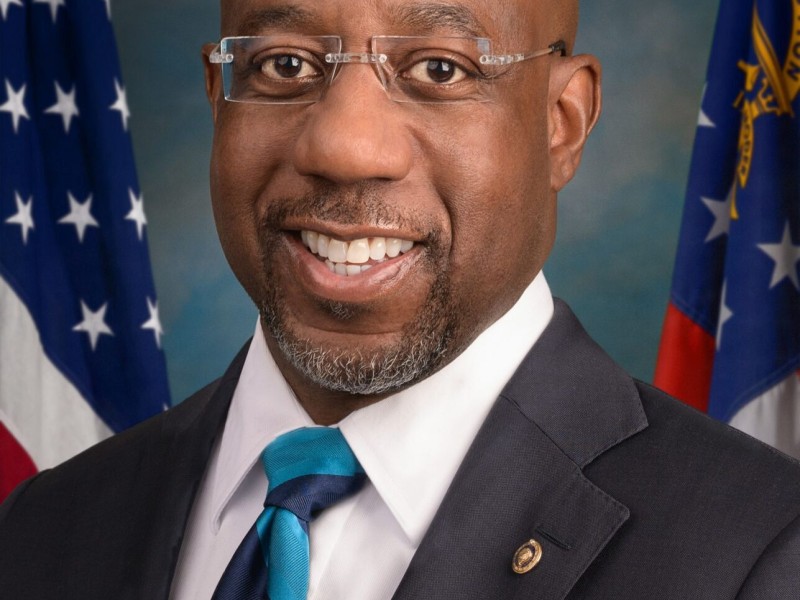
Raphael Warnock
File PhotoBy Rebecca Grapevine
Capitol Beat News Service
ATLANTA – Incumbent Democrat Raphael Warnock narrowly defeated Republican Herschel Walker Tuesday in a closely fought race for Georgia’s U.S. Senate seat, giving Democrats a slim two-seat majority in the upper house in Washington.
Warnock was leading Walker 50.5% to 49.5% as of 10:30 p.m. Tuesday night, with 94% of precincts reporting. The Warnock victory in the final contest of the 2022 election cycle gave Democrats 51 seats in the Senate to 49 for Republicans.
Though Warnock won around 38,000 more votes than Walker in the November general election, neither candidate earned more than 50% of the vote required by Georgia law to prevent a runoff, pushing the nationally watched race to a December rematch.
The lengthy campaign that finally concluded Tuesday night was the most expensive race of the 2022 cycle, with outside groups and the candidates’ campaigns spending more than $401 million in the race, according to campaign-finance tracking group OpenSecrets.
Going overtime to achieve victory wasn’t new to Warnock. The pastor at Ebenezer Baptist Church in Atlanta first won a U.S. Senate seat in a January 2021 runoff.
During this year’s lengthy campaign, Warnock portrayed himself as a protector of middle-class Georgians’ economic interests, touting his support for a $35-per-month cap on insulin and other drug spending caps for Medicare beneficiaries passed earlier this year. Warnock is also a strong supporter of full Medicaid expansion in Georgia a way to bolster the state’s hospital infrastructure and improve rural health care.
Walker, one of the most storied University of Georgia football players of all time, was a political neophyte when he was tapped by former President Donald Trump to run for the seat last year.
Walker sought to tie Warnock to President Joe Biden and blamed the Democratic duo for high inflation and crime rates. The Republican also emphasized what he considers the problems with “woke” social policies, often telling crowds he would protect women’s sports from the participation of transgender athletes and criticizing Democrats for focusing on racism in American history.
Abortion was one of the most important issues in the race as Georgia’s law banning most abortions after about six weeks of pregnancy took effect this fall. Warnock made his strong pro-choice position clear during the campaign, saying that “a patient’s room is too narrow and small and cramped a space for a woman, her doctor and the United States government,” and that abortion rights are protected by the fundamental right to privacy.
At one point, Walker indicated that he opposes all abortions, with no exceptions for the life of the mother or in the case of rape or incest. But during a debate this fall, he said he supports Georgia’s “heartbeat law,” which bans most abortions after about six weeks but includes exceptions for rape and incest.
The Walker campaign was dogged by a number of serious allegations about his character. Two ex-girlfriends alleged that Walker paid for their abortions, despite his public pro-life stance.
Warnock campaign ads highlighted Walker’s alleged violence against his ex-wife. More recently, reports surfaced that Walker received a Texas homestead tax exemption despite having voted and run for office in Georgia.
Georgians turned out in droves to cast their ballots during the early voting period ahead of Tuesday’s runoff, with more than 1.7 million voting early during the newly shortened period. Total turnout as of Tuesday night was 3.4 million, a record for a midterm runoff in Georgia.
This story is available through a news partnership with Capitol Beat News Service, a project of the Georgia Press Educational Foundation.
Related Articles

Albany Herald – June 20, 2026
City Albany faces shortfall for police… Women’s Anchorage tentatively set to… Commissioner, school leaders clash over…

Classifieds – June 20, 2026
ALBANY HERALD CLASSIFIEDS JUNE 20, 2026
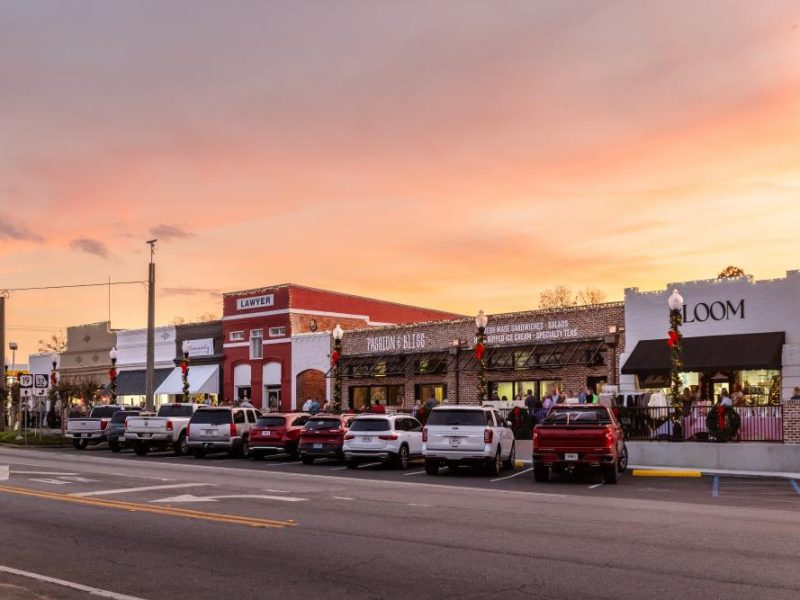
Public safety drives Leesburg’s $4.2 million Fiscal Year ’27 budget
The adopted spending plan reflects modest growth in city revenues and continued emphasis on maintaining core municipal services, particularly public safety and sanitation, which together account for a significant share of general fund expenditures.
