
Justice Department files suit against Georgia
Lawsuit alleges segregation of students with disabilities in the state’s GNETS program
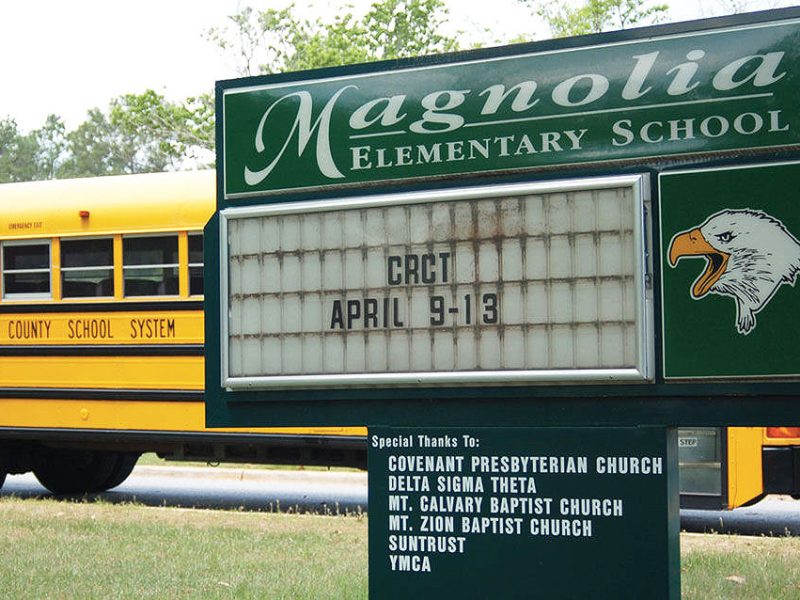
The empty Magnolia School could become the new home of the Oak Tree Center, the Dougherty Pre-K and the county’s gifted programs if the Department of Justice and Georgia Board of Education accept the school system’s plan to replace the Sylvandale Complex. (File Photo)
By Terry Lewis
ALBANY — The U.S. Department of Justice late last week made good on its promise and filed a lawsuit against the state of Georgia alleging that the state’s treatment and segregation of students with disabilities in the Georgia Network for Educational and Therapeutic Support (GNETS) program violates the Americans with Disabilities Act.
The lawsuit, filed in U.S. District Court for the Northern District of Georgia, alleges that Georgia’s administration of its mental health and therapeutic educational services for students with behavior-related disabilities unnecessarily segregates students with disabilities in GNETS when they could appropriately be served with their peers in general educational settings.
According to the DOJ, the community integration mandate of the ADA and the Supreme Court’s decision in Olmstead v. L.C. require states to make services available to people with disabilities — including children with behavioral disabilities — in the most integrated setting appropriate to their needs.
“Seventeen years ago, the Supreme Court made clear that states must serve people with disabilities, including children with disabilities, in the most integrated setting appropriate to their needs,” said Principal Deputy Assistant Attorney General Vanita Gupta, head of the Justice Department’s Civil Rights Division. “Georgia has relegated thousands of students with behavior-related disabilities to separate, segregated and unequal settings and placed other students at serious risk of entering such settings, failing to comply with the Americans with Disabilities Act. The Justice Department seeks to make the promise of community integration a reality for all of the state’s students.
“Students with disabilities in Georgia are entitled to access the services and supports that they need in the most integrated setting appropriate, where they can interact with and learn alongside their nondisabled peers and access educational opportunities that are equal to those available to other students.”
Dougherty County’s Oak Tree GNETS Center at the Sylvandale Complex is one of 28 similar programs throughout the state that are caught up in the DOJ lawsuit. Those centers service nearly 5,000 students with disabilities.
In July of last year, the DOJ issued an extensive findings letter, notifying the state that it was violating the ADA by unnecessarily providing mental health and therapeutic educational services to students with behavior-related disabilities in segregated settings, denying them opportunities for meaningful interaction with their peers without disabilities. The department found that most students in GNETS spend their entire school day, including meals, exclusively with other students with disabilities.
Oak Tree currently has 51 students enrolled from a five-county area. Twenty-nine are from Dougherty County. The DOJ’s ultimate goal is to fully integrate those students into regular classroom settings.
Georgia Board of Education Chairman Mike Royal and state GNETS Director Nakeba Rahming will visit Albany Thursday to discuss the lawsuit with Dougherty County School Superintendent Butch Mosely, who said he will propose two options.
“First, we’d like to renovate the empty Magnolia Elementary School, which has three wings, to accommodate the GNETS, Pre-K and gifted programs,” Mosely said. “The second option is to add six classrooms to an existing elementary school for GNETS students. I think either option will withstand DOJ scrutiny.”
The county would still need DOJ approval to move forward. In addition, both options depend on the county’s voters approving the E-SPLOST referendum, which is on the Nov. 8 general election ballot.
“Our problem is those options are long-term, and the DOJ wants those kids moved now,” DCSS attorney Tommy Coleman said. “And they (the DOJ) are using the same argument they used in 1962 that brought about integration.”
Related Articles

Dougherty Schools prepare for bell-to-bell student cell phone ban
As Georgia prepares to expand its statewide ban on personal electronic devices in public schools, Dougherty County School System leaders say they are working to balance compliance with the new law while giving individual schools flexibility in how they implement the policy.
Georgia’s school funding formula still ignores poverty; educators say students pay the price
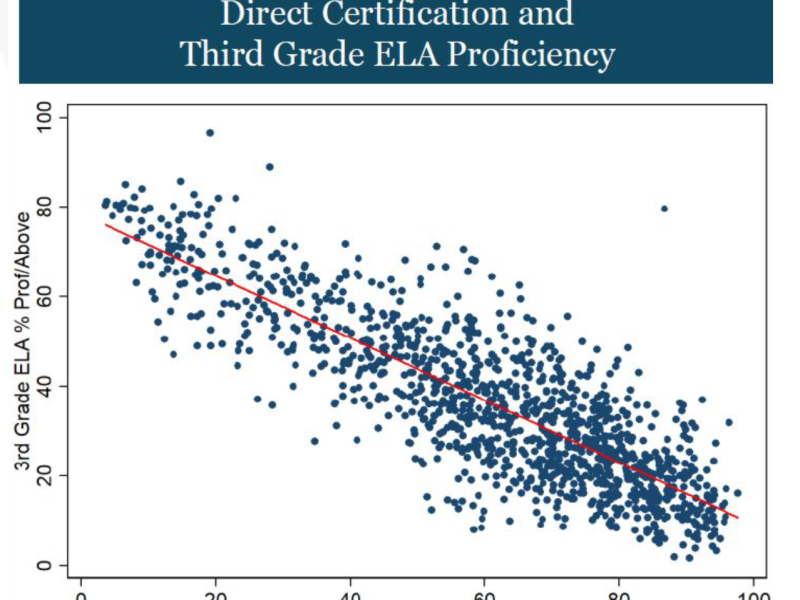
During a report to the board on the outcomes of this year’s legislative session, Dyer discussed the district’s efforts to persuade lawmakers to add an “opportunity weight” to Georgia’s Quality Basic Education (QBE) funding formula — a change supporters say would provide additional state funding for students living in poverty.

Albany teen, 16, makes bodybuilding debut at Atlanta OCB Pro/Am
Crockett, an Albany resident and student at Albany Technical College Academy, placed second in the teen bikini division this weekend at the OCB Immortal Muscle Pro/Am Bodybuilding Competition in Atlanta, becoming the youngest competitor across all categories at the event.
