
Albany City Commission hears update on utility fees
“There was a gap between when we asked for it to be implemented and when it got done. I guess between July ‘25 to January (it was) out of sight, out of mind. Most of us forgot about it. The city of Albany has a transaction fee.”
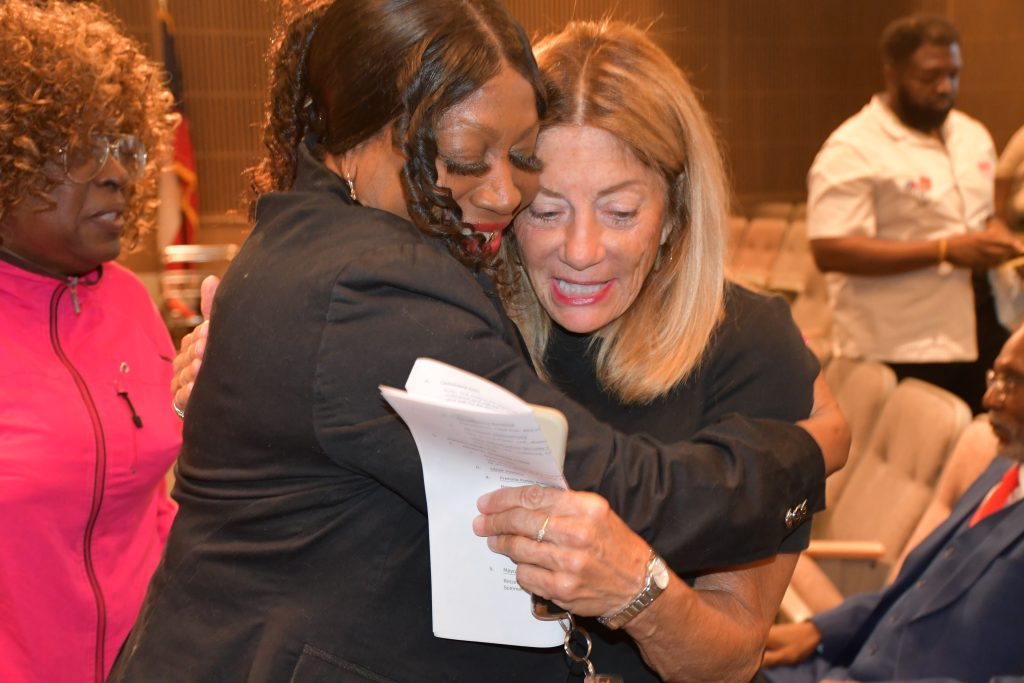
ALBANY – The Albany City Commission got a clearer picture on utility fees related to credit and debit card payments this week, but the clarity did not assuage the ire of some customers who get their electricity, gas and water from the city-operated utility.
The fee on those transactions was actually approved by the Albany Utility Board last year, and there was a lag in implementing the added cost for customers, City Manager Terrell Jacobs told commissioners.
The issue of that new charge and a 50-cent mailing fee were brought up during a Dougherty County Democratic Committee meeting last week.
Asked about the fees last week, Utility Board members were initially unaware that the convenience fee had already been approved, the city manager said.
“There was a gap between when we asked for it to be implemented and when it got done,” he said. “I guess between July ‘25 to January (it was) out of sight, out of mind. Most of us forgot about it. The city of Albany has a transaction fee.”
That transaction fee is up to 3%.
Prior to that time the city had been absorbing the fees charged by vendors who process card payments. That cost the city about $700,000 per year, Jacobs said.
Starting with the 2026-2027 budget year, those fees will be reflected in the utility budget that is part of the overall city budget, he said. The fee on mailing bills is something that would help defray some of those costs, as bills cost $3 to mail, Jacobs said.
A couple of dozen residents who were not happy with the new fees attended the Tuesday commission meeting. Several commissioners, particularly Commissioner Diana Brown, questioned the fees.
“I came because of others, not so much for myself,” Albany resident Laura Barnes said. “I don’t think you should expect elderly people to deal with that, to understand that.
“They only charge 50 cents, but why should you have to pay to get your bill?”
Elderly and economically struggling residents will feel the pain of the transaction fees, Brown said.
“We shouldn’t put this burden on constituents,” she said. “You’re trying to paint over it and say you’re doing what you need to do. Some of them are computer-illiterate. Some of them don’t have computers. You’re forcing them to use the online billing.”
While officials felt those fees were necessary, Jacobs said that the city has provided a way for customers to cut down on utility usage. The advanced metering infrastructure (AMI) system allows customers to check their energy usage and, if necessary, make changes such as adjusting thermostats or using other ways to cut usage.
A customer also can program a dollar amount for monthly usage, for example $300, and the system will alert them when they are close to that amount so that they can make those changes, Jacobs said.
“We understand we have a lot of old housing stock,” Jacobs said. “A lot of that stock is not insulated well. We have an energy-efficiency program.”
Utility Board members also received a presentation during a retreat over the past weekend for a potential program that could benefit more Albanians, the city manager said. Customers also can avoid transaction fees by paying at the downtown utility office.
Author

Related Articles
Congress weighs packaging bill with implications for Albany manufacturers
A congressional hearing this week on proposed national packaging-labeling standards could have implications for several of Southwest Georgia’s largest manufacturers, many of which produce or package products shipped across state lines.

Dougherty County Sheriff’s Office, GBI investigate inmate death
“The sheriff’s office will conduct an administrative investigation to determine if the staff response was appropriate. We have requested that the GBI conduct an investigation.”
Residents’ safety concerns defeat request to privatize Plantation Road
The Terrell County Board of Commissioners rejected a request July 7 to remove Plantation Road from the county road system after nearby residents warned that closing the roadway could leave them without emergency access when adjoining roads flood.
