
Inyang vows to challenge leadership, redirect school spending
In an interview ahead of the May election, Inyang described himself as “an artist turned entrepreneur turned activist,” rooted in Albany and motivated by what he sees as years of systemic decline and missed opportunities.
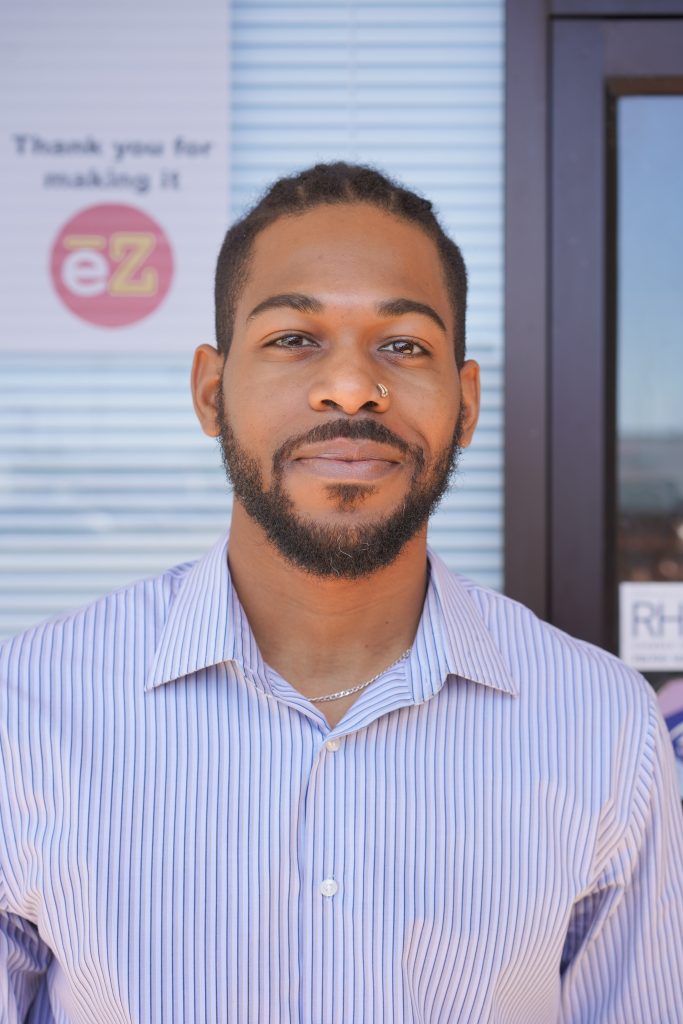
ALBANY — Adam Inyang, a candidate for the Dougherty County School Board’s District 4 seat, says the district’s most pressing challenges stem from leadership failures, misaligned spending priorities and a widening gap between decision-makers and those they serve.
Inyang is running against incumbent Melissa Strother, who has held the District 4 seat since 2015.
In an interview ahead of the May primary election, Inyang described himself as “an artist-turned-entrepreneur-turned-activist,” rooted in Albany and motivated by what he sees as years of systemic decline and missed opportunities.
“I seek to use my art to change society, change this community, because I love this community,” Inyang said, noting he was “born at Phoebe and raised on Albany’s eastside.”
Inyang said at the center of his campaign is a belief that education is the foundation of broader community outcomes, from economic development to public safety.
“If you don’t have an educated populace, you’re not going to grow, period,” he said. “All the issues that we talk about — crime, lack of economic development — all of these things are inextricably connected to the school system.”
Inyang repeatedly pointed to what he characterized as ineffective leadership as the district’s primary obstacle.
“Our leadership is inept, period. They do not know what they’re doing,” he said.
He argued that poor decision-making — particularly at the administrative level — has led to wasted resources and a lack of accountability.
“We have a lot of waste that can be redirected back into the classroom,” Inyang said. “A large part of [the budget] is going to salaries for administrative positions that are limited in their impact on kids in classrooms.”
He cited what he sees as a disconnect between reported outcomes and student performance.
According to the Georgia Department of Education, the Dougherty County School System achieved a four-year graduation rate of 89.6% for the Class of 2025, surpassing the Georgia state average of 87.2% for the fifth consecutive year. However, in recent data, approximately only 17% of high school students tested at or above the proficient level for reading across the district, a gap that Inyang says he intends to address.
“We have a historic 90-something-percent graduation rate, but our kids are reading at 30% proficiency and lower in some cases,” he said. “We’re graduating students that aren’t able to read, they’re not able to do math.”
Inyang says his focus will be on reallocating resources toward direct student support, including academics, extracurricular programs and work force development.
“With a $325 million budget, we should not have the problems that we have,” he said.
But how that money is redirected matters, with initiatives such as the school board’s recent approval of one-time employee retention stipends drawing Inyang’s skepticism, describing them as short-term solutions.
“It’s a nice gesture, but it’s bread and circuses,” he said. “Instead of a one-time stipend, we need to raise teachers’ pay annually. Cut the waste and redirect that money where it actually helps.”
Inyang also advocated for expanded investment in programs outside the traditional classroom.
“Let’s fund youth sports. Let’s fund STEM activities. Let’s create better field trips and experiences that supplement learning,” he said. “If we’re already dipping into reserves, then do what you’re supposed to do with the money.”
According to Inyang, improving student outcomes requires both academic focus and practical skill-building opportunities, pointing to a previous proposal for a communitywide agricultural initiative connecting schools and neighborhoods.
“Now you’re educating the students, giving them a skill and a trade,” he said. “They can graduate and start a business that day — and at the same time, you’re addressing food deserts and health issues.”
Inyang framed such initiatives as “self-sustaining systems” capable of addressing multiple challenges simultaneously.
If elected, Inyang said his primary role, however, would be to serve as a direct advocate for students, parents and educators, groups he believes are currently underserved.
“My purpose is to actually represent the needs and the interests of the students, the parents and the staff,” he said.
The candidate cited concerns about classroom disruptions, communication breakdowns and lack of administrative support.
“The students don’t like the fighting. The parents don’t like not being able to get answers,” he said. “Teachers can’t get help from the administration. There are gaps in all of those lines of communication.”
Inyang added that many community members feel unable to speak out.
“Too many people here are terrified to speak,” he said. “If you’re in a position where you can’t speak too loud, tell me, I’ll speak it for you.”
While acknowledging potential resistance, he said he intends to take an active and assertive role on the board.
“I have the reputation of being a straight shooter — a boat rocker,” he said. “When you see me coming, you know to straighten up.”
He emphasized that his approach would be direct but solution-oriented.
“We’re there to fix the problems,” Inyang said. “If we’re not actively engaging with the problems, then we’re wasting time and money.”
At the same time, he said he would prioritize collaboration where possible.
“I don’t anticipate having a problem working with people who are working toward solutions,” he said.
Ultimately, Inyang said he believes his campaign is rooted in a broader vision of rebuilding the district by investing in students and restoring parents’ confidence in public education.
“Instead of trying to bring solutions from outside, we should be growing them here,” he said. “If we do our job right, our young people will create those solutions themselves.”
Related Articles
Albany Herald – July 11, 2026
Putting on the Ritz… Food, mini menagerie provide… Albany City Commission set to vote on… Following Lee’s lead, Terrell County hits…

Classifieds – July 11, 2026
Albany Classifieds and Legals: Real Estate; Merchandise, Misc…
Small actions can help save big on utility bills
The high temperatures of July and August can bring scorching utility bills as air conditioners hum to keep houses cool. Albany Utilities Residential Conservation Auditor Willie Jackson offered some tips on making summer cooling bills more manageable.
