
PSC candidate Peter Hubbard makes case for election to full term
The reason why voters should pick me is I’m a rare breed in that I read everything that comes across my desk. I’m asking hard questions at the meetings. I want to get to the bottom of are data centers paying their fair share, are residential customers getting their fair share.

ALBANY – The list of complaints about data centers is a lengthy one. They include those related to quality of life, like excessive sound and lighting at facilities, as well as those that could impact health, like water pollution and air pollution from center emergency generators, to the potential to increase utility costs.
Another concern is the loss of farmland to the massive facilities.
While the centers have drawn the ire of residents in whose environs developers look to site a new one, the facilities have proliferated. There may be as many as 5,000 or more spread across the country, with Virginia leading the pack with more than 500.
Closer to home, the data centers in Georgia have so far mostly been located in the Atlanta area, although one has been approved in southwest Georgia’s Crisp County.
The issue of data centers is sure to be one with which the state’s Public Service Commission has to tangle as companies look to expand.
Determining the impact to the state’s electricity ratepayers that a jump in data centers, which are instrumental in computer cloud storage and AI computing, is one question that Georgia’s Public Service Commission will need to answer as the number of centers continues to grow.
While the November races for constitutional offices, including governor and the U.S. Senate, will suck up most of the oxygen, two PSC races will be on the ballot.
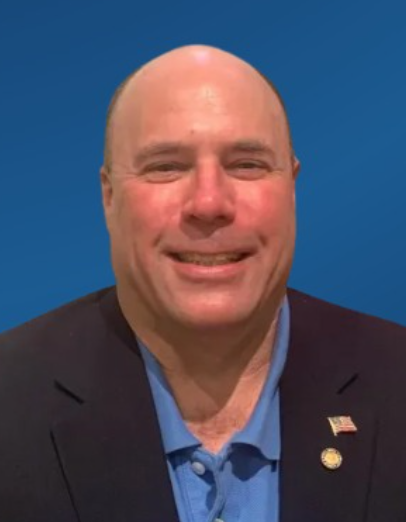
In District 3, the PSC race will be a rematch between Democrat Peter Hubbard and Republican Fitz Johnson. Hubbard won the Nov. 4, 2025, special election, which also included PSC District 2.
“I think it’s going to take more than a year to get to some of these issues,” said Hubbard, who has 16 years experience in the energy industry, including developing solar and battery storage projects, analysis of markets and projecting fuel prices.
The PSC is responsible for setting rates for investor-owned utilities across the state, which includes Georgia Power Co., and approving energy infrastructure and planning.
“Where my concerns lie with data centers is (if) they pay their fair share,” Hubbard said. “We’re still relying on Georgia Power to determine that. The reason voters should pick me is I’m a rare breed in that I read everything that comes across my desk. I’m asking hard questions at the meetings. I want to get to the bottom of whether data centers are paying their fair share, are residential customers getting their fair share? I’m asking voters to give me the full six years so I can really get to the bottom of it.”
One of the knocks on data centers is that they use huge amounts of energy and some utilities plan to give discounts to operators, leaving other customers to pay higher costs.
“I’m looking at this incredibly complex landscape and trying to use my experience and boil it down to are residential customers paying what they should?” Hubbard said. “You need someone who is totally going to be on your side looking at the issues, and I think that effort is going to take time. I am someone who takes very seriously the impact of this issue and the impact it has on people’s lives.”
Author

Related Articles
District 151 challengers Wolfe, Lockhart offer plans for schools, rural jobs, health care
Two challengers seeking to unseat state Rep. Mike Cheokas are proposing different approaches to Southwest Georgia’s needs, with Democrat Ethan Wolfe emphasizing changes to state funding and health policy and independent Travis Lockhart focusing on partnerships among local governments, schools and employers.
Albany considers battery storage system to address electricity surplus
“For me, this is all about ratepayers. Will this keep our rates low? That’s my biggest concern on a project like this.”

Lee County denies mother’s home day care plan despite staff support, corrections to objections
A day after Lee County commissioners voted down her plan to care for five young children in her home, Sharemer Jones returned to the county planning office with her infant daughter to ask how to appeal.
