
The Price of Winning: Georgia’s roster valued at $30.4 million
Not long ago, the biggest number attached to a college football program was its recruiting class ranking.
ATHENS — Not long ago, the biggest number attached to a college football program was its recruiting class ranking.
Today, it’s the estimated value of its roster.
As college athletics enters its first full season of direct revenue sharing with athletes, roster valuations measured in the tens of millions of dollars have become the sport’s newest benchmark. According to The NIL Standard, Georgia enters the 2026 season with an estimated roster NIL value of $30.4 million, ranking 13th nationally and illustrating just how dramatically the financial landscape has changed.
Texas tops the nation with an estimated roster value of $47.6 million, followed by Oregon ($41.4 million), LSU ($39.8 million), Miami ($37.9 million) and Ohio State ($37.6 million). National Champion Indiana, which rounds out the top 15, carries an estimated value of $29.4 million.
Collectively, the nation’s 15 highest-valued rosters are estimated at more than $521 million.
The numbers are not payrolls or audited financial statements.
The NIL Standard describes them as estimates of each roster’s overall market value, calculated using player production, recruiting rankings, positional importance, experience, projected role, program market and other performance indicators. When credible contract information becomes available, those figures replace the model’s projections.
Viewed that way, the rankings offer perhaps the clearest snapshot yet of college football’s new economic reality.
Just a few years ago, schools could not legally compensate athletes beyond scholarships and limited educational benefits. Now, following the arrival of revenue sharing and an increasingly sophisticated NIL marketplace, championship contenders are fielding rosters valued at more than $30 million.
Georgia’s placement is especially noteworthy because the Bulldogs reached that figure differently than many of the programs ranked ahead of them.
Rather than relying on a handful of mega-contracts, Georgia’s value is spread throughout the roster.
Quarterback Gunner Stockton owns the Bulldogs’ highest individual estimate at $2 million. Offensive lineman Earnest Greene III and defensive lineman Elijah Griffin are each valued at approximately $1 million, while Gabe Harris Jr., Juan Gaston, Drew Bobo, Ekene Ogboko, Jordan Hall, Isiah Canion and KJ Bolden round out the team’s 10 highest-valued players.
Those 10 players account for only about one-third of Georgia’s estimated roster value. The remaining $20.3 million is distributed across the rest of the roster, suggesting Georgia’s strength lies less in superstar spending than in maintaining premium talent throughout the depth chart.
The contrast also highlights how NIL valuations have evolved.
The NIL Standard attempts to estimate a player’s overall football market value. On3, meanwhile, now focuses on estimated contract compensation through schools and collectives rather than endorsement potential.
Under On3’s current methodology, Miami quarterback Darian Mensah is college football’s highest-valued player at $6.5 million. Oregon quarterback Dante Moore, Ohio State receiver Jeremiah Smith and Ole Miss quarterback Trinidad Chambliss are each estimated at $5 million.
Those differing approaches help explain why widely cited figures can vary. Texas quarterback Arch Manning, for example, carries an estimated $6.8 million market valuation from The NIL Standard but a $2.5 million contract valuation from On3. Neither figure represents a verified accounting of actual cash received. Instead, each measures a different form of player value.
The rankings also remain fluid. The NIL Standard updates its live valuations as transfers occur, depth charts shift and new contract information becomes available.
What doesn’t appear likely to change is the direction of the sport.
In only a few years, college football has gone from debating whether athletes should be paid to comparing rosters valued at more than $30 million. The question facing national championship contenders is no longer whether money matters.
It’s how much is enough.
The following ranking uses The NIL Standard’s live roster totals accessed July 31, 2026. The service warns that its pages update as transfers, depth charts, reported contracts and model inputs change. A May 2026 media snapshot, for example, had materially different ordering and totals for Miami, Ohio State and other schools, demonstrating that these figures must always carry an “as of” date.
| Rank | School | Estimated 2026 roster NIL value | Share of top-15 total | Figure confidence |
|---|---|---|---|---|
| 1 | Texas | $47.6M | 9.1% | Medium-low |
| 2 | Oregon | $41.4M | 7.9% | Medium-low |
| 3 | LSU | $39.8M | 7.6% | Medium-low |
| 4 | Miami | $37.9M | 7.3% | Medium-low |
| 5 | Ohio State | $37.6M | 7.2% | Medium-low |
| 6 | USC | $34.3M | 6.6% | Medium-low |
| 7 | Texas Tech | $34.2M | 6.6% | Medium-low |
| 8 | Notre Dame | $33.1M | 6.4% | Medium-low |
| 9 | Texas A&M | $32.2M | 6.2% | Medium-low |
| 10 | Ole Miss | $31.8M | 6.1% | Medium-low |
| 11 | Alabama | $31.2M | 6.0% | Medium-low |
| 12 | Michigan | $30.6M | 5.9% | Medium-low |
| 13 | Georgia | $30.4M | 5.8% | Medium-low |
| 14 | Tennessee | $29.6M | 5.7% | Medium-low |
| 15 | Indiana | $29.4M | 5.6% | Medium-low |
| Combined | $521.1M | 100% |
Georgia — $30.4 million. Georgia has the least top-heavy valuation profile in this group: its ten largest named players account for approximately one-third of the roster total. That suggests its ranking is driven by depth and broad position-group value rather than a small collection of superstar contracts.
| Player | Central estimate | Analytical range | Primary visible revenue basis |
|---|---|---|---|
| Gunner Stockton | $2.00M | $1.50M–$2.50M | PC* |
| Earnest Greene III | $1.00M | $0.75M–$1.25M | PC* |
| Elijah Griffin | $1.00M | $0.75M–$1.25M | PC* |
| Gabe Harris Jr. | $0.98M | $0.74M–$1.23M | PC* |
| Juan Gaston | $0.88M | $0.66M–$1.09M | PC* |
| Drew Bobo | $0.86M | $0.65M–$1.08M | PC* |
| Ekene Ogboko | $0.86M | $0.65M–$1.08M | PC* |
| Jordan Hall | $0.84M | $0.63M–$1.05M | PC* |
| Isiah Canion | $0.83M | $0.62M–$1.04M | PC* |
| KJ Bolden | $0.82M | $0.62M–$1.03M | PC* |
| All other rostered players | $20.3M aggregate | Not publicly allocable | Modeled values, including hidden players |
Author

Related Articles

Moving the Chains: Big Once More
Big Once More
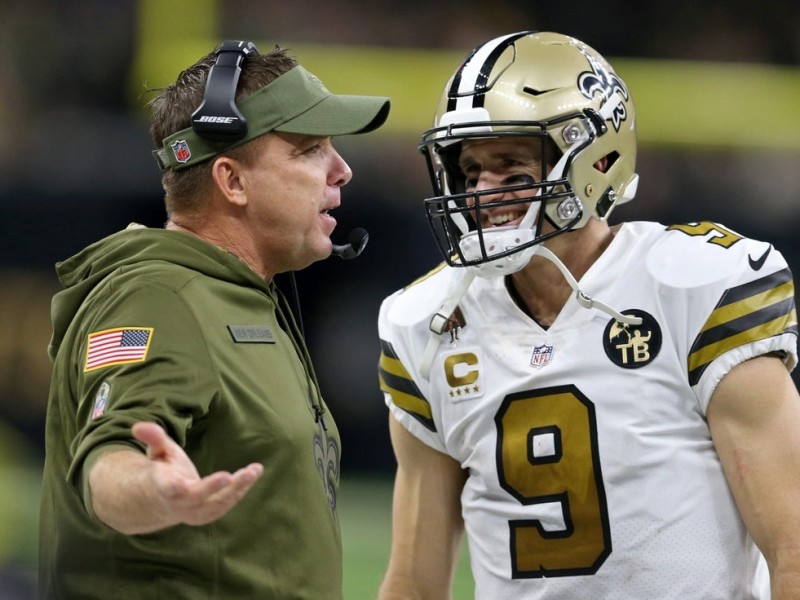
Sean Payton caught ‘off guard’ by Drew Brees’ HOF intro call
Sean Payton wasn’t expecting a call from Drew Brees to serve as an emotional reminder of their 15 seasons together in New Orleans.
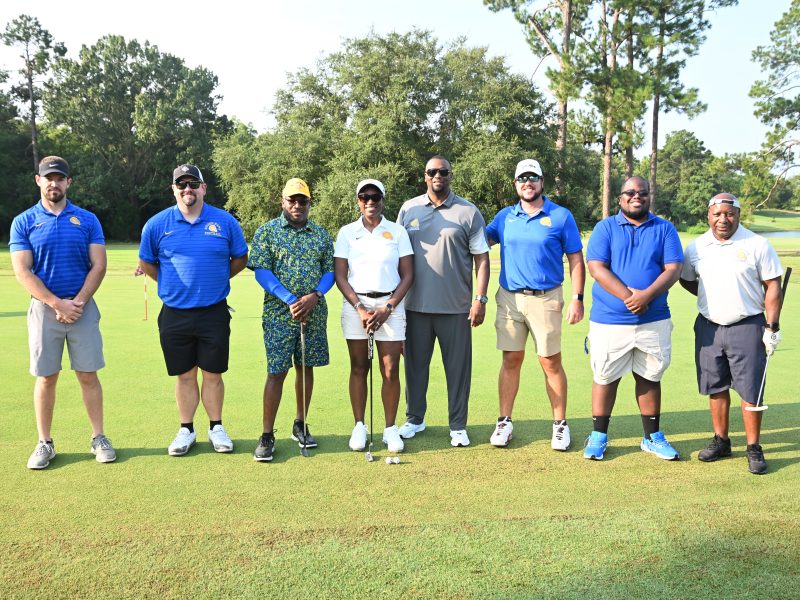
Photos: Albany State football golf tournament
Click the arrow to scroll through the photos.
