
Albany, Southwest Georgia Rails to Trails hold discussions aimed at settling lawsuit that dates back to 2020
Six years after a lawsuit filed in Dougherty County Superior Court by Southwest Georgia Rails to Trails wound its way through the Georgia Court of Appeals and the Georgia Supreme Court, the case is back in front of a Dougherty County judge.
ALBANY – Six years after a lawsuit filed in Dougherty County Superior Court by Southwest Georgia Rails to Trails wound its way through the Georgia Court of Appeals and the Georgia Supreme Court, the case is back in front of a Dougherty County judge.
After the higher courts denied the city of Albany’s request to dismiss the suit, it has landed back before the local Superior Court.
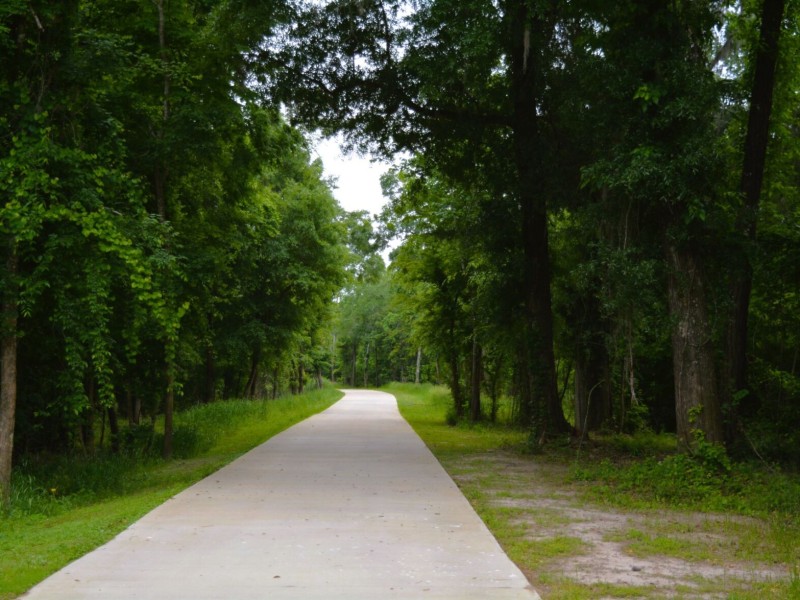
At issue for Southwest Georgia Rails to Trails is enforcing the city’s commitment to extend a trail along an abandoned railroad bed from Albany to Sasser, a 13.6-mile stretch through Dougherty, Lee and Terrell counties.
The group’s claim rests on an agreement reached in 2015 in which SGRT turned over the former railroad corridor in exchange for $150,000 and the city’s commitment to construct the multi-use trail.
SGRT filed the lawsuit in August 2020 after a May deadline passed on the five-year period in which the agreement to construct the trail had passed.
The group received a favorable ruling in Dougherty County Superior Court prior to the city seeking to dismiss the case, and as of March of this year had spent $91,000 in legal costs.
Now the two groups are looking to handle the matter through discussions in hopes of ending the legal battle.
“We’re trying to work on some approaches to hopefully get this (settled),” Albany City Manager Terrell Jacobs said. “We’re exploring in good faith so that we can come up with something we can both live with.”
The agreement has allowed the city to expand natural gas service and other utilities to Lee County along a portion of the 13.6 miles of linear trail.
The 13.6 miles of the former railroad bed was used by the city for that purpose shortly after the agreement was reached, according to the original lawsuit. That provided a financial gain to the city while leaving the city’s part of the bargain unfulfilled.
At the Appeals Court level, the city’s attorneys argued that the City Commission could not be locked into multi-year obligations by a previous commission and that the contract was unenforceable.
“This litigation has been going on a long time, and it’s still here,” Albany attorney Chris Cohilas, who is representing SGRT, said. “There have been some discussions. I just can’t comment on that discussion. In the meantime, we’ve got to continue to move forward.”
The state Supreme Court denied the city’s motion for dismissal and sent the case back to Dougherty County Superior Court in July.
The city has received funding from the Georgia Department of Transportation to design a trail at a cost of more than $1 million, and the city is hoping to get state grant funds for construction.
Those construction costs could be substantial, Mayor Bo Dorough said.
“It goes across three state routes,” he said. “You’ve got to have an overpass or an underpass at those locations.”
There are also wetlands to consider, as well as the opposition of landowners to the project, the mayor said.
As the lawsuit moves forward, discovery in the case is ongoing and a status conference is scheduled for Dec. 3.
“The case is simple in that SGRT wants the city to do what it said it would do,” Cohilas said.
“We’re moving forward with our lawsuit. We’ve been very successful so far. We’re going to be before the judge to try to get a trial date. We’re looking to get to trial as soon as we can. Hopefully that’s some time in 2027.”
Author

Related Articles
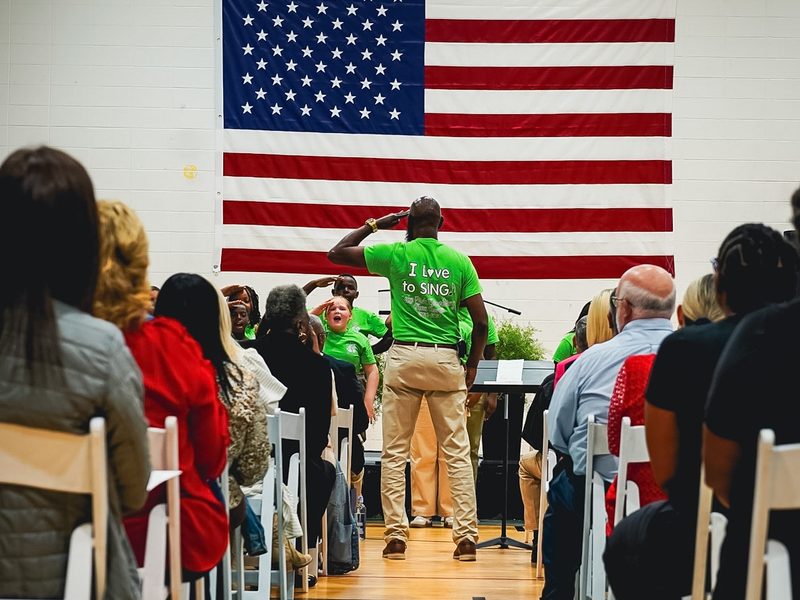
From Army medic to nurse educator, Taylor shares lessons of service at Phoebe
When Sharrell Taylor left the Army, the lessons she learned as a medic followed her into nursing: Stay calm under pressure, trust your training and support the people beside you.
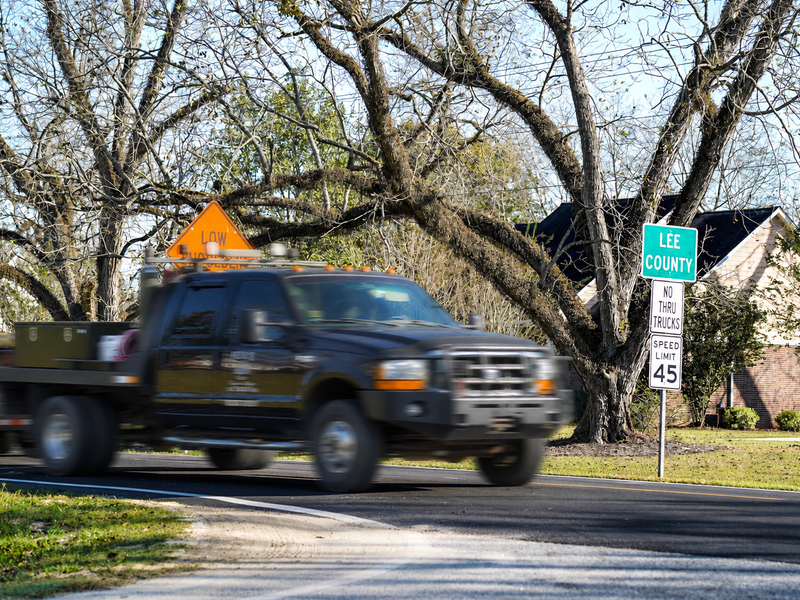
Lee County moves to make Winifred Road’s 45 mph limit official
Lee County commissioners on Tuesday started the process of making 45 mph the official speed limit on Winifred Road, after a study found that most drivers on the residential road already travel faster than that.
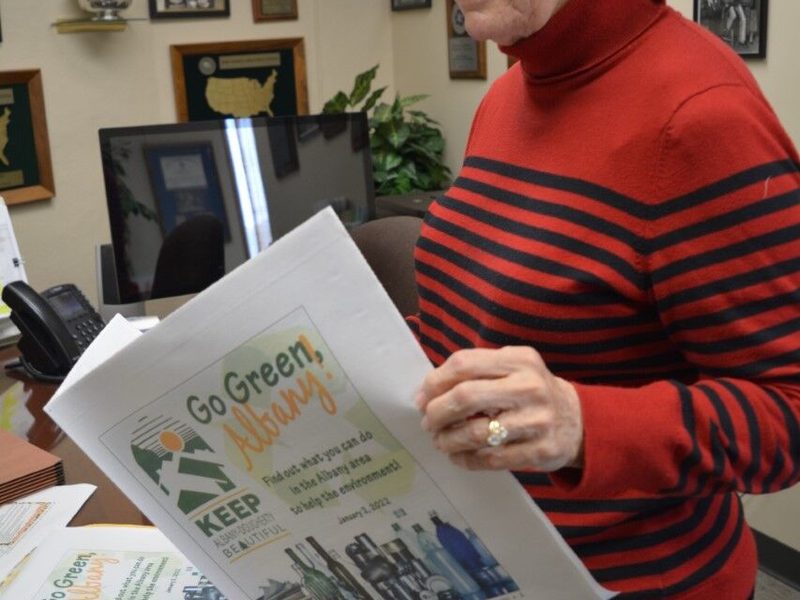
Judy Bowles remembered for her work Keep(ing) Albany-Doughety Beautiful
Judy Bowles, who died on Thursday, left a legacy that can be measured.
