
Initial expressions: ‘The Art of the Monogram’ through the ages
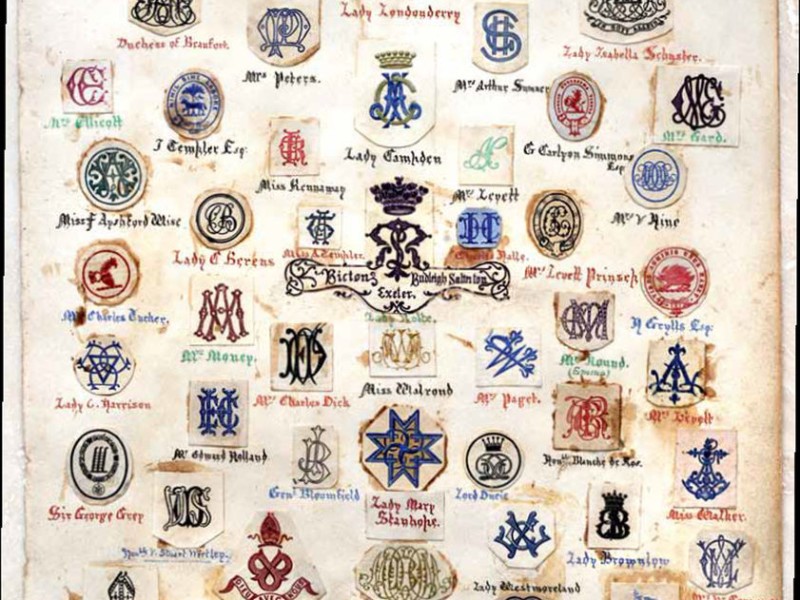
Victorian era scrapbook pages display a collection of monograms and crests saved from the envelopes of letters, invitations, and announcements. This hobby began after the introduction of the envelope in 1840. (Photo courtesy Cynthia Brumback, “The Art of the Monogram”)
Jim Hendricks
ALBANY — Most people at some time have had their monogram placed on something, from an article of clothing to an accessory such as a purse or wallet to a decorative object for the house. But few likely have considered the history and art behind those two- or three-letter pieces.
One who has, Cynthia Brumback of Orlando, Fla., also spent considerable time studying the history of the monogram, compiling her research in her book “The Art of the Monogram.” She’ll be in Albany Monday signing copies of her book at Place on the Pointe.
“I have a monogram business (The Monogram Merchant) and that’s how I got interested in writing this book,” Brumback said in a recent phone interview. She was looking for a book on the history of monogramming for her business and discovered there wasn’t one. So, she set about to write it.
“The book is really a pictorial history of the monogram that starts in the days of Charlemagne and really goes through today. Researching it, I thought, this is something that people have done, really, for over 20 centuries when you look back to ancient Greece and Rome and municipalities marked their coins either with the initials of the ruler or the city itself to authenticate it.
“This is a form of personal expression that goes way, way back.”
There also are prominent religious uses of monograms. Chi Rho (XP), the first two letters of Christ in Greek, and IHS, which stands for the phrase “Jesus, savior of mankind,” are “the original sacred monograms,” she said.
“You see those a lot in churches, on altars, in decorations, stained-glass windows,” Brumback said.
Today, events like a couple’s engagement, a graduation or the birth of a child are among the common reasons that people get monograms created for someone. But Brumback said she wanted to delve deeper into the tradition as a form of artistic expression. She said she was looking for where the practice started and to explore how people today are inspired in ways they’re unaware of.
Brumback described her book, which includes photos illustrating the monogram usages over the years, as a “labor of love.”
“I probably spent two or two and a half years worth of work on the book itself,” she said. “I’d say three-quarters of that was spent on research and gathering images.” The other six months were spent photo shooting at places like the Biltmore House in Asheville, N.C., and museums.
“It was a lot of work to research these things and not only to look at the historic clues of what influenced monogramming century after century, but come up with interesting and attractive examples of it.”
She said she came across many spectacular pieces.
“One of the things that interesting about it,” Brumback said, “is not only the quality of the artistry that people have used to personalize their belongings for centuries but also the wide variety of formats that people have used.”
Faberge egg of diamonds and enamel, sterling silver, hand-stitched linens, stained glass are among the examples. “You name it,” she said, “and people have monogrammed it.”
Brumback said she has “a handful” of favorites that she discovered, including a hand-drawn one created by a young George Vanderbilt in a sketchbook. “He was at the age of 12 designing his monogram,” she said, “He must have had grand plans.
“He was the youngest of eight children; his older siblings were building grand houses and living exciting, luxurious lives. He as a small boy had lots to inspire him.”
Another favorite — a contemporary one — comes from country music superstar Taylor Swift. In her “Fearless” concert tour in 2010, she incorporated her monogram in two different sets she used.
“Taylor Swift is well known as someone who like monogramming,”Brumback noted, “In her tour that year, a lot of her songs were about princes and princesses. She had a beautiful set like a medieval castle and she had the monograms put where they would have been if it were a real castle.” Also, had a set with a theater curtain with her monogram.
She said it’s interesting to see techniques that were used in medieval European castles included in a modern pop concert an ocean away. Brumback said it’s a “statement of personal expression that is never going to go away. She (Swift) used it the same way that it was used it in the 1500s.”
Many of the ways monograms are used today are extensions of they way they were used hundreds of years earlier, she said. “We don’t always know where we’re getting our inspiration from,” she said.
Brumback will be at Place on the Pointe, 2416 Westgate Drive., to sign copies of her book on Monday, which also will feature the Ex Voto Jewelry Trunk Show and silhouette artist Tim Arnold. Arnold also will be at the specialty gift shop on Tuesday. Call (229) 883-6585 for information.
Related Articles
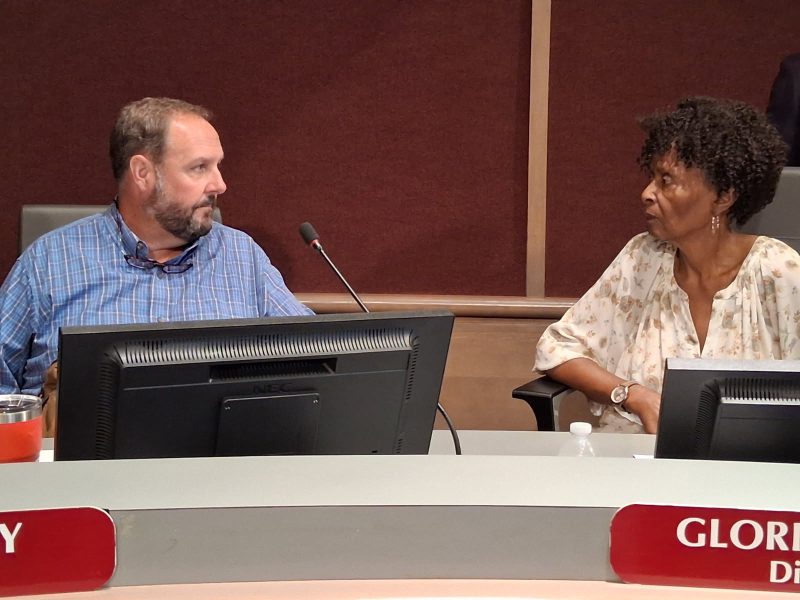
Dougherty Commission considers $104 million budget for 2026-2027 budget year
“The other side of the coin is you could have higher revenues than projected. We’re very conservative in budgeting revenues. That also reduces the need to use fund balance”
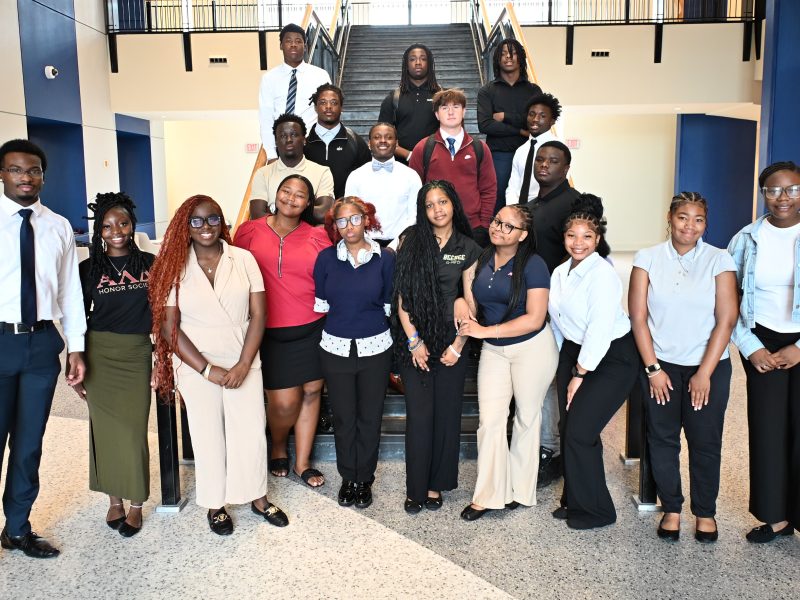
PHOTOS: Albany State Summer Success Academy
Photos by Reginald Christian, Albany State University

Albany gas prices among Georgia’s lowest as summer fuel costs decline
According to AAA, the average price for a gallon of regular gasoline in the Albany metro area was approximately $3.45 this week, making Albany the second-least expensive metro market in Georgia behind Dalton at $3.41 and slightly ahead of Brunswick at $3.48.
