
Albany State receives National Science Foundation grants surpassing $3.6 million
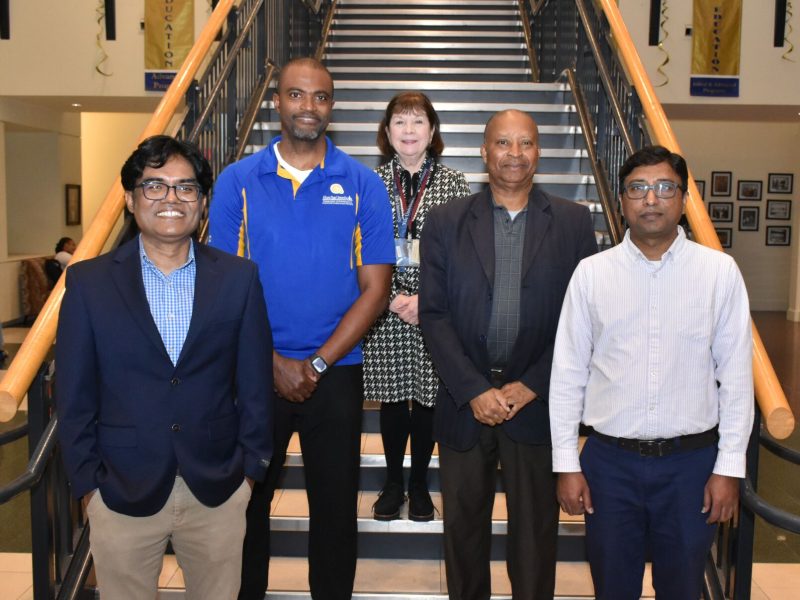
Albany State University professors will oversee special programs utilizing more than $3.6 million in grants distributed by the National Science Foundation.
Special Photo: ASUStaff Reports
[email protected]
ALBANY – Albany State University has received three grants from the National Science Foundation totaling more than $3.6 million.
“These grants represent a significant investment in our research capabilities and will enable us to make further strides in advancing science,” interim ASU President Lawrence Drake said. “The grants will support research in various fields, including biology and STEM. This funding will provide essential resources and support to our faculty and students, allowing them to conduct cutting-edge research and pursue innovative projects that will benefit the university community and beyond.”
The first grant, totaling $299,998, from the Historically Black Colleges and Universities Undergraduate Program – Research Initiation Awards program, is for the project “Enhancing the Decontamination Process of Foodborne Pathogens to Increase the Shelf Life of Food.” This project will be overseen by Niamul Kabir in the Department of Natural Sciences.
The goal of this project is to improve the decontamination process of Escherichia coli O157:H7, non-typhoidal Salmonella, and Listeria monocytogenes bacteria to increase the shelf life of different foods by utilizing elevated hydrostatic pressure/high-pressure processing, mild temperature and natural antimicrobials. This research on the synergistic effect of HPP with different natural antimicrobials and environmental factors can provide additional insight into how the HPP process can be augmented to improve food safety and prevent foodborne disease outbreaks more effectively.
The second grant, totaling $2,999,904, will be distributed over five years for the project “Building A Community of STEM Practitioners.” The multidisciplinary project will be overseen by Cheninye Ofodile, John Williams, Zephyrinus Okonkwo, Robert Owor and Dorene Medlin.
This project examines whether establishing a hub for science, technology, engineering, or mathematics activities at an HBCU in rural southwest Georgia can catalyze community, school district and industry partnerships to work toward improving STEM education. Evidence-based teaching strategies, some of which are not typically utilized in STEM courses, will be taught to faculty and high school teachers participating in this project. An innovative STEM Ambassadors program will create new relationships between ASU faculty and teachers in local school districts by creating a cohort of 12-15 teachers who meet monthly with ASU STEM faculty to receive training in up to three specialized skills.
ASU STEM faculty also will work on a co-curricular and extra-curricular basis with teachers and students in area K-12 school districts to assist and guide robotics competitions such as the FIRST Robotics Competition.
Additionally, a Summer Bridge program for incoming undergraduate students will focus on the courses that freshmen STEM majors take during their first year at ASU to help enhance students’ college readiness and technological skills. The project’s support structures, program elements, and partnership-building activities could serve as a model to other universities seeking to revitalize and strengthen their STEM degree programs for the betterment of students and society.
The third grant, totaling $363,934, from the HBCUP-RIA program, is for the project “Nano-vehicles for delivery of small molecules to mitochondria in Saccharomyces cerevisiae model.” This project will be overseen by Balasubramani Subramani Paranthaman in the Department of Natural Sciences.
This three-year project aims to develop resveratrol-encapsulated nanoparticles capable of transgressing the cell boundaries and reaching the mitochondria. Mitochondria are essential organelles in the eukaryotic cells. They provide energy and play a significant role in cell survival. Current research is focused on developing nanoparticle-based methods to deliver drug-like molecules to mitochondria.
Resveratrol is one natural product identified to have positive modulation effects on mitochondria due to its ability to alter the production of reactive oxygen and modulate gene expression, thereby changing mitochondrial dynamics, which influence the physiology and survivability of cells. This strategy can help to control the life and death of cells. Such technology will have several human and animal health applications, improving plant productivity and biomanufacturing.
These grants will benefit ASU and the wider academic and research community. The research conducted using these funds will contribute to our understanding of some of the most pressing issues facing society today. It will help to advance our knowledge and capabilities in science and technology.
Author

Related Articles
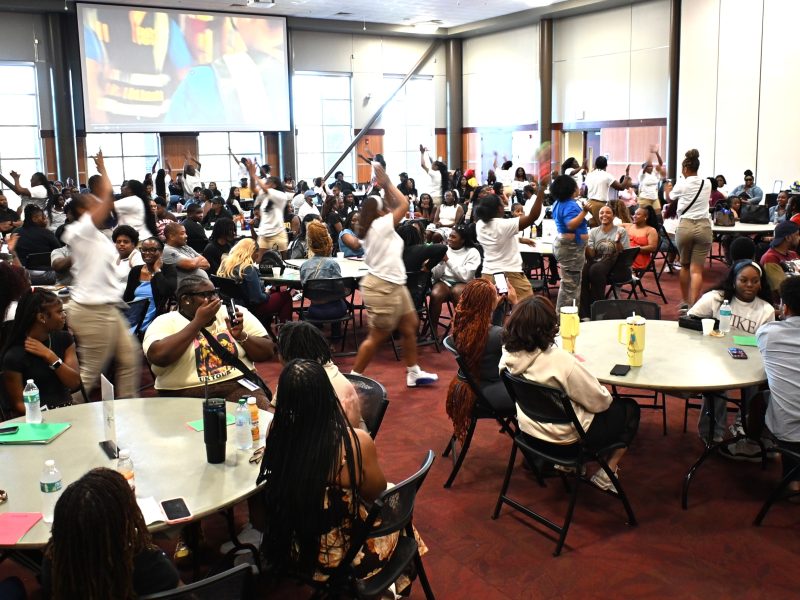
PHOTOS: Albany State New Student Orientation
Photos by Reginald Christian, Albany State University
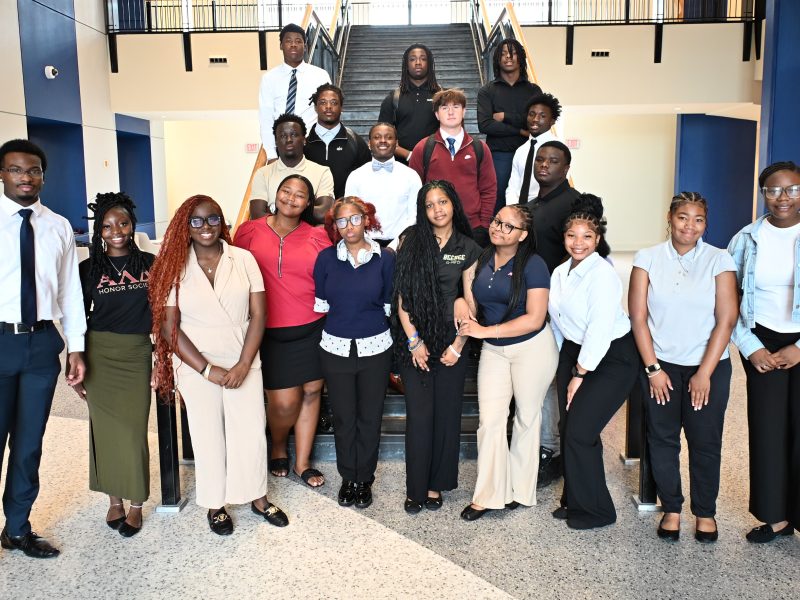
PHOTOS: Albany State Summer Success Academy
Photos by Reginald Christian, Albany State University
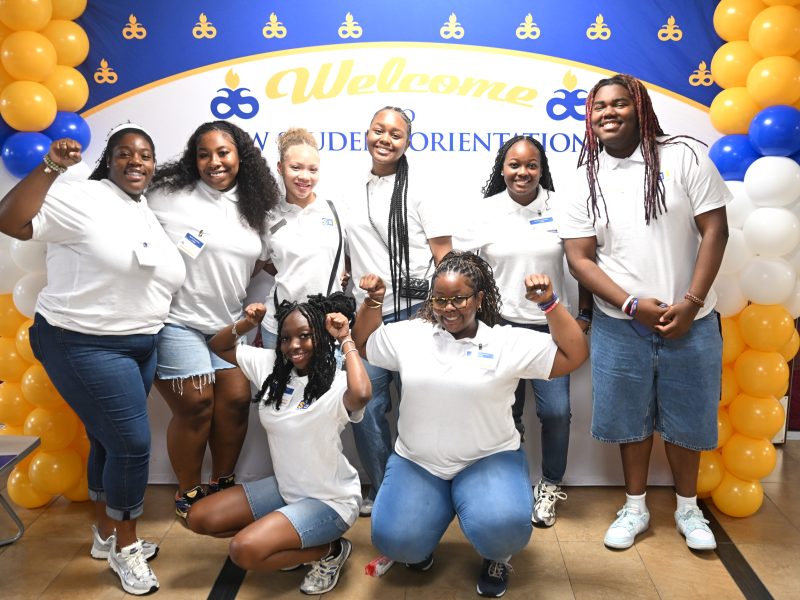
PHOTOS: Albany State University New Student Orientation
Photos by Reginald Christian, Albany State University
