
Albany Area Arts Council to display ‘Whispers from the Past’ exhibition from Georgia Southwestern grad
By Lucille Lannigan
[email protected]
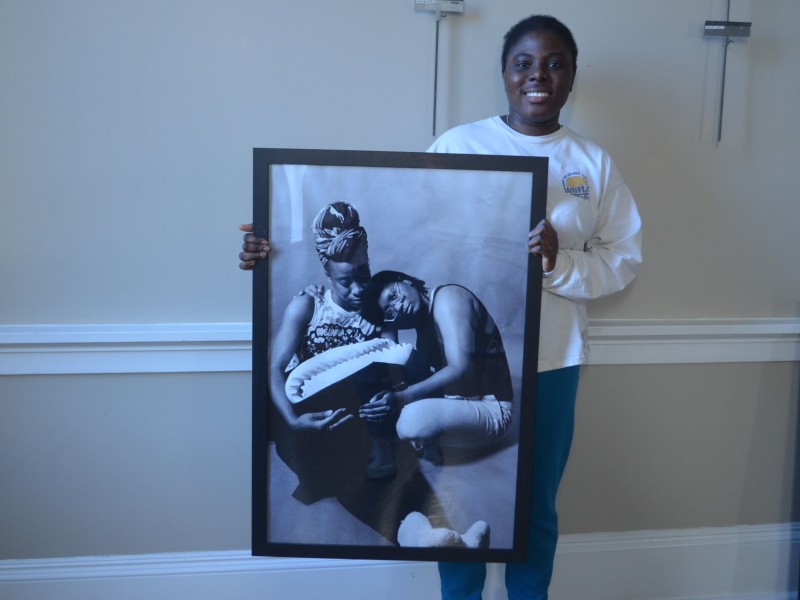
ALBANY — Sefunmi Adebanwo’s art tells a story of identity, of immigrating, and of the meeting of African and Black culture.
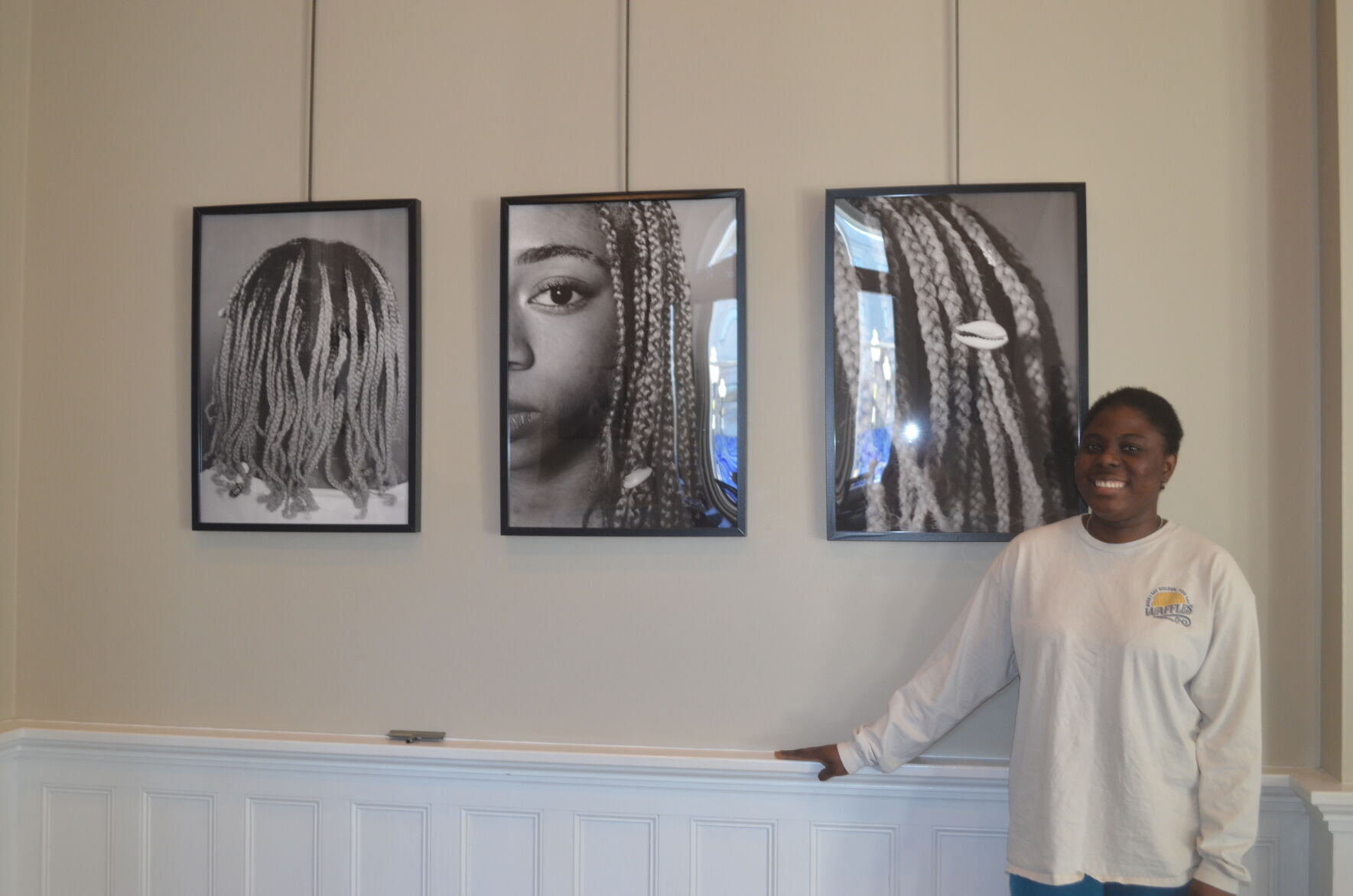
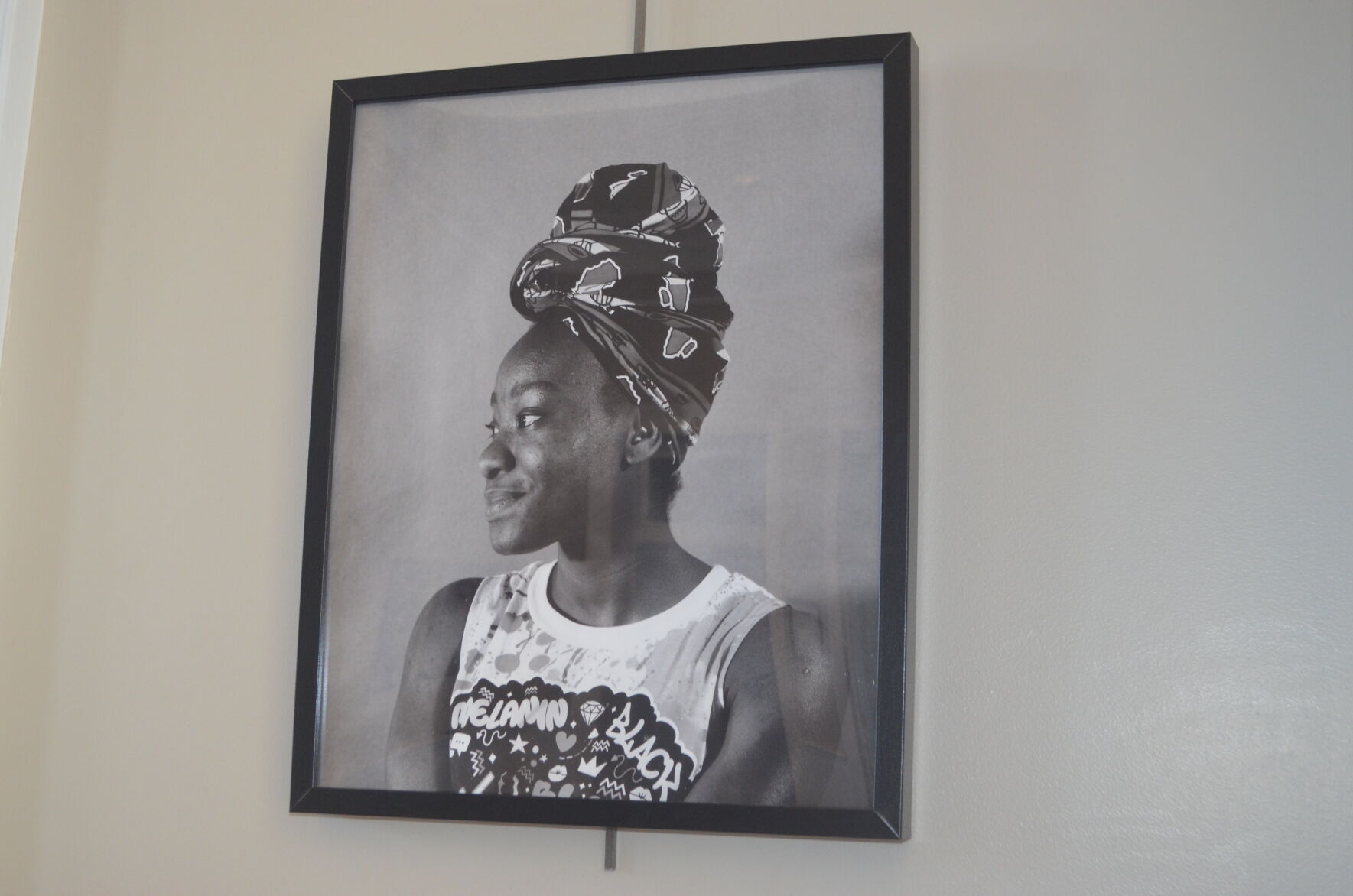
The 25-year-old Georgia Southwestern State University graduate’s black and white photography captures images of black lives — close-ups of braided hair, bonnets, smiling faces — and connection. She hand-sculpts cowrie shells out of clay — each one a unique shape and size.
“My art is a way of me getting to know myself, my roots, my past and present,” Adebanwo said.
Her exhibition, “Whispers from the Past,” will be displayed beginning Feb. 8 at the Albany Area Arts Council’s Carnegie Building at 215 N. Jackson St. The opening reception is free and runs from 6-8 p.m.
One of Adebanwo’s works won Best in Show at the 23rd annual Southwest Georgia Regional Fine Arts Exhibition, which led to her receiving a solo art show, Nicole Williams, the AAAC executive director, said.
The annual contest is open to anyone 18 years and older in the region with a $35 entry fee. The exhibit judge chooses a winner, and in June, Adebanwo’s stood out.
She said when one of her GSW professors directed students to think about “hot-button” topics for their work, Adebanwo felt drawn to taking a look at her past and her identity. She said she wanted to explore what it means to be a black woman in America.
Adebanwo moved to Atlanta from Nigeria when she was just 12 years old.
“I’m coming from a place where I didn’t see color,” she said. “But here, society identifies me as a black woman. It was a weird transition, and my art is me learning what it means to be a black woman.”
Adebanwo said hair was her starting point — the literal roots of her past. Her photography and other pieces take a look at the intricacies of braiding and beading hair.
Her sculptures also depict different-sized cowrie shells. She said the shells are used in hair, in clothing, as money and as a sign of status in Nigeria.
“I’m more connected to my art compared to the past with my ceramics pieces,” Adebanwo said. “I’m working with the clay. I’m carving the clay. I’m shaping the clay.”
She said she can see her past through the shells.
Adebanwo said her work also challenges racial stereotypes and views on black people.
“I just wanted to take beautiful pictures of everyone being human … rather than people just judging,” she said. “We are all the same.”
Adebanwo said creating her work is a learning experience that is continuous.
“I feel like I’m still learning about my art, and we’re growing together,” she said. “We haven’t reached our final destination.”
The artist said she hopes people love the show and that they learn from it.
“It’s a serious issue to me and to many young girls who are trying to find themselves,” she said. “I want people to find a sense of connection and community.”
Williams said it’s Adebanwo’s authenticity that makes her work special.
“There’s something about an artist that’s making art that resonates with them,” the AAAC executive director said.
While not intentional, Williams said the opening of Adebanwo’s show coinciding with the beginning of Black History Month gives it more meaning.
She said it’s important to the AAAC to exhibit art that is representative of the community. Three-quarters of Albany’s population is African American, according to the U.S. Census Bureau.
However, Williams said there are still sometimes gaps in representation.
“Sefunmi’s work … and the show itself — it’s representative of what people don’t always get to see,” Williams said. “I hope there are parts of the community who are able to see themselves.”
She said she also hopes there are parts of the community who get to learn about identities unlike their own.
Adebanwo’s work will be in the Carnegie Building Gallery until March 7. The gallery is open Monday-Thursday from noon-4 p.m. The exhibition is free and open to the public.
Author

Related Articles

Births
Unless otherwise noted, the following births all took place at Phoebe Putney Memorial in Albany between Feb. 17-April 11, 2025:
Births
Unless otherwise noted, the following births all took place at Phoebe Putney Memorial in Albany between April 13 and May 23, 2025:
Albany Area births
Unless otherwise noted, the following births took place at Phoebe Putney Memorial Hospital from June 1 to June 14, 2025.
