
Andersonville National Historic Site to host ‘Raising the White Flag: Surrender During the Civil War’
Surrender occurred more frequently during the Civil War than in any other American conflict

Jennifer Parks
From Staff Reports
ANDERSONVILLE — Author David Silkenat will answer questions and dig deeper into the complexities of surrender during the Civil War in a special presentation on Sunday at Andersonville National Historic Site.
Surrender occurred more frequently during the Civil War than in any other American conflict, in turn adding to the complexity of the war. During the Battle of Plymouth in April 1864, the 85th New York Volunteer Infantry Regiment surrendered to Confederate forces, and the regiment’s nearly 500 enlisted soldiers found themselves within the confines of the Camp Sumter prison at Andersonville a few weeks later.
In today’s Code of the United States Fighting Force, Article II states, “I will never surrender of my own free will. If in command, I will never surrender the members of my command while they still have means to resist.” Even though not formal law, the code is considered an important part of U.S. military doctrine and tradition.
Silkenat is expected to address whether there was a similar code in place during the Civil War, how those who surrendered were viewed by their comrades and how surrender affected the way captors treated prisoners of war.
The program will start at 2 p.m. at the historic site’s National Prisoner of War Museum.
Silkenat is a senior lecturer at the University of Edinburgh. He is the author of three books: “Raising the White Flag: How Surrender Defined the American Civil War,” released this year, as well as “Driven from Home: North Carolina’s Civil War Refugee Crisis” in 2015 and “Moments of Despair: Suicide, Divorce, and Debt in Civil War Era North Carolina” in 2011.
He is a two-time winner of the North Caroliniana Society Book Award. He serves as the chairman of the Scottish Association for the Study of America and on the editorial board for the Journal of the Civil War Era. A book-signing will follow Silkenat’s presentation.
Andersonville National Historic Site is located 10 miles northeast of Americus on Georgia Highway 49. The national park features the museum, Andersonville National Cemetery and the site of the prison. It is the only national park within the National Park Service to serve as a memorial to all American prisoners of war.
Park grounds are open from 8 a.m.-5 p.m. daily. The museum is open from 9:30 a.m.-4:30 p.m. daily. Admission is free. For more information on the park, call (229) 924-0343, or visit www.nps.gov/ande/.
Related Articles
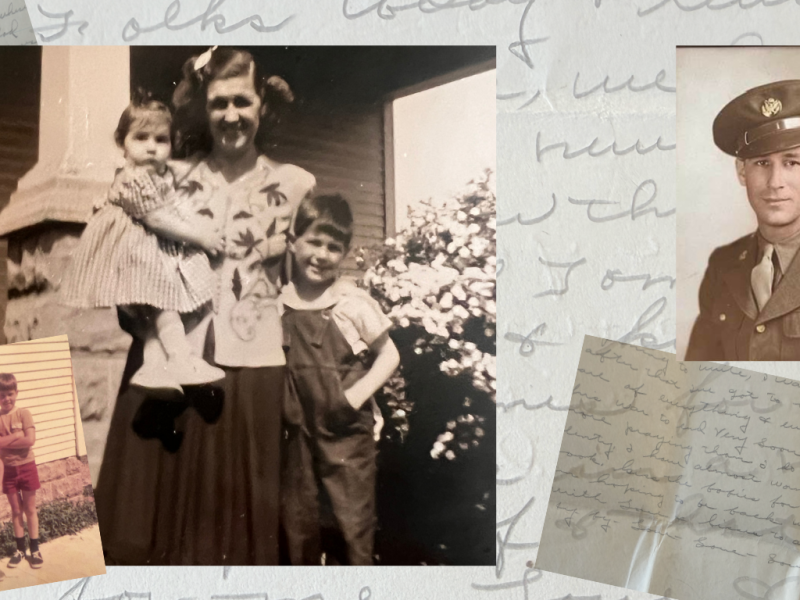
My Grandpa Was Killed in World War II. I Met Him Through His Letters Home
Gina Wolf’s grandfather died before she was born. His letters sent to her grandmother from Europe during World War II made it possible to know what kind of man he was.
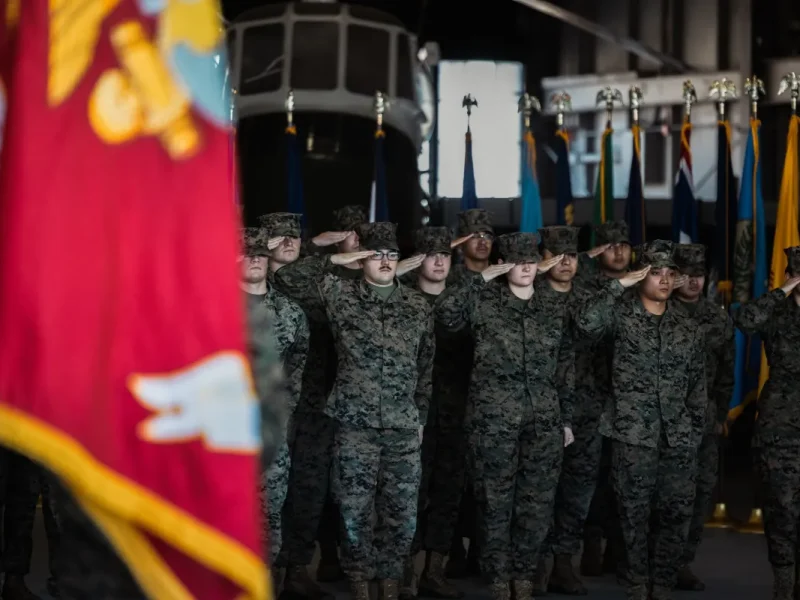
‘Sounds Like a Mutiny.’ Secret Recording Exposes Claims of Toxic Leadership After a Marine’s Suicide
This week’s War Horse story follows the systemic failures before and after the death of Cpl. Drew Mobley who was the third in two years at Marine Corps Base Quantico to die by suicide.

Southwest Georgia artists recognized at packed opening of exhibition
The annual juried exhibition, one of the region’s largest showcases of visual art, features approximately 46 artists and nearly 90 works spanning painting, sculpture, ceramics, photography and mixed media.
