
Buy local
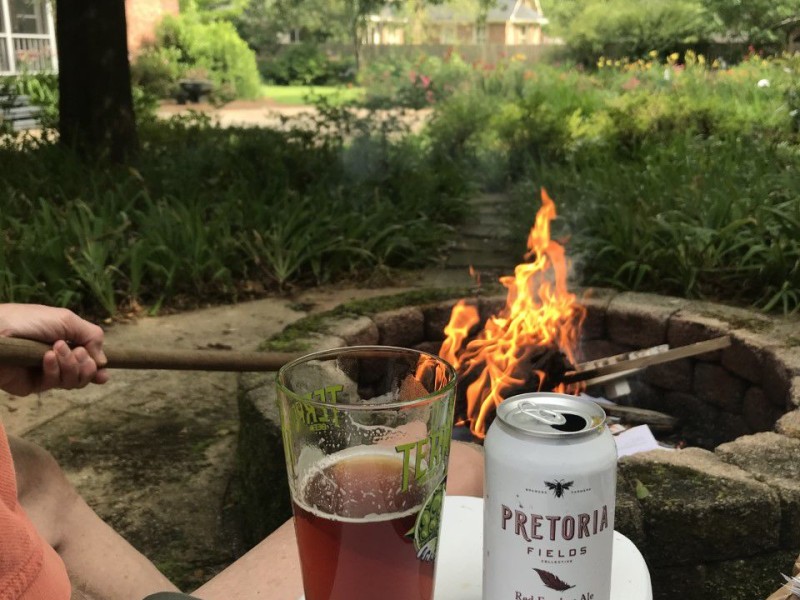
Special Photo: Doug Porter
By Doug Porter
Special to the Herald
ALBANY — Sometime back in April, at the height of the pandemic, we saw on the news that all Americans would receive a coronavirus relief check in the amount of $1,200 per person. The government called them “economic impact payments.” This meant that my wife and I, as joint filers with the IRS, would receive $2,400. It arrived in the mail in late May. To be honest, we felt a little guilty. We knew others needed it more and we wondered whether to send it back, give it to charity, or save it for a rainy day.
I am careful with my money. Some might call me a cheapskate, but I prefer to think of it as thrifty. I can’t bear to pay full price for something that might be on sale next week. If I need underwear or socks, I’ll go to two or three stores looking for the best price. When I am low on coffee, I browse the grocery flyers looking for a good brand on sale. My wife and I seldom go out to restaurants, movies, or concerts and only occasionally to a Braves baseball or college football game. I spent a lifetime as a “public servant,” working in zoos, parks, and museums while my wife has spent her career in public libraries and school media centers. We never made much, but we watched our money and can get by on what we have — at least for now.
As we discussed the concept of government assistance, we began to realize that these economic impact payments were not for us. This stimulus money was for us to spend. That money needs to flow into the system, not so much for us but for the people who we will pay for their goods and services.
So, to put our government “handout” to good use, we developed a list of local restaurants that were closed. Many of them were struggling to make ends meet by providing takeout food. We are working our way through that list, which is still on our refrigerator, by ordering takeout twice a week and enjoying the specialties our local eateries have to offer — calzones from Harvest Moon, pizzas from My Pie, and salads from Chick-fil-A.
Some local products are expensive for my taste, but in the interest of stimulating the local economy I am learning such challenging tasks as how to savor local beer from Pretoria Fields Brewery. My current favorites are Red Feather ale and Brown Thrasher ale. These are not beers to guzzle by the six-pack. These are to be savored in a chilled glass on a spring afternoon by the fire.
The grass-fed beef produced by White Oak pastures over in Bluffton is available at Publix. If you shop strictly by price, you will miss out on a genuine treat. When I put their hamburgers on the grill, I need not keep a spray bottle of water handy to knock down the flames from the fat dripping on the burners. This is lean beef that tastes better and is grown in a pasture 40 miles from my front door, not in a feedlot somewhere in Nebraska.
It is difficult to shift from buying cheap to buying local. You would think when money is tight in a down economy that we should flock to Walmart for those cheap, foreign goods. But buying cheap benefits the global economy and the corporations that shifted overseas in the name of greater profits. People who work in Asia and south of the border live in a less robust economy and can work for much less money than can workers in the United States. We help them by buying their foreign-made goods while shunning more expensive goods made by our neighbors.
One of the few ways I’d like to go back to the good old days is to buy, barter and trade locally. I miss getting advice from the guy who runs the local hardware store. I miss browsing the shelves of the corner bookstore or finding fresh local produce at a mom and pop grocery market.
While we can’t always afford to choose the expensive local option, we can be more conscious about how we spend our money. We should buy products made by our neighbors — products like Miller beer, P&G paper products, and Mars candy bars. I have not canceled the automatic debit payments for my gym membership even though I don’t plan to go back any time in the near future.
As the pandemic drags on, I am beginning to realize that the return to normal I had hoped for is not likely to occur. Instead, we are faced with a new normal — a normal that includes wearing a mask when inside public spaces, of not hugging or even shaking hands with family and friends, and of a refrigerator stocked with local beer and beef. So as I do my part to flatten the curve and stimulate the local economy, I’ll raise a chilled glass of Pretoria Fields Red Feather ale and say, “Cheers to the new normal.”
Related Articles
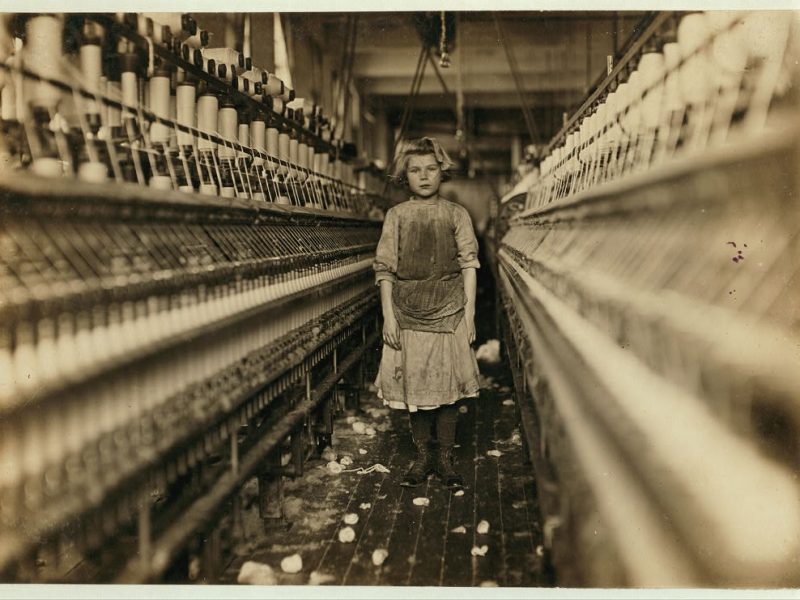
From cotton to cloud: In the data center debate, is rural Georgia once again being asked to carry the cost?
Across much of rural Georgia, the abandoned cotton warehouses and shrinking tax bases remain — enduring reminders that industries built to serve distant markets do not necessarily stay rooted in the communities that first sustained them.
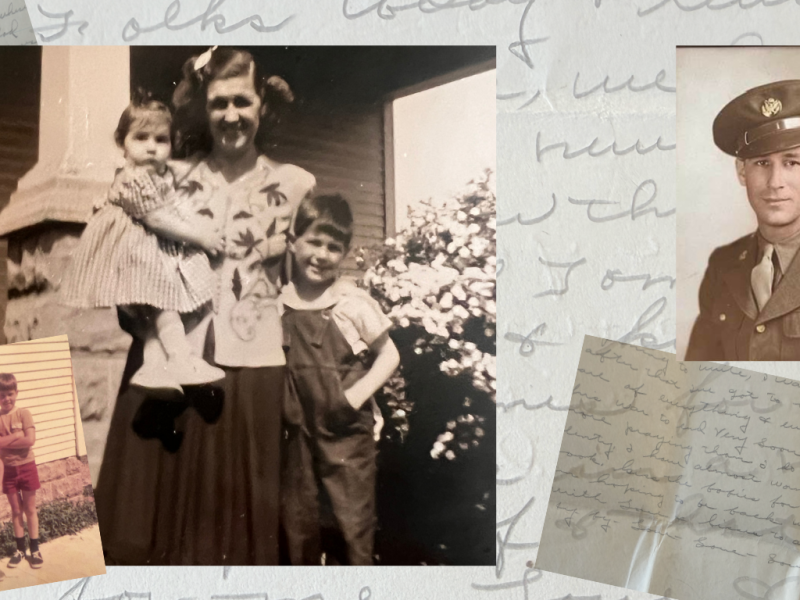
My Grandpa Was Killed in World War II. I Met Him Through His Letters Home
Gina Wolf’s grandfather died before she was born. His letters sent to her grandmother from Europe during World War II made it possible to know what kind of man he was.

‘Sounds Like a Mutiny.’ Secret Recording Exposes Claims of Toxic Leadership After a Marine’s Suicide
This week’s War Horse story follows the systemic failures before and after the death of Cpl. Drew Mobley who was the third in two years at Marine Corps Base Quantico to die by suicide.
