
CREEDE HINSHAW: Leave room for flexibility in prayer
By Creede Hinshaw
[email protected]
A couple of weeks ago my wife and I visited Fort King George, a meticulously reconstructed British fort and the first permanent British settlement in Georgia. Built in 1721 on a strategic bend of the Altamaha River at what is now Darien, the first soldiers to man this garrison were faced with crushing boredom, plagued by insects and attacked by disease. Many of them are buried there.
By 1736 that remote outpost was garrisoned by Scots Highlanders who, on Jan. 2-3, 1737, were visited by John Wesley, at that time a priest in the Church of England and chaplain to the colony of Georgia under James Oglethorpe. Wesley had stopped at Fort King George on one of his trips between Savannah and Fort Frederica on St. Simons Island.
Wesley’s visit was in keeping with his determined character to spread the gospel to the ends of the earth, and he noted in his journal that Fort King George was the first place he had ever prayed “extempore.” This Oxford scholar who cut his teeth on the Book of Common Prayer and probably knew many of the beautiful written prayers by heart, prayed for or with these Highlander soldiers off the cuff, composing his prayer as he spoke.
I write this column not to enter into the fray over which type of prayer is “better.” Many congregations pray printed prayers in weekly worship, either led by a pastor or priest or prayed in unison by the congregation. The Lord’s Prayer as now used is a beautifully composed prayer. These deeply moving prayers, which allow the church to pray corporately, express praises, petitions or confessions a congregation might not offer if left to its own poor vocabulary.
Praying “spontaneously” can be equally meaningful. Many pastors and laypersons pray while led by the Spirit, employing words that flow from deep within the soul. Other pastors may compose or sketch a prayer out in advance. However, caught up in the Spirit or in the spirit of the worship service, these pastors also find themselves, like Wesley, praying “extempore”.
There are many forms of prayer, including the ancient discipline that eschews words completely. Rather than engaging in a pointless debate over which form of prayer is better or more effective, we should pray according to circumstance and spiritual development. No form of prayer is superior.
Wesley’s first extempore prayer illustrates another of Wesley’s life-long tendencies: He was flexible and creative, willing to be led by the Spirit and improvise when necessary or desirable. His field preaching, his use of women in ministry and his willingness to ordain Francis Asbury as bishop come to mind immediately. Getting stuck in old habits, strategies and patterns is to abandon trust in the amazing, explosive work of the Holy Spirit.
I pray (by employing a word processor) that the people of God, guided by the ever-fresh Holy Spirit, will ever be prayerfully flexible and flexibly prayerful.
Author
Related Articles
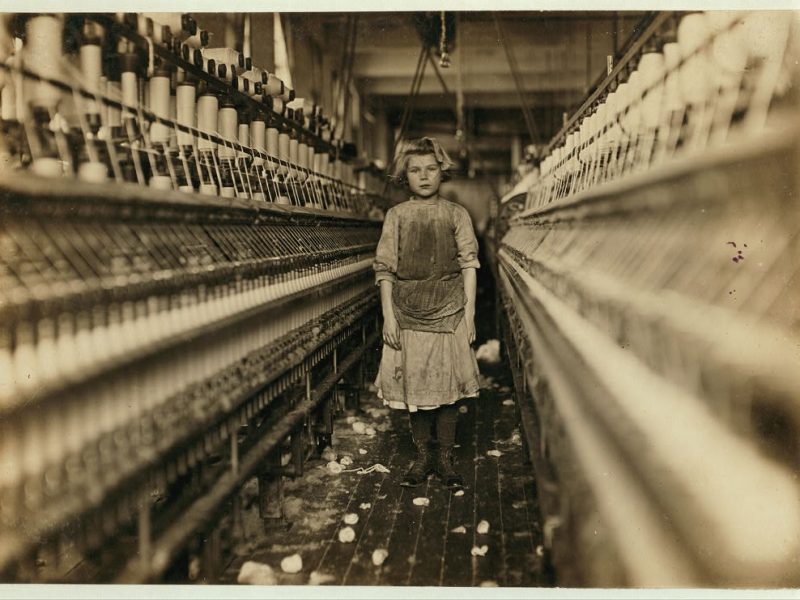
From cotton to cloud: In the data center debate, is rural Georgia once again being asked to carry the cost?
Across much of rural Georgia, the abandoned cotton warehouses and shrinking tax bases remain — enduring reminders that industries built to serve distant markets do not necessarily stay rooted in the communities that first sustained them.
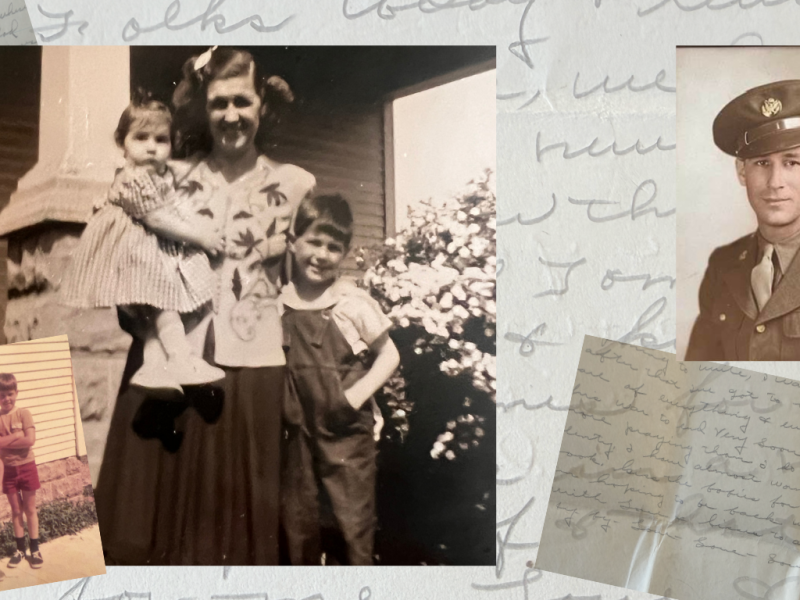
My Grandpa Was Killed in World War II. I Met Him Through His Letters Home
Gina Wolf’s grandfather died before she was born. His letters sent to her grandmother from Europe during World War II made it possible to know what kind of man he was.
‘Sounds Like a Mutiny.’ Secret Recording Exposes Claims of Toxic Leadership After a Marine’s Suicide
This week’s War Horse story follows the systemic failures before and after the death of Cpl. Drew Mobley who was the third in two years at Marine Corps Base Quantico to die by suicide.
