
DEBBIE RICHARDSON: Violence has lasting impact on youngsters
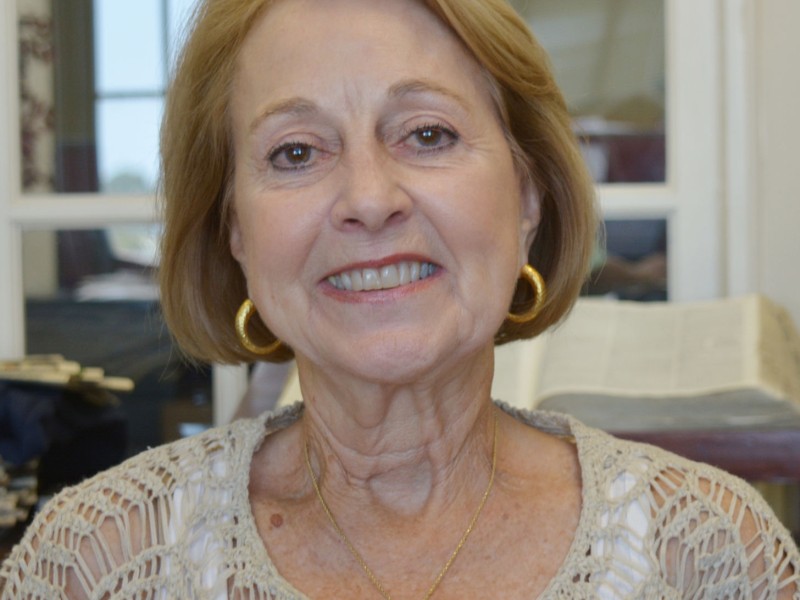
By Debbie Richardson
[email protected]
Each month the Herald will highlight programs and individuals in our community with the goal of improving the health and safety of individuals in southwest Georgia.
I am alarmed about the effects of school and neighborhood violence on the safety and mental health of our youth. My nursing degrees and credentialing as a child and adolescent psychiatric clinical nurse specialist, and my experience working with and advocating for the behavioral health needs of students, have made it imperative that I address the facts that have led to this critical public health issue that impacts us all, but especially our most vulnerable – our kids.
The Center for the Developing Child at Harvard University has confirmed that experiencing trauma either by being the victim or an observer can affect a child’s development and have lifelong impact on physical, developmental, intellectual and emotional growth. Stress hormones are released to help individuals react to stressful situations, but long-term exposure to threat of violence can flood the child’s system with these hormones, and can cause physiological and emotional changes.
The physical complications include higher risk of developing metabolic issues such as diabetes; circulatory issues, including high blood pressure and heart disease; autoimmune disease, and cancer. It can interrupt normal brain development which can lead to disrupted connections between neurons that are responsible for vision, hearing, language and higher cognitive function, including to learning and reasoning. That can lead to lower success in school and difficulty coping.
It is well-documented that people abused as children have a higher incidence of clinical depression and anxiety, and a higher risk of death from suicide. Now research and technology have begun to reveal what happens in the brain following all types of chronic stress and trauma.
The impact depends on the child’s developmental age, their perception of the incident, their personal resiliency and supportive systems after the event. It is now possible with neuroimaging to document the development of a child’s brain that may not be fully developed until the mid-20s. This is giving concrete evidence about how being exposed to a violent environment can affect normal growth and connectivity of the brain, as well as epigenetic changes for genes related to mental health, obesity and drug addiction.
Researchers who study trauma still are uncertain why people who experience it as children react in such different ways. For some, it doesn’t surface for years, making the effects harder to trace to their origin. For others, the torment overwhelms them from the start and, in many cases, never lets up.
Unfortunately, we are unable to reduce some stresses that have occurred in Albany in the past few years, such as the floods, tornadoes and a hurricane that have left some families homeless and in crisis. Other stressors are family violence, poverty and illness of the child or their family.
There also are stressors in schools, including negative peer pressures and bullying, but I am going to focus on actual gun violence or the fear of it that can cause interruption in the normal development of our children.
How prevalent is gun violence in America? Here are some frightening statistics sited in a CNN report from March 9, 2018:
♦ There have been 288 school shootings in the United States since 2009. (This is 57 times as many school shootings as the other major industrialized nations combined.)
♦ Firearms are the second-leading cause of death for American children and teens and the first leading cause of death for black children and teens.
♦ Nearly 1,700 children and teens die by gun homicide every year. For children under the age of 13, these gun homicides most frequently occur in the home and are often connected to domestic or family violence.
♦ Black children and teens are 14 times more likely than white children and teens of the same age to die by gun homicide
♦ In 2017, the Centers for Disease Control and Prevention’s National Center for Injury Prevention and Control reported approximately 3 million American children witness gun violence every year.
Regardless of whether you or your family are directly affected by gun violence it should concern you because this impacts our future generation, and it is our responsibility to assure a healthy environment enabling our kids to develop to their full potential. What can we do to combat this problem that can have damaging effects on the learning behavior health of the future generation? Education and awareness of the problem and the policies and laws that may perpetuate this problem is a first step.
Firearm policies do not seem to consider the degree of gun violence can affect our kids. If you would like to learn more about evidenced-based solutions to end school violence, access the following link. https://everytownresearch.org/impact-gun-violence-american-children-teens/.
It is also important to be familiar with programs in our community that address the needs of our youths and their mental health. There are many programs in our community that are addressing the emotional needs of kids. Aspire has the Apex program in many of our schools that offer programs to enhance mental health and counseling for high-risk students. The school system has many initiative currently that address the physical and emotional needs of students.
Related Articles

From cotton to cloud: In the data center debate, is rural Georgia once again being asked to carry the cost?
Across much of rural Georgia, the abandoned cotton warehouses and shrinking tax bases remain — enduring reminders that industries built to serve distant markets do not necessarily stay rooted in the communities that first sustained them.
My Grandpa Was Killed in World War II. I Met Him Through His Letters Home
Gina Wolf’s grandfather died before she was born. His letters sent to her grandmother from Europe during World War II made it possible to know what kind of man he was.
‘Sounds Like a Mutiny.’ Secret Recording Exposes Claims of Toxic Leadership After a Marine’s Suicide
This week’s War Horse story follows the systemic failures before and after the death of Cpl. Drew Mobley who was the third in two years at Marine Corps Base Quantico to die by suicide.
