
Do’s and don’ts for first-time campers
File Photo
File Photo: Tara Fletcher
File Photo
By Tom Seegmueller
[email protected]
“Go camping,” they said. “It will be fun,” they said.
This lament is too often the epithet for those who decided to venture into the great outdoors for the first time. Fortunately, this lamentation can be easily prevented with proper preparation and planning.
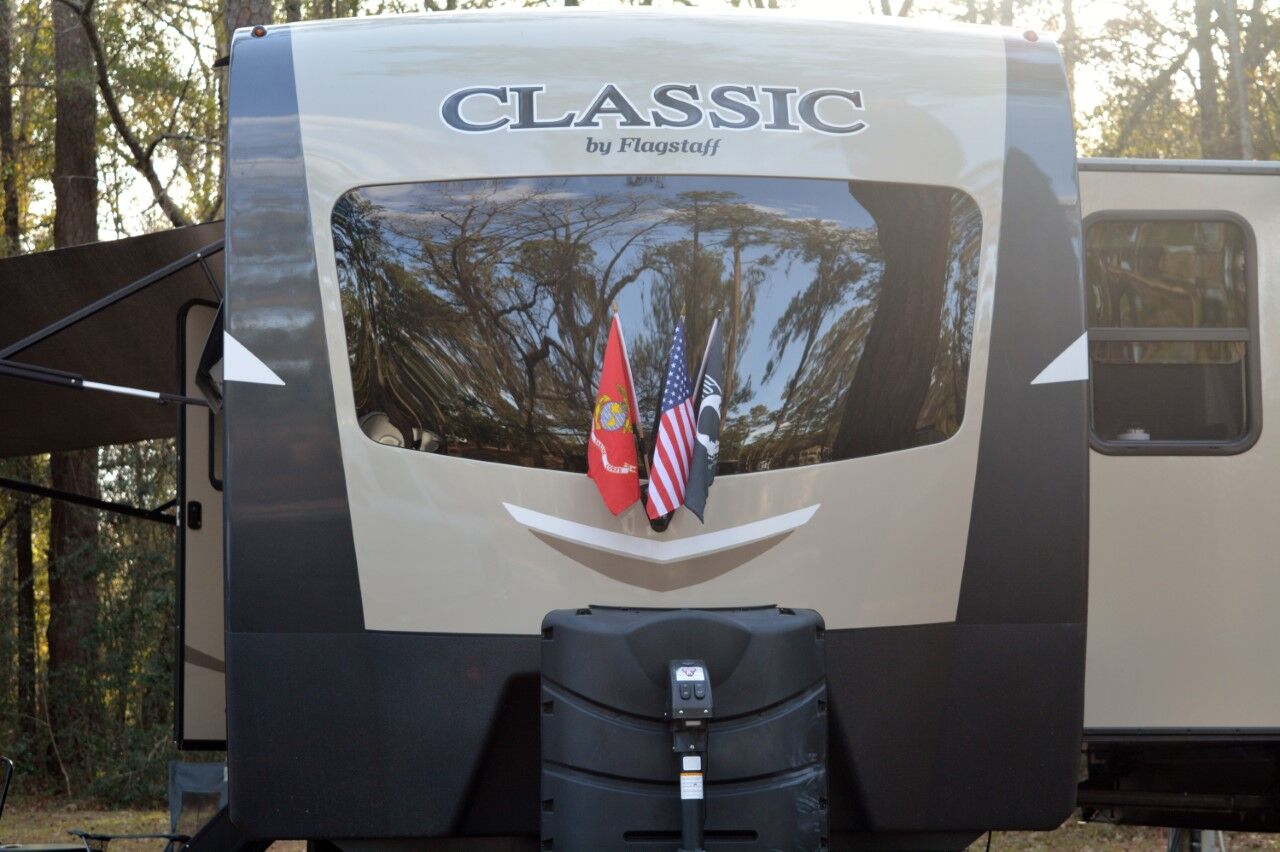
Camping by definition is spending at least one night outdoors in a tent or camper to experience natural world. The degree of immersion you choose can range from a primitive survivalist approach in a pup tent with a small camp fire, or kicking back beside a recreational vehicle costing twice the price of the average home. If either end of this spectrum doesn’t appeal to you, there are a multitude of camping possibilities in between.
Before you spend your first night under the stars, there are several questions you need to ask and honestly answer. First and foremost is how primitive are you willing to go? For some, the answer might honestly be the Holiday Inn. Others might be willing to try a motor home or a multiroom outfitters tent. Some will seek a more primitive experience and the access it provides to more secluded areas where less is more.
Some locations will have RV sites with varying amenities. Be sure that the site you select matches the RV you will be using, especially in regard to site size, electrical demand, and water and sewage connections. Some destinations may be limited to tent camping with possible electricity and water on site. There may or may not be a communal bath house. Others may be limited to primitive tent camping where everything you need must be carried into and out of the camp site on the backs of those in your party.
Determining where you choose to camp and the activities you enjoy while you are there will determine the gear you need to take to ensure your safety, comfort and enjoyment. If you chose an RV, these choices will be more closely associated to those you would make when renting a condo. This might include bedding, cookware, groceries and appropriate clothing.
Camping in a motor home will present one unique challenge that might not be immediately apparent. If you do not tow a vehicle, you will in many cases have to “break camp” every time you need to go somewhere, be it a planned activity or an unexpected run to the store for items you forgot or now need.
If you’re setting up a tent camp, you have many options to choose from. If you are not going to be backpacking, I strongly recommend “Go big or go home,” pun intended. Having spent a lot of time in tents for extended periods of time, I can tell you a two-man tent will sleep two people but not necessarily have room for anything else. This is especially true if the weather turns bad. Camping can give you a real understanding of the amount of “personal space” you need to be comfortable.
As a rule of thumb, I recommend selecting a tent with twice the occupancy rating of those that will be using it. As an example, a four-man tent will be far more comfortable for a pair of campers than a two-man will ever be. Also be sure that the tent you choose comes with a rainfly for added protection in inclement weather. The rainfly provides an additional level of protection from rain as well as the added benefit of acting as a heat barrier in hot weather. Exterior flies are a great way to extend the living space of a smaller tent, offering protection from light rain and shelter from the sun.
Today many larger tents come with interior dividers creating a level of privacy within the confines of the tent. Some allow these interior walls to be customized to individual needs.
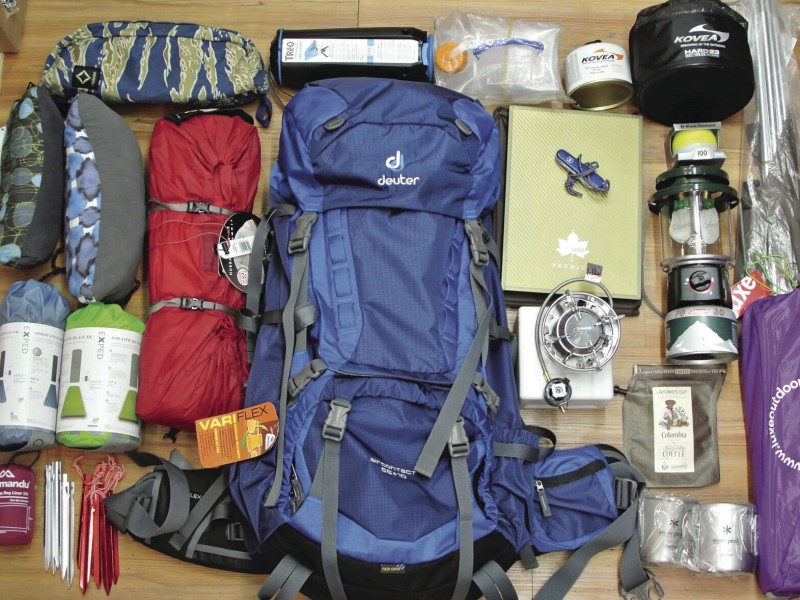
The style of camp you choose will determine the other equipment and gear that you need. Ice chests, cookstoves, lanterns, first aid supplies, folding chairs, tables and cooking stations can add greatly to your camp’s comfort and efficiency. Remember those things you take for granted: can openers, serving spoons, carving knives, mixing bowls, and coffee makers.
When tent camping, I strongly recommend either air mattresses or folding cots for sleeping comfort. Obviously, your options will depend on how primitive you have chosen to go. Inflatable beds are very comfortable but require a good deal of cargo space and an electric inflator/deflator. Folding cots are comfortable but also require a good deal of cargo space.
Sleeping bags comes in a variety of specialized styles. Mummy bags may be preferred for cold-weather camping, as more body heat is retained than in a standard envelope-style bag. Dual bags or combinable bags may be preferable for couples. Nothing can be more detrimental to an enjoyable night in camp than a miserable night’s sleep.
A “stuff bag” is a good extra, as sleeping bags will never roll back up as tight as they were when they left the store. It is also a better way to store a bag for a prolonged period of time, providing protection from dirt and moisture.
When it comes to getting something to fit back into the factory bag the ability to set up and repack a tent is the easiest way to differentiate the experienced camper from the nimrod. There are almost as many comedy sketches about raising a tent as there are about backing a boat at a public ramp.
One way to greatly improve the camping experience for all involved is to set your new tent up in the backyard before taking it on the first campout. There are two important reasons to do this, the primary being the ability to learn how to put the tent up and take it down without the added pressure of impending weather or darkness. It will also allow you to treat the stitched seams on the tent and flies with a waterproofing sealer. This is a process recommended by many tent-makers and offers added protection where leaks are most likely to occur.
If you have young children that have never been camping, it might be a good idea to spend a night in the backyard before you take the tent down. This backyard experiment will not only allow them to acclimatize to tent camping in a familiar setting, it allows you to determine what additional gear is necessary to make the overall experience more comfortable for everyone.
Starting out at an unrealistic level often leads to discomfort or fear. Don’t let the first time camping be the last time.
On early trips, keep your camp menu simple and familiar. Nobody wants to be tied down cooking and cleaning for hours when there are other things to enjoy. As you gain experience, your methodology with camp cooking can grow with you. Although you may cook three meals a day at home with ease, camp cooking isn’t the same. Here again, a little practice in the backyard can pay dividends at the camp site.
Plan a menu for all the meals you will be cooking to determine the ingredients and amounts needed for each meal. Pack your cooler and grub boxes in the reverse order that you will be using the items. This prevents having to dig through everything to find the item you currently need.
A whisk broom and dustpan are great tools to keep a tent or small camper clean. A clean camp is conducive to being a happy camp. For short trips, disposable plates and tableware may be preferable to using those that require washing and drying. Food should generally not be left in a tent overnight or unsecured outside. Food should not be in tents when no one is at the campsite.
Having a campfire is an integral part of the camping experience. If you plan to build a campfire, be sure you are aware of all regulations related to fire in the camp as well as the collection of firewood or availability of wood for sale on the site. If collecting firewood is permitted, it should be limited to down and deadwood collected from the ground. Use established fire rings, or fire pans and burn all wood to ash.
If you are going to partake in activities requiring a boat, kayaks, paddleboards or bikes, you might consider renting them at your destination as opposed to “packing” them along on your maiden voyage. A few trips will determine the activities you want to focus on and the level of quality and performance you want.
When you return home be sure all gear is clean, dry, repacked and stored appropriately to make your next trip easier and more enjoyable. Happy trails!
Author

Related Articles

From cotton to cloud: In the data center debate, is rural Georgia once again being asked to carry the cost?
Across much of rural Georgia, the abandoned cotton warehouses and shrinking tax bases remain — enduring reminders that industries built to serve distant markets do not necessarily stay rooted in the communities that first sustained them.
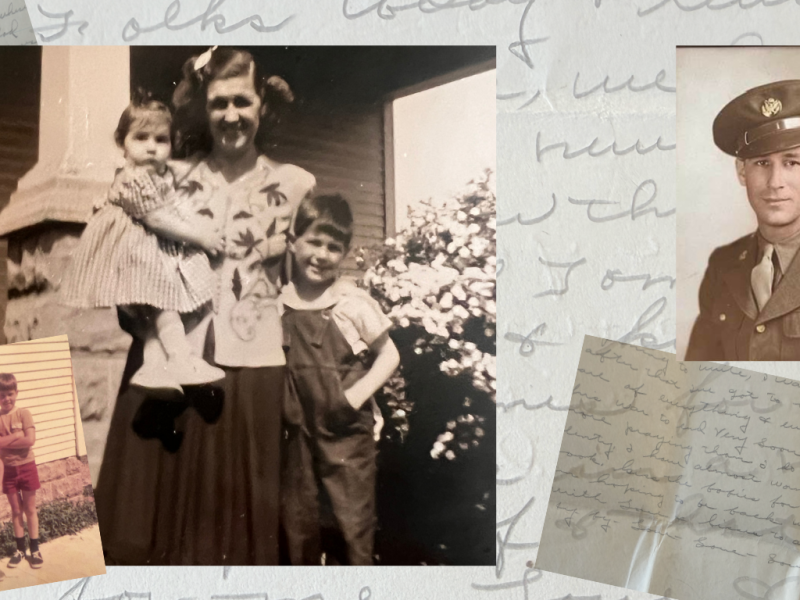
My Grandpa Was Killed in World War II. I Met Him Through His Letters Home
Gina Wolf’s grandfather died before she was born. His letters sent to her grandmother from Europe during World War II made it possible to know what kind of man he was.
‘Sounds Like a Mutiny.’ Secret Recording Exposes Claims of Toxic Leadership After a Marine’s Suicide
This week’s War Horse story follows the systemic failures before and after the death of Cpl. Drew Mobley who was the third in two years at Marine Corps Base Quantico to die by suicide.
