
CREEDE HINSHAW: Bible offers proof that people can change
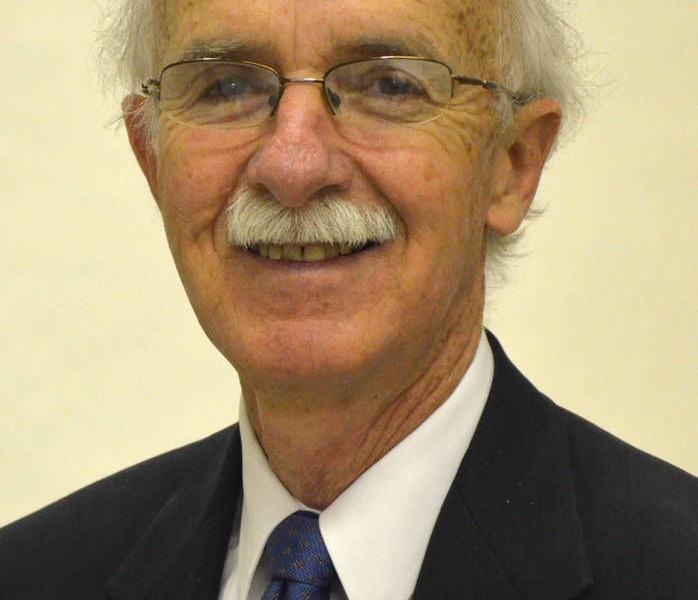
Creede Hinshaw
By Creede Hinshaw
[email protected]
‘Tis the season to eliminate bad habits or introduce new good habits into one’s daily routine. I find it a bracing goal to refine, add or eliminate habits.
This morning’s Bible reading, Genesis 12, reminded me that Abram (soon to be Abraham) left behind everything … home, kinsfolk, and customs … to go to a land God would show him. Abram was 75 when he left no forwarding address. I am now the age that Abram was upon departure; any new routines I might introduce into my life can’t be nearly as daunting as the meandering journey Abram took.
Some will despair of being able to change, having frequently failed to do so. William James, the famous philosopher and psychologist, in the widely-read 1890 essay “Habit” (still available on the internet), explored the significance and importance of habit and suggested ways to reinforce newly sought-after habits.
He also offered cautions about why good intentions may not lead to changed behavior. Perhaps his most famous observation from this essay is that human behavior and daily habits, formed over the course of years, can be likened to what happens when an old coat is tossed on a chair or hung on a peg. That garment naturally falls into the folds worn into place over the years. This frame of mine certainly has its share of well-worn folds.
And so, I vacillate over whether real change is possible in the human animal. James and others have correctly observed that one does not easily nor quickly change habits, attitudes or customs. A radio report pointed out that our political views are formed very early in life and are difficult to escape. The same is true, I am convinced, for faith formation. The early years are decisive.
But we are not doomed to sameness.
From Genesis to Revelation come reports of people whose habits, customs, prejudices and even identities were transformed. By the grace of God, we do not have to remain the people we are. “Behold, I make all things new,” (Revelation 21:5) promises the One who sits on the throne. Sometimes these new things take place in the twinkling of an eye; more often they are won with the dogged determination touted by William James.
The internet is currently rife with self-improvement lists. I read a list this morning on ways to avoid too much sugar, not sure I even want to try. Most lists, taking a clue from the Ten Commandments, advise readers on 10 things to do: 10 ways to develop better eating habits, 10 tricks to ensure financial health, 10 ways to find happiness, and so on.
Realistically, “10 things” may be nine too many. A more attainable goal might be two or three additions or subtractions. Choose wisely and get started. As you move forward, follow this overarching guidance from Jesus for 2024: “Seek ye first the Kingdom of God, and his righteousness, and all these things will be added unto you.” (Matthew 6:33 KJV)
Author

Related Articles

WAYNE FOWLER: Do you have the courage to showcase your faith?
A pair of college football stars put their faith on display.
Tuesday Bible Verse
Tuesday Bible Verse
CREEDE HINSHAW: In measuring the awe of God, silence is golden
Church can be a noisy place.
