
YONATAN HAMBOURGER/TZALI REICHER: We make our own luck … (mostly)
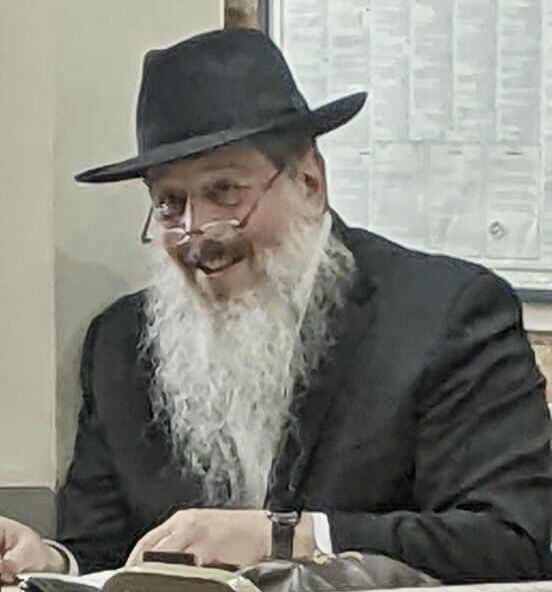
Rabbi Yonatan Hambourger
By Yonatan Hambourger & Tzali Reicher
[email protected]
There is the classic joke rabbis just love to tell from the pulpit:
Jim is running late for an interview at his dream job and swings into the parking lot only to find there are no spots available.
He drives around and around, and in desperation calls out to God: “If you give me a parking spot right now, I will make a large donation to charity!” No sooner have the words left his lips than someone hurries out of the building and speeds away in their car. Breathing a sigh of relief, Jim says: “Never mind God, I found a spot.”
Sure, it’s funny, but there is a deeper message in this joke.
Have you ever felt taken for granted in a relationship? That people only know you when they need you, and ignore you the moment after their use for you is over? And those same people you’d drop everything for, you can’t count on to do the same?
Well, you’re in good company. In this week’s Torah portion — Bechukotai in Leviticus — God himself cautions us not to look upon our good fortune as something random, or attributable exclusively to our own efforts.
A theme we’ve discussed time and time again in this column is the virtue of doing your very best to improve your own circumstances, and then believing in God that He will do what is best for you. In classic Chassidic terminology, we are told to make a keli (vessel or container) for God’s blessings, and after we do our part, watch the blessings overwhelm us.
But the danger is when we forget the source of our good fortune.
Too often, success can get to our heads. We grow egos, we believe our own hype, and start believing that our achievements are solely the result of our own efforts. We don’t properly appreciate or credit God for delivering our good fortune, and send a message that we don’t need Him: we’re all good on our own.
This kind of mindset becomes a self-fulfilling prophecy, wherein God abides by our desire for distance (God forbid) and fulfills our wish to be governed by the laws of cause and effect, rather than by His personal providence. And then when we (realize we) need God’s help once again, the cycle we despise when people do it to us, repeats: You need me, I help you; you move on without thanks or appreciation, and then you’ll call the next time you need me.
So how can we show God thanks for all the blessings in our life?
We must see every green light, as well as every bump in the road, as a custom-sent message from God. But just as your phone must be turned on to receive a text message, your spiritual sensitivity must be turned on to receive God’s messages.
Take a few minutes right now and review everything that occurred to you today and contemplate the messages that God has sent you. Think of the everyday miracles we take for granted — our families, homes, and our health — and how fortunate you are for your own good fortune. Make efforts every day to deepen your relationship with your Creator and express your gratitude proactively.
This is strengthened through learning Torah (the Bible) and fulfilling His precepts. Rather than attributing things to “coincidence” (which is just an 11-letter name for God), recognize we experience divine providence in all aspects of our life.
The Baal Shem Tov, founder of the Chassidic movement, was an early advocate of this approach. He taught the concept of hashgacha pratis (divine providence), which teaches that God is intimately involved in every detail of our lives, from the grandest events to the smallest occurrences. Nothing happens by chance; every moment is part of God’s purposeful plan.
This perspective encourages us to recognize and reflect on God’s presence in our daily experiences, deepening our connection through Torah study, good deeds, and gratitude. By viewing life through the lens of hashgacha pratis, we see every experience as an opportunity for spiritual growth, fostering humility and trust in God’s benevolent guidance. The Baal Shem Tov also used to encourage people to respond, “Thank God” when he asked how they were, as another way to actively express our appreciation for God many times throughout the course of our day.
With this mindset, paired with a hearty work ethic and trust in God, we will never go wrong.
Author

Related Articles

WAYNE FOWLER: Do you have the courage to showcase your faith?
A pair of college football stars put their faith on display.
Tuesday Bible Verse
Tuesday Bible Verse
CREEDE HINSHAW: In measuring the awe of God, silence is golden
Church can be a noisy place.
