
First sea turtle nest of 2017 found this week on Cumberland Island
DNR officials looking for above-average nesting, but not another record year
From Staff Reports
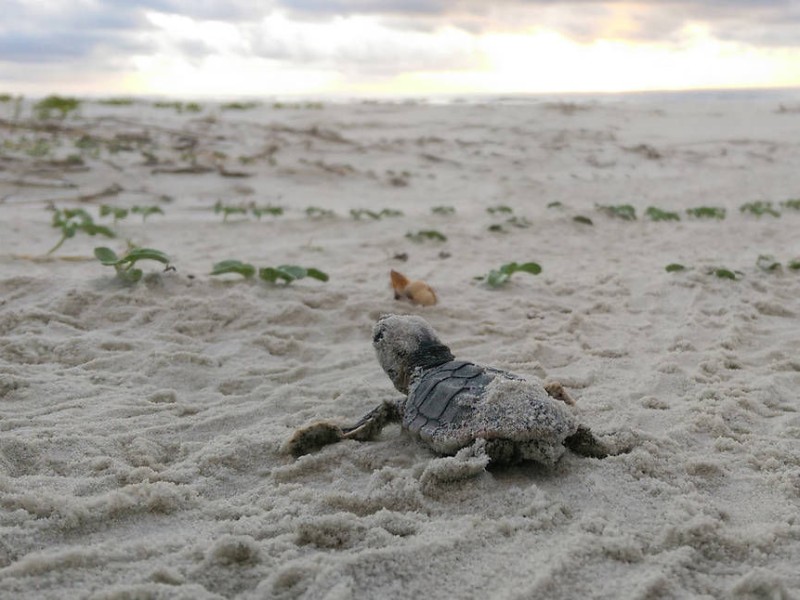
BRUNSWICK — Sea turtle nesting season returned to Georgia with the discovery of the first nest Monday, which once again was on Cumberland Island.
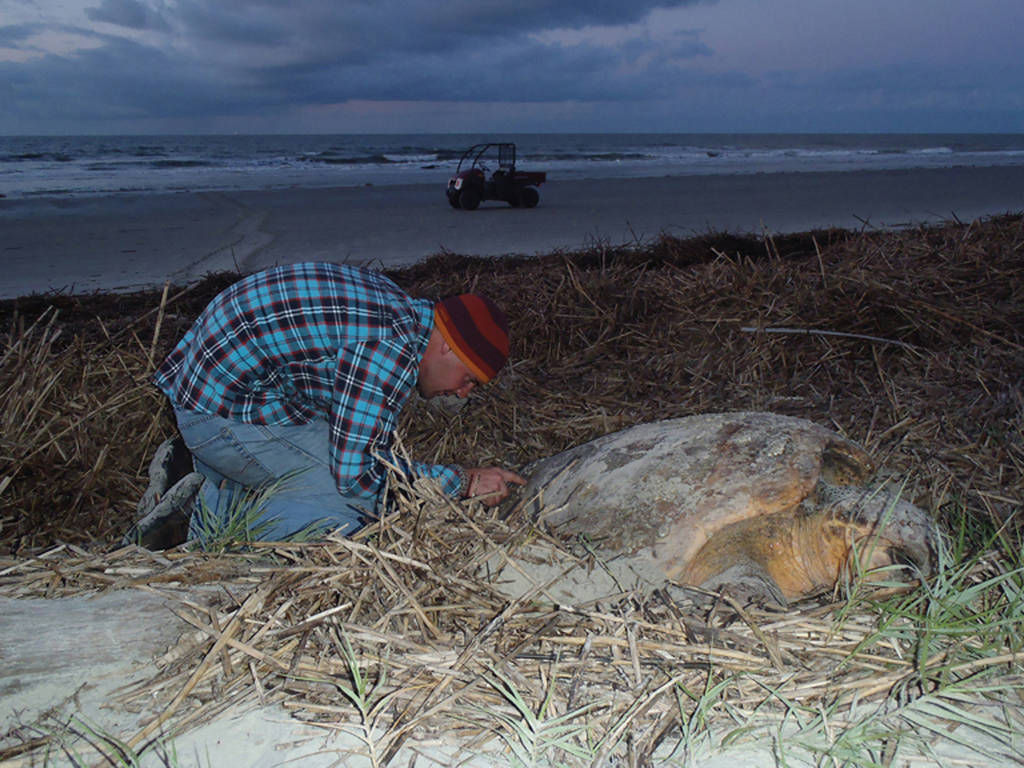
This is the fourth straight year that Cumberland has been the spot of the first discovered nest. National Park Service staff documented the initial loggerhead nest on Georgia’s southernmost barrier island. National Park Service Wildlife Biologist Doug Hoffman discovered the year’s first nest on Cumberland despite high winds that DNR officials said can erase tracks of the female’s crawl to and from the nest.
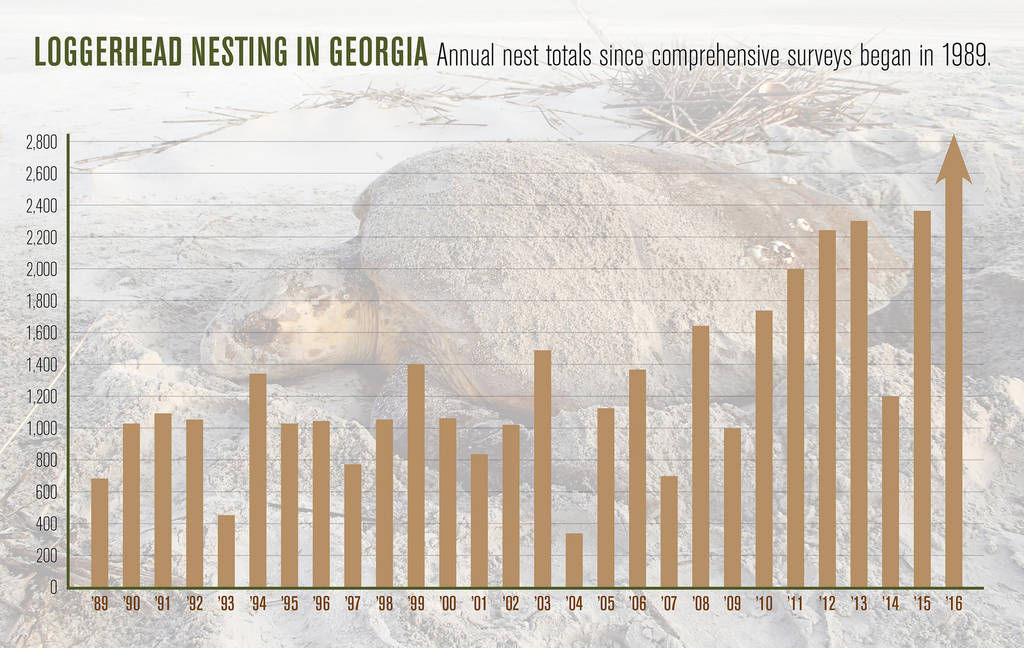
While loggerhead nests posted new records in 2015 and 2016, Sea Turtle Program Coordinator Mark Dodd with the Georgia Department of Natural Resources says he’s expecting to see fewer nests this season, though he said he believes the number will still be above average.
“It’s rare to have two big years in a row, and almost never three,” Dodd, a senior wildlife biologist with DNR’s Nongame Conservation Section, said.
Comprehensive surveys of the nests started in 1989, and Georgia had a record 3,289 loggerhead nests last year, shattering the former record of 2,335 in 2015. The 2016 season also came in above the 2,800 mark that had been established as a recovery benchmark for the species.
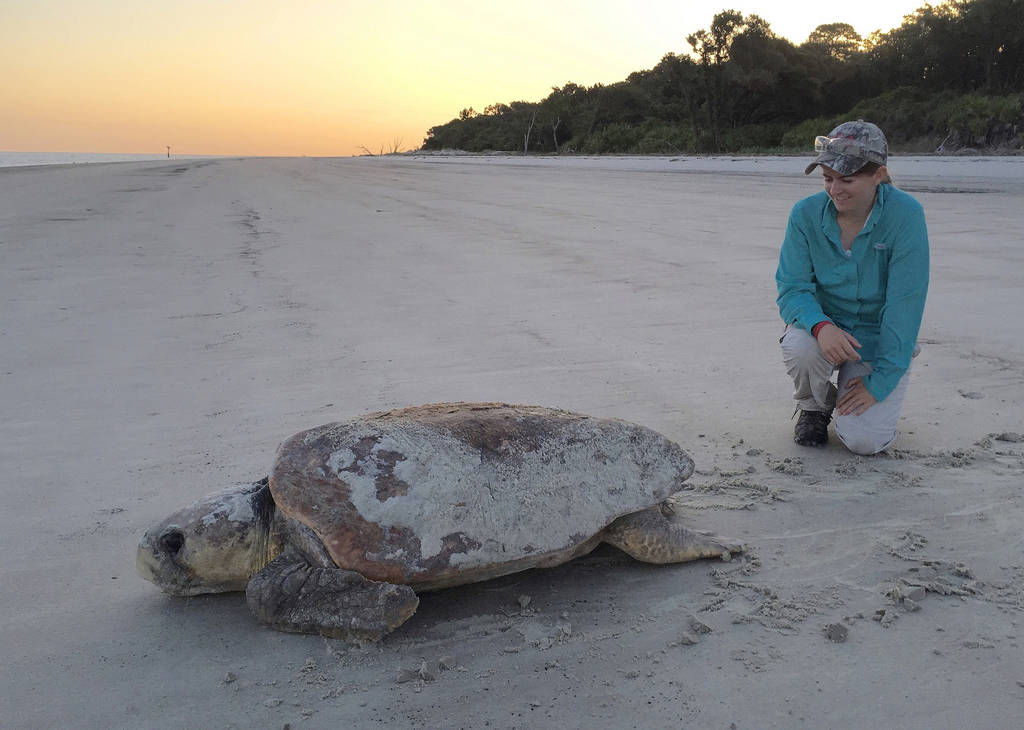
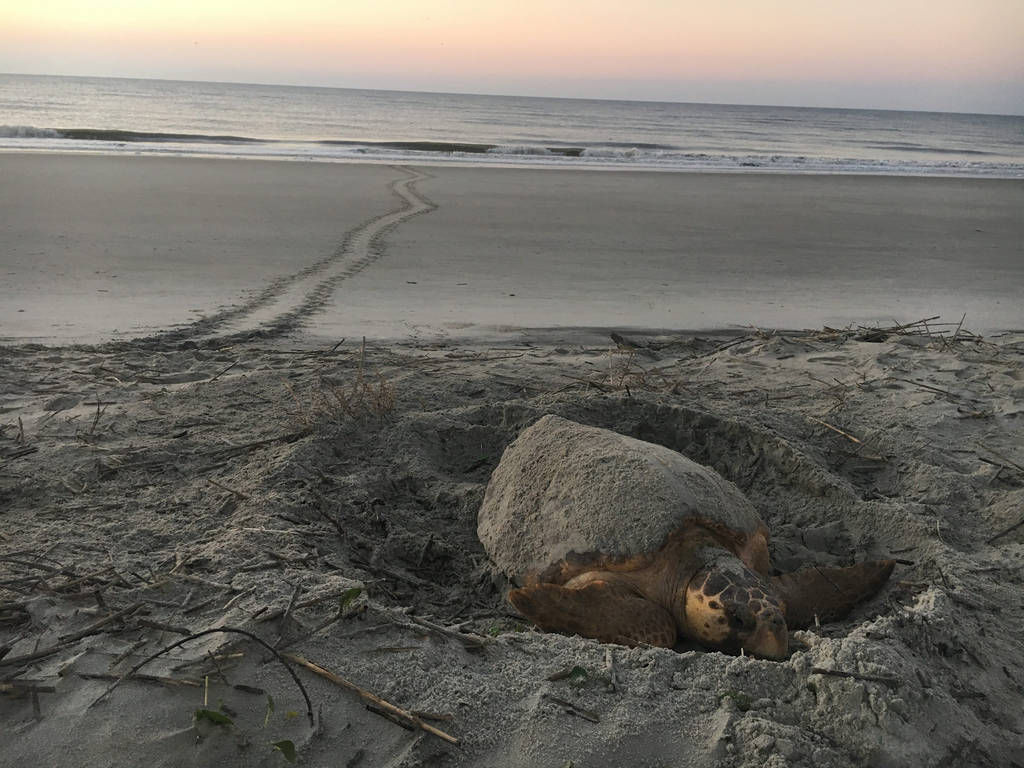
The nesting of loggerheads, which get their name from their massive head, usually begins in early May and gets into full swing in June.
“It’s an annual ritual, part of spring on the coast in Georgia,” Dodd said. “Everybody’s excited.”
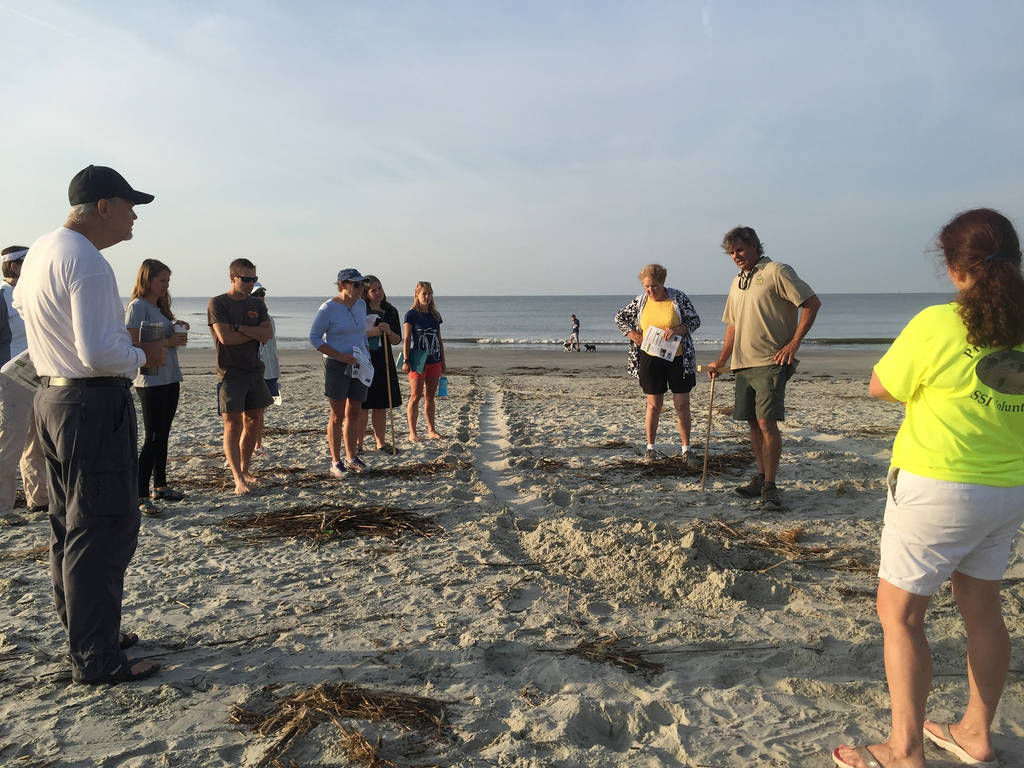
Like other marine turtles, loggerheads crawl ashore on barrier island beaches, dig holes at the base of sand dunes, and lay their eggs, usually at night. The Georgia Sea Turtle Cooperative, a DNR-coordinated network of about 200 volunteers, researchers and agency employees, patrols beaches daily during nesting season. Working under a federal permit, network members mark, monitor and protect the nests, including species that seldom nest in Georgia, such as green and Kemp’s ridley.
Part of the excitement is attributed to the recovery of loggerheads, the state’s primary marine turtle and a protected species federally listed as threatened. The 2016 nesting season bolstered an analysis that indicates nesting is increasing about 3 percent a year in Georgia. Nesting in neighboring states Florida and the Carolinas also is trending upward.
In preparation for the season, Dodd and staff have been training interns, working with volunteers, partner agencies and organizations, and teaming with the DNR Law Enforcement Division, which enforces regulations including the use of turtle excluder devices, or TEDs, in commercial shrimping.
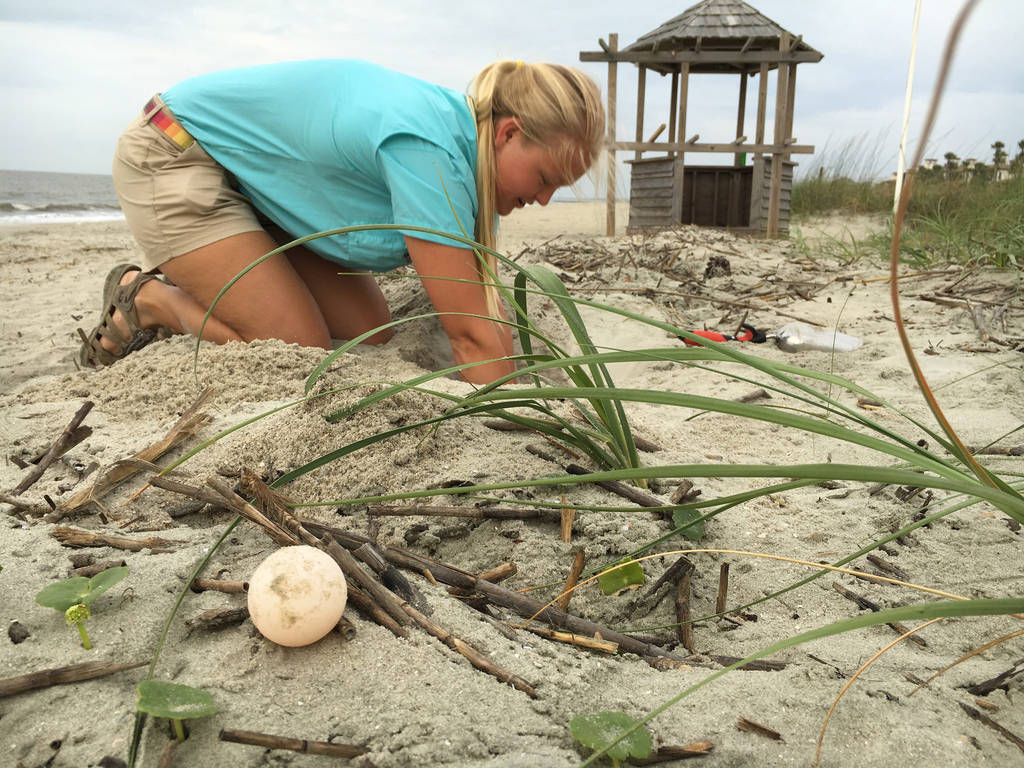
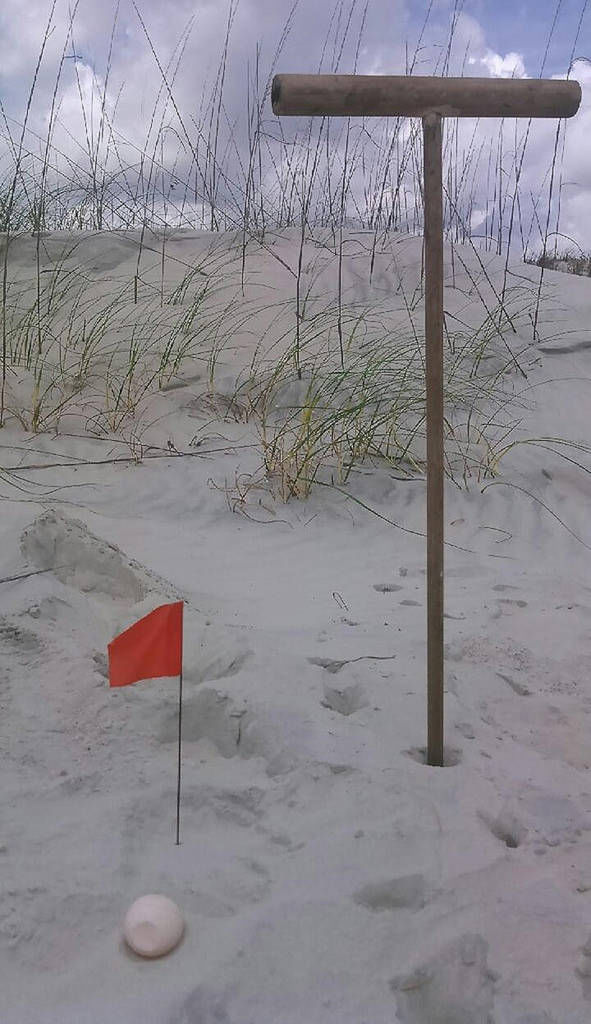
As with other nests, one egg – less than 1 percent of the average clutch size on the island – was collected for University of Georgia genetic analysis documenting the number and relatedness of loggerheads nesting on the state’s coast. The nest was then covered with a screen to protect the eggs from coyotes and other predators.
DNR’s Nongame Conservation Section works to conserve sea turtles and other rare wildlife not legally fished for or hunted, as well as rare plants and natural habitats. The agency does this largely through public support from fundraisers, grants and contributions. Key fundraisers include sales and renewals of eagle and hummingbird license plates.
Related Articles

From cotton to cloud: In the data center debate, is rural Georgia once again being asked to carry the cost?
Across much of rural Georgia, the abandoned cotton warehouses and shrinking tax bases remain — enduring reminders that industries built to serve distant markets do not necessarily stay rooted in the communities that first sustained them.

My Grandpa Was Killed in World War II. I Met Him Through His Letters Home
Gina Wolf’s grandfather died before she was born. His letters sent to her grandmother from Europe during World War II made it possible to know what kind of man he was.
‘Sounds Like a Mutiny.’ Secret Recording Exposes Claims of Toxic Leadership After a Marine’s Suicide
This week’s War Horse story follows the systemic failures before and after the death of Cpl. Drew Mobley who was the third in two years at Marine Corps Base Quantico to die by suicide.
