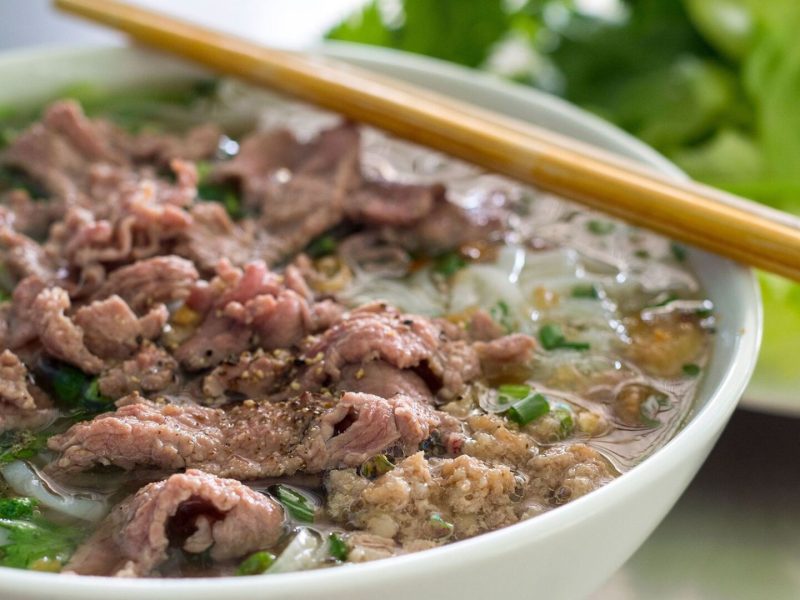
It’s chive season, and they can be used on almost anything
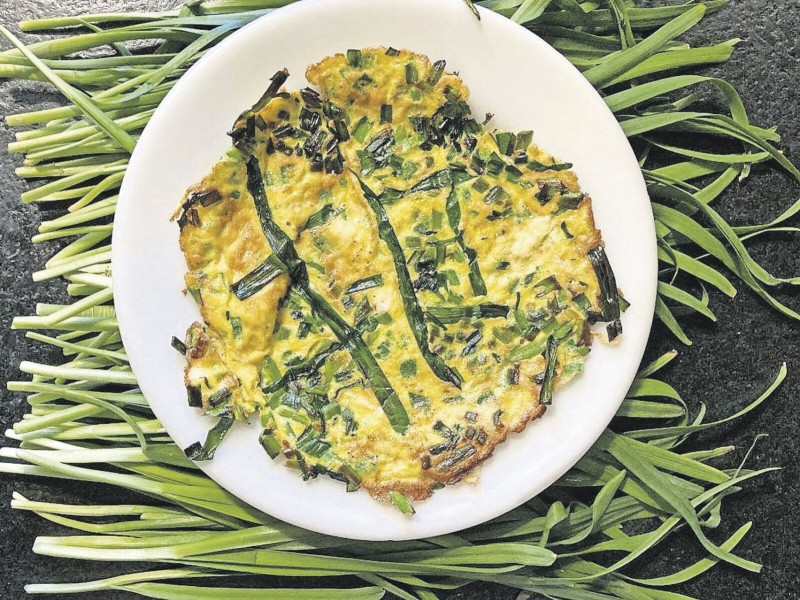
Photo credit: Ari LeVaux
By Ari LeVaux
More Content Now
USA TODAY NETWORK
“He who bears chives on his breath, is safe from being kissed to death.”
— Roman poet Marcus Valerius Martialis, Epigrams, 80 A.D.
My farmer friend calls them Chinese chives. She’s from China, so she would know. She sells them in painfully cheap bunches that I collect like firewood each week and stack in the fridge next to the eggs.
Nancy’s Chinese chives are bigger than any chives I’ve known. About 14 inches long, they get wider and whiter toward the roots like young onions. I use them like scallions, and they perform like stallions, filling my food with a sweet, green, pungent flavor that seems to encompass everything good about onions, garlic, leeks, ramps, shallots and all the other members of genus Allium, which is the Latin word for garlic.
The most common chive, Allium schoenoprasum, has the distinction of being the only Allium native to both New and Old World countries in the Eastern and Western hemispheres, and is an important source of nectar for pollinators on many continents.
Nancy’s Chinese chives, meanwhile, are called Allium tuberoseum, which translates from Latin to “root garlic” and goes most commonly by “garlic chive.” A native to the Siberian steppes of northern China and Mongolia, the range of A. tuberoseum has expanded to gardens and lots throughout the temperate zones of the world. It is easy to start from seed, and spreads by clumping. Nancy cuts her chives as close to those root clumps as she can, to harvest as much of that tender garlicky white part as possible.
As with scallion, the white, succulent lower parts are typically cooked, while the green leaves are used raw. She purports to cook the whole thing, using the white parts to make scallion omelets, the green parts to make ginger/pork/chive dumplings, and the in-between parts to make this other egg dish that they eat late at night. She also uses the leaves as a raw garnish, the way most people use chives.
I love ginger pork dumplings, especially when somebody else makes them. I will surely get around to making those dumplings at some point, but in the meantime I have been hunting for places to sprinkle and toss the mountain of chive greens that grows every time I make another omelet.
She told me how to make her omelet, and I have, many times, tried to do it her way. But the language barrier is such that I may never know for sure what she does, and I’ve come up with something that is absolutely spectacular, based loosely on what I could gather of her process.
Chive Nest Eggs
• 1 tablespoon butter
• 1 tablespoon olive oil
• 1 tablespoon toasted sesame oil
• 1 bunch (100 grams) garlic chives, minced, with white and green parts kept separate
• 2 eggs, beaten
• 1 tablespoon soy sauce
Heat the fats on high in a lightweight omelet pan. When sputtering, add the minced chive whites. Spread them around in the oil evenly. For extra fanciness lay down a few whole leaves in some kind of pattern among the chopped bits.
Add four tablespoons of chopped greens to the beaten egg. After about a minute of sizzling, add the eggs, slowly pouring them in a circular motion over the pan. Tilt the pan around for even coverage. Keep shaking the pan to keep the omelet moving so it doesn’t stick.
From here the exact cook time will depend upon how hot your burner is, how thin your pan is, and how well you like your eggs cooked. For me, after about 2 minutes the omelet is ready for flipping — if your wrist has it in it. Or use a spatula to fold it. Or chopsticks to roll it. Or chop it up with a fork at the last minute.
Collect the eggs on a plate and douse with soy sauce.
Related Articles

Coach Karl Smesko’s Dream season continues with visit to Sun
The Atlanta Dream will look to continue their torrid ways on Wednesday when they conclude a season-ending home-and-home series against the Connecticut Sun in Uncasville, Conn.