
Georgia fishing offers family fun
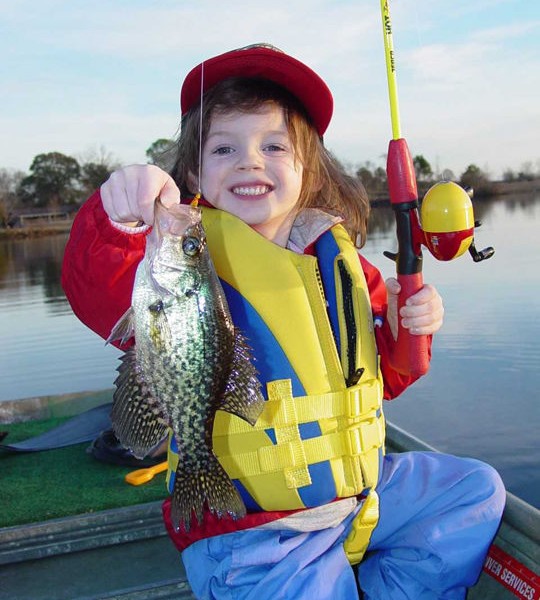
Special Photo: Georgia DNR
From Staff Reports
SOCIAL CIRCLE — Anglers searching for a new place to fish should be sure to start with one of Georgia’s 10 available public fishing areas. PFAs are managed for fishing by the Georgia Department of Natural Resources’ Wildlife Resources Division, and most offer additional opportunities to entertain the whole family.
“For most people in the state, there is a Public Fishing Area within a reasonable drive and a great place for a family trip,” Matt Thomas, WRD Fisheries Management Chief, said in a news release. “Even though fishing is the main attraction for most visitors, Georgia’s PFAs also offer other family-friendly activities such as hiking, bird watching, picnicking and camping.”
Waters on PFAs vary from lakes several hundred acres in size to ponds less than one acre with some designated as kids-only fishing ponds. Anglers can fish from a boat, along the shoreline or from a pier at most locations.
Many PFAs have picnic tables, nature and wildlife observation trails, fish cleaning stations and restroom facilities. There are camping opportunities on some PFAs — from primitive camping to RV — for those wishing to stay overnight in the area, and many facilities are accessible to persons with disabilities. All PFAs are open seven days a week, and with the exception of Rocky Mountain PFA, also allow night fishing May 1 through Sept. 30.
The PFAs are:
♦ Rocky Mountain PFA (Floyd County). Includes two lakes totaling 559 acres. Species: largemouth bass, bluegill and redear sunfish, channel catfish, crappie and walleye.
♦ McDuffie County PFA (McDuffie County): Includes seven ponds ranging from 5 to 37 acres, a trophy bass catch and release pond, fish hatchery, and an education center. Species: largemouth bass, bluegill, redear sunfish and channel catfish.
♦ Big Lazer Creek PFA (Talbot County): Includes a 195-acre lake. Species: largemouth bass, bluegill, channel catfish, and crappie.
♦ Marben Farms PFA (Jasper/Newton counties): Includes 22 ponds ranging from one to 95 acres, a wildlife management area and an education center. Species: largemouth bass, bluegill, redear sunfish, crappie and channel catfish.
♦ Ocmulgee PFA (Bleckley County): Includes a 106-acre lake. Species: largemouth bass, crappie, bluegill, and redear sunfish.
♦ Dodge County PFA (Dodge County): Includes a 104-acre lake. Species: largemouth bass, bluegill, redear sunfish, channel catfish and crappie.
♦ Evans County PFA (Evans County): Includes three lakes ranging from 8 to 84 acres. Species: largemouth bass, crappie, bluegill and catfish.
♦ Flat Creek PFA (Houston County): Includes a 108-acre lake. Species: largemouth bass, bluegill, redear sunfish, crappie and channel catfish.
♦ Hugh M. Gillis PFA (Laurens County): Includes a 109-acre lake. Species: largemouth bass, bluegill, redear sunfish, channel catfish and crappie.
♦ Paradise PFA (Berrien County): Includes 60 lakes totaling 525 acres. Species: largemouth bass, bluegill, redear sunfish, crappie, bullhead and channel catfish.
Visit www.GoOutdoorsGeorgia.com to purchase a license online or to view a list of retail license vendors, or buy a license by phone at 1-800-366-2661.
For more information on PFAs in Georgia or for detailed PFA guides and maps, visit georgiawildlife.com/locations/fishing.
Have you really and truly lived a good Southern life if you haven’t spent a whole day fishing and then fried up a “mess” of catfish for dinner? Catfishing provides great opportunities for new and experienced anglers, according to the Georgia Department of Natural Resources’ Wildlife Resources Division.
“Georgia provides plenty of opportunities for folks to toss out a line for catfish,” Thomas said. “Catching catfish requires relatively simple gear and is a great way to introduce someone new to fishing, especially kids.”
Georgia’s public waterways are home to several species of catfish, including channel, white, blue, flathead and bullheads (consisting of several similar species — yellow, brown, snail, spotted and flat). While you may not catch them often, the larger species, like flathead catfish, can sometimes reach monster weights in excess of 100 pounds.
As summertime gets closer to its peak, WRD highlights some warm weather hot spots and offers tips on techniques and equipment for anglers of all skill levels:
♦ Lake Nottely, near Blairsville — contains good populations of channel catfish (averaging one pound or less) and fewer, but larger flathead catfish (weighing up to 40 pounds).
♦ Lake Lanier — supports lots of small channel catfish (1-2 pounds) lake wide and fewer flathead catfish (10-40 pounds), which can be found up the Chattahoochee and Chestatee arms of the lake.
♦ Carters Lake — home to good numbers of keeper-size channel catfish. Blue and flathead catfish are present in lower numbers, but can exceed 20 pounds. Rocky areas in the Coosawattee River arm of the lake are best.
♦ Lake Oconee, near Madison — supports high numbers of channel, blue, flathead, white and bullhead species of catfish.
♦ Lake Sinclair, near Milledgeville — supports healthy blue and channel catfish populations, as well as occasional white, snail, flathead, and bullhead species.
♦ Flint River — great location for catching 5-30-pound flathead catfish or 2-5-pound channel catfish.
♦ Ocmulgee River — flatheads and channel catfish are the most abundant catfish species in the river. Channel catfish can be located near downed trees close to river bends with flowing water.
♦ Chattahoochee River above West Point Lake — in the last few years, the number and size of flathead catfish caught above West Point has increased significantly.
♦ Goat Rock Lake — this lake consistently produces good numbers of harvestable-size channel cats.
♦ Andrews Lock and Dam (Chattahoochee River) — best location in southwest Georgia for catching a flathead or blue catfish exceeding 20 pounds.
♦ Lower Chattahoochee River near Georgia Hwy. 91 southwest of Donalsonville — recent surveys conducted during summer months indicate that channel, blue and flathead catfish can be found here in abundance.
♦ Lake Seminole, near Donalsonville — good catches of channel catfish available throughout the summer.
♦ Lake Blackshear, near Cordele — excellent channel catfish spot. Best places are the main lake and below Warwick Dam.
♦ Lake Walter F. George, near Columbus — excellent fishing for channel catfish in the main lake and in the upper end (above Florence Marina) for both channel and blue catfish.
♦ Altamaha River — great location for several species of catfish, including flathead, channel and an expanding population of blue catfish.
♦ Satilla River — excellent fishing available for channel catfish, white catfish and several species of bullheads.
♦ St. Marys River — healthy populations of channel and white catfish are available. Put a piece of shrimp or a worm on the river bottom and hold on!
♦ Ogeechee River — excellent fishing for channel catfish and several species of bullheads throughout the river with higher numbers of white catfish closer to the estuary.
♦ Savannah River — this river has a high density of channel catfish and bullheads throughout the system. White catfish are very abundant near the estuary. Flathead catfish have also populated the Savannah and harvest of this invasive species is encouraged.
Though most species of catfish are active throughout the day, the best summer fishing is at dusk and during the night. Catfish can be caught year-round, with the best bite typically from early spring through the peak of summer. Be prepared to fish multiple areas and if you don’t get a bite within 30 minutes, try another are until you find some fish. Our Public Fishing Areas (https://georgiawildlife.com/allpfas) are great places to target catfish, especially now as they are open 24 hours a day through Sept. 30.
If bass is more in line with what anglers are after, they can catch five different bass species to score a Georgia Bass Slam. This program recognizes anglers with the knowledge and skill to catch different species of bass in a variety of habitats across the state, while also stimulating interest in the conservation and management of black bass and their habitats, according to the Georgia Department of Natural Resources’ Wildlife Resources Division
Georgia’s 10 recognized native black bass species are largemouth, smallmouth, shoal, Suwannee, spotted, redeye, Chattahoochee, Tallapoosa, Altamaha and Bartram’s. Anglers can find out more about these eligible bass species, including images, location maps and more at www.BassSlam.com.
Related Articles

From cotton to cloud: In the data center debate, is rural Georgia once again being asked to carry the cost?
Across much of rural Georgia, the abandoned cotton warehouses and shrinking tax bases remain — enduring reminders that industries built to serve distant markets do not necessarily stay rooted in the communities that first sustained them.

My Grandpa Was Killed in World War II. I Met Him Through His Letters Home
Gina Wolf’s grandfather died before she was born. His letters sent to her grandmother from Europe during World War II made it possible to know what kind of man he was.

‘Sounds Like a Mutiny.’ Secret Recording Exposes Claims of Toxic Leadership After a Marine’s Suicide
This week’s War Horse story follows the systemic failures before and after the death of Cpl. Drew Mobley who was the third in two years at Marine Corps Base Quantico to die by suicide.
