KIRSTEN LUPINSKI: A new year for a new you
HEALTH & FITNESS: What happened to 2015?
By Kirsten Lupinski
2016! WOW! I can’t believe I just wrote that. What happened to 2015? I know those of you who have children have heard this a million times, “Enjoy, because it goes by so fast!” and, my goodness, is that the truth.
My youngest is in kindergarten this year, and I have absolutely no idea how that happened. So, before any more time goes by, I wanted to start the year off with a few tips to make some healthy changes. This is not anything new or earth shattering, but some things to think about in the new year.
1. Resolve not to resolve. This is the time of year that everyone tries to make a resolution, which usually revolves around diet and exercise. Did you know that, according to Statistic Brain Research Institute, roughly one-half us make New Year’s resolutions and about 8 percent report success in achieving their resolutions?
Therefore, I propose just skipping the making of a resolution. What to do instead? Decide to become healthier, happier and more productive in the new year. That doesn’t mean that you need to lose weight, exercise every day or go on a “diet.” It means that you need to find something that fits into your lifestyle and can make a difference and an impact for you.
There are a million different things that you can do, but I wanted to give you some ideas that will hopefully make you think of what you can do for yourself (and your family). Try something new. This can be anything at all — riding your bikes as a family, going on evening walks, going to the playground, reading a book (starting a book), starting a family reading time, planning your meals ahead of time, eating at home more often, packing healthy lunches, making sure everyone eats breakfast before they leave the house, having a family movie/game night, or buying some fruits or vegetables that you have never tried before.
As I said, these are just some ideas, be creative and come up with things that will make a difference for you!
2. Set “real” goals that are actually realistic and that you can accomplish. Don’t say you want to lose 20 pounds by February 1st because (1) that is not realistic and (2) that is not healthy. For example, if you don’t’ do any form of exercise at all, start slow and small and involve your entire family: We will take a walk after dinner at least three times a week or we will do one form of physical activity (hiking, biking, swimming) each weekend as a family.
Going back to the ideas from No. 1, “I will start and finish one book in the next month” or “I will pack my lunch at least two times per week” or “I will plan each week’s meals on Sunday night.” All of these goals are doable and can easily be accomplished, and add will to your overall wellbeing and happiness.
This last tip is something that I truly believe in.
3. Start each day with three positive things/messages to yourself or to your family and then end each day with three positive things that happened that day. For example, when you wake up in the morning, tell yourself that you are going to have a great day, tell your daughter that she is going to do great on her math test or your son that he is going to do super in his soccer game. Just giving things in a positive spin can make a difference in how your day goes.
Then right before bed, take a few minutes to reflect on the day and think of three things that made it a good day. For instance, you made it through a three-hour meeting, your daughter scored her first goal in soccer, your mom called to see how you were doing, or you had a home cooked healthy dinner. This will only take a few minutes but make you change how you look at things and how you think.
I wish you all a Happy and Healthy New Year! And look forward to some more healthy tips and tricks next month!
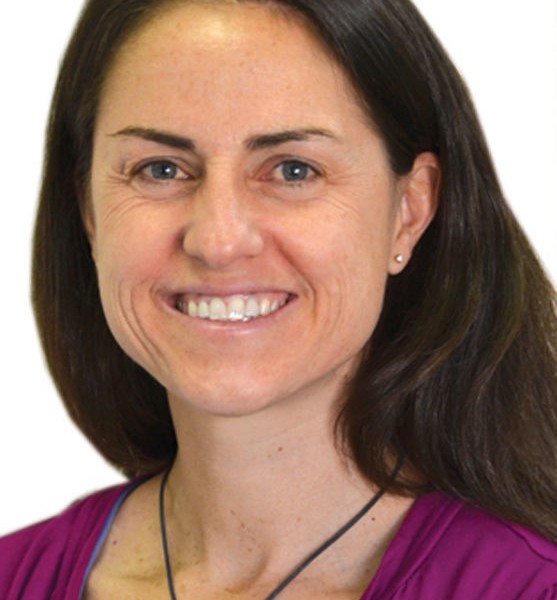
Kirsten Lupinski is an assistant professor at Albany State University in the Department of Health and Human Performance. She has a bachelor’s of science in nutrition from the University of North Carolina, a master’s of science in health education from the University of Kentucky and a doctorate in education from the University of Cincinnati. She has worked in the health education field in various capacities (corporate health, community health, college health and wellness and university education) for more than 17 years. She and her husband have three young children (8-year-old twin boys and a 5-year-old girl).
Related Articles
Kennedy’s lawyer has asked the FDA to revoke its approval of the polio vaccine
A federal appeals court on Friday declined to temporarily block a ban on TikTok, teeing up a showdown at the Supreme Court over whether the law should take effect while the social media platform’s challenge to it plays out.