EDDIE SEAGLE: Color your world with mums
GEORGIA CLIPPINGS: A weekly look at home gardens and landscapes
By Eddie Seagle
“Every job from the heart is, ultimately, of equal value. The nurse injects the syringe; the writer slides the pen; the farmer plows the dirt; the comedian draws the laughter. Monetary income is the perfect deceiver of a man’s true worth.”
— Criss Jami, Killosophy
“God give me work, till my life shall end. And life, till my work is done.”
— Epitaph of Winifred Holtby
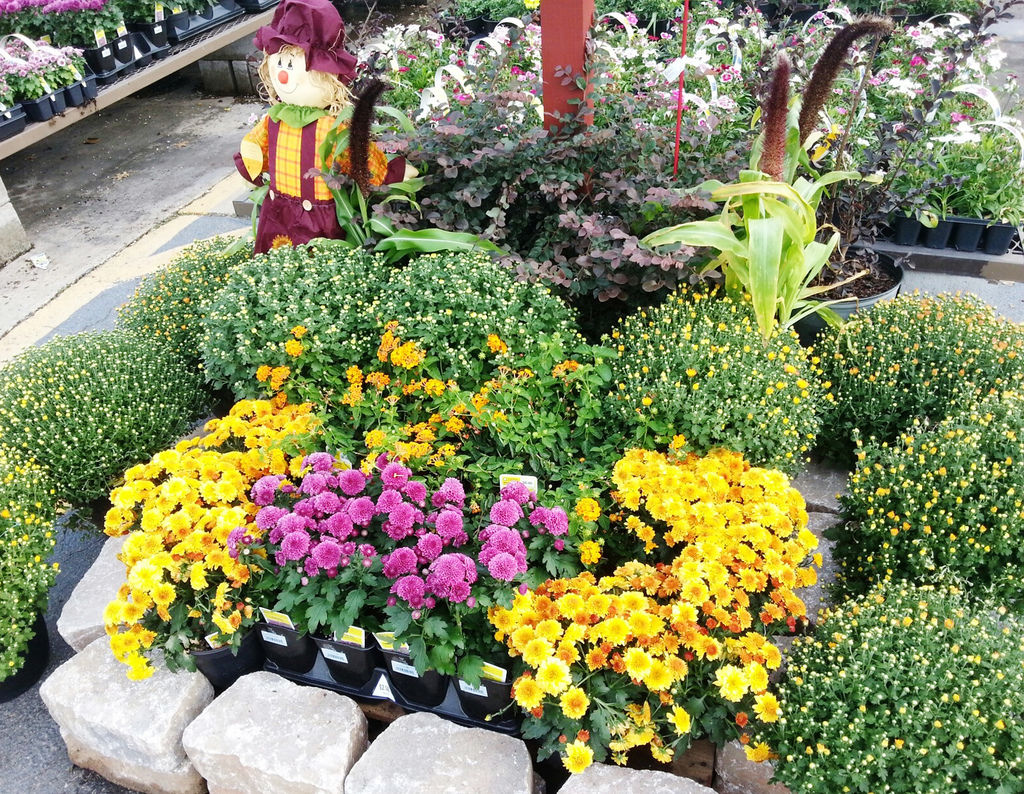
August has passed and September is here! Fall will soon be here as we begin thinking about decorating our landscapes with the colors of the season. Color your world with mums! Chrysanthemums, or simply “mums,” are surely fall favorites and offer great coloration! The name “chrysanthemum” is a derivative of two Greek words: chrysos, meaning gold, and anthemon, meaning flower. Chrysanthemums are herbaceous, perennial flowering plants with lots of curb appeal which are native to Asia and northeastern Europe. Yes, color your world with mums!
Chrysanthemum leaves resemble the closely-related mugwort weed, which is sometimes called wild chrysanthemum. Our modern cultivated chrysanthemums exhibit a greater display of color than those found in nature. Their flowers can be seen in several forms including daisy-like, decorative, pompons or buttons. The chrysanthemums have many hybrids and multitudes of cultivars developed for horticultural purposes.
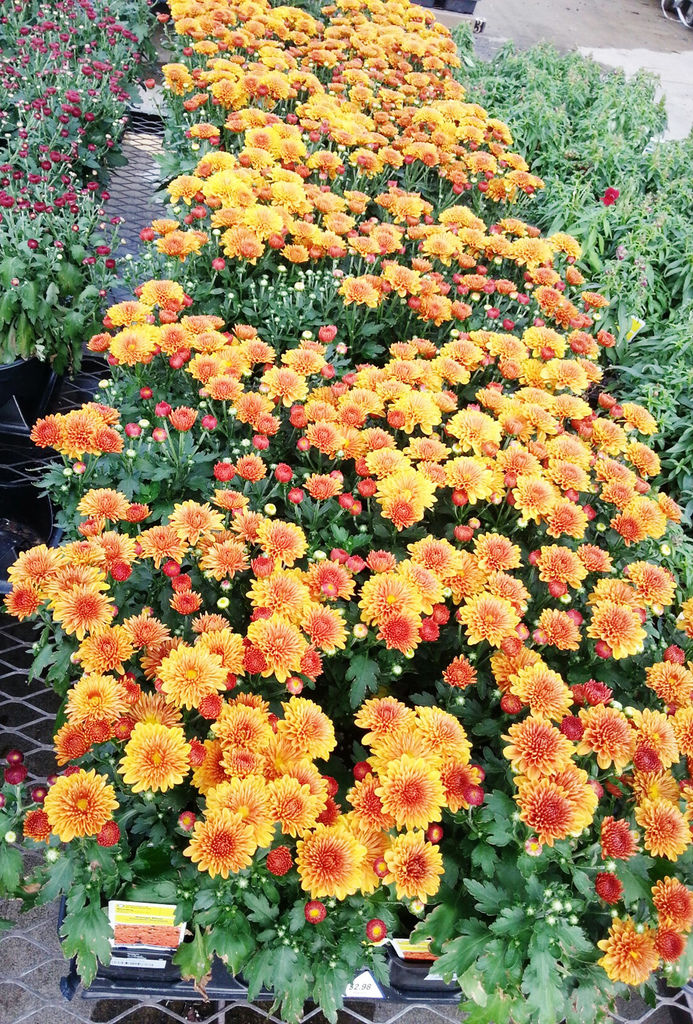
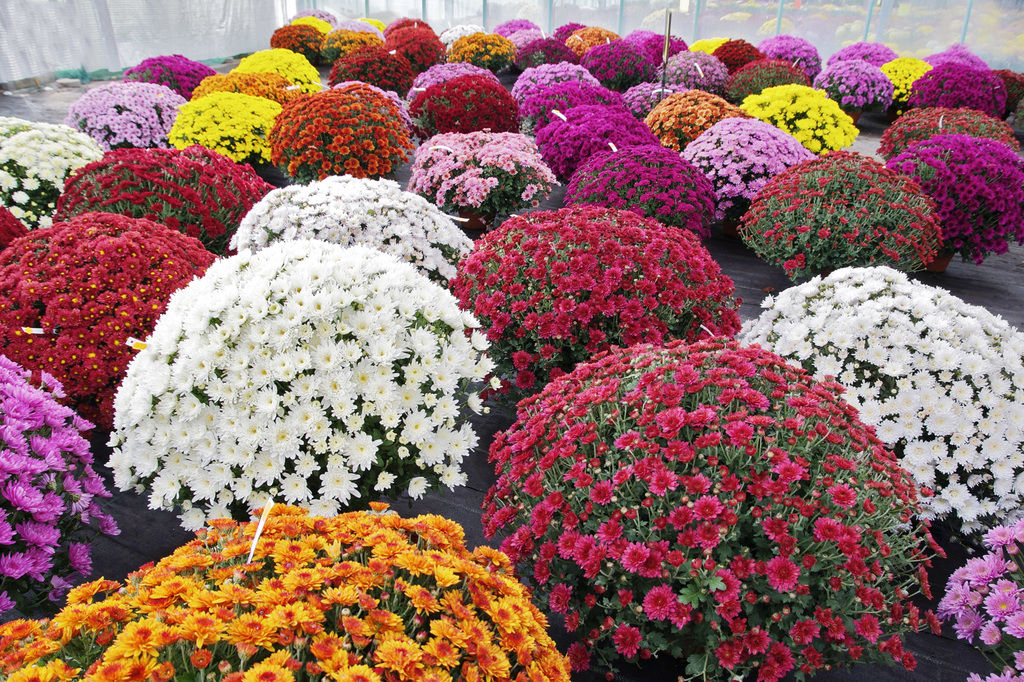
These plants offer a wide variety of floral colors including gold, white, off-white, yellow, bronze, red, burgundy, pink, lavender and purple with the most important hybrid being Chrysanthemum × morifolium. The Royal Horticultural Society’s Award of Garden Merit has been awarded to over 140 varieties of chrysanthemums.
Chrysanthemums are composites since their flower heads are made up of tiny individual flowers (disk and ray florets). The U.S. National Chrysanthemum Society, Inc. divides mum blooms into 13 different classes (like the international classification system) which are defined by the arrangement of the ray and disk florets. These classes include the irregular incurve, reflex, regular curve, decorative, intermediate incurve, pompon, single and semi-doubles, anemone, spoon, quill, spider, brush and thistle, and unusual (exotic or mixed).
Chrysanthemum blooms consist of many individual flowers (florets) with each one capable of producing a seed. The disk florets (in the center of the bloom head) are considered perfect flowers since they have both male and female reproductive organs, and the ray florets (on the perimeter and viewed as petals) are considered imperfect flowers since they have only the female productive organs.
Yellow or white chrysanthemum flowers (C. morifolium) are boiled to make chrysanthemum tea in parts of Asia and added to rice wine in Korea for flavor. Also, chrysanthemum leaves are steamed (boiled) and used as veggie greens and the petals are mixed with a thick snake meat soup to boost the aroma in Chinese cuisine. And, small chrysanthemums are used in Japan as a garnish.
In some countries of Europe, chrysanthemums are symbolic of death and are used only for funerals or on graves. In some Asian Pacific countries (China, Japan and Korea), the white chrysanthemums are symbolic of lamentation and grief. In other countries, chrysanthemums represent honesty. Japan celebrates the Festival of Happiness each year in recognition of this flower.
However, in the United States, the chrysanthemum flower is usually considered positive and cheerful and used extensively in the landscape during the fall. In general, chrysanthemums (daisy-like with a typically yellow center and a decorative pompon) symbolize optimism and joy. Mums are the birth flower of November, the 13th wedding anniversary flower and the official flower of the city of Chicago.
Mums can grow to be 2-3 feet high, depending on the specific cultivar and growing conditions, and are available in many flower forms by the shape and arrangement of their petals. The most popular flower form is the decorative which consists of several long, broad petals masking the center. When grown as container plants, be sure to maintain routine maintenance to insure health and vigor.
Chrysanthemums should be planted in the full sun and in well-drained, healthy soils. They are photoperiodic meaning (in their case) they bloom in response to the shorter days and longer nights of our fall season. Do not plant chrysanthemums near street lights or night lights since artificial lighting may interrupt their reproductive cycle. And, do not plant chrysanthemums to close together since good air circulation between them helps reduce the chance of diseases.
There are hardy mums (stolons) and florist mums (few or no stolons, and less likely to over-winter). For those mums planted directly into the ground, divide them every three years in the spring to revitalize them. Fertilize chrysanthemums once per month during the growing season but allow sufficient time to harden-off for winter. Don’t prune in fall since existing branches offer root protection in the winter.
Pinching (removing the tips of new growth) chrysanthemums in the spring produce a more compact, bushy plant which will develop lots of blooms for fall. Do not pinch in the summer because bud set for flowering is occurring and such pinching would prevent effective flowering.
In landscaping, chrysanthemums are valued for their fall colors thus helping complete the annual cycle of having color each season of the year. Their curb appeal is best when planted in a mass but don’t plant too close together.
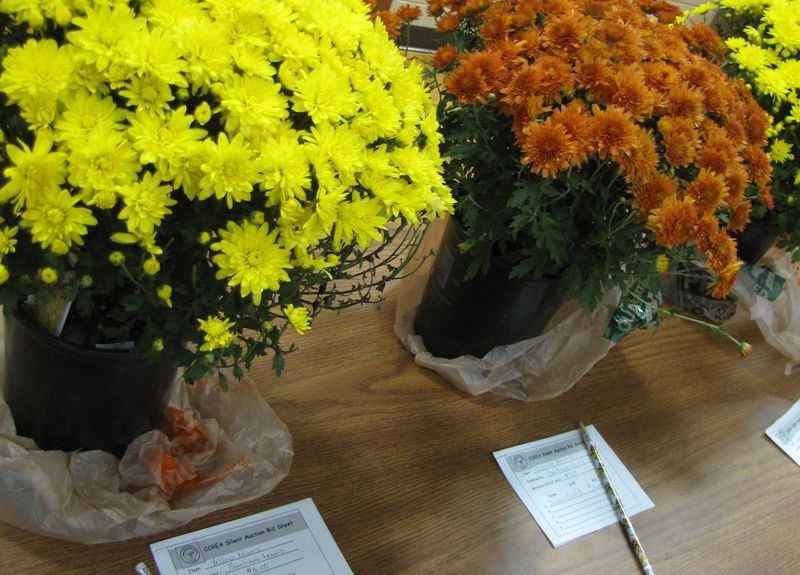
Mums are beautiful fall plants available in spectacular autumn colors such as ambers, gold, oranges, purples, violets, whites and shades of red and pink lasting throughout the fall months and into early winter. Plan a visit to your local garden center of choice this month and select those colors that best fit your wants and needs for the fall season. Go soon because the inventory will be “picked over” as the season progresses.
Always think in terms of native and sustainable plants in the landscape. Keep your hanging baskets and potted plants refreshed with water and food. Remember to feed and water the songbirds. Give your pets the care they need. Do not leave them unattended in a hot car or tied to a tree all day long. Also, be on lookout for children playing and bicyclists riding along the streets and roadways throughout our communities. Don’t drive distracted or impaired, and don’t text while driving. Help the homeless and those in need every chance you get. Let’s keep everyone blessed and safe.
“And we know that in all things God works for the good of those who love him, who have been called according to his purpose.” Romans 8:28.
Eddie Seagle is a sustainability associate, Golf Environment Organization (Scotland); agronomist and horticulturalist, CSI: Seagle (Consulting Services International); professor emeritus and honorary alumnus, Abraham Baldwin Agricultural College, and associate editor of The Golf Course, International Journal of Golf Science. Direct inquiries to [email protected].