
Investors, real estate groups explore potential of Albany Mall
oday, many Albany residents view the mall as a ghost of what it once was, following a trend seen across America after the COVID-19 pandemic and as e-commerce grows in popularity.
However, recent studies show there may still be opportunity in American malls.
By Lucille Lannigan
[email protected]
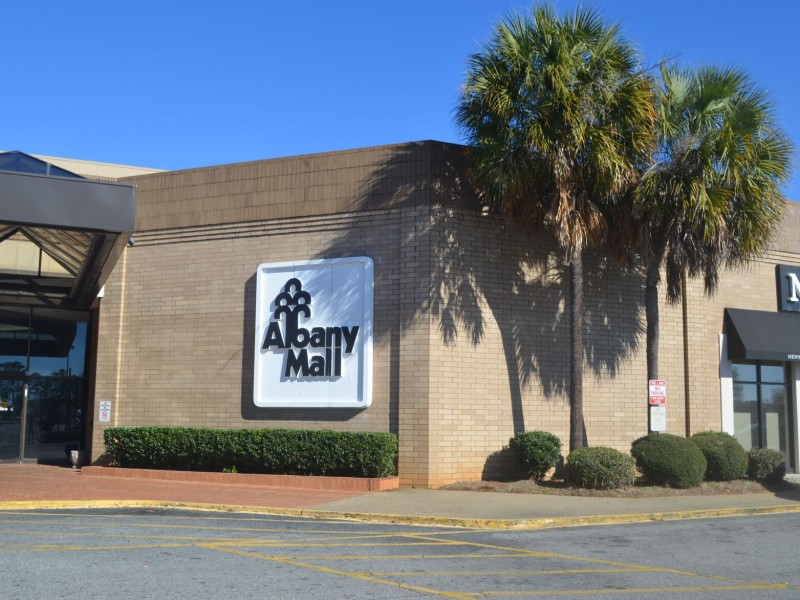
ALBANY – When long-time Albany residents remember the Albany Mall, they hear a theme song to the tune of “76 Trombones.”
“Seventy-six great stores in the Albany Mall,” the song’s lyrics went.
They remember ogling live models in the windows of Gayfers, eating at Yesterday’s Restaurant, enjoying Christmas displays and lines out the door for holiday shopping.
Today, many Albany residents view the mall as a ghost of what it once was, following a trend seen across America after the COVID-19 pandemic and as e-commerce grows in popularity.
However, recent studies show there may still be opportunity in American malls.
Physical retail has bounced back since pandemic restrictions were lifted. Coresight Research found that sales at malls grew more than 11% in 2022. Many malls are reporting more robust foot traffic since the pandemic.
So what could the future of the Albany Mall look like? Different local stakeholders have different opinions but agree on one thing: The Albany Mall site has plenty of room for growth. Its best days are ahead of it.
Mall history: From opening day to present challenges
Steven Johnston was 25 years old when the Albany Mall opened in August 1976. His family’s business, Johnston Men’s Shop, was one of the original mall businesses.
Johnston said he remembers 9 a.m. coffee meetings with other store owners and managers right before shops opened at 10 a.m. He said he enjoyed helping put together car shows in the mall and watching autocross events in the parking lot.
But before the mall, Johnston’s family business was located on the 200 Block of Pine Ave. in the heart of Albany’s downtown. His father opened the downtown storefront in 1947. They sold and tailored high-fashion men’s clothing.
“Downtown Albany was the spot,” he said.
During Christmas, people would flood downtown. Johnston said it looked like the streets of New York City
He said when Aaron Aranov, the mall’s original developer, first approached downtown businesses about moving to the Albany Mall, many shop owners hesitated. However, some “sweetheart deals” and the opportunities present in the mall eventually drew his family’s and many other businesses out to Dawson Road.
“The mall was a mix of everything you could possibly want,” he said. “It was like you could go in there and never come out.”
Johnston said the mall was a great thing, but it had repercussions for Albany’s downtown. In just a year, he said, people flocked to the mall, leaving downtown vacant.
“You could shoot a cannon down Pine Avenue on a Wednesday afternoon, and it wouldn’t have hit a single soul because there was nobody going downtown,” Johnston said.
The Johnston family closed their downtown storefront in 1977. Overall, though, he said the mall was a great thing for the business.
Without the mall, he said, that area of Albany would not have been able to develop the way it did. Before the mall, the space was a cow pasture, and Dawson Road had two lanes.
However, after years of struggling to compete with the larger department stores and rising costs for leasing space, Johnston said the Men’s Shop was no longer profitable. The family closed their shop in the mall in 1989.
Johnston said he hardly goes to the mall these days. He, like many others, has fallen victim to the ease of online shopping.
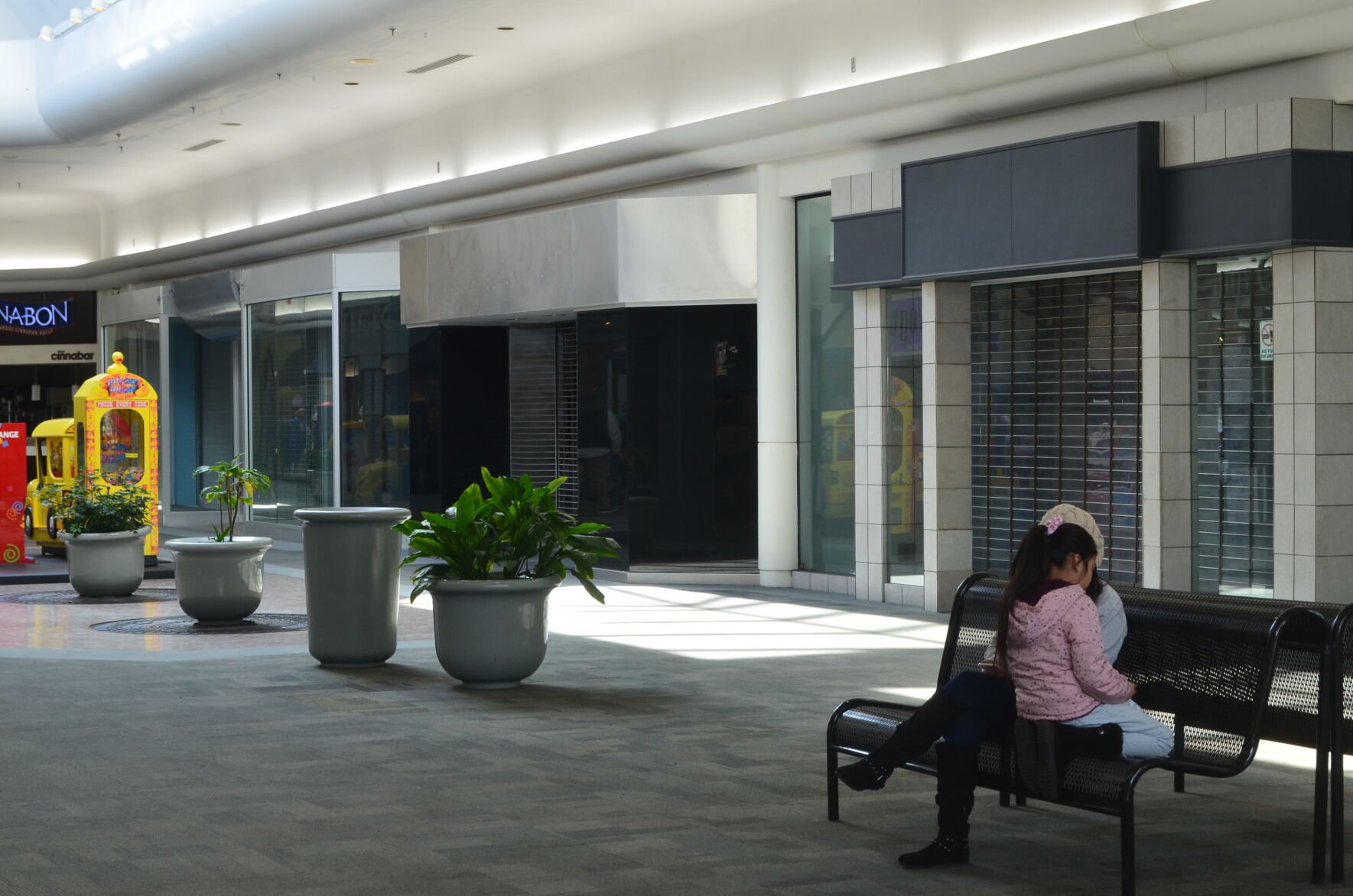
Today, when you walk through the Albany Mall, there is inconsistency.
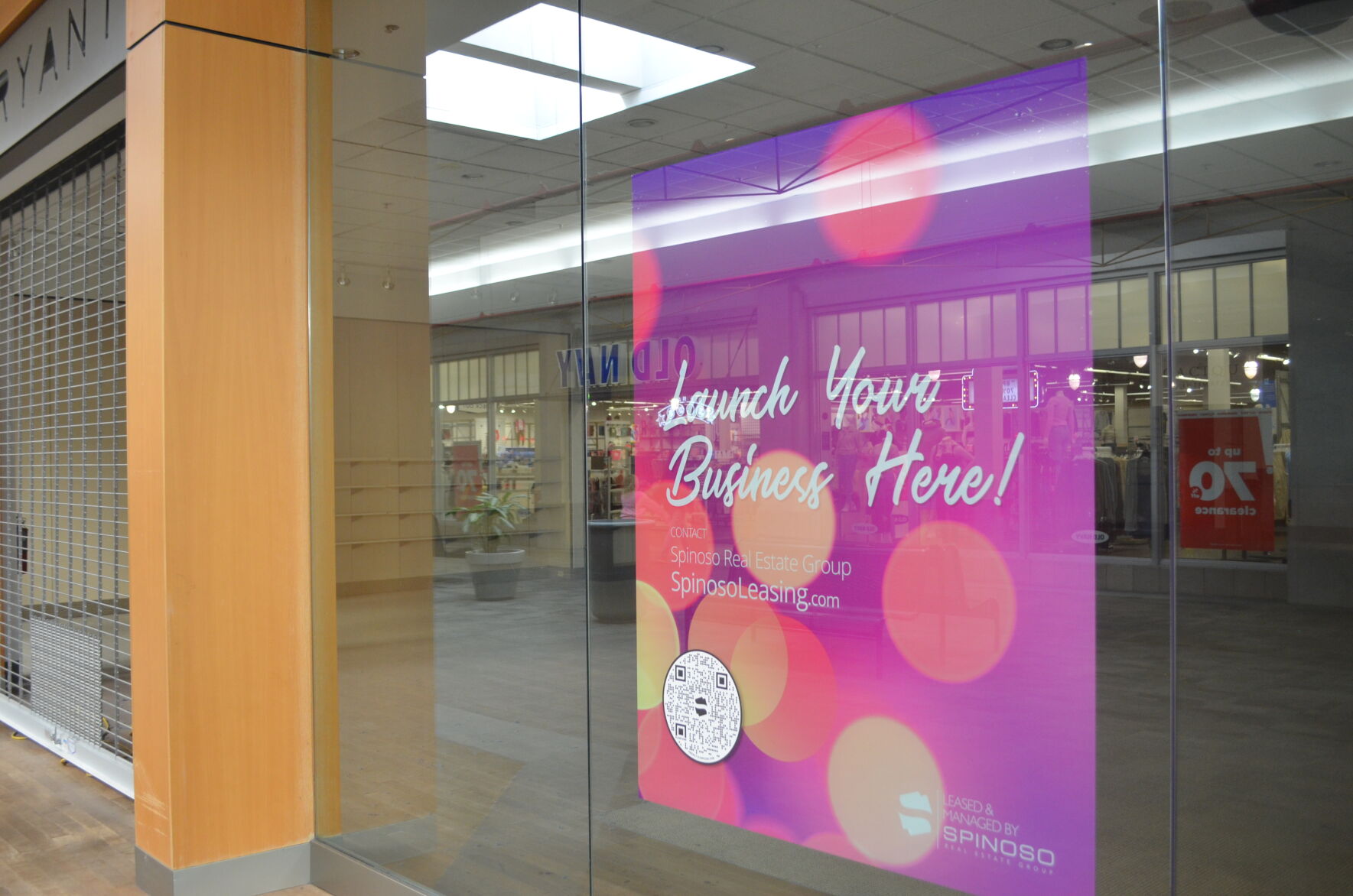
Shops fill spaces in a staggered manner. Lit-up storefronts are tucked between vacant shops with brown paper covering the windows. Around one corner is a glowing “coming soon” sign, and around the next is a wing void of business or people.
The mall is not completely lifeless, but it’s not what it once was.
Albany Ward I Commissioner Jon Howard said the opening of the mall was a new beginning for Albany – providing something the city had never experienced. However, he said the Albany Mall is experiencing a decline similar to what malls nationwide are facing.
One of the reasons for the decline is the popularity of e-commerce, he said. Residents need to know the importance of shopping local and keeping their dollars within the city and county.
“If a business is going to survive, you have to go in there and spend some money,” Howard said.
He said one day he would love to see new restaurants, shops or even a more upscale grocery store in the spot formerly occupied by Sears. He sees potential for breezeways leading to the mall and the creation of a “one-stop-shop” drawing people in.
Howard said tax breaks as an incentive to lease space in the mall may draw retailers in. However, he said he believes other issues, like Albany’s poverty, crime and education system, need to be addressed before larger retailers will want to come to that space.
A future reimagined
In 2021, the mall went into foreclosure.
The mall is now lender-owned with one section being owned by KeyBank, others by the larger anchor stores and another parcel of the property by Indusa Investments.
Spinoso Real Estate took over management of the mall in November 2021. The New York-based real estate group works to invest and capitalize historic malls by leasing enclosed shopping complexes and large-scale retail-based properties.
The company has about 35 years of experience in such investments, according to its website, and it has worked with 88 properties since 2010.
“Enclosed malls are highly complex, with many interconnected challenges and opportunities,” the site reads. “It takes an expert to navigate the challenges and maximize the opportunities. SREG was created to be that expert.”
Charles Cook, the mall manager, said mall businesses are working hard to get people into the center and leasing vacant spaces. He said many developments are in the works, but said he couldn’t give further details on deals that hadn’t been secured.
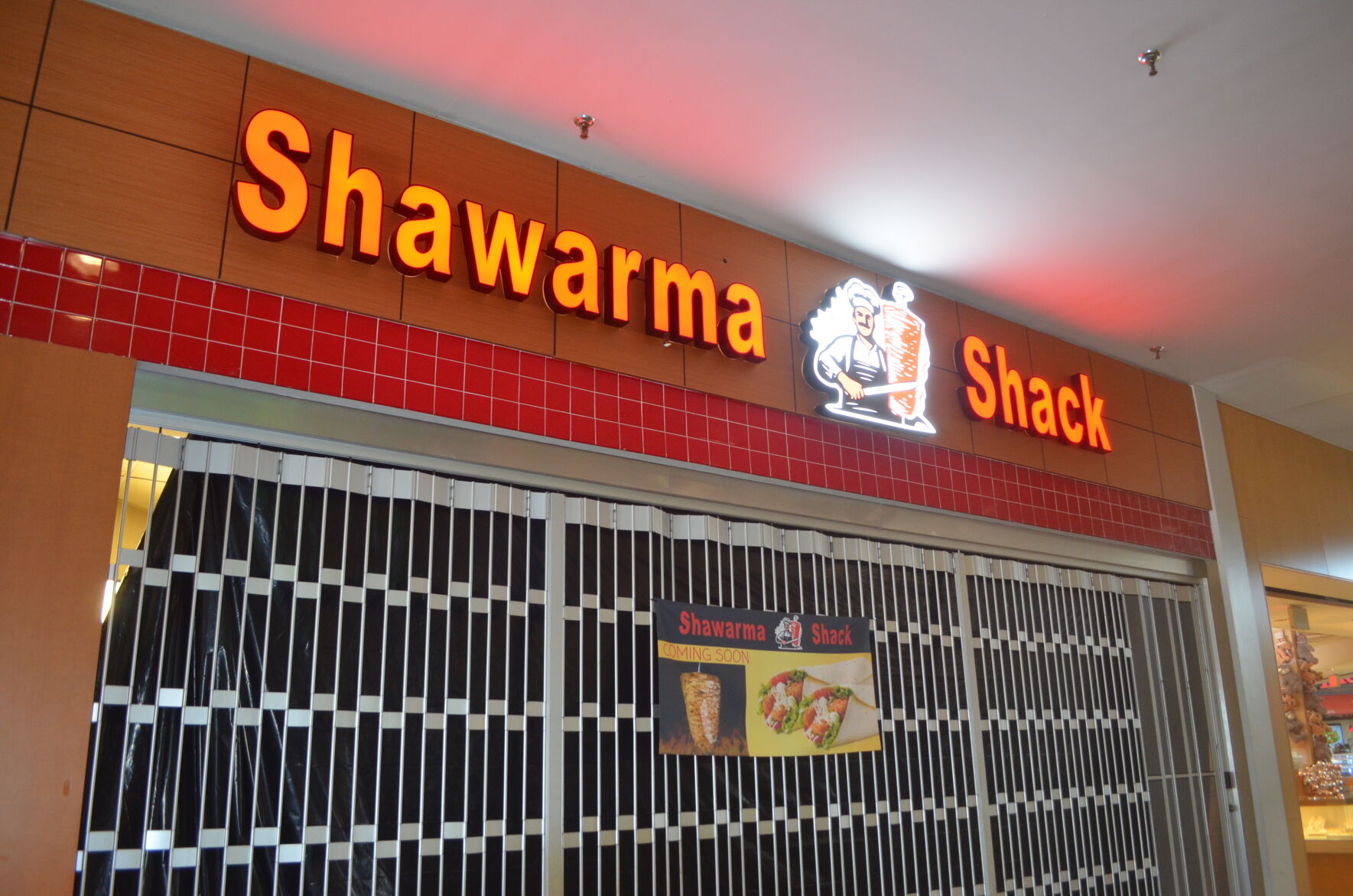
A new Shawarma Shack Restaurant is set to open any week now. It’s in the space that Chick-fil-A once occupied. The owner is in the process of training employees and preparing to open.
The mall also signed a deal with a shop called Queen Cakes to fill the spot that was once The Great American Cookie Shop.
“I think if we can get more businesses in the mall; it’s got a great future,” Cook said. “Malls are not dead.”
He said the Albany Mall is right in the retail hub of Albany. The mall also still has anchor stores like JCPenney, Belk and Dillards, as well as popular spots like Bath & Body Works, that draw a steady amount of foot traffic.
Cook said he wants people to have a positive outlook on the mall and its future.
“I’m 68 years old, and the only reason I haven’t retired is because I love the mall,” he said. “I’ve seen the best of it, and I want to see it through.”
Others see potential in the mall property but are reimagining the space.
Milan Patel, a local investor, co-purchased 16 acres of property from Sears after it closed down in 2017. The parcel extends from the Chick-Fil-A on Dawson Road to the Moe’s Southwest Grill on North Westover Boulevard.
Patel said he purchased the property because he saw the opportunity in it.
The area the mall sits on is Albany’s business center, he said. It’s where most people live, eat, shop, sleep and access health care.
“This part of Albany will always be relevant,” Patel said. “It would take too much to shift the city center.”
Because of that fact, Patel said he sees opportunity at the property, but it might look different than the mall’s current makeup.
“If somebody could reimagine it, it could be different,” he said. “When you think reimagined, you have to pretend it’s not there.”
When Patel purchased the property, he had the old Sears building demolished. He said he believed no one would use a 100,000-square-foot building.
“Sometimes you have to make a decision to say ‘We see no value in this’ and move on to the next thing,” he said. “Otherwise, you see a dark building in your community for the next 30 years.”
Patel said the Sears property became a drain, and he hoped either he or another developer could use the space for something prosperous. He said his vision and hopes were right.
He sold the center portion of the parcel to a hotelier who also owns the Hampton Inn & Suites at the Albany Mall. Patel said he has heard that the hotelier will break ground on the project some time this year. The Albany Herald reached out to the owner of the hotel but did not hear back in time for publication.
Patel said it’s not that he wants to demolish the mall – he just believes its greatest value could one day be to not be there, which isn’t necessarily a bad thing.
He said he wants the space to remain retail but instead, look into businesses that Albany doesn’t already have and ones that are “Amazon proof” or resilient to online shopping.
“That’s why malls are being reimagined, because you’re still buying your groceries and your toilet paper and toothpaste on Amazon,” he said. “But you can’t buy a good time on Amazon. You can’t spend the night at Amazon. So those are the things that are being recreated.”
Patel said in the long run – whether it’s three years from now or 15 – Albany residents will see a dynamic opportunity in Albany’s city center.
“The best days of this area are ahead of us,” he said.
Staff Photo: Lucille LanniganStaff Photo: Lucille Lannigan
Staff Photo: Lucille Lannigan
Staff Photo: Lucille Lannigan
Author

Related Articles

My Grandpa Was Killed in World War II. I Met Him Through His Letters Home
Gina Wolf’s grandfather died before she was born. His letters sent to her grandmother from Europe during World War II made it possible to know what kind of man he was.

‘Sounds Like a Mutiny.’ Secret Recording Exposes Claims of Toxic Leadership After a Marine’s Suicide
This week’s War Horse story follows the systemic failures before and after the death of Cpl. Drew Mobley who was the third in two years at Marine Corps Base Quantico to die by suicide.
Southwest Georgia artists recognized at packed opening of exhibition
The annual juried exhibition, one of the region’s largest showcases of visual art, features approximately 46 artists and nearly 90 works spanning painting, sculpture, ceramics, photography and mixed media.
