
MARY BRASWELL: Easter Baskets: What’s inside?
HISTORY: The tradition of the Easter basket
By Mary Braswell
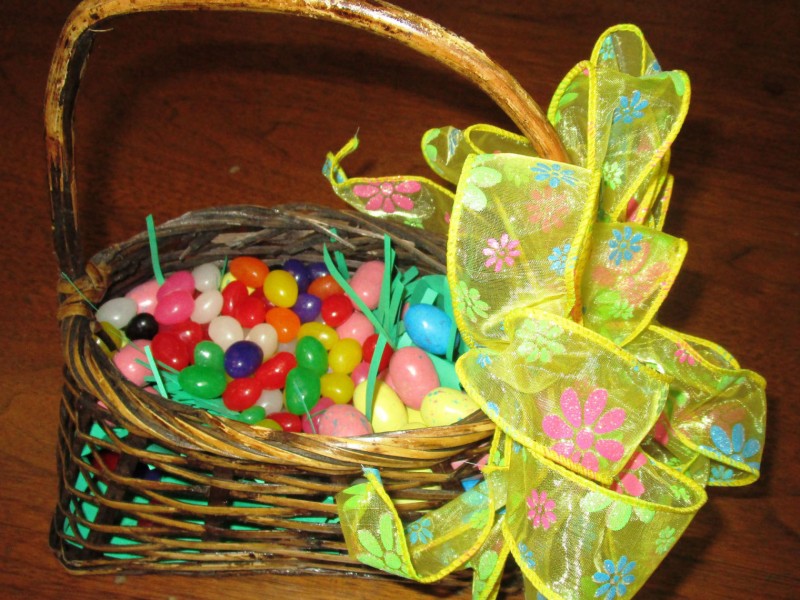
As with every holiday, Easter has its own traditions. One of the most popular traditions is the Easter basket. Here is a look back at just a few of the candy items that have long been favorites in any worthwhile bunny-delivered basket.
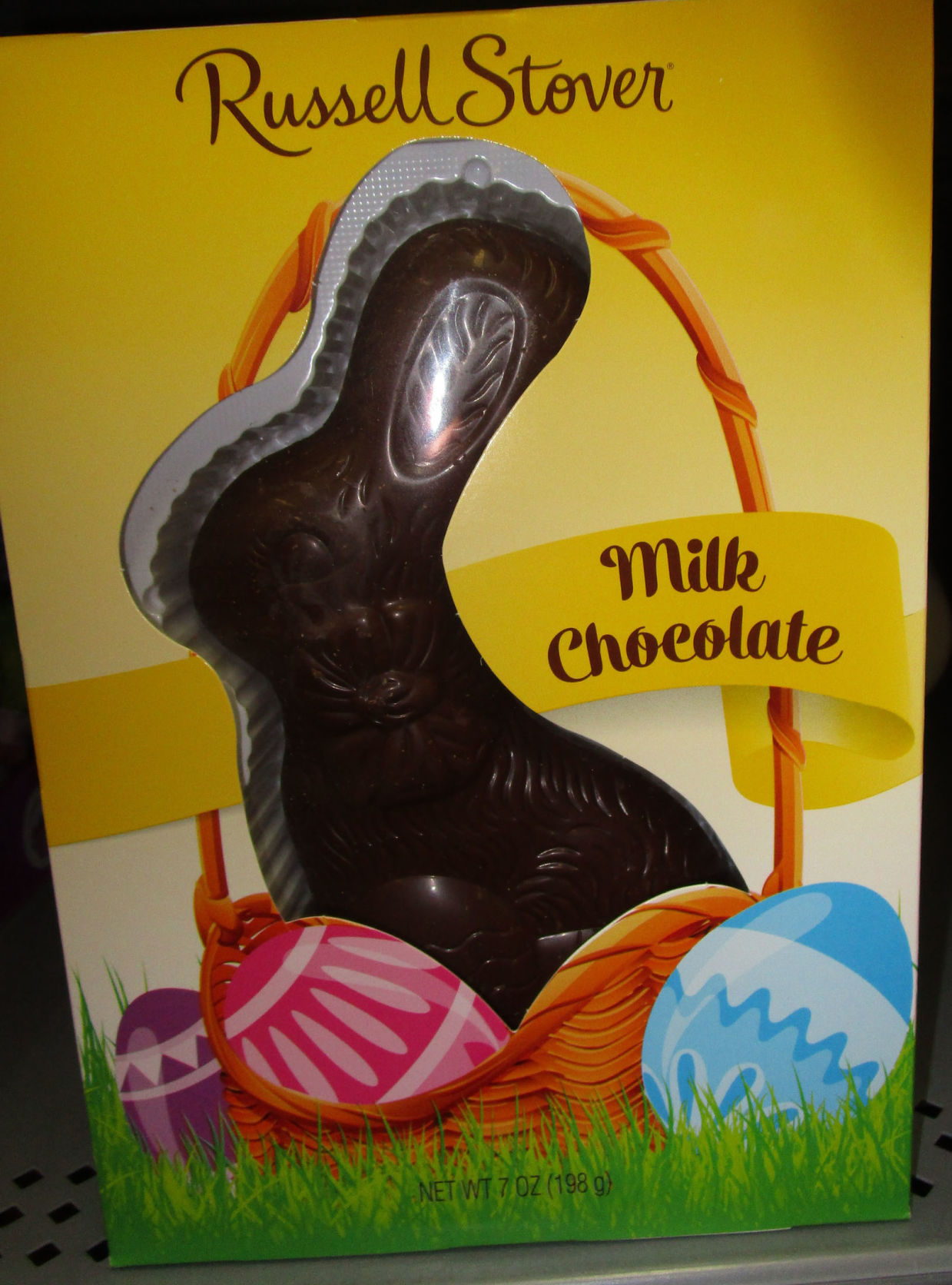
Chocolate Bunnies
— Germany is credited by most sources as the creator of the chocolate bunny. In the 1800s, chocolate connoisseurs made the bunnies, a symbol of fertility, for children to enjoy in the springtime.
— Whitman’s Chocolates followed suit in late-1900s America, but not everyone was sold on the idea and sales were less than expected.
— In 1890, Robert Strohecker displayed a 5-foot-tall chocolate bunny as an Easter promotion at his drug store. It got just the attention he intended, and sales there and at other locations steadily increased.
— One reason chocolate bunnies are made hollow is that once a piece of chocolate is over about 1/2-inch thick it becomes nearly impossible to bite into and enjoy. Making bunnies hollow allows chocolatiers to make them larger for visual impact but still enjoyable to eat.
— The hollow chocolate bunny was also a byproduct of cocoa and sugar rationing during WWII and remained popular when rationing ended.
—A giant chocolate bunny was made in 2014 for Chocofest in Brazil. It weighed more than 8,000 pounds and stood more than 13 feet tall.
— Chocolate bunnies can be found dressed up like cowboys, a motorcycle rider, getting married, playing sports and more. The Bortz Chocolate Company in Reading, Penn., is credited with being the first company to introduce bunny personalities with its accordion playing bunny in 1934.
— An estimated 90 million chocolates bunnies are produced annually.
Jelly Beans
— Jelly beans trace their origin to the ancient delicacy known as Turkish delight.
— Union soldiers during the Civil War were given supplies of what would become the modern jelly bean.
— In the 1890s, jelly beans quickly became a year-round penny candy and because of their egg-like shape, an Easter favorite.
— On average, there are 130 calories and 37 grams of sugar in one serving of jelly beans which is about 35 pieces.
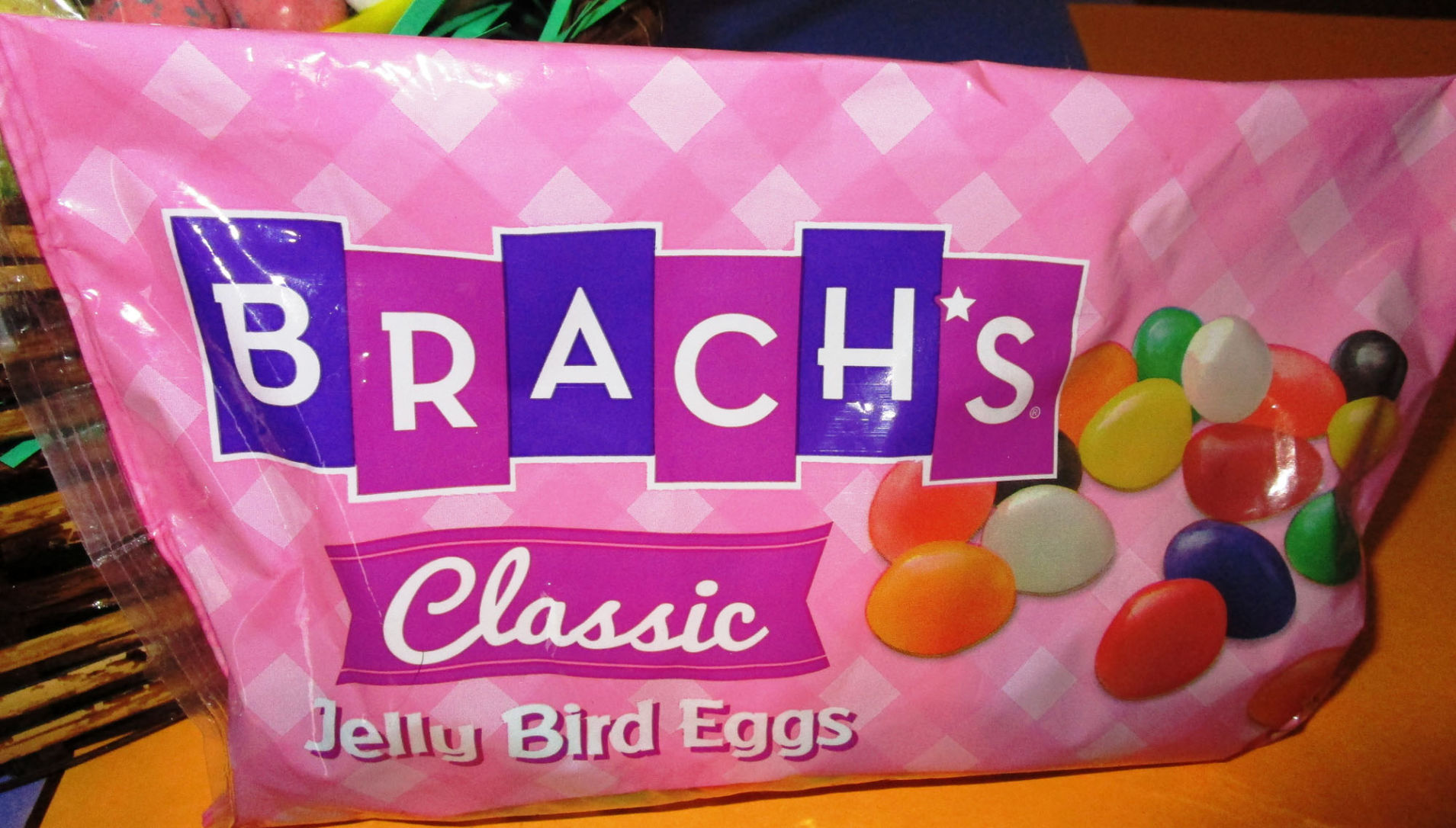
— Brach’s Classic Jelly Beans come in eight flavors. They are orange, pineapple, lemon, lime, raspberry, cherry, grape and licorice.
— Gustav Goelitz started a candy company in Belleville, Ill., at the age of 24. Goelitz Mini Jelly Beans were the first of their kind in 1965, infused with flavor inside as well as out. The Jelly Belly brand name came along in 1976.
— In an attempt to give up smoking his pipe, Ronald Reagan began eating Goelitz Mini Jelly Beans while running for governor of California in 1966. The company sent a monthly shipment to the governor’s office for the full two terms Reagan served. He stopped smoking his pipe.
— Mini Jelly Bean shipments continued after Reagan left office, and when Goelitz began making the Jelly Belly brand in 1976, those, too, were included.
— Blueberry was added to the line of flavors in 1980, and the next year, 3 1/2 tons of red, white and blue Jelly Belly Jelly Beans were shipped to Washington, D.C., for Reagan’s 1981 presidential inauguration. The red, by the way, is “Very Cherry” and the white is “Coconut.”
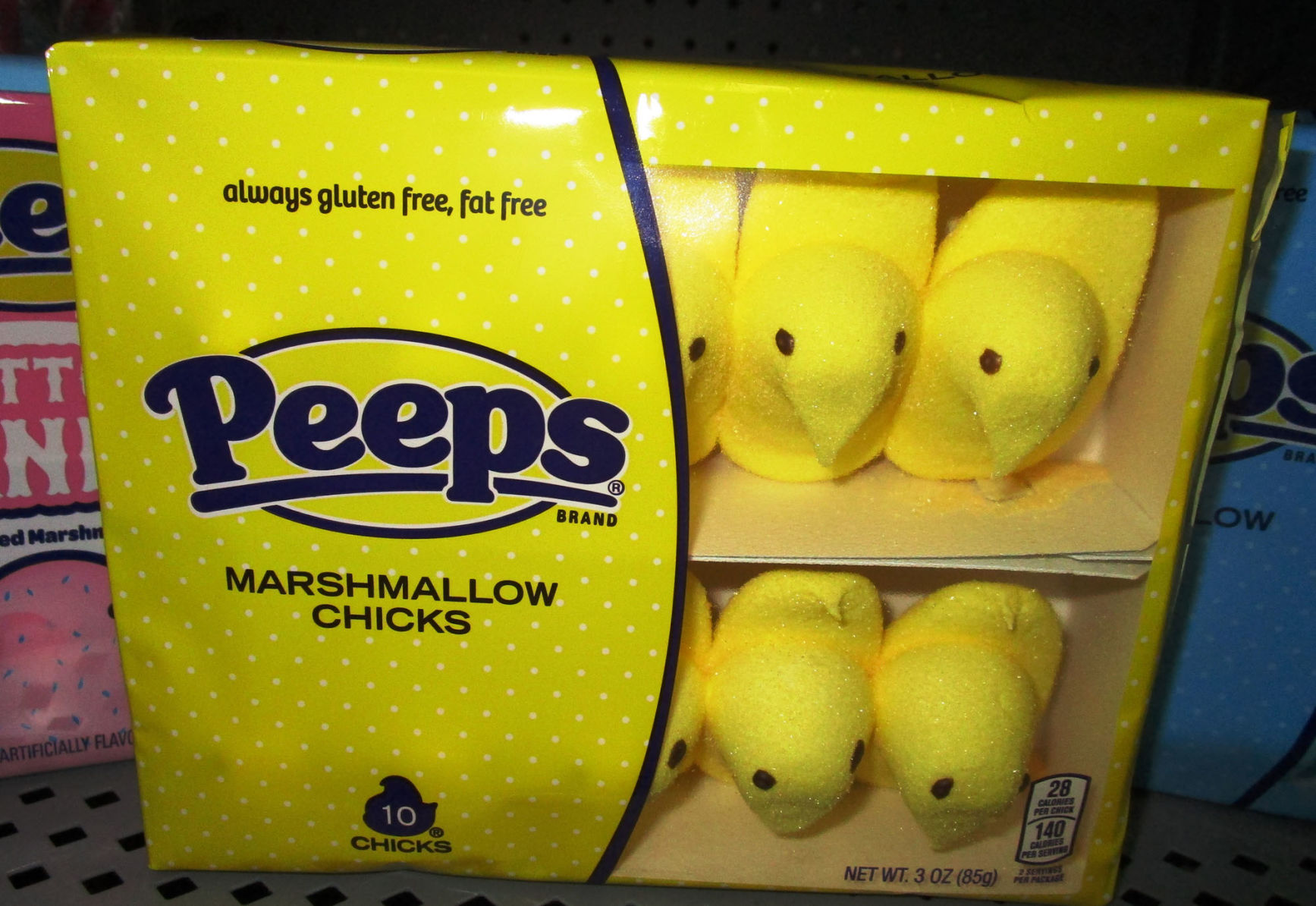
Peeps
— Sam Born opened a small candy store in New York City in 1917. In the store window was a display of made-fresh daily candy with a sign that said “Just Born.”
— In 1953, Just Born Company purchased another candy company that made a marshmallow candy. Peeps were made by hand-squeezing marshmallow through a pastry tube and hand-painting the eyes.
— The Born family figured out a way to automate the process and quickly cool the Peeps. By 1954, the company had shortened the manufacturing time from 27 hours to about six minutes.
— Original Peeps had two small wings coming off the back of each bird. Just Born initially included the wings in the process, but it made automation more complicated. In 1955, the wings were clipped forever.
— Peeps celebrated 50 years of production in 2003 with two Peeps tour buses, Peeps Points, A Macy’s Thanksgiving Day float and more.
— Today, Just Born makes about 5.5 million Peeps each day in a variety of shapes and colors.
Cadbury Creme Eggs
— John Cadbury made his first “French Eating Chocolate” in 1842, but it was not until 1875 that the first Cadbury Easter Eggs were made.
— J.S. Fry, the company that merged with Cadbury Limited in 1919, produced the first chocolate eggs in 1873.
— The earliest Cadbury chocolate eggs were made of dark chocolate with a plain smooth surface, and they were filled with sugar-coated chocolate drops.
— The launch in 1905 of the Cadbury Dairy Milk (chocolate milk) had a big impact on the chocolate egg market.
— Cadbury introduced a cardboard egg, known as a “Fancy” egg, in 1906 that was filled with assorted chocolates. These novelties were produced until the early ’30s by Cadbury.
— Creme-filled eggs, the forerunners of the famous Cadbury Creme Egg, first appeared in 1923.
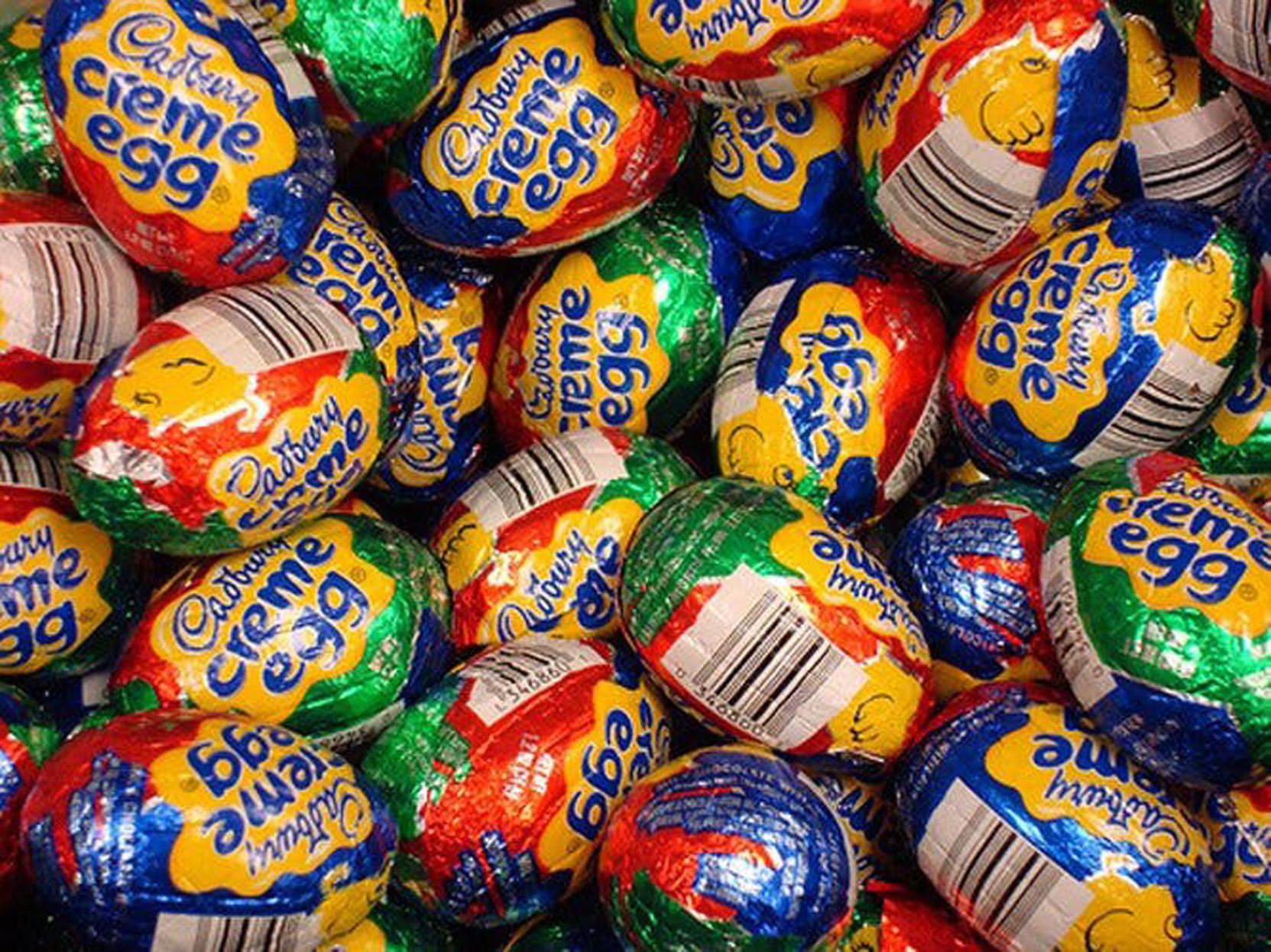
— Today, more than 500 million Cadbury Creme Eggs are made each year. Stacked one on top of another, the height would be 10 times that of Mount Everest.
Whoppers Robin Eggs
— Giants, the first malted milk balls, came out in 1939.
— A decade later, in 1949, the candy name was changed from Giants to Whoppers.
— Whoppers were sold unwrapped at candy counters for the price of two for a penny. The introduction of cellophane wrapping machines allowed them to be sold at five, called a fivesome, for a penny.
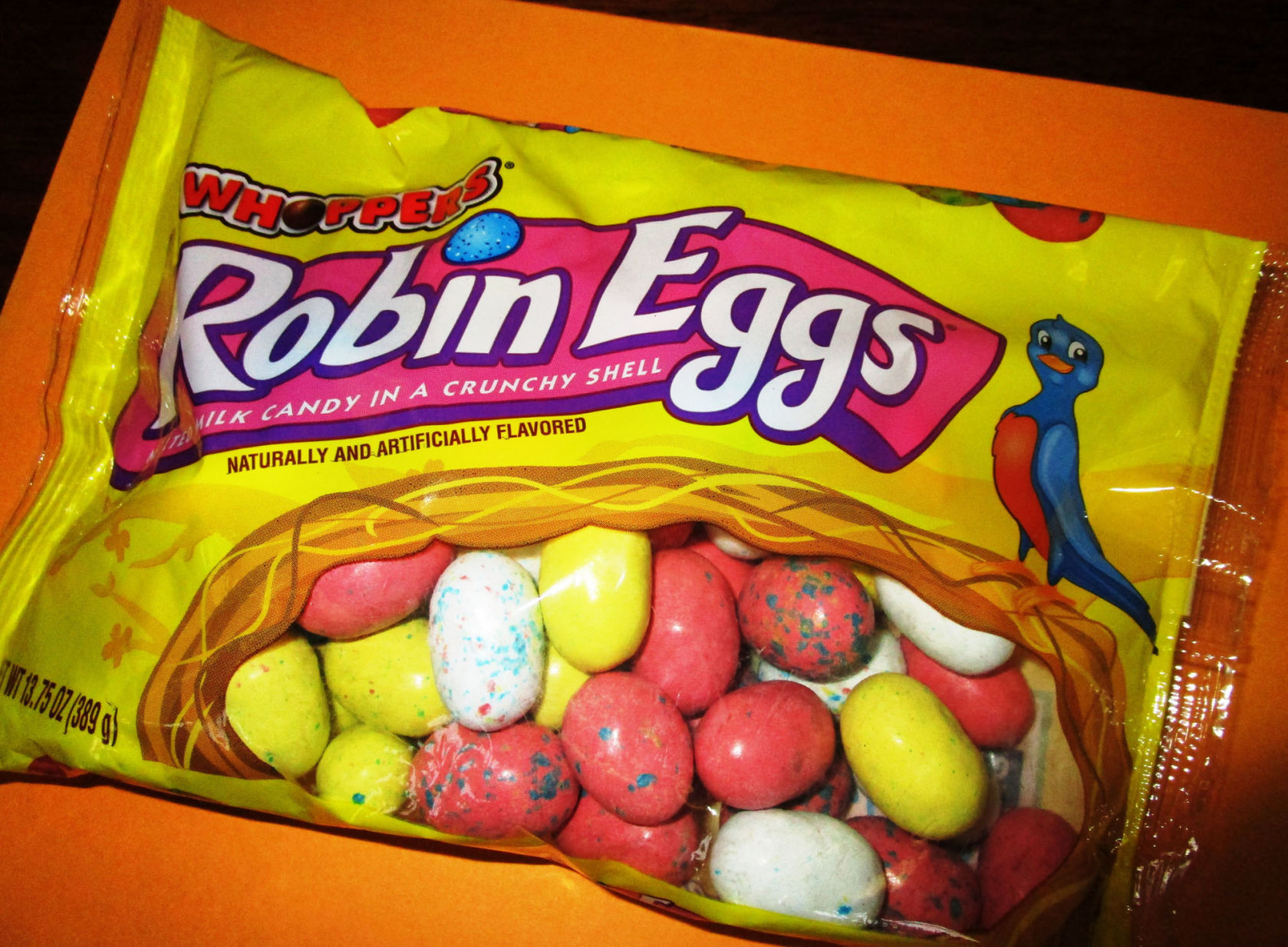
— According to the Hershey Archives, the egg-shaped candy made its debut somewhere between 1949 and 1952. The original eggs, however, were not covered in a sugar coating and were slightly bigger. Somewhere between 1952 and 1955 the Robin Eggs we know today were introduced.
— Robin Eggs are only available during the Easter season. It takes about five months to make each year’s batch of candy. About 11 million pounds of eggs are made per season. To reach this goal,workers produce two million eggs per hour.
One more thing…
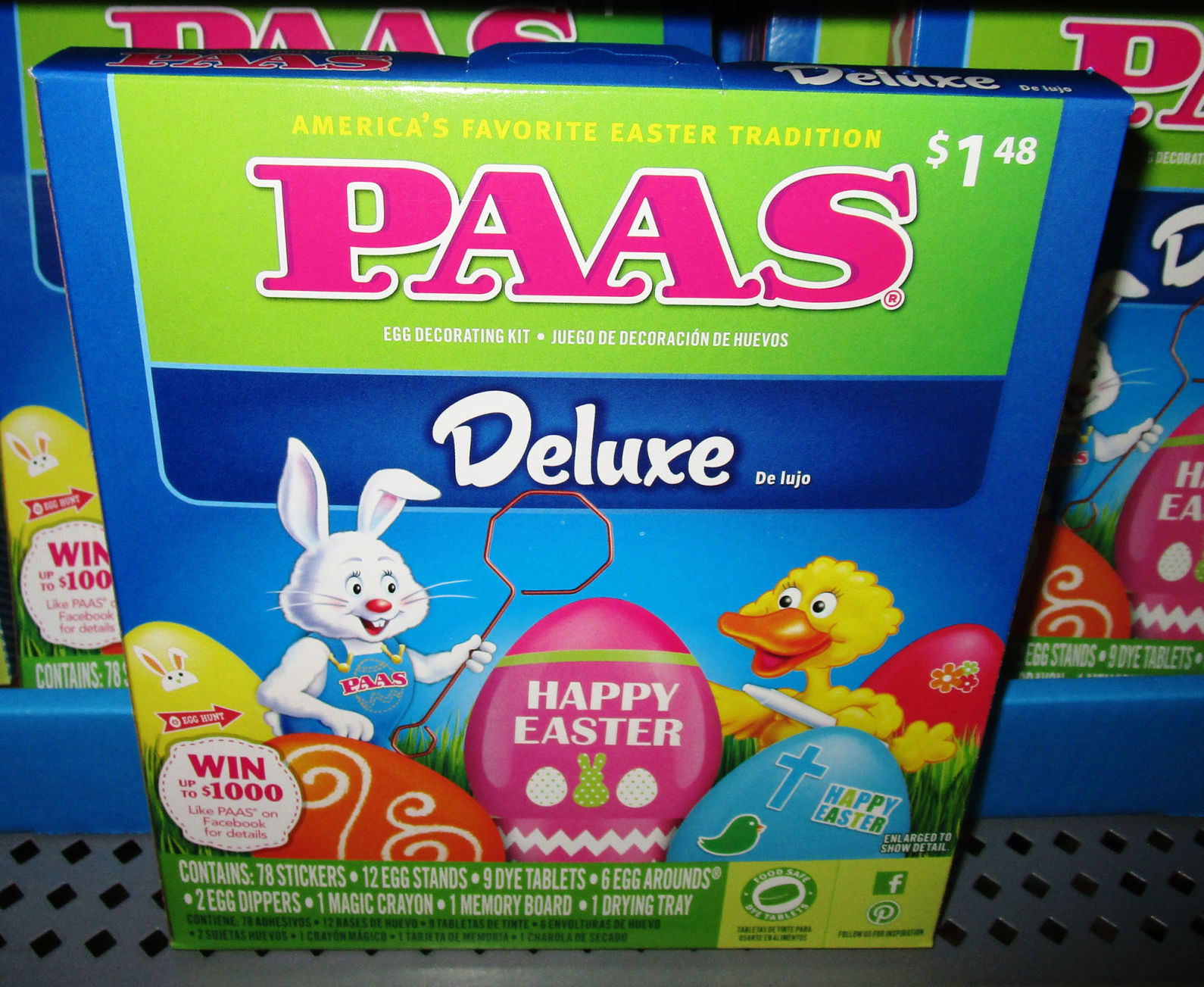
William Townley owned a drug store in Newark, N.J. In the late 1800s, he came up with a recipe for Easter egg dye tablets that tinted eggs five colors. Neighborhood families started buying Townley’s Easter Egg Dye packets in 1880 for 5 cents and mixed them with water and white vinegar to create the perfect egg dye. Townley renamed his business the PAAS Dye Company. The name PAAS comes from “Passen,” the word that his Pennsylvania Dutch neighbors used for Easter.
Today, Americans purchase more than 10 million PAAS Easter Egg Color Kits during the Easter season and use them to decorate as many as 180 million eggs.
Each week Albany Herald researcher Mary Braswell looks for interesting events, places and people from the past. You can contact her at (229) 888-9371 or [email protected]. Follow @ABH_MBraswell on Twitter
QUIK QUIZ answer: d) 1978
Related Articles
From cotton to cloud: In the data center debate, is rural Georgia once again being asked to carry the cost?
Across much of rural Georgia, the abandoned cotton warehouses and shrinking tax bases remain — enduring reminders that industries built to serve distant markets do not necessarily stay rooted in the communities that first sustained them.
My Grandpa Was Killed in World War II. I Met Him Through His Letters Home
Gina Wolf’s grandfather died before she was born. His letters sent to her grandmother from Europe during World War II made it possible to know what kind of man he was.

‘Sounds Like a Mutiny.’ Secret Recording Exposes Claims of Toxic Leadership After a Marine’s Suicide
This week’s War Horse story follows the systemic failures before and after the death of Cpl. Drew Mobley who was the third in two years at Marine Corps Base Quantico to die by suicide.
