
MARY BRASWELL: Looking back (and forward) to the plentiful fresh foods of summer.
HISTORY: Fun facts about the farm-fresh foods we eat.

By Mary Braswell
Each week Albany Herald researcher Mary Braswell looks for interesting events, places and people from the past. You can contact her at (229) 888-9371 or [email protected]. Follow @ABH_MBraswell on Twitter.
Living in South Georgia brings the benefit of just about any fresh fruit or vegetable one can desire. Here is a look at facts and history of some of the delicious summer treats.
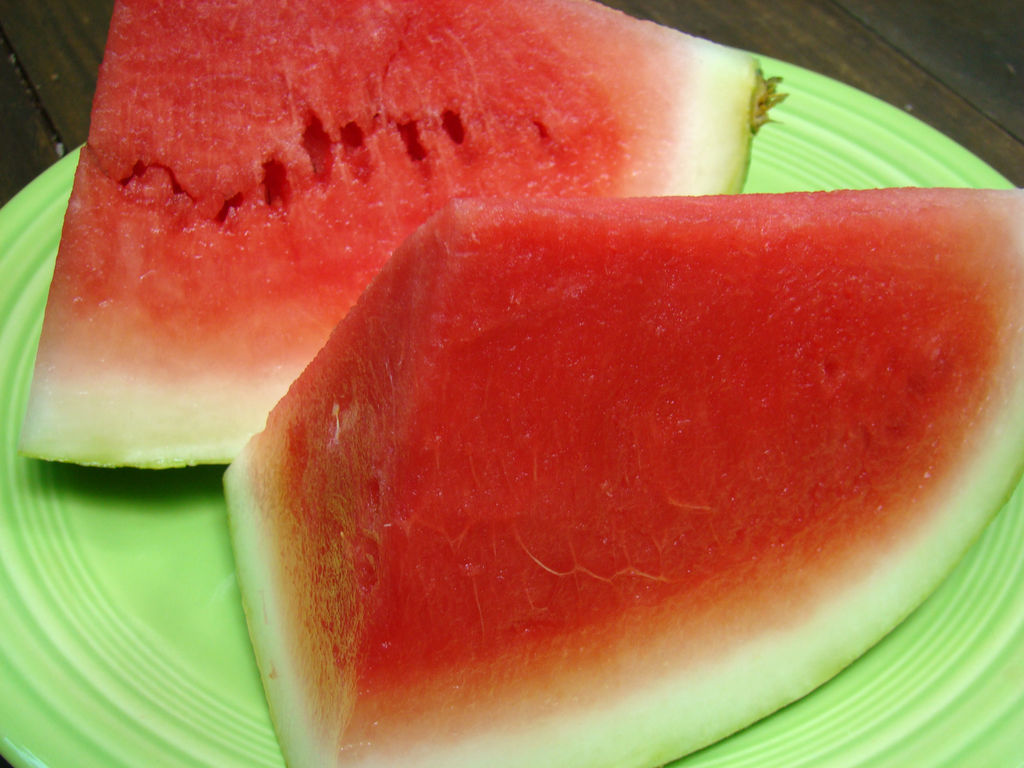
WATERMELONS
— The watermelon can be classed as both a fruit and a vegetable. It is a fruit because it is considered a type of melon (although it is actually a type of berry called a pepo). It is a vegetable because it is a member of the same family as the cucumber, pumpkin and squash.
— The rind, which actually contains a number of nutrients, can be stir-fried, stewed or pickled. Early Greek settlers brought the method of pickling watermelon rinds with them to Charleston, S.C.
— Some farmers in Japan grow cube-shaped watermelons by growing them in glass boxes where they assume the shape of the box. Originally, this was done to make the melons easier to stack and store, but the novelty of the cubic watermelon can fetch double the price of a normal one at market.
— Nutritionally, watermelons contain high levels of vitamin B6 (which increases brain power), vitamin A (good for eye sight)and potassium (which helps keep the heart healthy). The watermelon also contains Vitamin B1, C and manganese which protect against infections.
— By weight, a watermelon contains about 6 percent sugar and 92 percent water.
— Early explorers used watermelons as canteens.
— According to Guinness World Records, the world’s heaviest watermelon was grown by Chris Kent of Sevierville, Tenn. in 2013. It weighing in at 350.5 pounds.
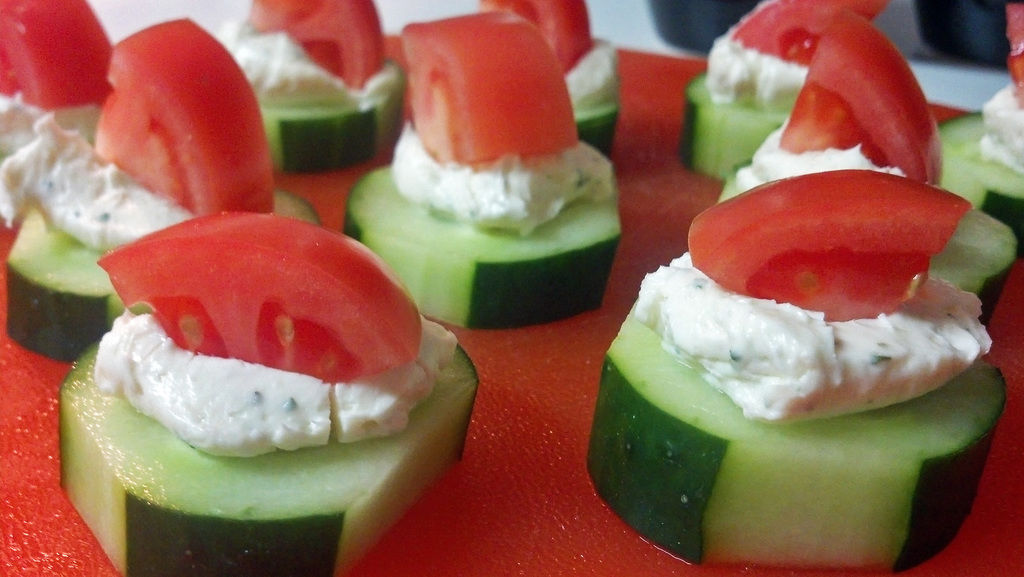
CUCUMBERS
— Cucumbers are 96 percent water, low in fat, sodium and calories.One-half cup of sliced cucumbers contains only 8 calories.
— The skin is often waxed, not for appearance but to seal in moisture.
— Take a slice of fresh cucumber and press it to the roof of your mouth with your tongue for 30 seconds to eliminate bad breath.
— Rubbing a cucumber slice along the bathroom mirror will eliminate the after-shower fog and provide a soothing, spa-like fragrance. A slice of cucumber can be also be wiped on faucets and sinks. It will remove tarnish and built-up residue and leave it looking clean and shiny.
— Cucumbers contain enough sugar, B vitamins and electrolytes to replenish essential nutrients the body loses after a night of too much alcohol. Eat a couple slices before bed and wake up headache free!
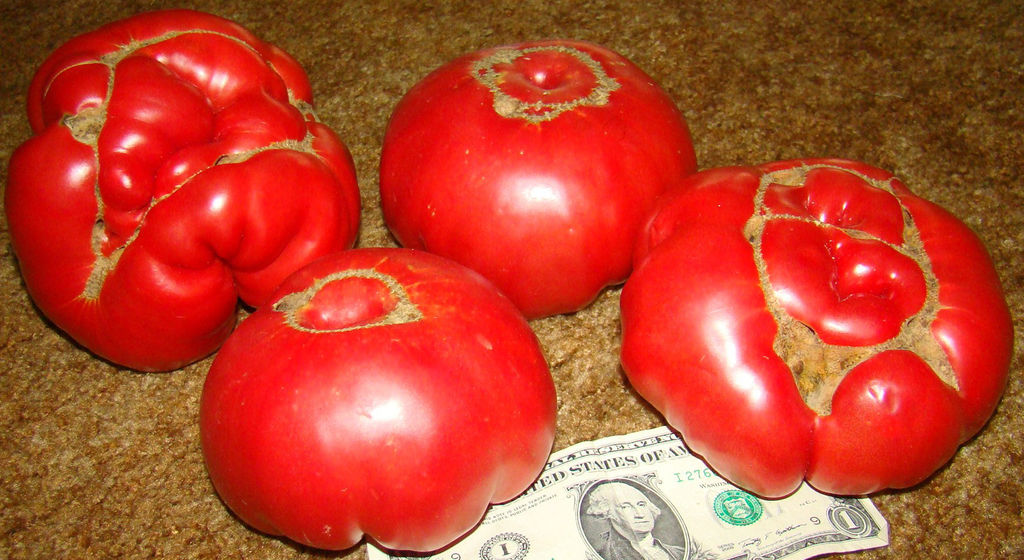
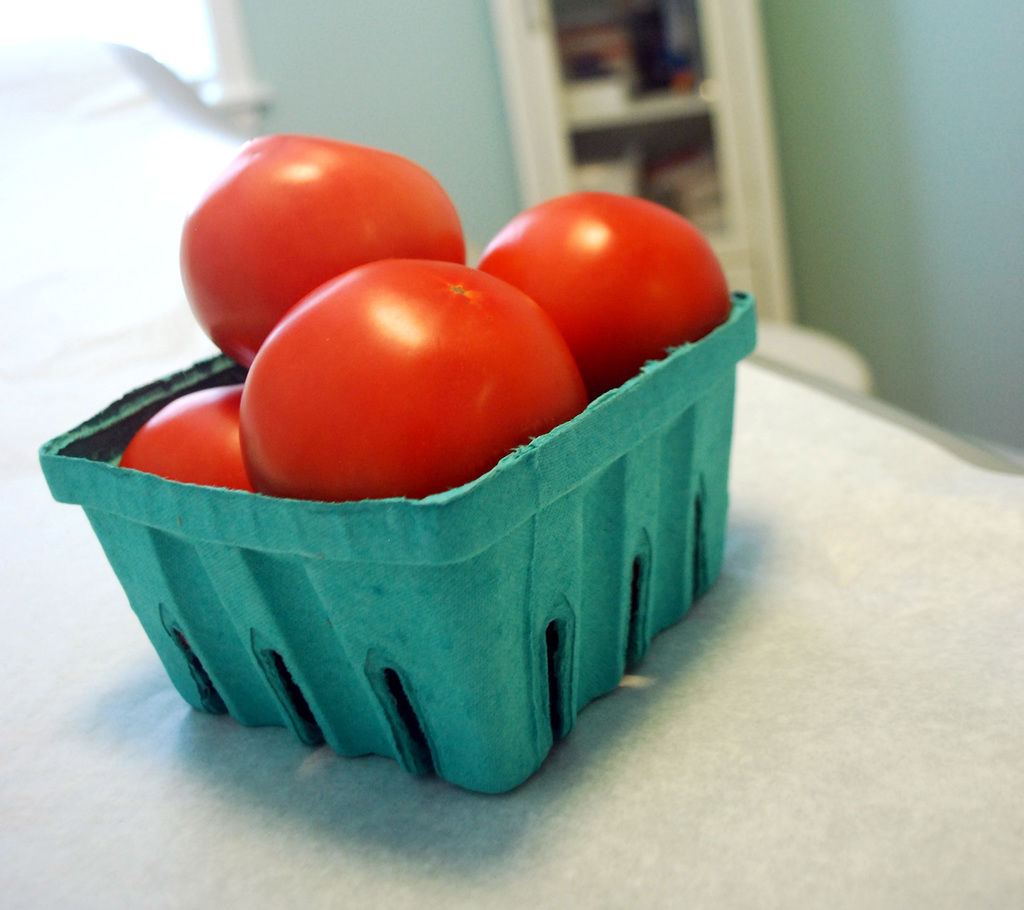
TOMATOES
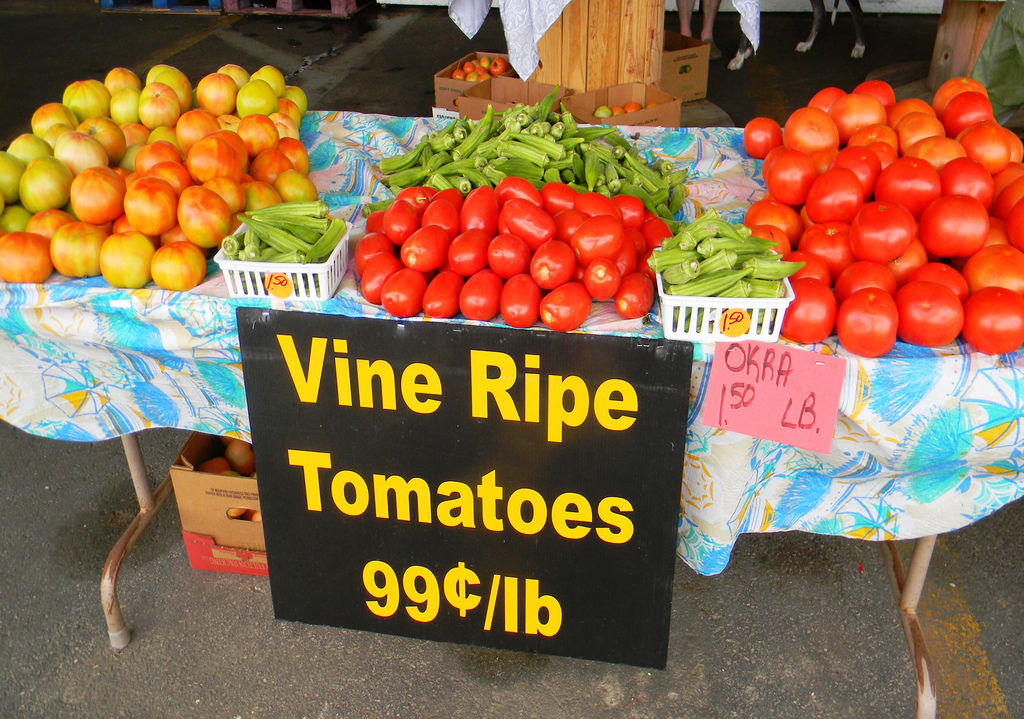
— When tomato seeds were brought back by sailors from the New World the early Europeans thought the fruit was poisonous and good only as an ornamental. It is thought that tomatoes originated in Peru, where their Aztec name meant “plump thing with a navel.”
— The U.S. Congress passed the Tariff Act of 1883 which levied a 10 percent duty on imported vegetables to protect American growers from foreign competition. An importer, John Nix, maintained that tomatoes were a fruit and should be exempt from the tariff. The case finally was decided by the U.S Supreme Court in 1893. The court ruled that tomatoes are vegetables.
— According to the U.S. Department of Agriculture, Americans eat between 22-24 pounds of tomatoes per person, per year. More than half of that is in tomato sauce and/or ketchup.
— The United States is second only to China in the production of tomatoes.
— Vine-ripened tomatoes contain nearly twice the vitamin C and beta-carotene as their green-picked counterparts.
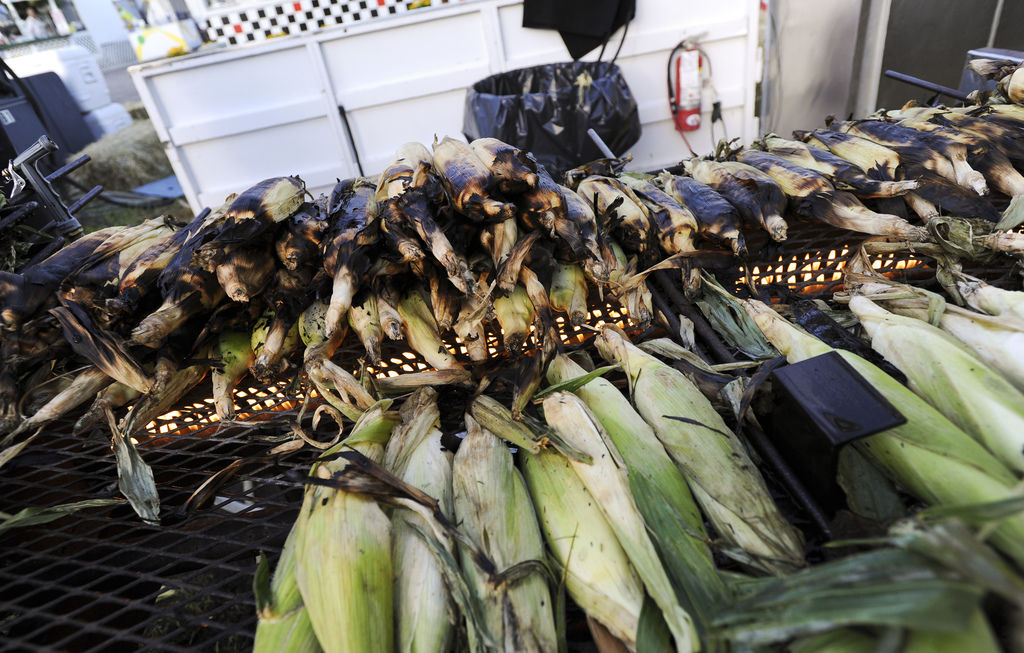
CORN
— With the exception of Antarctica, corn is produced on every continent in the world.
— Corn will always have an even number of rows on each cob.On average an ear of corn has 800 kernels in 16 rows.
— Juices and soft drinks like Coca-Cola and Pepsi contain corn sweeteners. A bushel of corn can sweeten 400 cans of soft drink.
— There are more than 3,500 different uses for corn products. Corn is processed and used as a major component in many food items like cereals, peanut butter, potato chips, soups, marshmallows, ice cream, baby food, cooking oil, margarine, mayonnaise, salad dressing, and chewing gum.
— Corn and its byproducts are also found in many non-food items such as fireworks, rust preventatives, glue, paint, dyes, laundry detergent, soap, aspirin, antibiotics, paint, shoe polish, ink, cosmetics and in the production of plastics.
— One medium-sized boiled ear of corn (without the butter) has 111 calories. Nutrients in corn help reduce bruising by making blood vessels and capillary walls strong.
THIS ‘N’ THAT
— Carrots were first grown as a medicine, not a food. Anglo Saxons included carrots as an ingredient in a medicinal drink to ward off the devil and insanity.
— Because they have very thin skins, new potatoes are also prone to sun damage. A sunburned potato has a green patch under its red skin. This patch contains a poisonous chemical. Either cut the spot entirely out or discard the potato.
— Almost 60 percent of the world’s green beans are grown in the United States.
— To gain the full nutritional benefits of summer squash, the skins or rinds must be eaten.
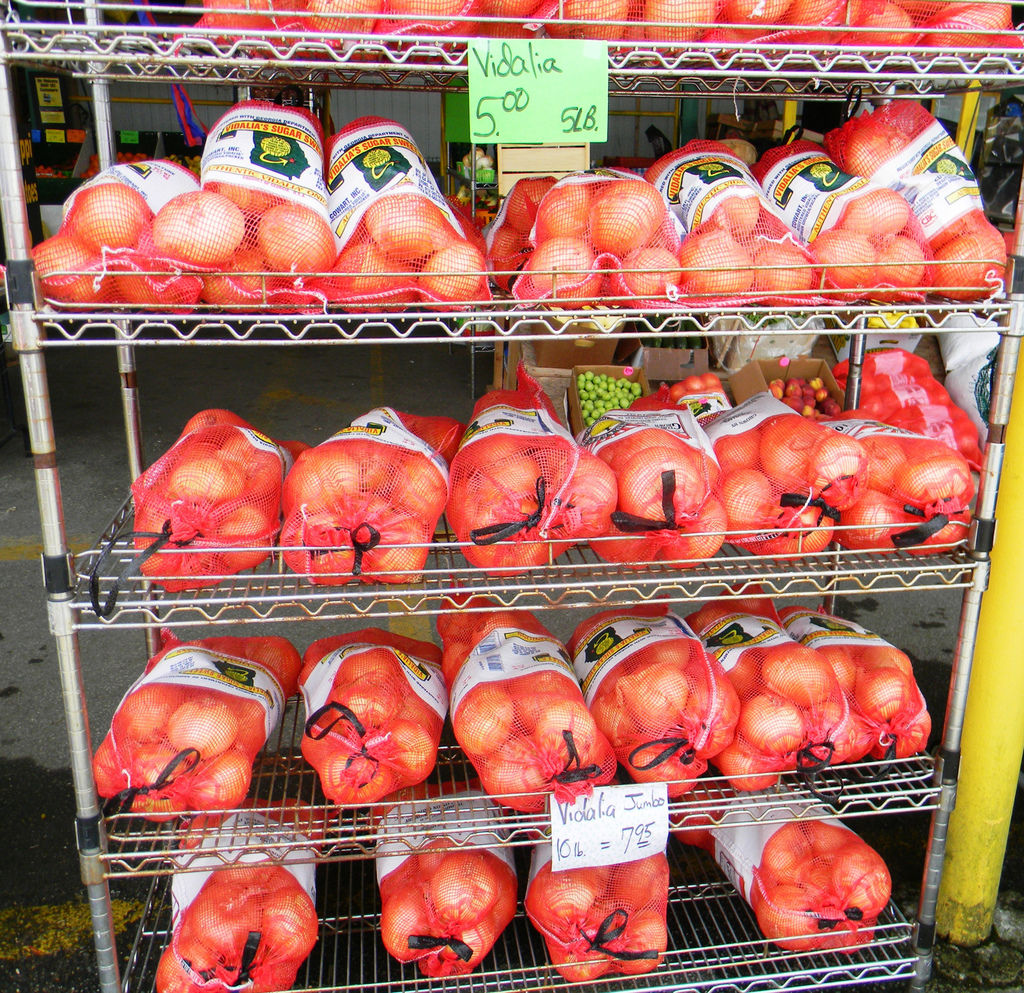
— Vidalia onions, by law, can only be grown in a 20-county area of the state of Georgia.
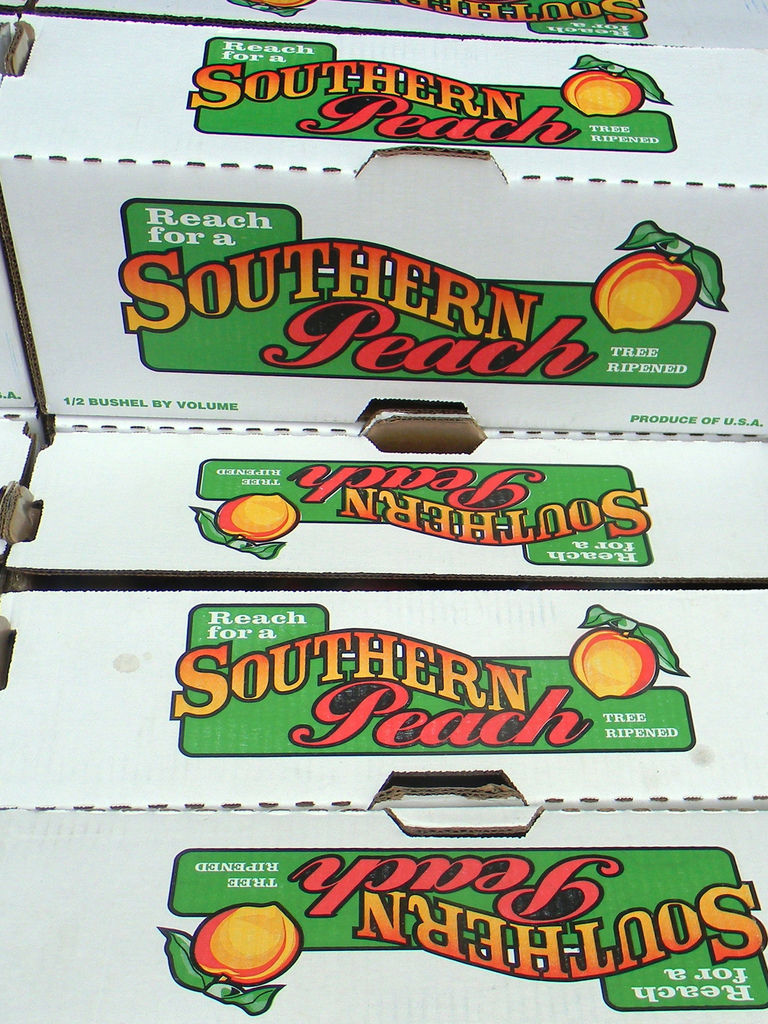
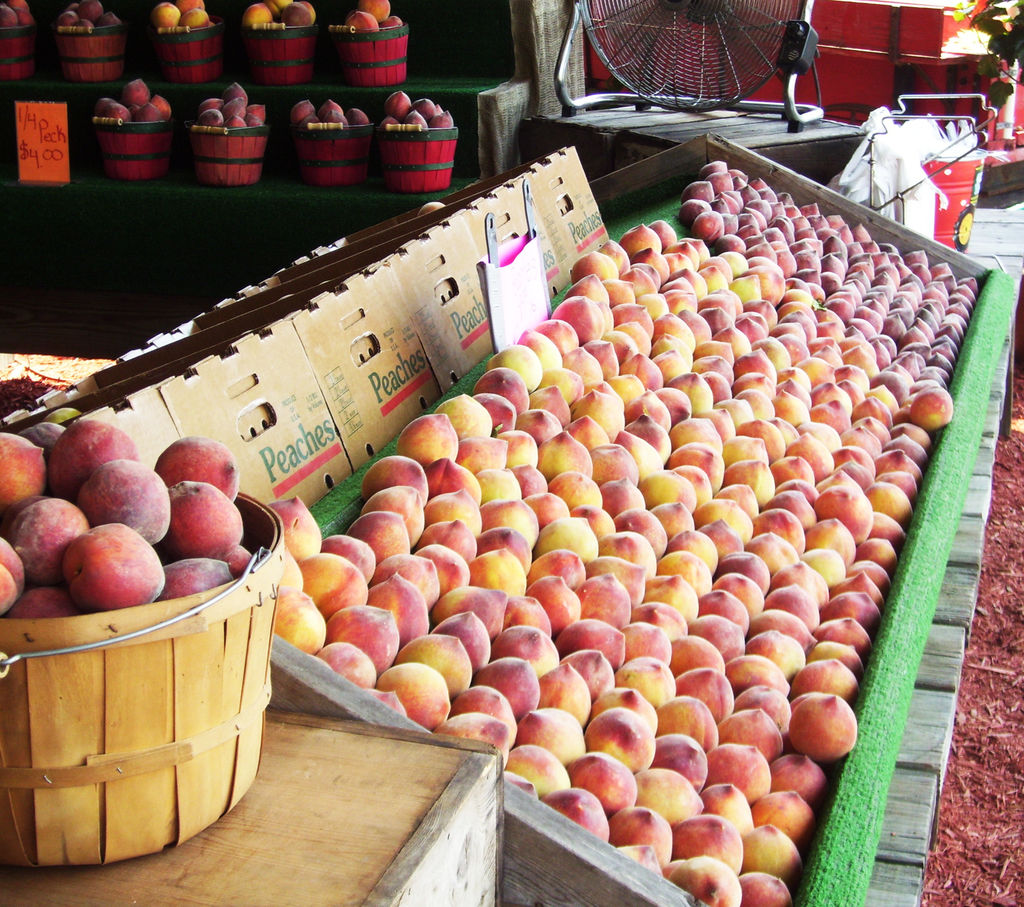
— Peaches, a member of the rose family, were fed to hogs and used for making brandy in colonial America.
— Green sweet bell peppers have twice as much vitamin C as oranges. Red and yellow bell peppers have four times as much.
— Okra is rich in both soluble and insoluble fiber, folic acid, vitamin B5, C and A, and protein. Do not wash okra until ready to use. Once washed, the protective outsides will soften quickly.
QUIK QUIZ ANSWER: (c) 28 percent
According to the USDA Economic Reasearch Service, approximately what percentage of Georgia land is farmed?
a) 17 percent
b) 21 percent
c) 28 percent
d) 33 percent
Answer at the bottom of the column.
Related Articles
From cotton to cloud: In the data center debate, is rural Georgia once again being asked to carry the cost?
Across much of rural Georgia, the abandoned cotton warehouses and shrinking tax bases remain — enduring reminders that industries built to serve distant markets do not necessarily stay rooted in the communities that first sustained them.

My Grandpa Was Killed in World War II. I Met Him Through His Letters Home
Gina Wolf’s grandfather died before she was born. His letters sent to her grandmother from Europe during World War II made it possible to know what kind of man he was.

‘Sounds Like a Mutiny.’ Secret Recording Exposes Claims of Toxic Leadership After a Marine’s Suicide
This week’s War Horse story follows the systemic failures before and after the death of Cpl. Drew Mobley who was the third in two years at Marine Corps Base Quantico to die by suicide.
