
MARY BRASWELL: Looking back at 1949
HISTORY: George Orwell’s ‘Nineteen Eighty-four’ was published in 1949
By Mary Braswell
Post-WWII and pre-Korean War, the year 1949 in South Georgia and across the nation and world was loaded with non-war news. Here is a look back through the March pages of The Albany Herald that year.
— Empire Land Company, a subsidiary of the Central of Georgia Railway company, purchased 321 acres from the John Slappey estate for the development of an industrial site. The land fronted Slappey Drive and Pretoria Road. No specific industry was disclosed at the time.
— Horne-Wilson Inc. of Atlanta announced plans to open a wholesale branch at 211 Roosevelt Avenue. The business included supplies for heating, air-conditioning, roofing, sheet metal, well pumps and home appliances.
— J. & J. Furniture Co. at 125 Broad Ave. gave a measuring glass (cup) to every housewife who visited the store over a three-day period.
— Showing at the Albany Theatre was “Yellow Sky” with Gregory Peck and Anne Baxter. Extras included a newsreel and a Donald Duck cartoon.
— Entertainment at the Dawson Rotary Club meeting was furnished by the Dawson Kindergarten. The program consisted of a duet, two solos with banjo accompaniment, a solo in French, baton twirling and several numbers played on rhythm instruments. The class consisted of six children.
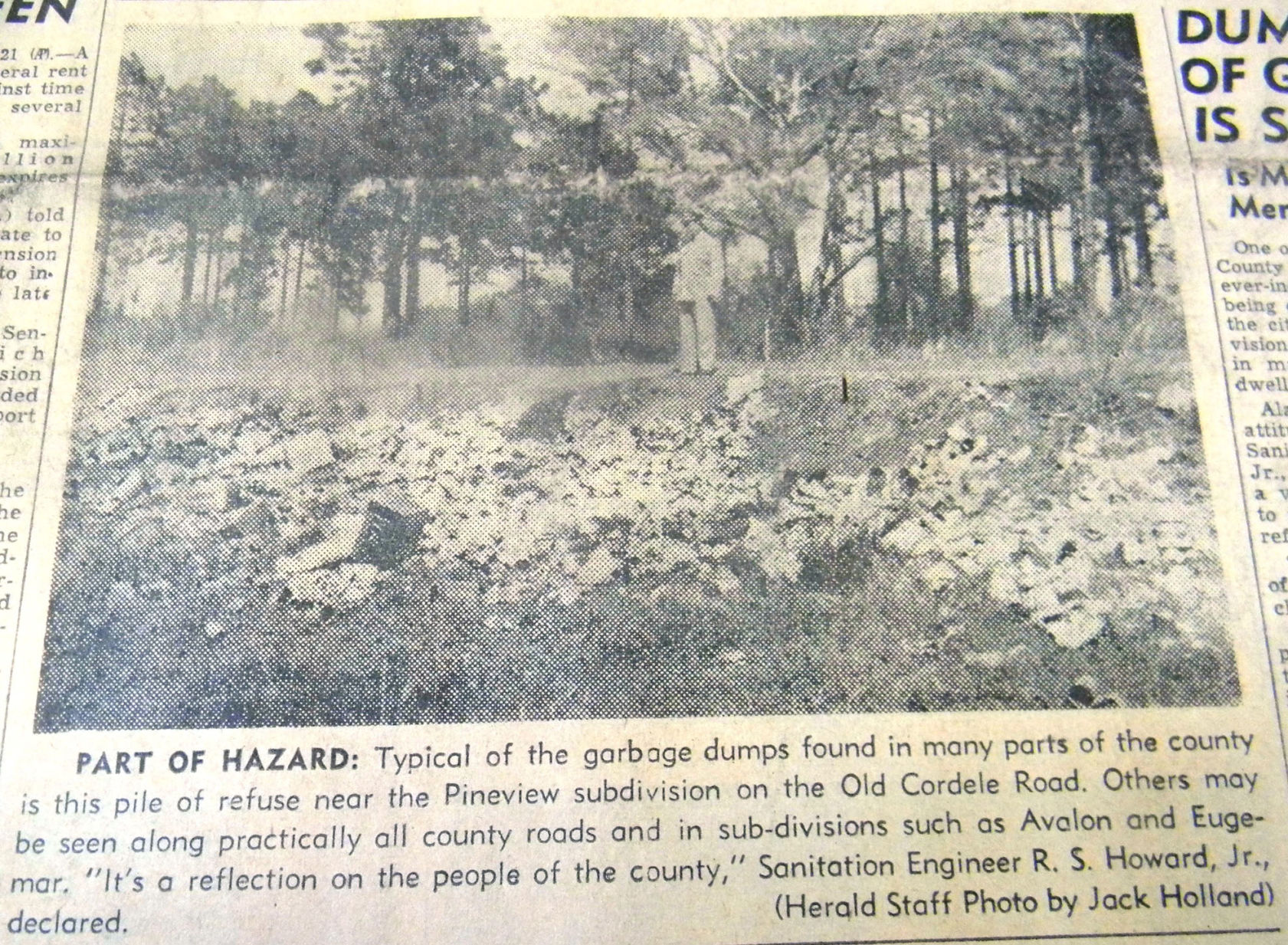
— Illegal dumping in Dougherty County and some areas of the city was considered a serious problem. Police were instructed to ramp up patrols in known dump areas and to arrest those caught in the act. One member of the City Health Board, M.W. Tift, described the situation as “deplorable.”
— The Fair Trade Law of Georgia increased the cost of popular brands of cigarettes from $1.76 per carton to $1.91. Per pack cost increased 1-3 cents for a cost of 20 cents.
— Dougherty County’s Commission of Roads and Revenue granted the Albany Baseball Club permission to sell 3.2 beer at the new ball park on Newton Road. Permission was also given for Sunday games. Both had been allowed in the past when the ballpark was inside the city limits.
— Tax season was in full gear with the average overpayment/refund being $50.
— Considered by many to be the most important piece of legislation passed in 1949, Georgia began requiring blood tests prior to the issuance of a marriage license. At the time, about half of all the insanity cases at Battey State Hospital in Rome were from the effects of syphilis.
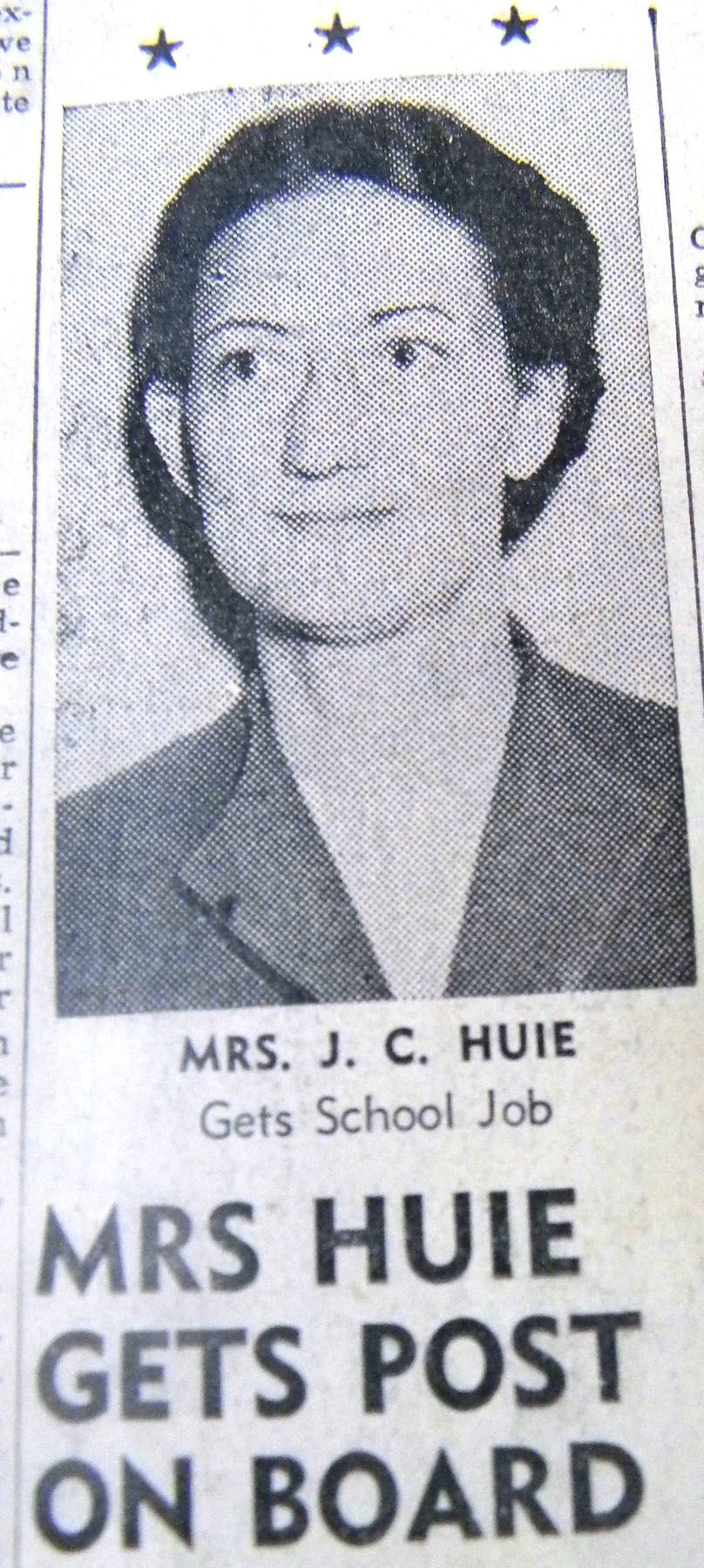
— The Albany Board of Education gained its first female member with a unanimous vote by the Albany City Commission. Mrs. J.C. Huie was pleased but a bit skeptical. “I don’t know what they’ll (the men) think about a woman being on the board, but I am very pleased with the appointment,” she told The Albany Herald.
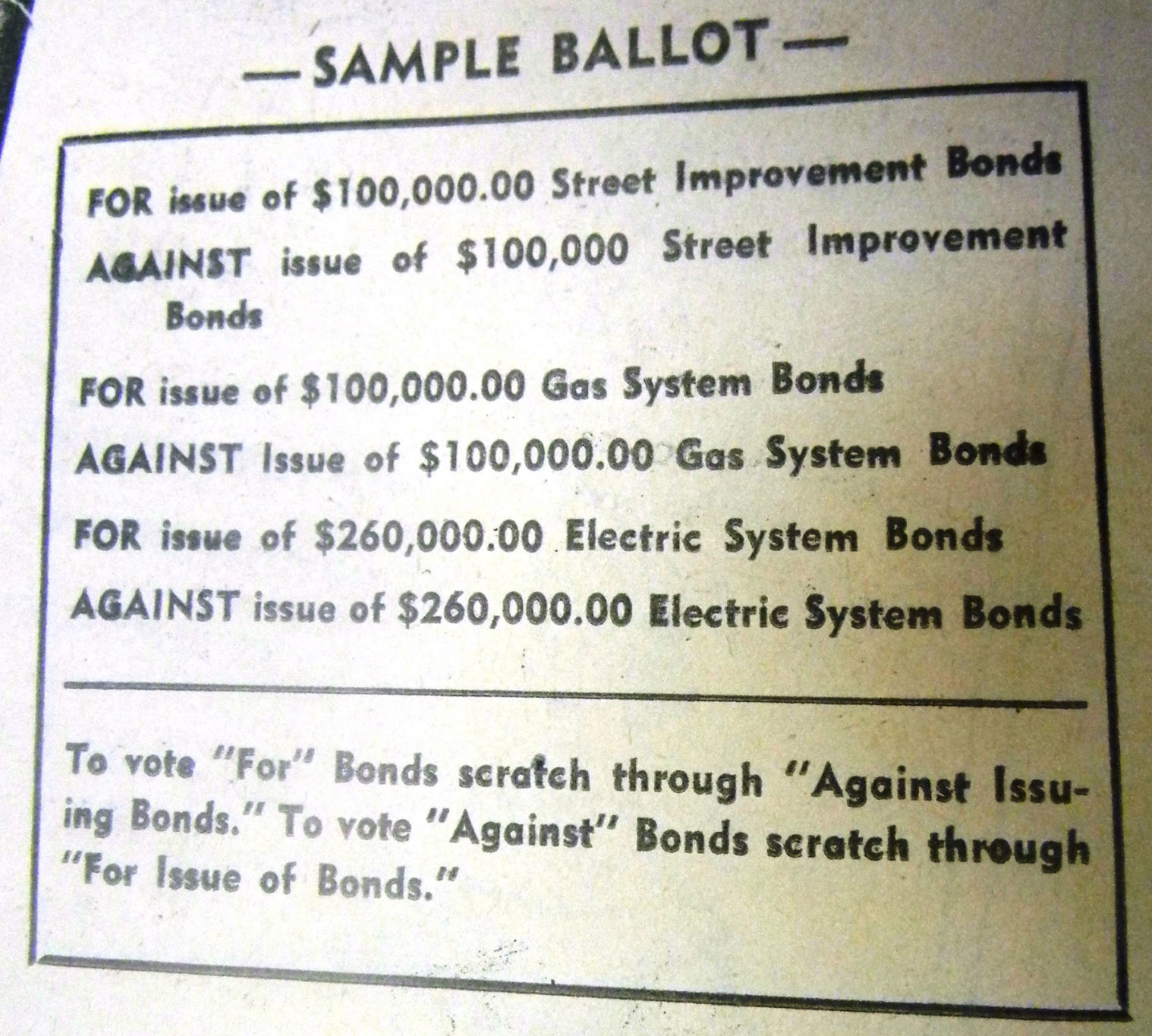
— An upcoming bond issue for road paving, doubling the gas plant size and purchasing electricity from Georgia Power, was to face 6,805 eligible voters within the city. Of those eligible to vote, 2,431 were white men, 983 were black men, 2,136 were white women and 1,255 were black women. On March 14, the bond issue passed in a light turnout by a vote of 355-47.
— Phoebe Putney Hospital was on the verge of great improvements. Contractors were invited to bid on the expansion program that included a pediatric unit, outpatient clinic and second-floor renovations. Once selected, the entire project was expected to be completed in about three months.
— Federal funds for the school lunch programs was set to end this month in 1949. All elementary schools in Dougherty County were reimbursed 9 cents per meal. The cost to the family was 20 cents per meal, which included milk. The school board, while aware of a surplus in funds, also realized the funds on hand would soon be depleted. At the March Dougherty School Board meeting, no decision was made as how to move forward. Options were few but included a price increase, less food and/or omit the milk. The high schools and junior high school lunch rooms were operated as concessions.
— In his first year as principal of Hopeful School, C.E. Collins was arrested for embezzlement of government commodities. Cases of food intended for the school’s lunchroom, as well as a carton of textbooks, were found by renters of Collins’ home in Cobb County. Among the food items were jars of peanut butter and fruit juices.
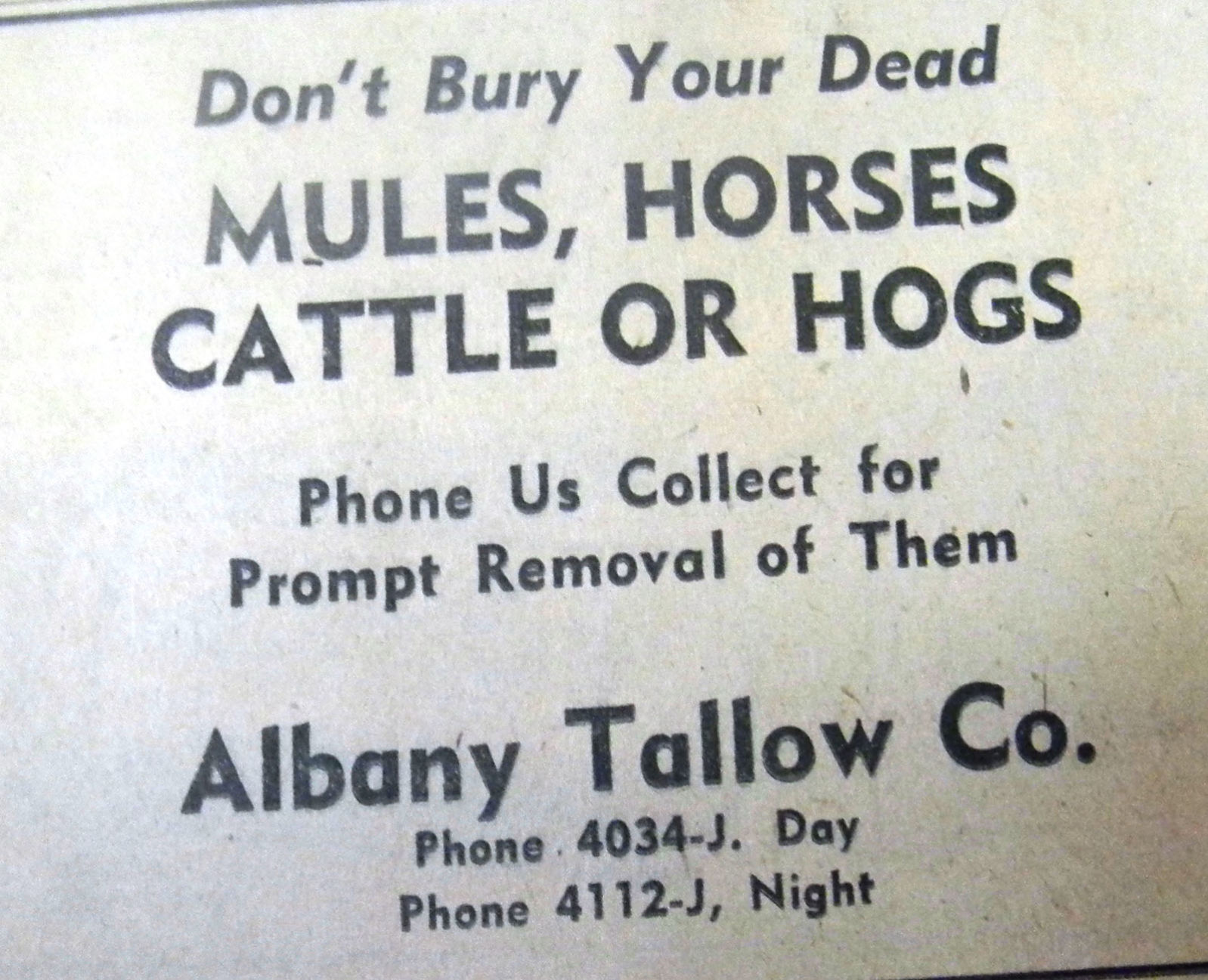
— Albany Tallow Company urged residents not to bury their dead mules, horses, cows or pigs. The company was more than happy to pick up the dead animals and remove them promptly.
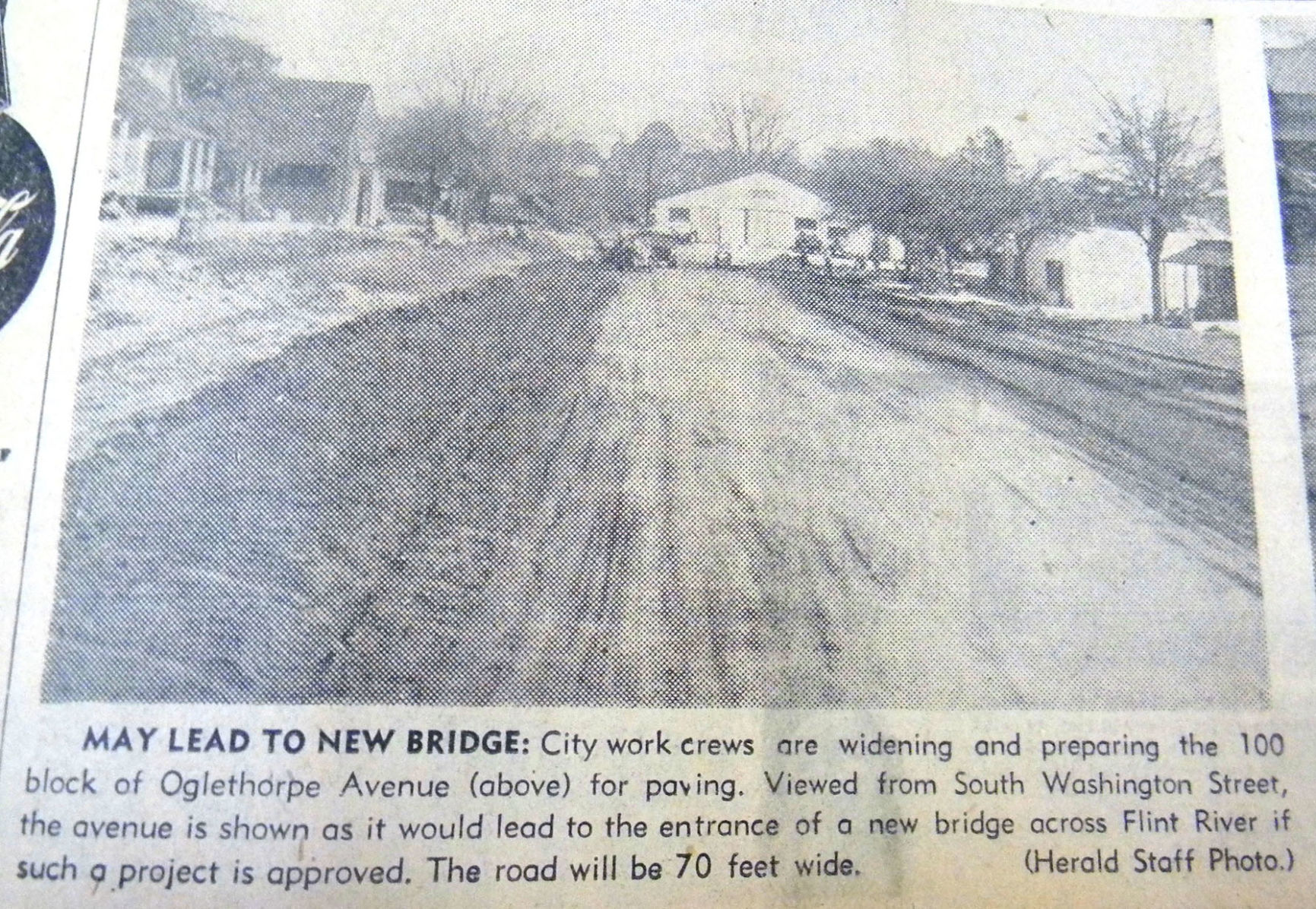
— City work crews were busy in March 1949 widening and preparing the 100 block of Oglethorpe Ave. for paving. The road was widened to 70 feet in preparation of a bridge over the Flint River, if such a project came to be.
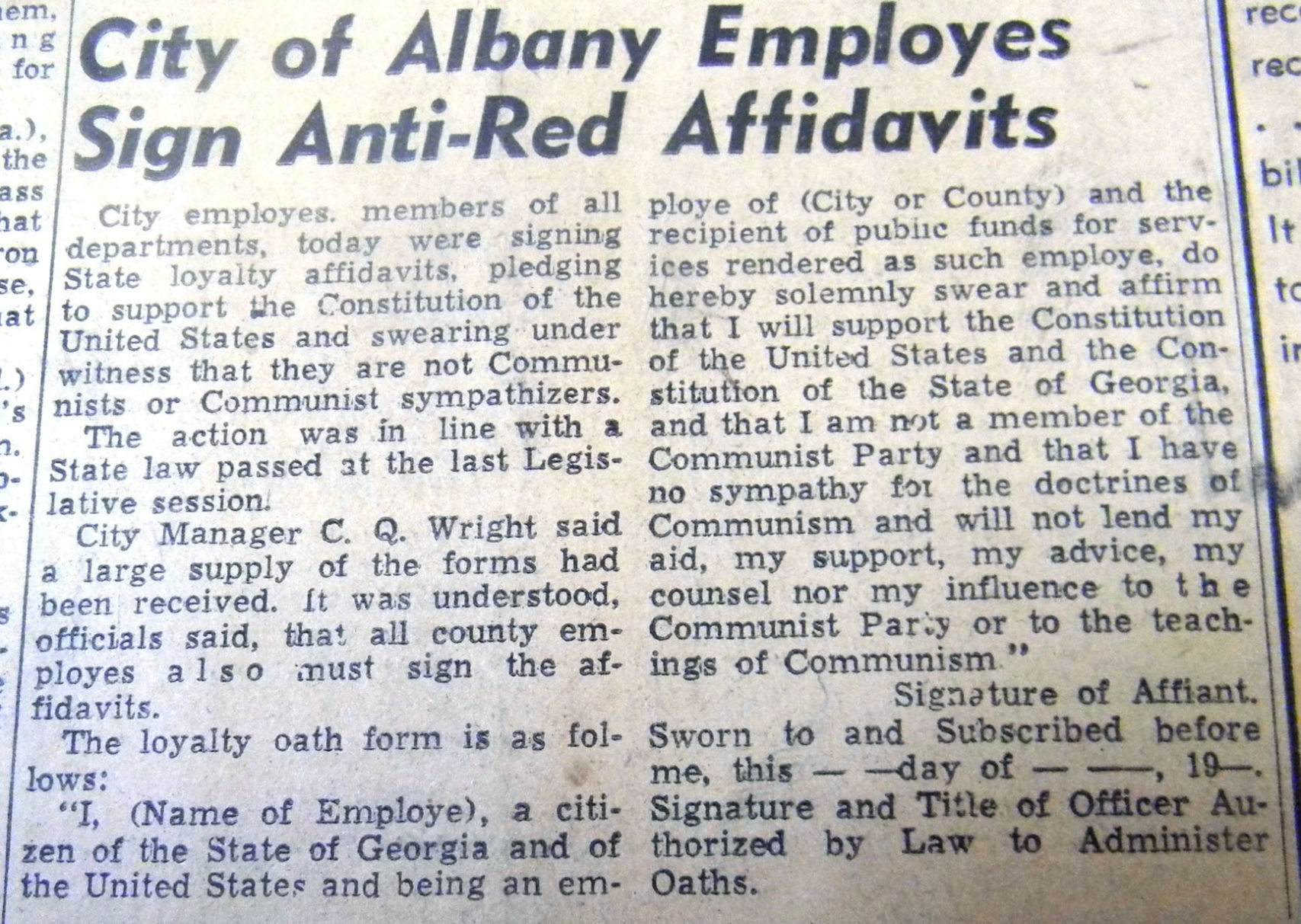
— All employees of the city of Albany, as well as those working for Dougherty County, were required to sign affidavits, pledging to support the Constitution of the United States and swearing in front of a witness that he or she was not a member of the Communist Party nor a supporter of the party. The action was in line with a law passed by Georgia legislators.
— Twenty-two students in agriculture and one in home economics received degrees in the winter quarter graduation ceremony at Abraham Baldwin Agricultural College. The college president, George P. Donaldson, spoke to the graduates on the topic of “An Ideal Rural Civilization.”
— The Dougherty County Superior Court heard marital grievances and granted a divorce to 71 petitioners, all on the same day.
— A corner lot plus an adjoining lot was posted for sale. The two lots measured 75-feet-by-195-feet each and were located on Eighth Avenue in Rawson Circle. The price for both was $1,600.
— Acting on an anonymous tip, a Herald reporter traveled just south of Valdosta to see if indeed there was a large cross burning in a field. What the reporter found was a group of about 200 Ku Klux Klansmen in full regalia as well as a 40-foot-high flaming cross. Much to the reporter’s surprise, he was allowed a few photos and an interview with the Grand Wizard. Questioned about the Klan’s creed, the simple answer was that the KKK “aims to fight Communism and promote Americanism.”
In other 1949 news…
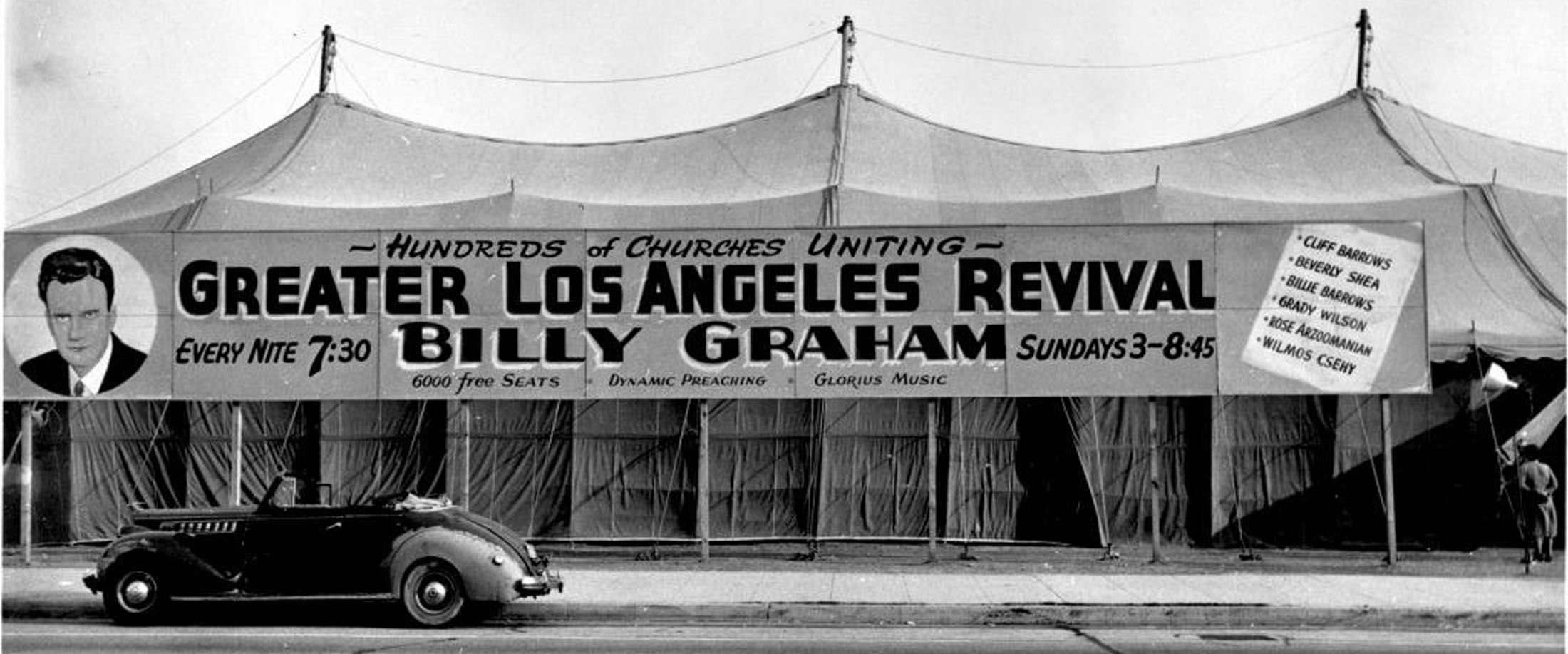
—Billy Graham held his first major revival in two large circus tents. The crusade venue was dubbed the “canvas cathedral.” The Los Angeles Crusade, planned for three weeks, was extended five times for a total of eight weeks. More than 350,000 people attended at least one of the 72 services held during the meetings.
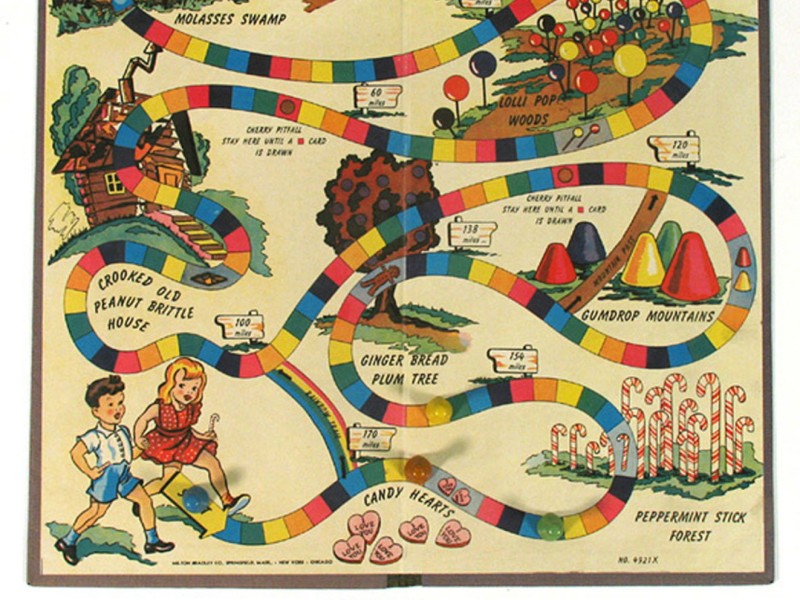
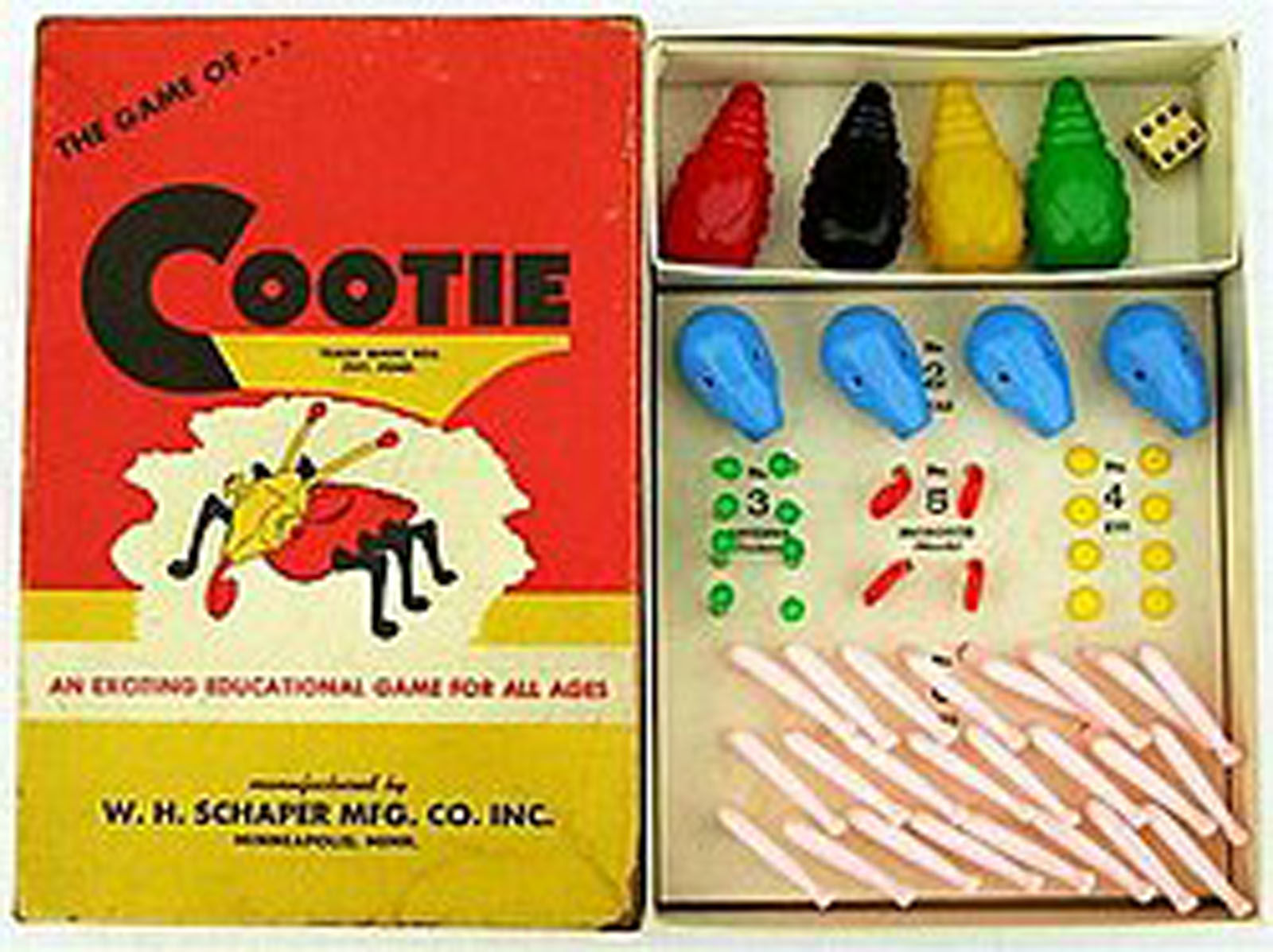
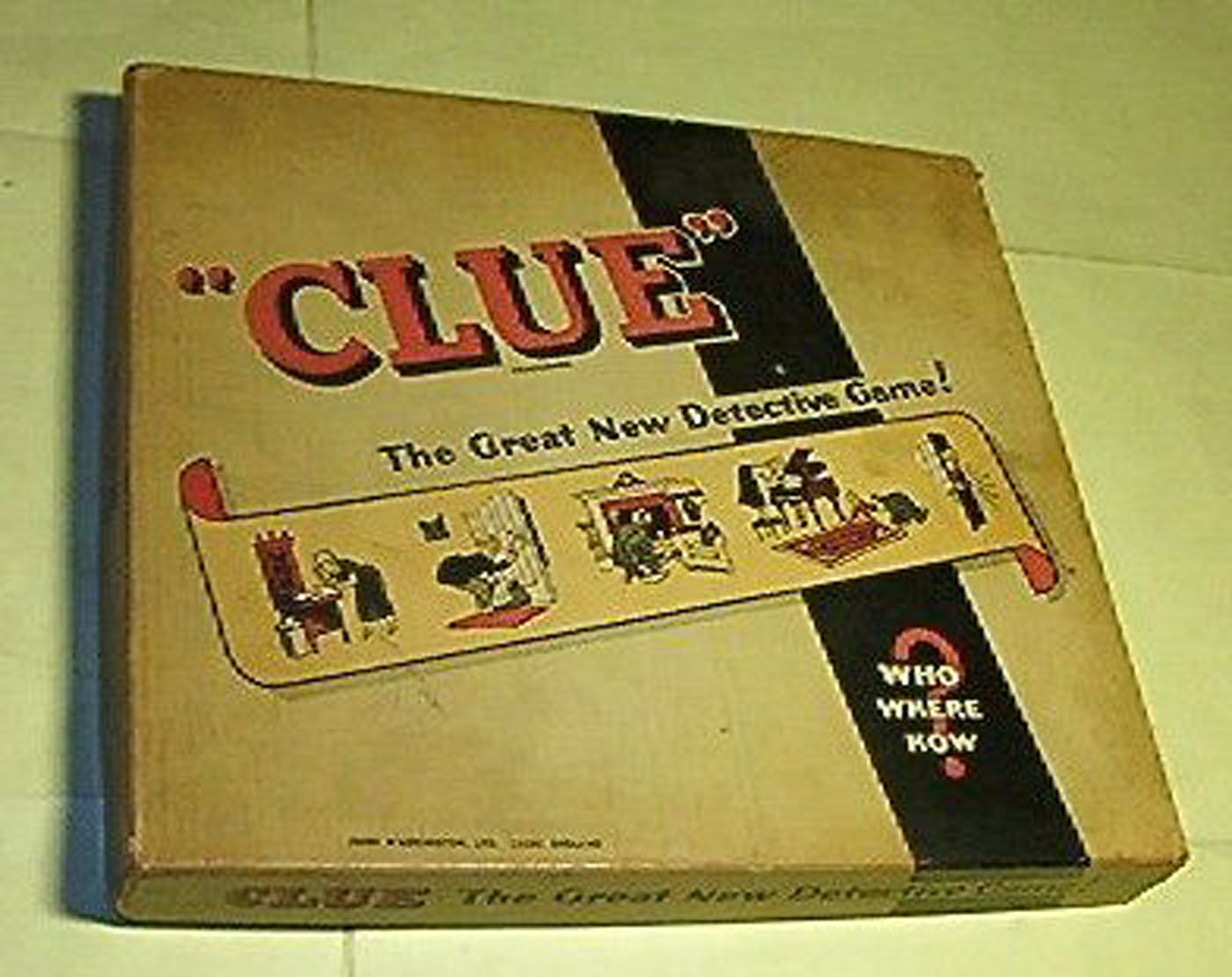
— New on the toy market was Candyland, the Game of Cootie and Clue.
— Leaf Confectionery changed the name of its chocolate-covered malt balls from Giants to Whoppers.
— A totally new concept in the U.S., Volkswagen, sold only two of its 1949 models to American drivers.
— The first network television western, “Hopalong Cassidy,” aired on NBC. Just a few months later, “The Lone Ranger” premiered on ABC.
— George Orwell’s “Nineteen Eighty-Four” was first published.
Each week Albany Herald researcher Mary Braswell looks for interesting events, places and people from the past. You can contact her at (229) 888-9371 or [email protected]. Follow @ABH_MBraswell on Twitter
QUIK QUIZ answer: c) Israel
The others: Afghanistan (1946); Congo (1960); Portugal (1955)
Related Articles
From cotton to cloud: In the data center debate, is rural Georgia once again being asked to carry the cost?
Across much of rural Georgia, the abandoned cotton warehouses and shrinking tax bases remain — enduring reminders that industries built to serve distant markets do not necessarily stay rooted in the communities that first sustained them.
My Grandpa Was Killed in World War II. I Met Him Through His Letters Home
Gina Wolf’s grandfather died before she was born. His letters sent to her grandmother from Europe during World War II made it possible to know what kind of man he was.
‘Sounds Like a Mutiny.’ Secret Recording Exposes Claims of Toxic Leadership After a Marine’s Suicide
This week’s War Horse story follows the systemic failures before and after the death of Cpl. Drew Mobley who was the third in two years at Marine Corps Base Quantico to die by suicide.
