
MARY BRASWELL: Looking back at African American contributions
HISTORY: George F. Grant invented the first wooden golf tee
By Mary Braswell
The celebration of Black History Month began as “Negro History Week,” which was created in 1926 by Carter G. Woodson, a noted African American historian, scholar, educator and publisher. It became a month-long celebration in 1976.
In recognition of Black History Month, we’re Looking Back at some of the lesser -celebrated African Americans.
Inventors
— Shirley Jackson is an American physicist who received her Ph.D. from the Massachusetts Institute of Technology in 1973. She was the first African-American woman to earn a doctorate in nuclear physics at MIT. Her experiments with theoretical physics paved the way for numerous developments in the telecommunication including the touch-tone telephone, the portable fax, caller ID, call waiting and the fiber-optic cable.
— Dr. Charles Drew was a physician, surgeon, and medical researcher who working with the Red Cross made groundbreaking discoveries about blood transfusions. In World War II, he played a major role in developing the first large-scale blood banks and blood plasma programs. Drew resigned his position with the military because the armed forces insisted on separating blood by race and providing white soldiers with blood donated from white people. Drew knew that race made no difference in blood composition, and he felt that this unnecessary segregation would cost too many lives.
— Elijah McCoy, in 1872, developed a “lubricating cup” for trains that could automatically drip oil when and where needed, vital in avoiding sticking to the track. The lubricating cup met with enormous success and orders for it came in from railroad companies all over the country. It was so popular that when other inventors attempted to steal his idea and sell their own versions of the device, companies were not fooled. They insisted on the authentic device, calling it “the Real McCoy.”
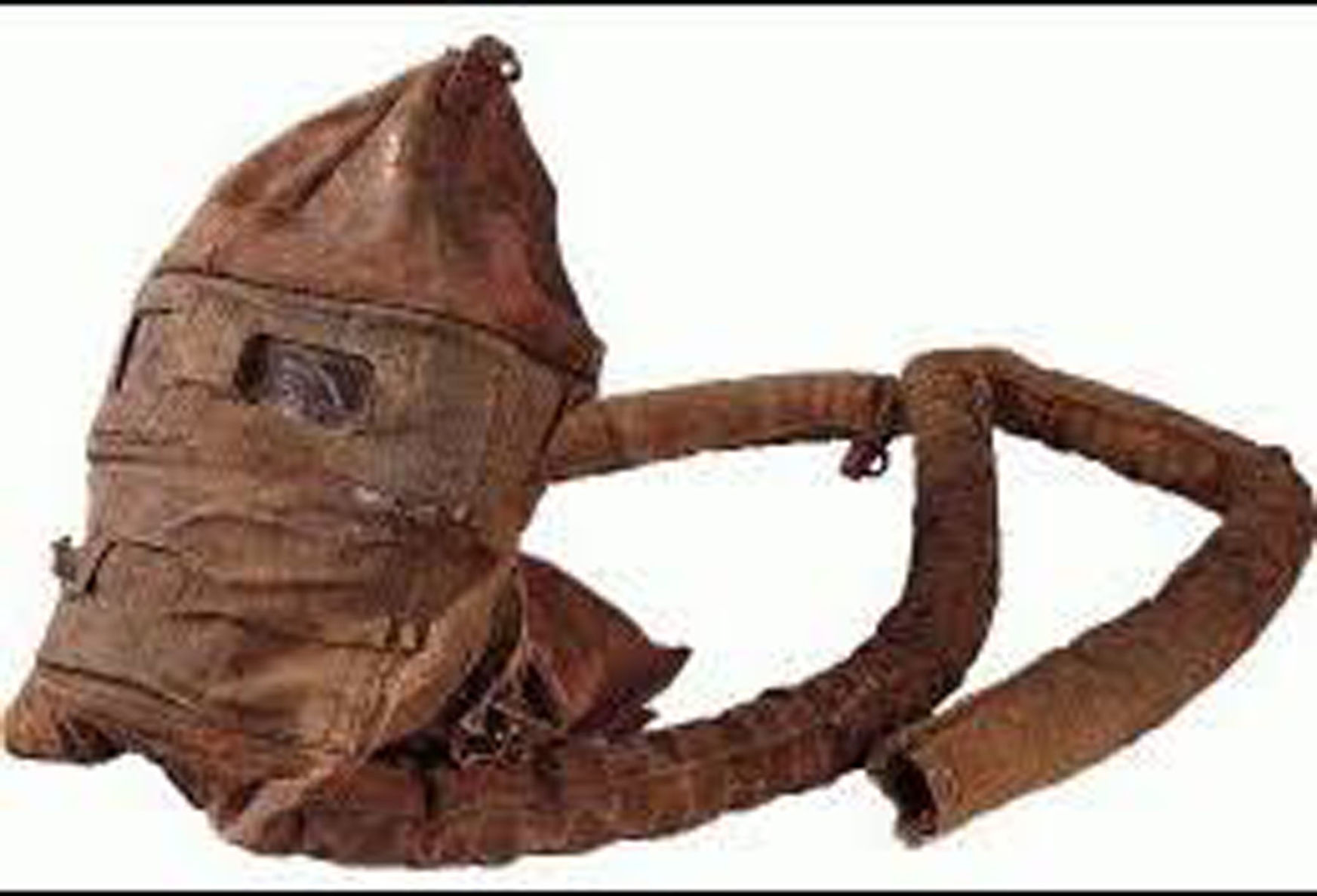
— Garrett Morgan created the first “safety hood” to help firefighters navigate smokey buildings, later modifying it to carry its own air supply. This primitive gas mask became a sensation in 1916 when Morgan ran to the scene of a tunnel explosion and used his invention to save the lives of trapped workers. It was Morgan’s gas masks that saved many lives during both world wars.
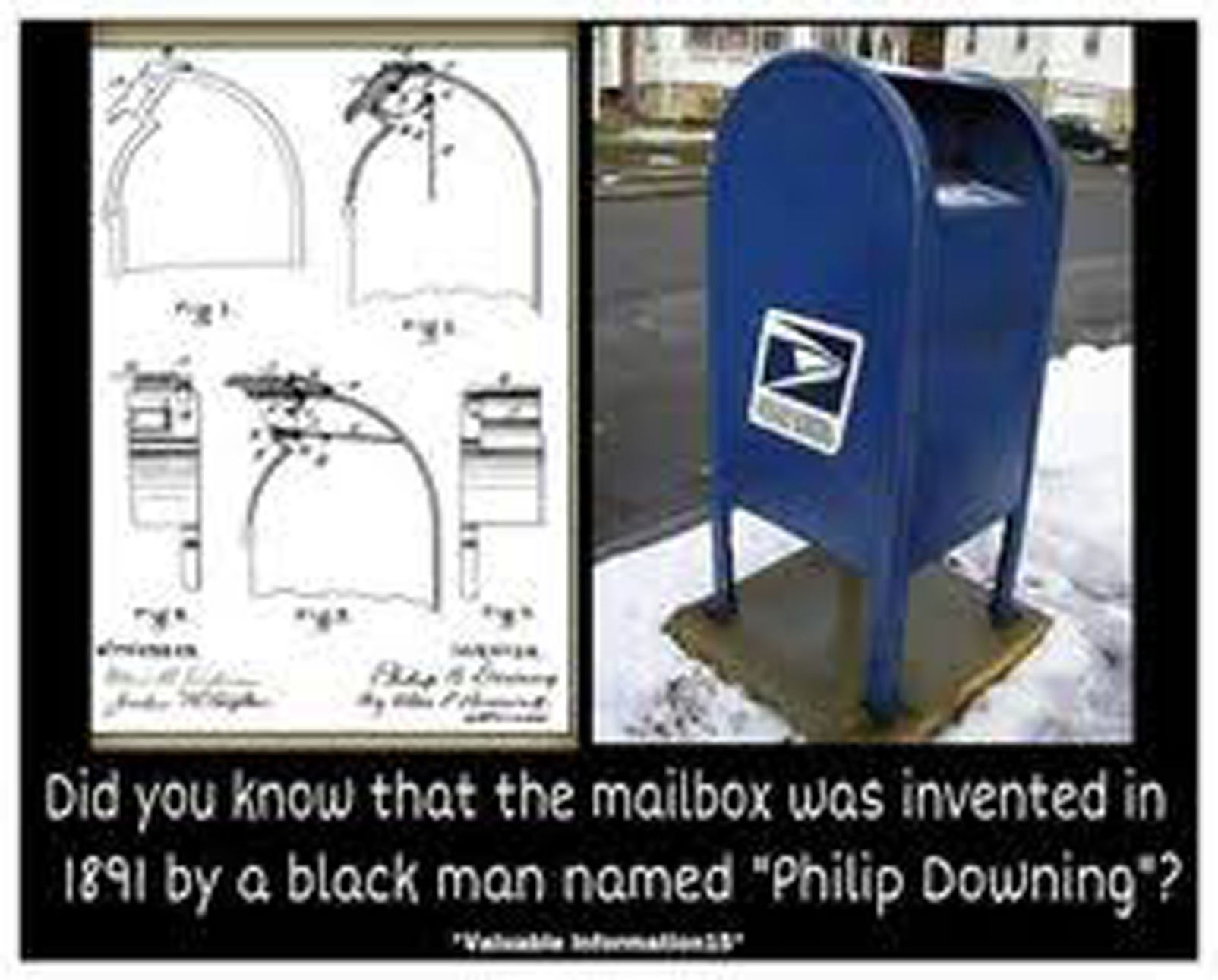
— Before 1891, public mailboxes were semi-open, which made it easy for thieves to steal mail and for elements like rain and snow to damage letters. Philip B. Downing changed that with a mailbox design that featured an outer door and an inner safety door. When the outer door was open, the safety door remained closed so the mail was safe from thieves and inclement weather, very similar to the mailboxes still used today.
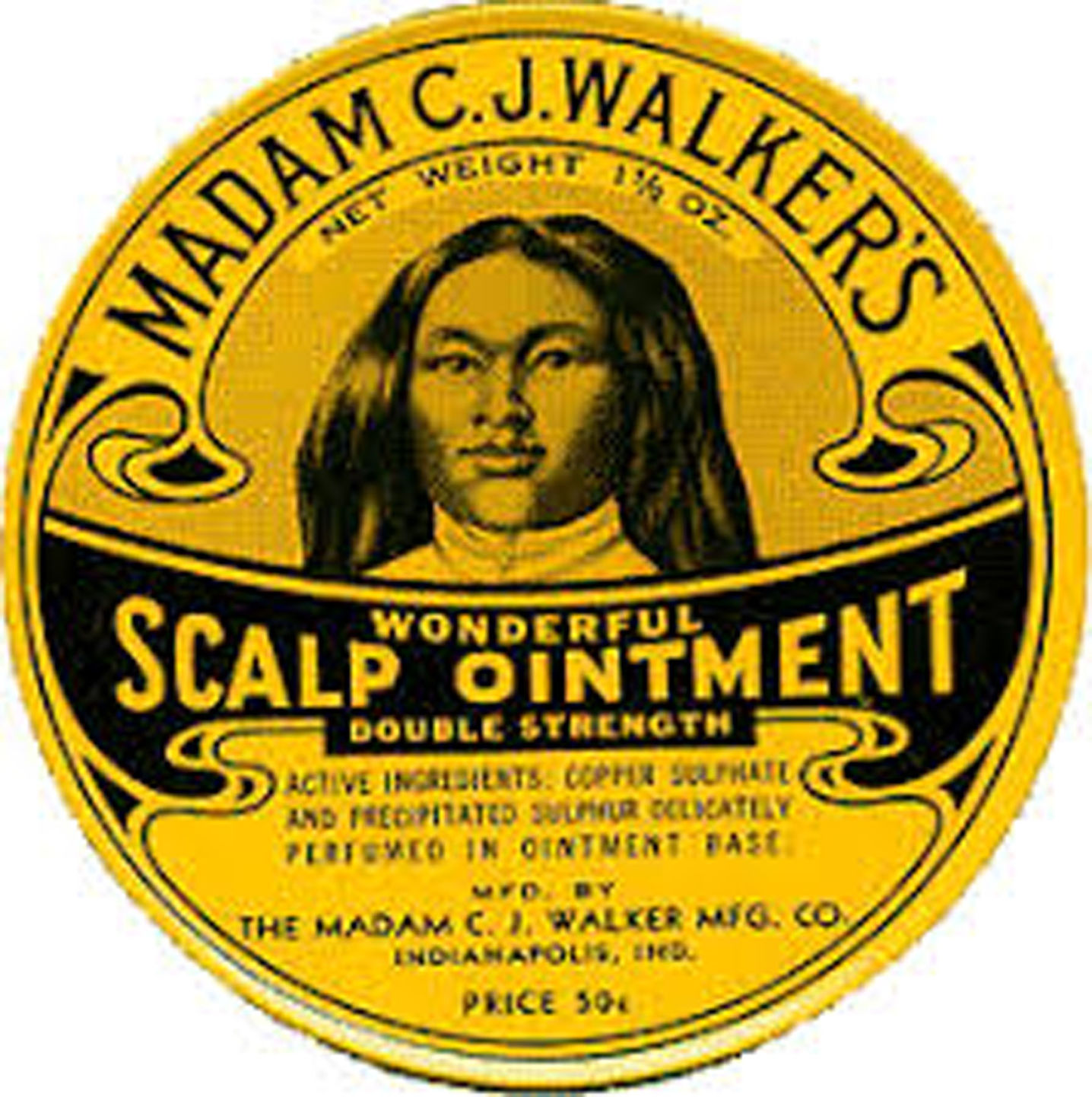
— Sarah Breedlove was born in 1867. She was an orphan at age 8, a wife at 14, a mother at 17 and a widow at 19. Breedlove supported her family for 18 years as a laundress. She prayed to God for assistance and purported that a man appeared to her in a dream with the recipe for pomade that would regrow and settle her hair. The pomade worked for her and for other women she knew. In the early 1900s, she reinvented herself as Madam C.J. Walker, and began marketing her “Wonderful Hair Grower.” Walker died just $400,000 shy of being a millionaire.
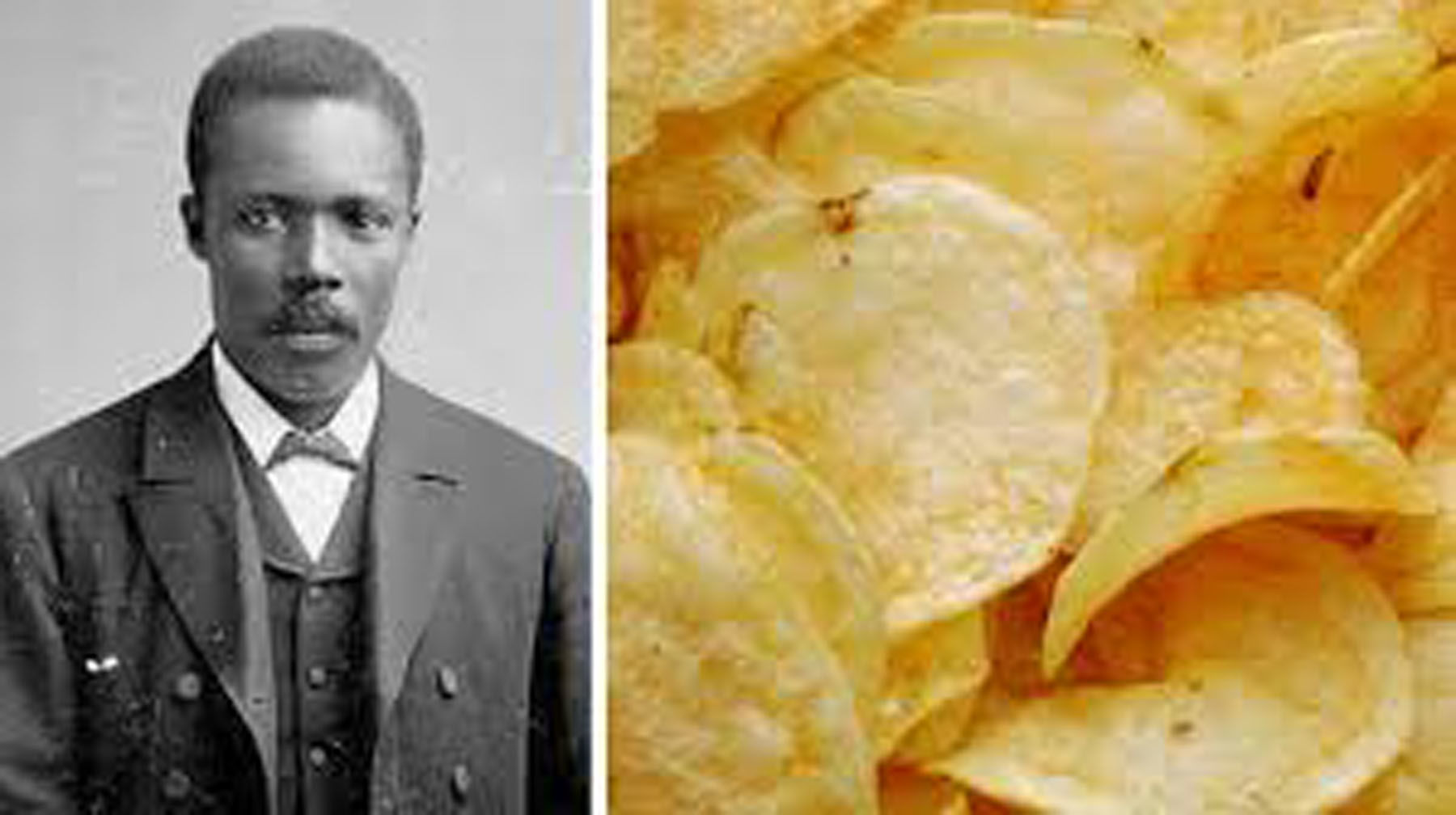
— In 1853, George Crum was working as a chef at a resort in Saratoga Springs, N.Y. A customer sent his French fries back to the kitchen, claiming that they were too thick, too mushy and not salty enough. Crum, somewhat irritated, cut the potatoes as thinly as possible, fried them until they were burnt crisps, and threw a generous handful of salt on top. He sent the plate out to the customer, hoping to teach the patron a thing or two about complaining. However, the customer loved the crisp chips, and soon the dish was one of the most popular things on the menu. In 1860, when Crum opened up his own restaurant, every table received a bowl of potato chips. Crum never patented his invention.
— In 1885, Sarah Goode became the first black woman to receive a U.S. Patent. Goode was born into slavery in 1850 and, after the Civil War, moved to Chicago and opened a furniture store. It was there she came up with an idea that would bring more urban residents with limited space into her store. She invented a folding cabinet bed. By day, the piece of furniture could be used by as a desk, but at night, it could be folded out into a bed. Goode received her patent 30 years before the Murphy bed, a hideaway bed that folds into a wall, was created.
— Richard Spikes was an inventor extraordinaire. His beer keg tap was purchased by Milwaukee Brewing Company and his automobile directional signals which were first introduced in the Pierce Arrow, soon became standard in all automobiles. Additionally, Spikes is credited with the invention of the automatic gear shift, multiple barrel machine gun, automatic car wash and much more.
— Thomas L. Jennings was the first African-American individual to receive a patent in the United States. Born in 1791, Jennings lived and worked in New York City as a tailor and dry cleaner. He invented an early method of dry cleaning called “dry scouring” and patented it in 1821. As expected, some people objected to an African American receiving a patent, but Jennings was a free man. Jennings used the money from his invention to free the rest of his family.
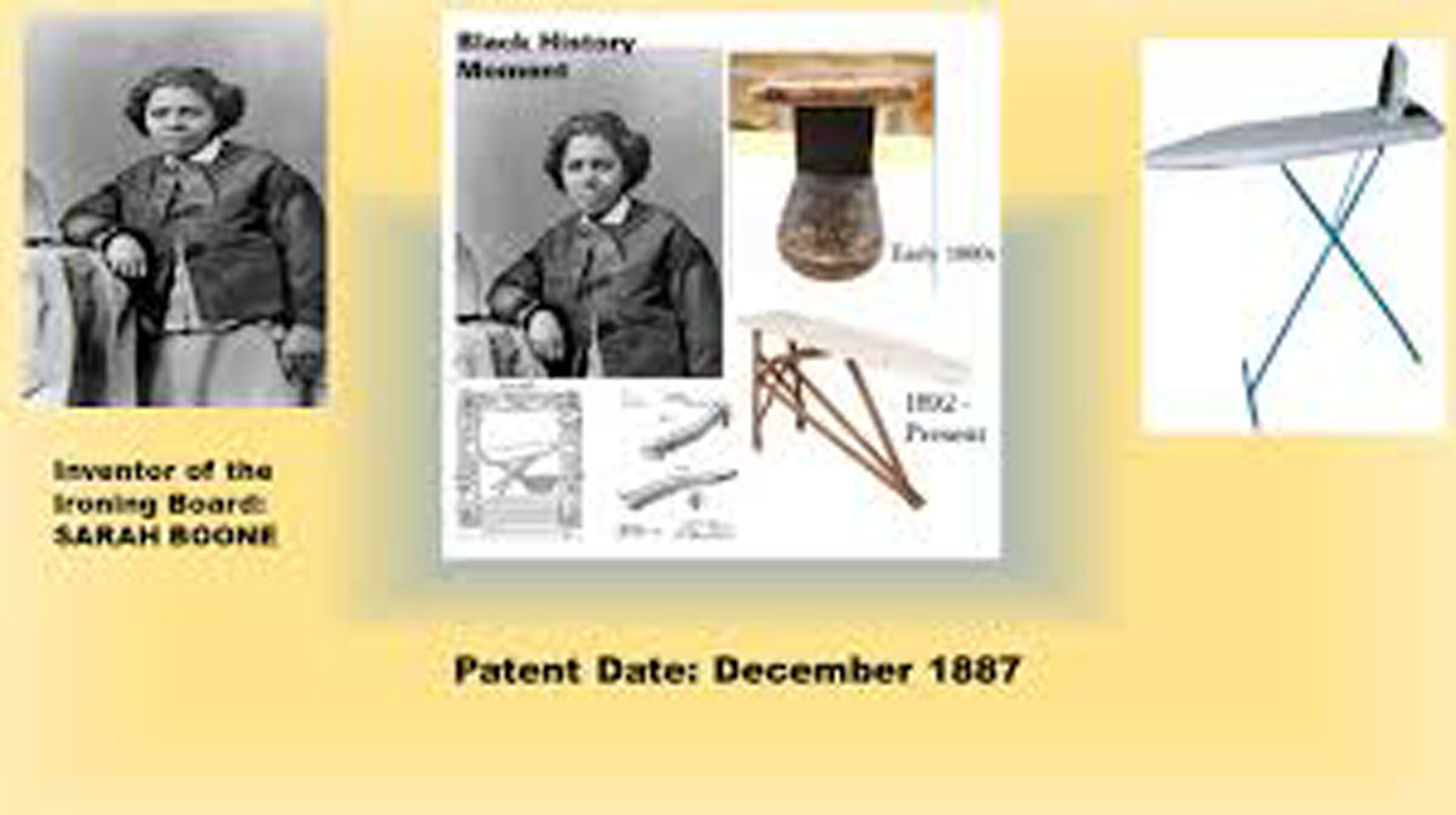
— Sarah Boone can be thanked (or not) for the invention of the ironing board.
Quik Quiz
When Rosa Parks refused to give up her seat on a public bus in Montgomery in 1955, what was her occupation?
a) secretary
b) school teacher
c) factory worker
d) cook
Answer at the end of the column.
Did you know?
— It is believed that the Lone Ranger character was inspired by an African-American man named Bass Reeves. Reeves had been born a slave, but escaped to the west during the Civil War. He eventually became a deputy U.S. marshal, was a master of disguise, an expert marksman, had a Native American companion and rode a silver-gray horse.
— The Transatlantic Slave Trade was underway from 1500-1866, shipping more than 12 million African slaves across the world. By the time America became involved in the slave trade, it had been underway for 200 years. Approximately 388,000 slaves arrived in America between 1700 and 1866, representing about 30 percent of the company’s business.
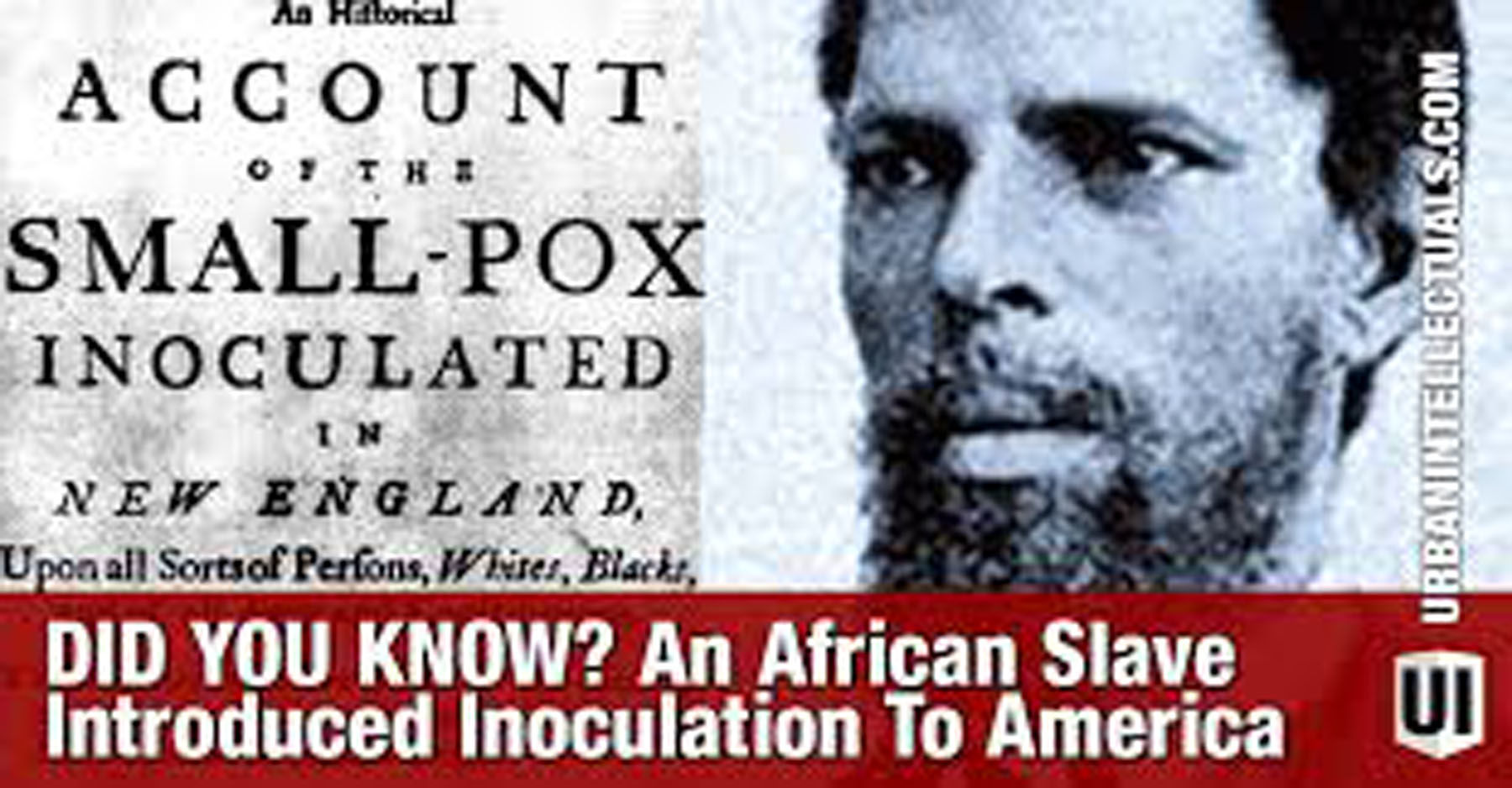
— Onesimus was a gift slave to the Puritan church minister, Cotton Mather, of Boston, from his congregation in 1706. Onesimus told Mather about the centuries old tradition of inoculation practices in Africa. By extracting the material from an infected person and scratching it into the skin of an uninfected person, one could deliberately introduce smallpox to the healthy individual, making him or her immune. Mather convinced Dr. Zabdiel Boylston to experiment with the procedure when a smallpox epidemic hit Boston in 1721. Opposed politically, religiously and medically in the U.S. and abroad, public reaction to the experiment put Mather and Boylston’s lives in danger, despite records indicating that it worked.
— Phillis Wheatley was the first published African-American female author. She was a servant girl who published her first poem at the age of 12 in the mid-1700s.
— In the 1930s when Jewish academics from Germany and Austria were dismissed from their teaching positions, many came to the United States looking for jobs. Due to rising anti-Semitism, many found it difficult to find work, but more than 50 found positions at Historically Black Colleges and Universities in the segregated South. At a time when both Jews and African Americans were persecuted, Jewish professors found the environment comfortable and accepting.
— During World War II, Lena Horne refused to perform for segregated audiences at USO shows. Horne walked out of one show after noticing German POWs seated in front of African-American soldiers, and ended up leaving the USO tour and traveling, at her own expense, to perform for black troops.
— Charlie Sifford was a pioneer in the world of golf, helping to dismantle the “Caucasian-only” clause of the PGA and opened the game of golf to generations of black golfers.
— Not a single black soldier received the Medal of Honor during World War II. In 1993, the U.S. Army commissioned a study that concluded that 10 African-American soldiers had indeed earned the honor, due to their gallantry on the battlefield. Of the 10, only Lt. Vernon Baker was still living when President Clinton awarded the medals in 1996.
Each week Albany Herald researcher Mary Braswell looks for interesting events, places and people from the past. You can contact her at (229) 888-9371 or [email protected]. Follow @ABH_MBraswell on Twitter
QUIK QUIZ answer: a) Rosa Parks was secretary for the Montgomery NAACP.
Related Articles
From cotton to cloud: In the data center debate, is rural Georgia once again being asked to carry the cost?
Across much of rural Georgia, the abandoned cotton warehouses and shrinking tax bases remain — enduring reminders that industries built to serve distant markets do not necessarily stay rooted in the communities that first sustained them.
My Grandpa Was Killed in World War II. I Met Him Through His Letters Home
Gina Wolf’s grandfather died before she was born. His letters sent to her grandmother from Europe during World War II made it possible to know what kind of man he was.
‘Sounds Like a Mutiny.’ Secret Recording Exposes Claims of Toxic Leadership After a Marine’s Suicide
This week’s War Horse story follows the systemic failures before and after the death of Cpl. Drew Mobley who was the third in two years at Marine Corps Base Quantico to die by suicide.
