
MARY BRASWELL: Looking back at Albany’s centennial celebration (Part 1)
Albany was founded on Oct. 11, 1836
By Mary Braswell
On Oct. 11, 1836, land speculator and merchant Nelson Tift founded Albany on the banks of the Flint River to serve as a market for recently arrived cotton farmers. Planters and their laborers settled Southwest Georgia, which the state had recently acquired from the Creek Indians.
Here are a few history tidbits from The Herald as it celebrated Albany’s centennial in 1936 with a 140-page special edition covering education, businesses, religion and more. This column is part one of two.
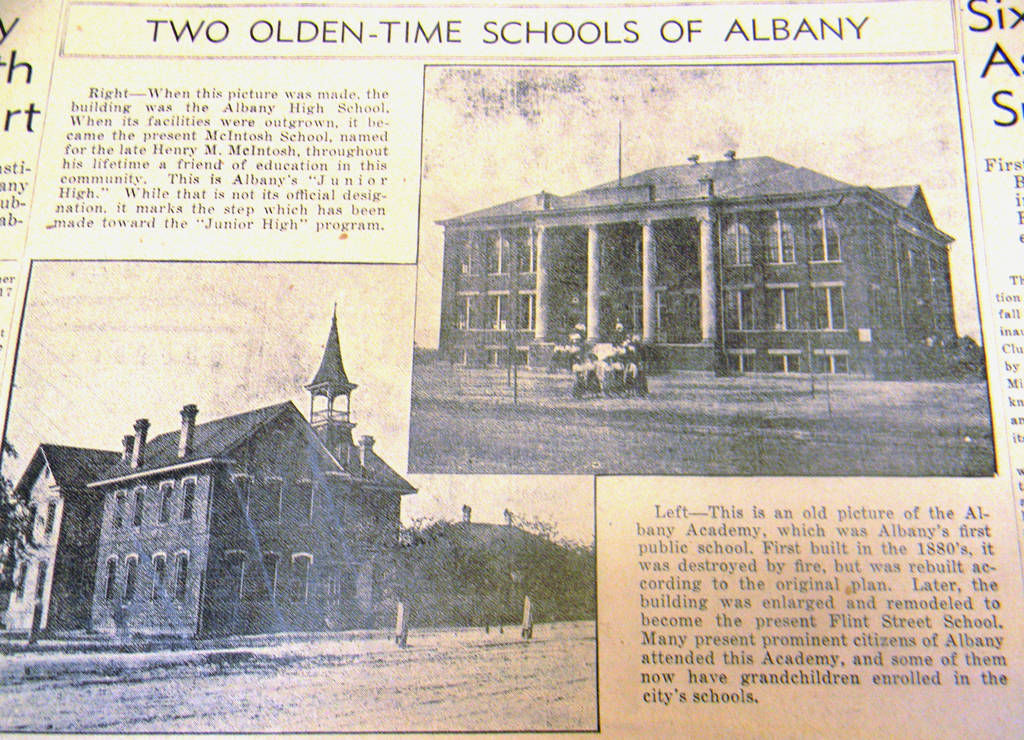
— While a number of private schools, some in the homes of teachers, were available to students, it was not until just before Albany’s 50th birthday that its first public school opened.
— H.M. McIntosh, editor of the Albany News and Advertiser, opened a campaign in 1885 to raise $5,000 for the construction of a public school. Contributions quickly reached $3,500 and the City Council provided the remaining $1,500.
— Albany Academy opened for the fall term in 1886 on Flint Street. Two years later, the school was destroyed by fire. It was rebuilt soon after using the original plans.
— The first P-T-A in Albany was organized at Broad Street Grammar School in 1915. Other schools followed suit. Once or twice a year, fathers were invited for special meetings dubbed “Daddies’ Night” at each school.
— Schools within the city of Albany had a budget of $100,000 by 1936 and a millage rate of 8.0. Currently (2017-18), the millage rate is 18.433 with a budget for the system totaling $129 million.
— Albany’s first library was established in 1879. It occupied two rooms on the second floor of the Welch Building at Washington and Broad. This library lasted only six years.
— In 1900, a Library Association was created and a lending library opened in one large room of the old Chautauqua building where the Municipal Auditorium now stands. For a $4 per year fee (paid quarterly), patrons had a wide range of literature from which to select.
— Andrew Carnegie pledged $10,000 in 1900 for a library with the agreement that the city provide the building lot and pay $100 per year toward the upkeep of the facility. The Carnegie Free Library opened in April 1906 with 15,000 volumes. The building is now home of the Albany Area Arts Council at 215 N. Jackson St.
— All water in Albany was furnished by artesian wells. Completely free of any contaminates, the wells varied from 800 to 1,200 feet in depth.
— The first white child born in Albany was the third child and first daughter of Col. Nelson Tift, Annie Tift Rawson.
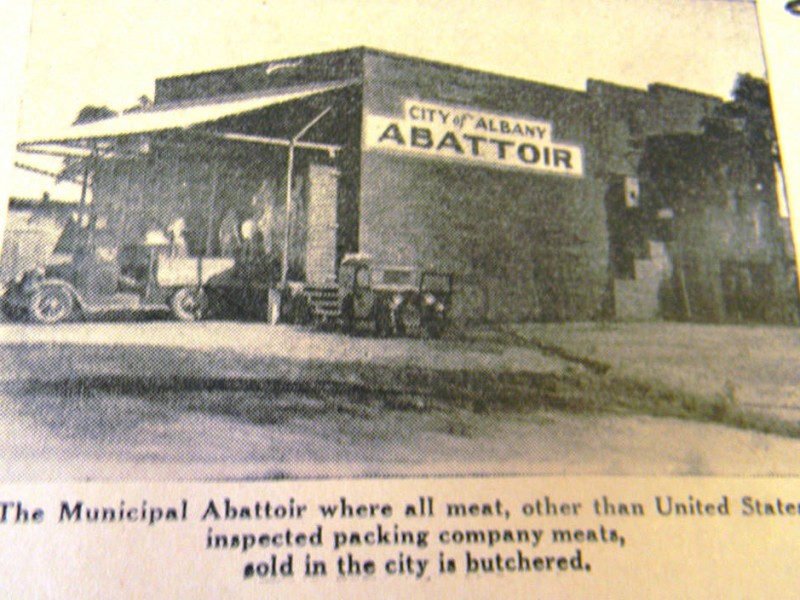
— Only meat stamped by the City of Albany Abattoir or the U.S. Bureau of Animal Inspection was sold in the city.
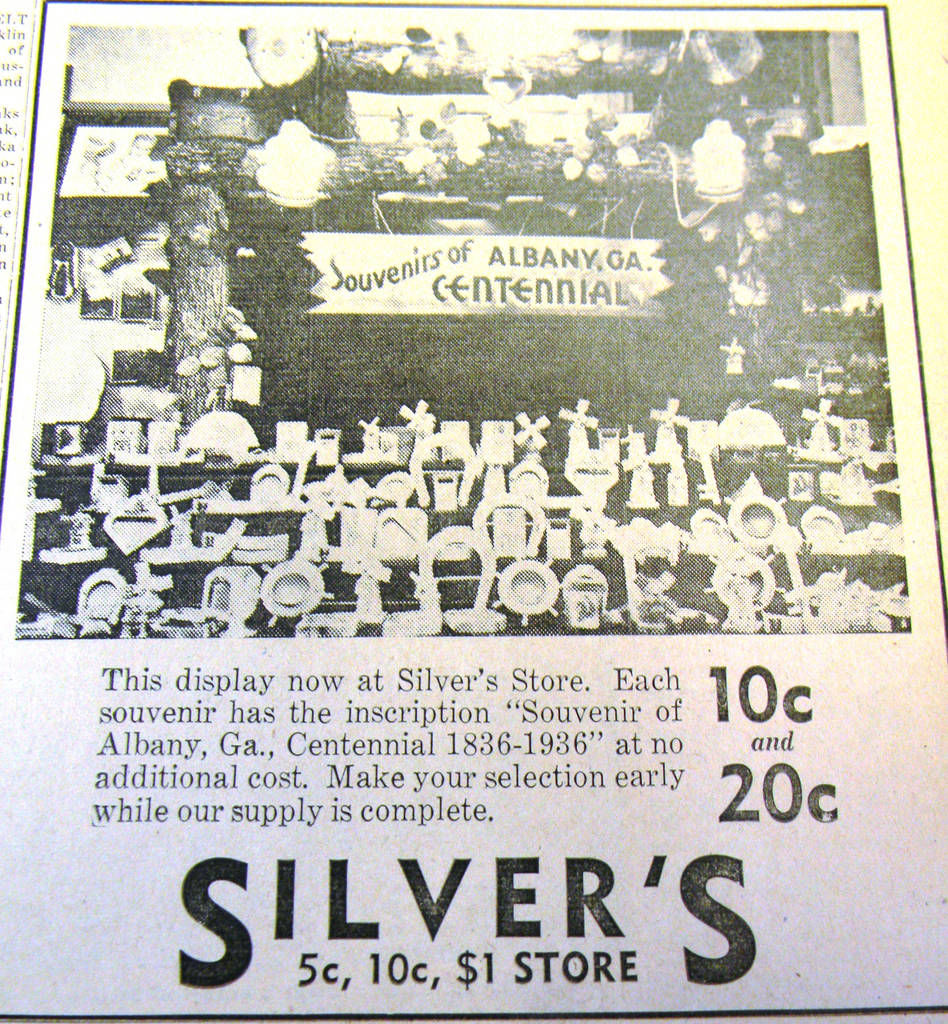
— The first nighttime football game occurred the year of Albany’s 100th birthday. The new $50,000 stadium had dozens of flood lights, spot lights and foot lights. A centennial pageant with 11 different episodes and a cast of more than 1,000 was held at the stadium on three nights. Tickets for the pageant, each evening, were 25 cents for children and 50 cents for adults.
— As the centennial week celebration wound up a week-long schedule of events, African Americans held a a parade and were given use of the new stadium for a singing contest on Saturday, Oct. 24. On Sunday, a choir of 500 led a gospel sing.
— All of Georgia came under a new cigar and cigarette stamp tax law in April 1936. Albany reported very few violations of the new tax law. All funds collected were used to pay the pensions of Confederate soldiers.
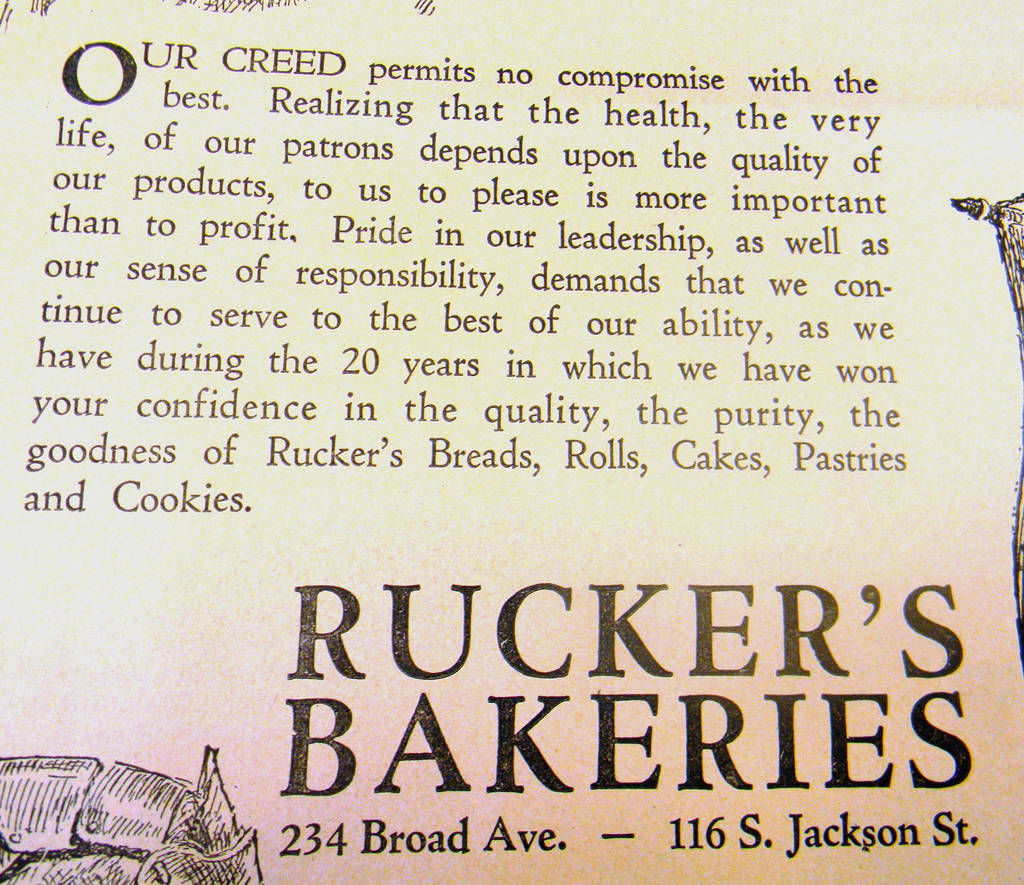
— Rucker’s Bakery on Jackson Street was a thriving 20-year-old business in 1936. Owner and operator H.W. Rucker had three ovens which could each bake 100 loaves of bread every 45 minutes. Rucker used wood to fire up the ovens because “it helps farmers in this territory.” The bakery used about 200 cords of wood each year, preferably oak, and all were purchased from farmers, who hauled the wood to the bakery from across Southwest Georgia.
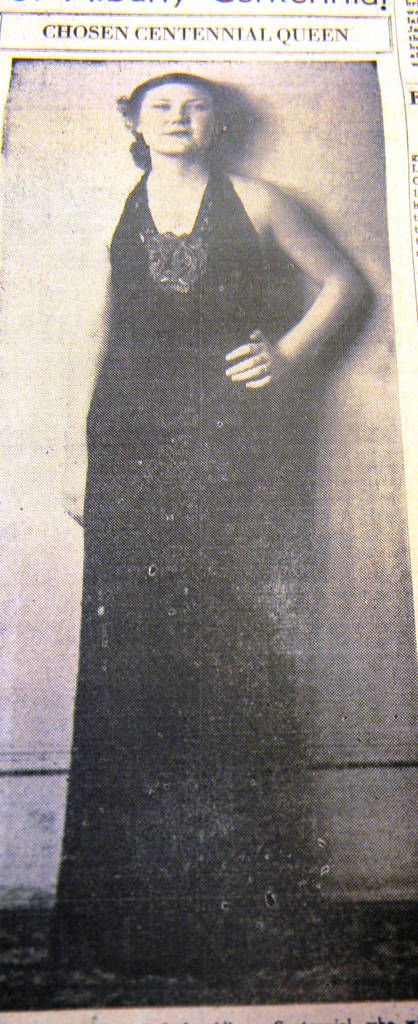
— Amie Smith was chosen as the Centennial Queen. Smith was the great granddaughter of Col. Nelson Tift.
— The Albany Rotary Club has the longest history of any civic organization in the city. Thought to be too small a city for a Rotary Club, a charter was granted through a special dispensation in 1914. As of 1936, the club had 54 active members.
— Palmyra in Lee County was the site of the first Baptist church in Southwest Georgia. The year was 1836. Pastor of the church, the Rev. Jonathan Davis, was responsible for forming the Albany Baptist Church (First Baptist) four years later with 10 members.
— Many African Americans attended Albany First Baptist and were members. In 1867, 44 members were dismissed by letter, at their request, to form a black church.
— In 1845, Marx Smith came to Albany, followed shortly by Jack Grass and Julius Breitenbach. These three men and their families made up the nucleus of the Jewish community. As soon as 10 male members were brought together, divine services were held. Such services are recorded as early as 1857.
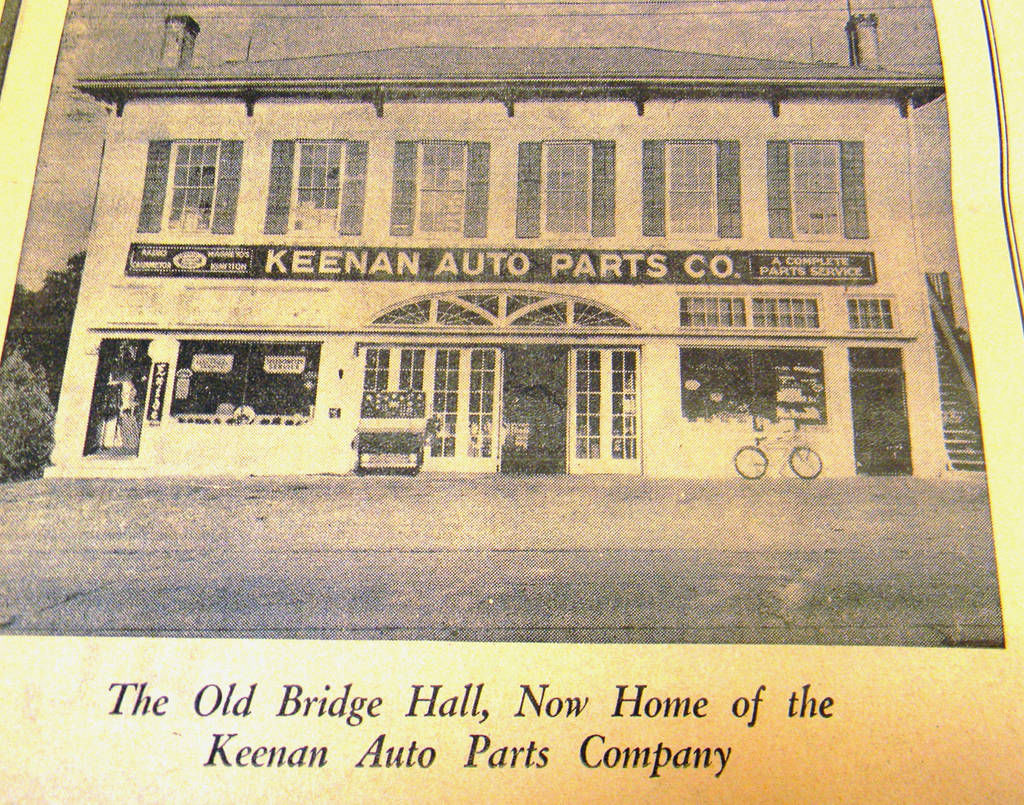
— One of the first brick buildings in Albany was the Bridge House. As the city celebrated its centennial, the building was known as the “House of a Million Parts,” or Keenan Auto Parts.
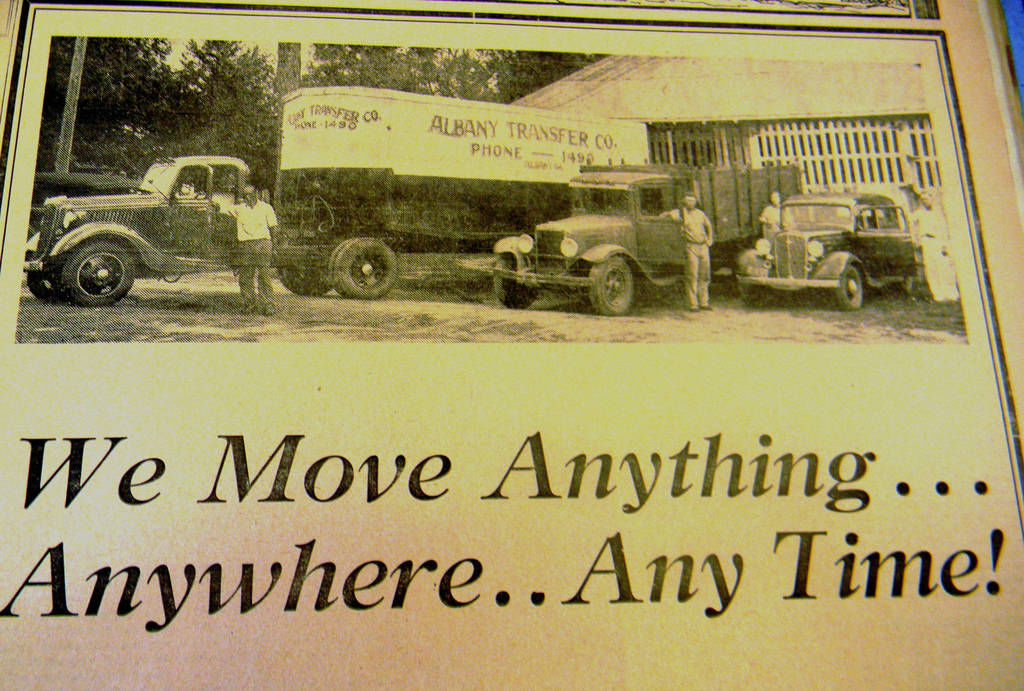
— Albany Transfer Co. was the service used most often by people moving into or out of the city. All loads were insured and property was deemed “as safe as it was inside the owner’s home.”
— Crown Hill Cemetery was established in 1927 to give the city a perpetual care cemetery. By 1936, the cemetery held no debt and established its perpetual trust fund. Crown Hill did (and still does) have designated areas for Catholics, a children’s section and a memorial section for veterans of the American Spanish War, as well as a section for the American Legion. Separate ground was reserved for the erection of mausoleums.
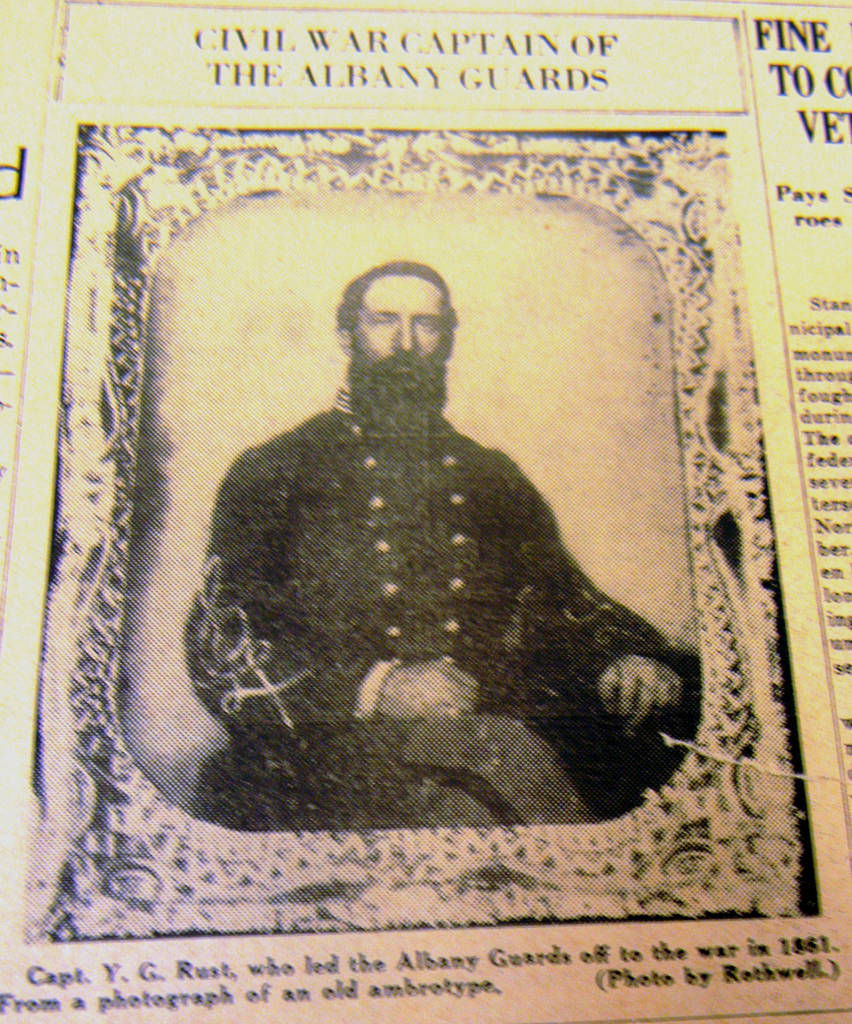
— It was Capt. Y.G. Rust who lead the Albany Guards off to war in 1861. From his diary comes the following entry dated Saturday, May 4, 1861: “We were mustered into the service of the Confederate States yesterday by an officer of the Confederate States. He paid our company a high compliment-said our company was the finest body of men he had yet mustered into the service.”
QUIK QUIZ ANSWER: c) Keenan Auto Parts
Each week Albany Herald researcher Mary Braswell looks for interesting events, places and people from the past. You can contact her at (229) 888-9371 or [email protected]. Follow @ABH_MBraswell on Twitter
Related Articles
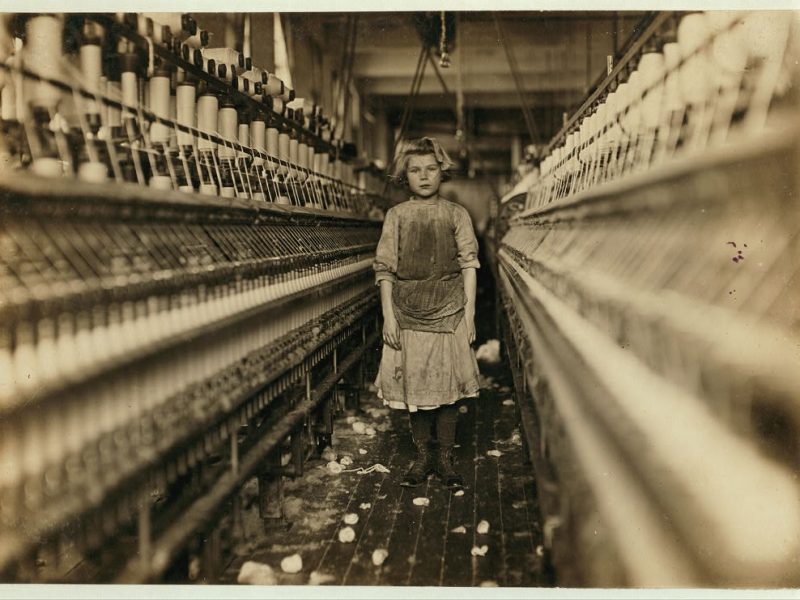
From cotton to cloud: In the data center debate, is rural Georgia once again being asked to carry the cost?
Across much of rural Georgia, the abandoned cotton warehouses and shrinking tax bases remain — enduring reminders that industries built to serve distant markets do not necessarily stay rooted in the communities that first sustained them.
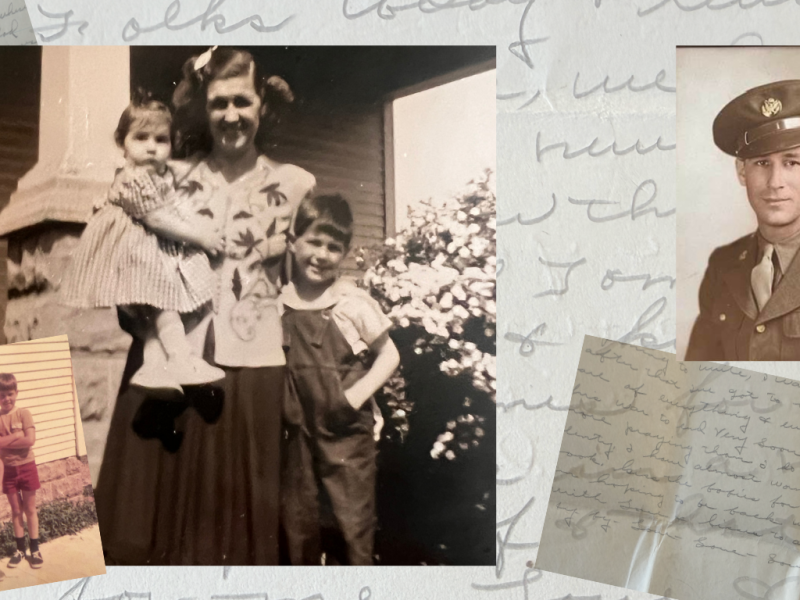
My Grandpa Was Killed in World War II. I Met Him Through His Letters Home
Gina Wolf’s grandfather died before she was born. His letters sent to her grandmother from Europe during World War II made it possible to know what kind of man he was.
‘Sounds Like a Mutiny.’ Secret Recording Exposes Claims of Toxic Leadership After a Marine’s Suicide
This week’s War Horse story follows the systemic failures before and after the death of Cpl. Drew Mobley who was the third in two years at Marine Corps Base Quantico to die by suicide.
