
MARY BRASWELL: Looking back at Earth Day
HISTORY: The first Earth Day was celebrated in 1970
By Mary Braswell
Earth Day is today. Since 1970, the day has been designated as a time to increase awareness of environmental issues. Here is a look back (and forward) at such issues and the impact people have on their environment.
In the beginning …
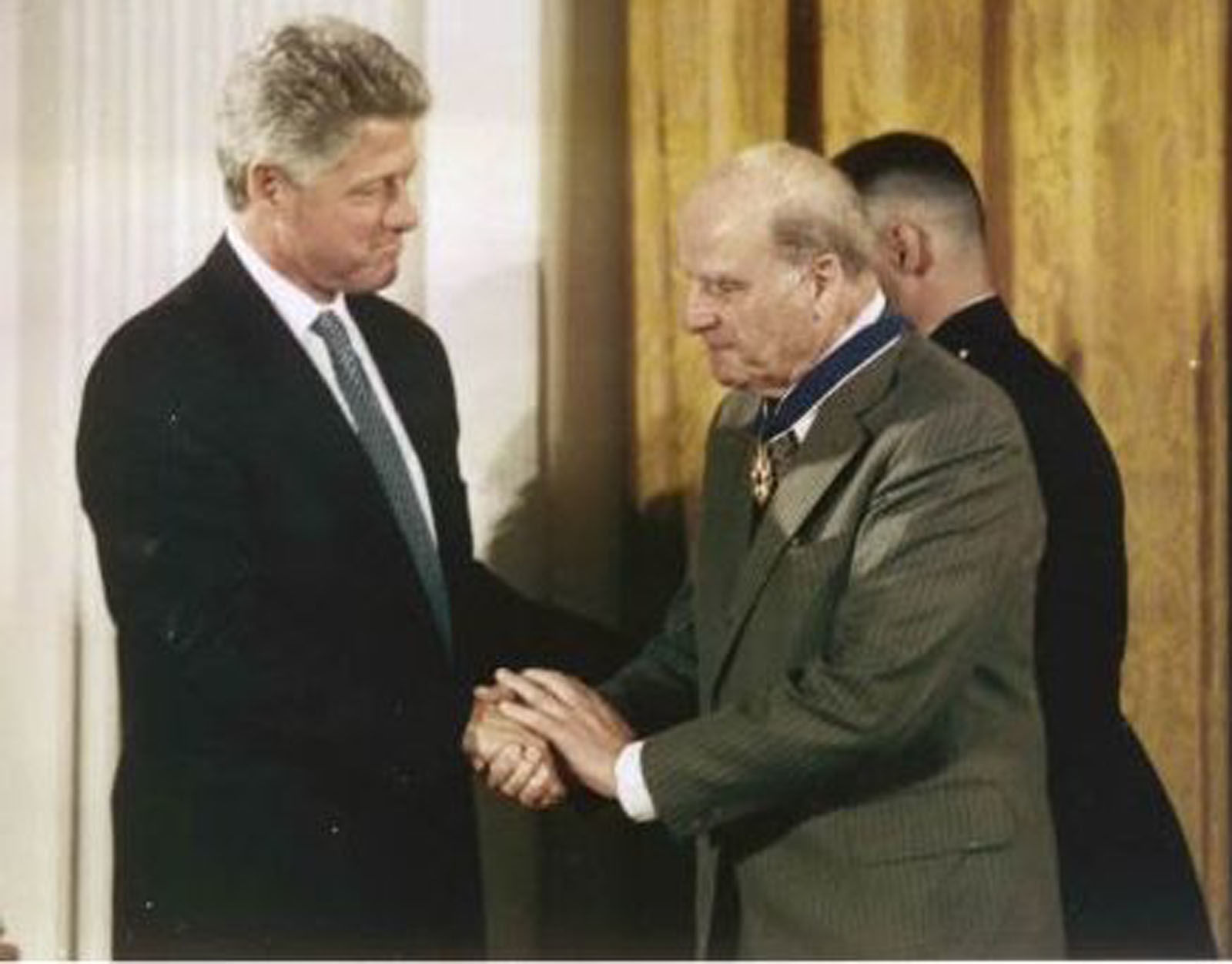
— It was Wisconsin Senator Gaylord Nelson who, in September 1969, proposed a national teach-in for universities and colleges on environmental issues. Gaylord was awarded the Presidential Medal of Freedom by then-President Bill Clinton in 1995.
— Lawyer and environmentalist Denis Hayes led the organization of the first Earth Day on April 22, 1970. About 20 million people, on campus and off, participated in Earth Day activities, including about 10,000 elementary and high schools.
— The year 1970 was also when Congress created the Environmental Protection Agency and passed the Clean Air Act.
—Nelson insisted the first Earth Day’s activities be created not by organizers in Washington but by individuals and groups in their own communities.
— By 1990, Earth Day was observed by approximately 200 million people from 141 countries.
— In 2000, the first year Earth Day used the internet as the principal organizing tool, more than 5,000 environmental groups outside the U.S. participated.
— Today, at least 193 countries will participate in an Earth Day program in some form or fashion.
Trash and more trash
— From cereal boxes to pet food bags to frozen food wrappers, packaging accounts for 65 percent of household trash. About one-third of an average U.S. landfill is made up of such materials.
— The U.S. is the top trash-producing country in the world. That means that 5 percent of the world’s population generates 40 percent of the world’s trash annually.
— More than 100 billion pieces of junk mail are delivered to American homes each year, and although it can be recycled, most of it goes to the landfill.
— Americans throw away approximately 1.6 billion ink pens, two billion razor blades, 220 million car tires and enough aluminum to rebuild the U.S. commercial air fleet four times over … every year.
— Approximately one billion trees worth of paper is thrown away each year in America.
— Plastic bags, plastic six-pack drink holders and other plastic garbage making its way to the oceans kills as many as one million sea creatures annually.
The big deal on recycling
— Each ton of recycled paper, as opposed to making new paper, can save 17 trees, 380 gallons of oil, three cubic feet of landfill space, 4,000 kilowatts of energy and 7,000 gallons of water. The result is a 64 percent savings in energy and 58 percent water savings.
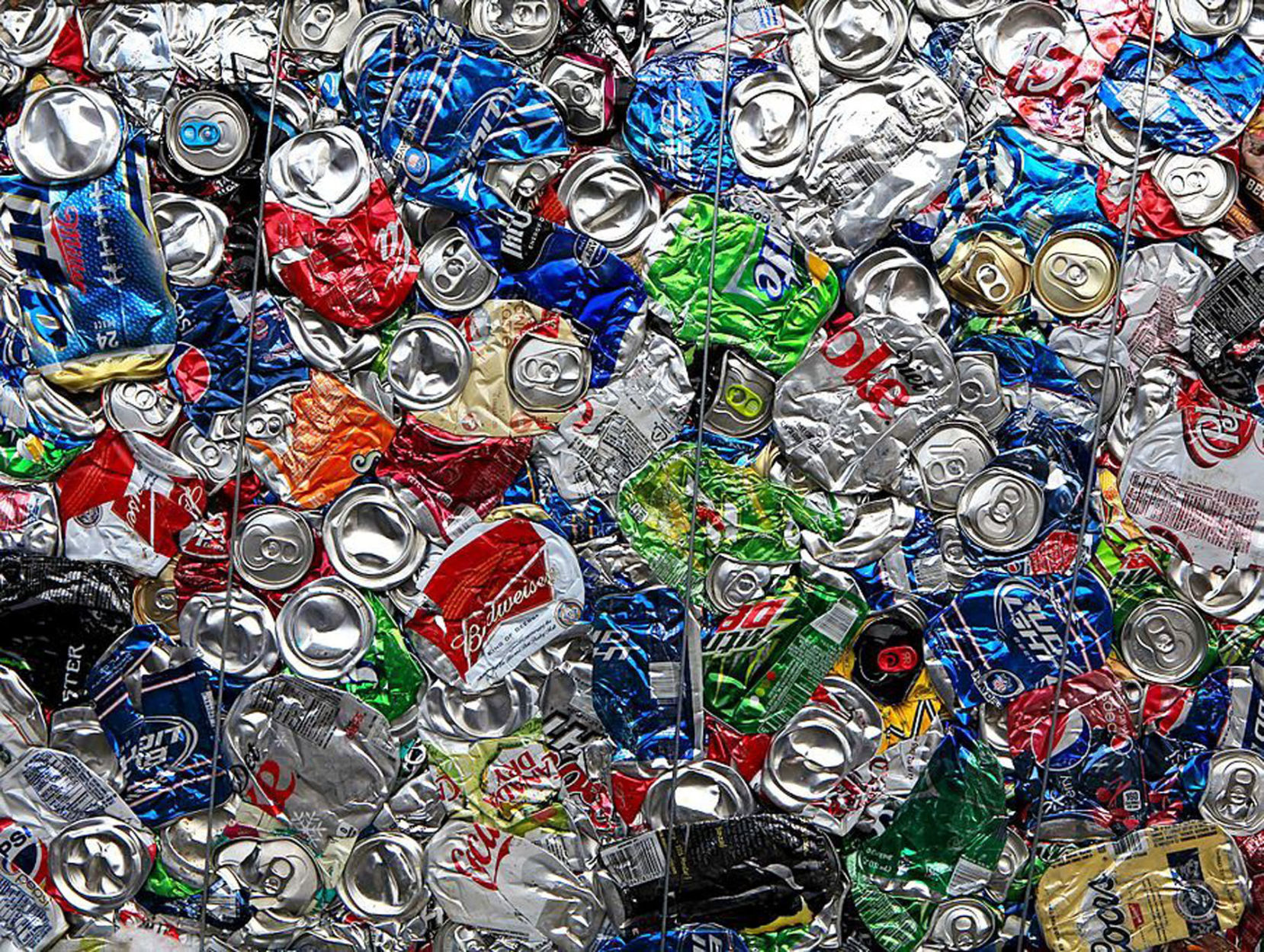
— In the U.S. alone, more than 80 billion aluminum cans are emptied each year. A thrown-away can will still be a can 500 years in the future. There is no limit to the number of times an aluminum can can be recycled, and the turnaround time can happen in as little as 60 days.
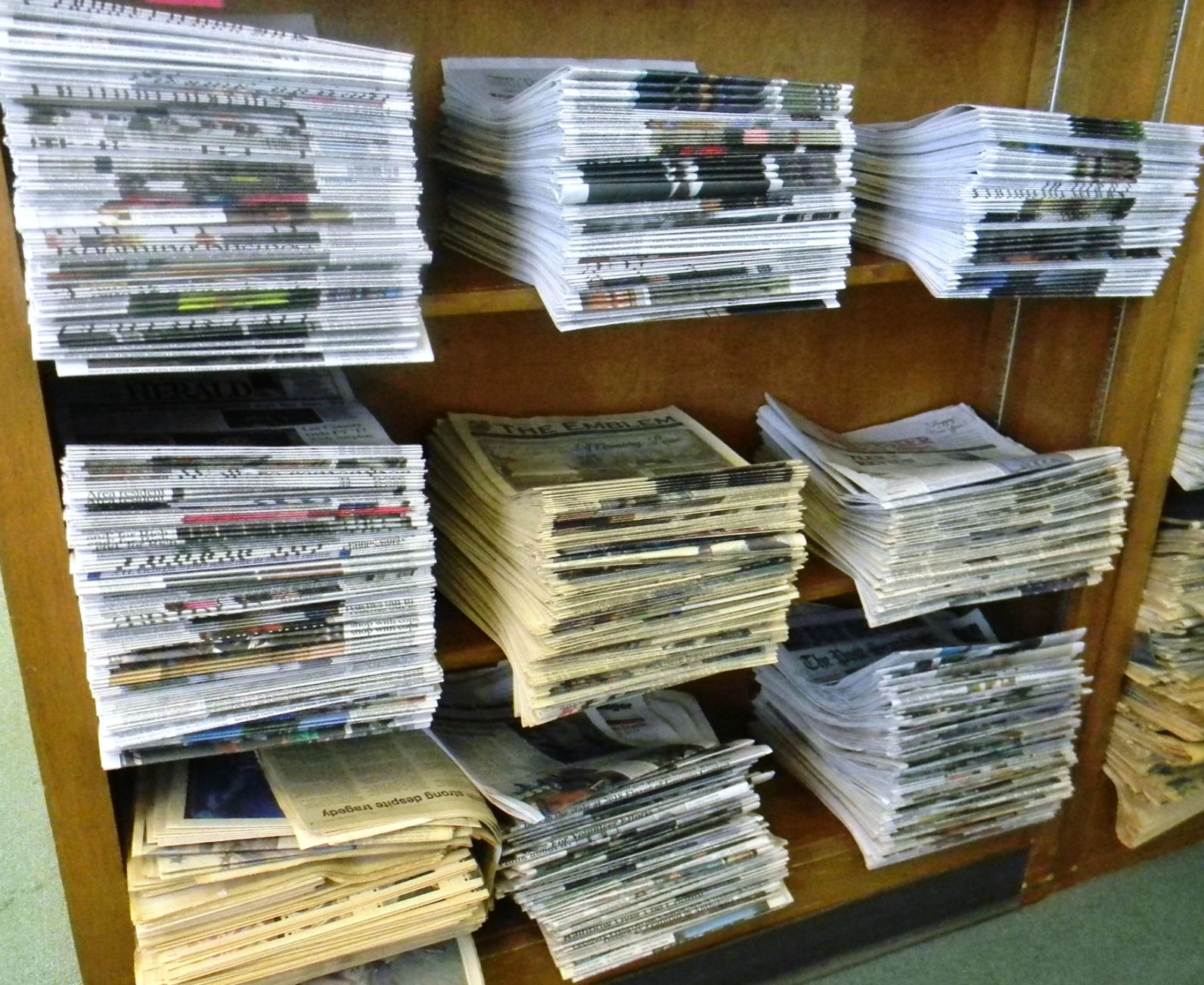
— Recycling one Sunday run of the New York Times would save 75,000 trees. If all of America’s newspapers were recycled, 250 million trees would be saved annually.
— The construction cost of a paper mill designed to use recycled paper cost 50-80 percent less than a mill designed strictly for new pulp.
— Recycling one glass bottle or jar can save enough energy to run a 100-watt light bulb for four hours, cause 20 percent less air pollution and 50 percent less water pollution than making a new glass container from raw materials.
— Motor oil never wears out, it just gets dirty and can be recycled. A single quart of oil disposed of improperly can contaminate up to two million gallons of water.
— The foil used daily to wrap chocolate candy would cover a 50-acre space. All of the candy foil is recyclable.
Up in the air
— During heavy traffic jams, pollutants outside can seep into your car, making the air inside the vehicle 10 times more polluted than typical city air.
— Air pollution in California alone kills an estimated 25,000 people per year and costs $200 million in medical expenses.
— According to research by the World Health Organization, more than nine out of 10 people in the world’s population, 92 percent, live in places where air pollution exceeds safe limits.
— Air pollution is the fourth-largest threat to human health, behind high blood pressure, dietary risks and smoking. The health risks of breathing dirty air include respiratory infections and cardiovascular diseases, stroke, chronic lung disease and lung cancer.
— The air pollutants that create smog have also been found in the lungs of dolphins, causing black lung disease.
— One full city bus can remove up to 40 cars from the road and greatly reduce exhaust pollutants.
Did you know?
— Plastic milk jugs and bottles from household cleaners and shampoo can be recycled into plastic lumber, playground equipment, buckets, Frisbees, stadium seats and recycle bins.
— Plastic soda and water bottles can be recycled to make T-shirts, sweaters, carpet, insulation, sleeping bags, backpacks and more.
— Recycled metal cans can be used to make rebar, appliances, steel beams, and car and bike parts.
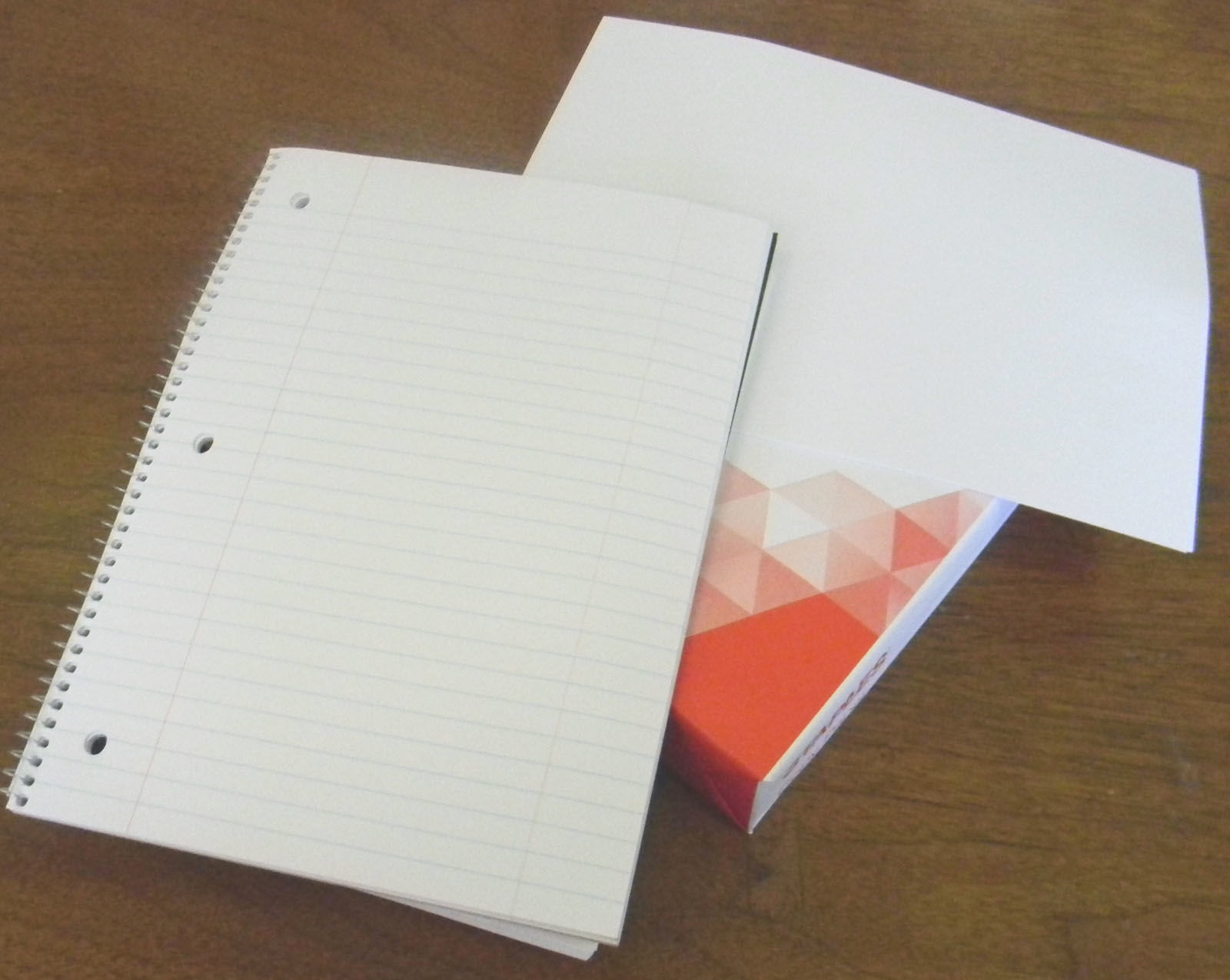
— Notebook and computer paper can be recycled to make toilet paper, facial tissues, paper towels and napkins.
— Plastic bottle caps can be recycled into car batteries, garden rakes, storage containers, reusable shopping bags, yarn, ropes and brooms.
— Companies like No Nonsense recycle old nylon pantyhose by grinding them with material used to make playground equipment, park benches and carpets.
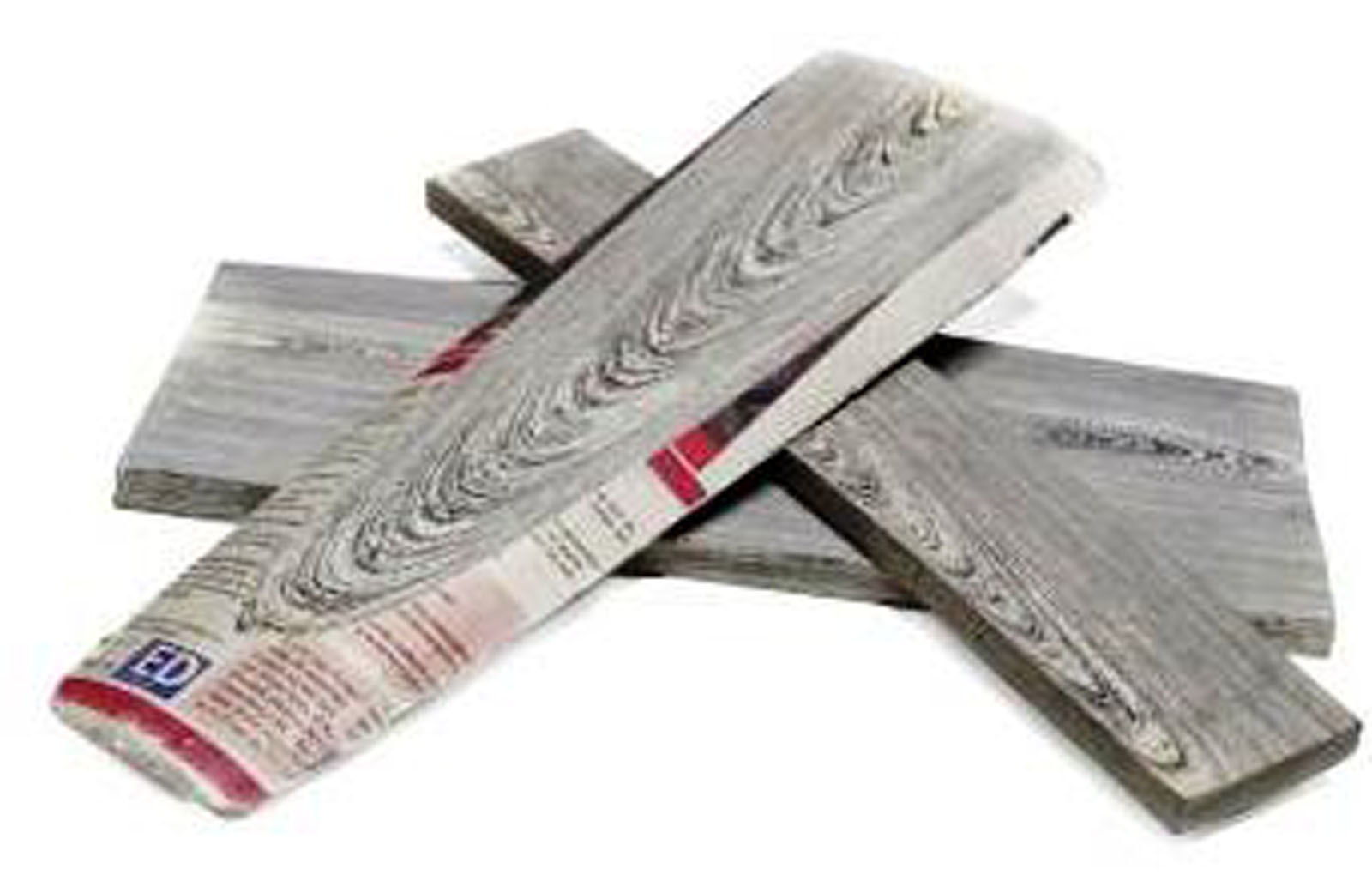
— Newspaper wood is created by rolling up paper and solvent-free glue to create something similar to a log, then chopping it into usable planks. The wood can then be sealed so it’s waterproof and flame-retardant, and used to build anything normally build with wood.
— Recycled newspaper is also used in the making of Sheetrock, kitty litter, counter tops, egg cartons and construction paper.
So tired … recycled tires
— Tire rubber can be ground up into crumb rubber and incorporated into asphalt mix to produce safer, less-noisy roads and highways.
— Rubber mulch is easier to maintain than traditional mulch, lasts longer and can be used under pine straw or wood chips or simply by itself.
— Mats and wall padding used in sound studios to improve acoustics and reduce the levels of vibrations and sound transmissions often contain recycled tire rubber.
— Worn tires themselves can be used in making raised planters as a space saving gardening option.
QUIK QUIZ answer: d) 7,200 … That is roughly 6,000,000,000 disposable diapers annually in the U.S. alone.
Each week Albany Herald researcher Mary Braswell looks for interesting events, places and people from the past. You can contact her at (229) 888-9371 or [email protected]. Follow @ABH_MBraswell on Twitter.
Related Articles
From cotton to cloud: In the data center debate, is rural Georgia once again being asked to carry the cost?
Across much of rural Georgia, the abandoned cotton warehouses and shrinking tax bases remain — enduring reminders that industries built to serve distant markets do not necessarily stay rooted in the communities that first sustained them.
My Grandpa Was Killed in World War II. I Met Him Through His Letters Home
Gina Wolf’s grandfather died before she was born. His letters sent to her grandmother from Europe during World War II made it possible to know what kind of man he was.

‘Sounds Like a Mutiny.’ Secret Recording Exposes Claims of Toxic Leadership After a Marine’s Suicide
This week’s War Horse story follows the systemic failures before and after the death of Cpl. Drew Mobley who was the third in two years at Marine Corps Base Quantico to die by suicide.
