
MARY BRASWELL: Looking back at inventions and inventors
HISTORY: May is National Inventors Month
By Mary Braswell
Each week Albany Herald researcher Mary Braswell looks for interesting events, places and people from the past. You can contact her at (229) 888-9371 or [email protected]. Follow @ABH_MBraswell on Twitter.
From simple to complicated, the items we often take for granted once did not exist. In no particular order, here is a look back at some of the inventors and inventions that have changed our day-to-day world. Note that none of today’s ‘can’t live without it’ communication devices are included.
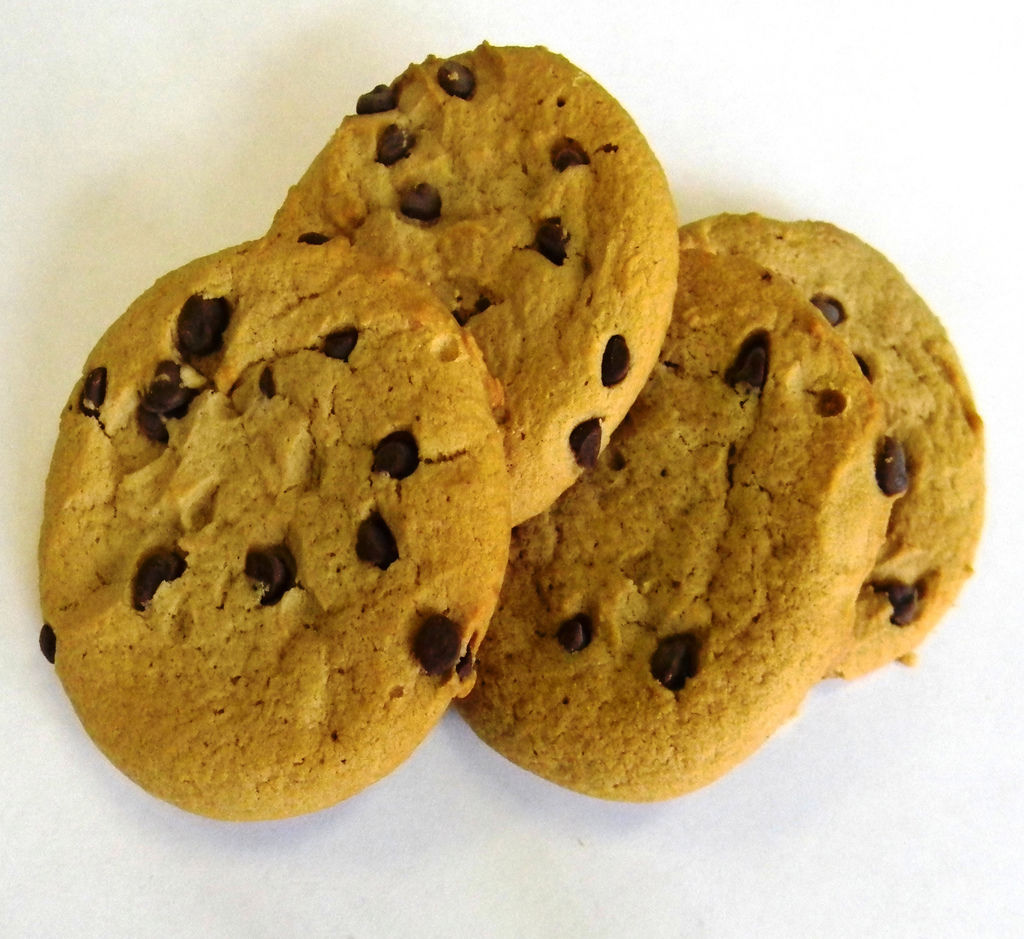
— The chocolate chip cookie was made by accident in 1930 by Ruth Graves Wakefield, the owner of the Toll House Inn, a restaurant that served home cooking in Whitman, Mass. Out of baker’s chocolate, she used a semisweet chocolate bar from Nestle. Unlike the baker’s chocolate, the chopped up chocolate bar did not melt and mix into the batter. The small pieces of chocolate only softened and the chocolate chip cookie was born. The chocolate bar Wakefield used in her cookie mix had been a gift from Andrew Nestle of the Nestle Chocolate Company. Eventually Ruth sold the chocolate chip cookie recipe to Nestle, who then provided her with a lifetime supply of chocolate.
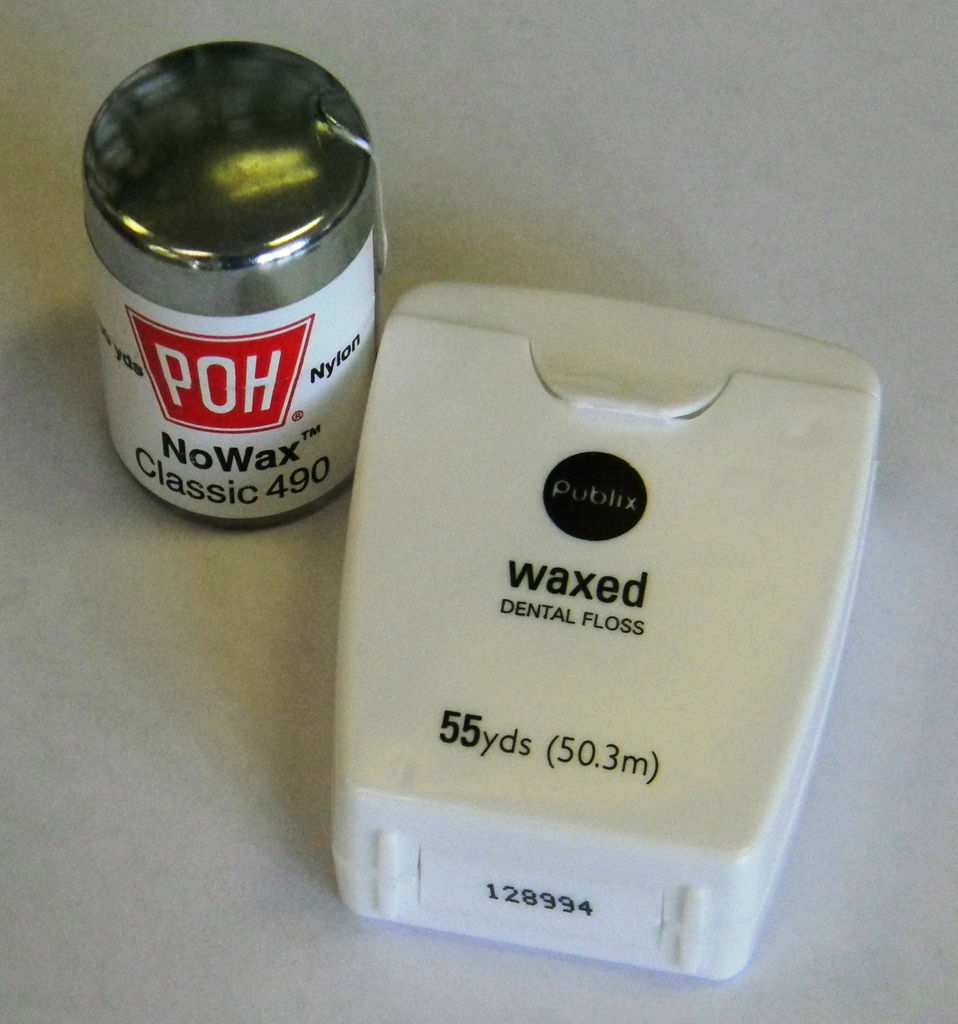
— Levi Spear Parmly, a dentist from New Orleans, introduced dental floss in 1815. It was originally made from silk, unlike today’s floss which is made of nylon or plastic.
— Californian Samuel W. Alderson created the first crash test dummies, initially used to test aviation safety. the year was 1949.
— The use of chemotherapy for cancer treatment started in the 1940s, when two pharmacologists from Yale University, Louis S. Goodman and Alfred Gilman, observed that nitrogen mustard, a chemical warfare agent, suppressed the growth of lymphoid and myeloid cells.
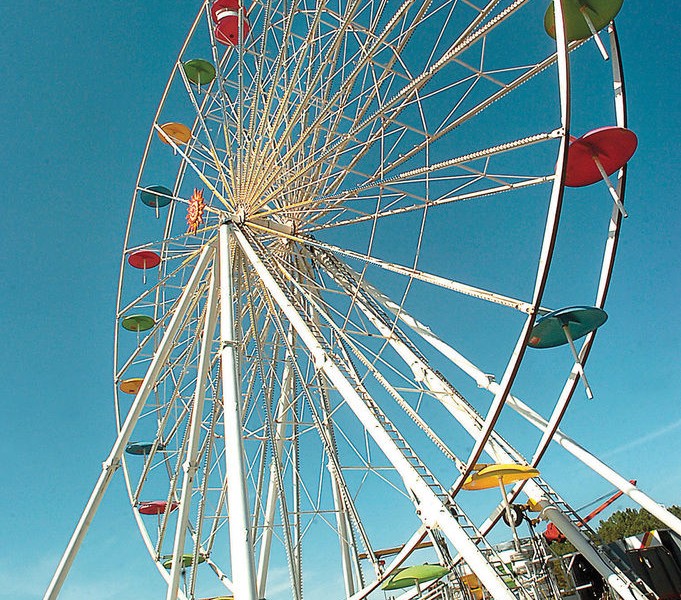
— George Washington Gale Ferris debuted the first Ferris wheel as the landmark of the Chicago World Fair on June 21, 1931.
— British soldiers began wearing cargo pants in the 1930s because they offered a convenient way to carry military gear like ammunition. American troops adopted them just a few years later, and the style became a popular fashion in the 1990s.
— Making bread dough one day, Will Keith Kellogg accidentally left his main ingredient, boiled wheat, sitting out for several hours. When he came back to roll the ingredient into dough, the wheat became flaky. Kellogg baked the flaky dough anyway, creating a crunchy and tasty snack. He tinkered with his recipe and decided to use corn as a main ingredient for the flakes. Kellogg started a business, The Battle Creek Toasted Corn Flakes Company, in 1906.
— One day, George De Mestral, an electrical engineer, returned from a walk with his dog. De Mestral noticed how perfectly cockle-burs bound to his dog’s fur. He examined the bur closely under a microscope and discovered that the burs were lined with numerous tiny hooks that could easily attach to the loops of his clothing and the fur of his dog. With this concept in mind, De Mestral toyed around with a variety of materials until, in 1955, he settled on nylon as his material to perfect his invention, calling it Velcro.
—After dropping out of school at age 15, Chester Greenwood had plenty of time for his favorite past-time of ice skating. Cold as it was in Maine, Greenwood decided to do something about the misery of his ears while skating and thus invented the earmuffs. He received a patent for his creation in 1877.
— In 1916, Garrett Morgan made national news by using his gas mask to rescue 32 men trapped during an explosion in an underground tunnel 250 feet beneath Lake Erie. His invention has saved the lives of many firemen, police and soldiers across the world.
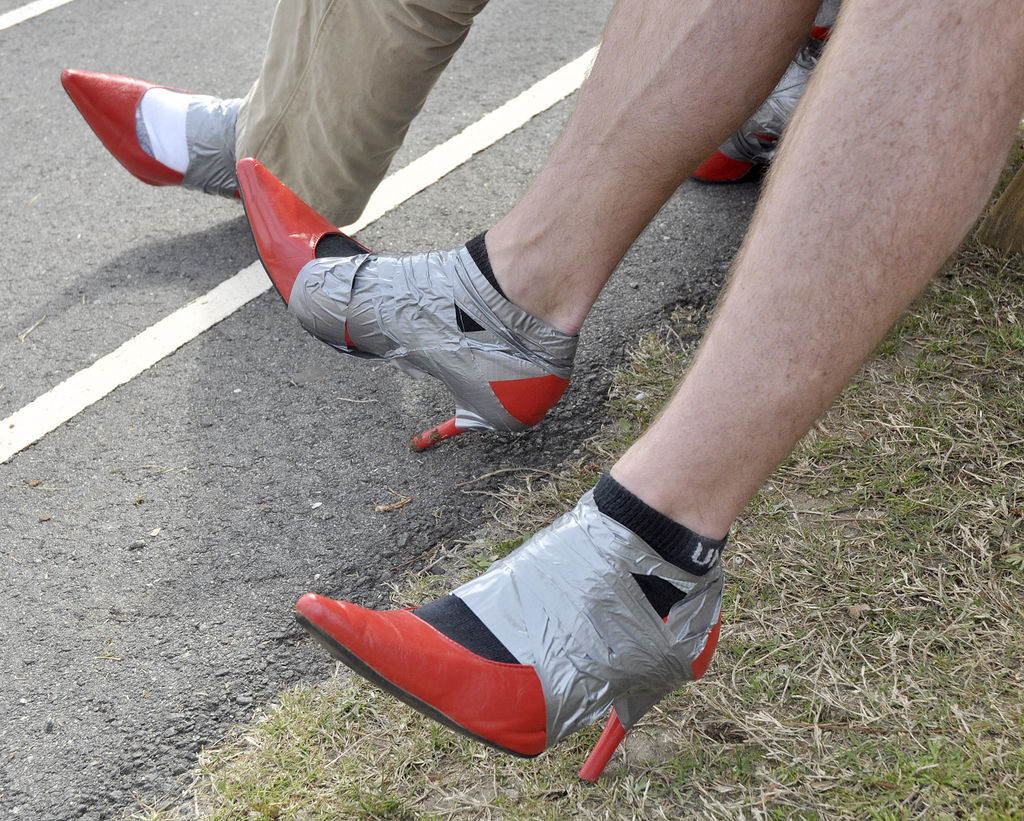
— The idea for what became duct tape came from Vesta Stoudt, a factory worker and mother of two Navy sailors. She wrote to President Franklin D. Roosevelt in 1943 with the idea to seal ammunition boxes with a fabric tape, which she had tested at her factory. The letter was forwarded to the War Production Board, who put Johnson & Johnson on the job. Johnny Denoye and Bill Gross developed the new adhesive tape, designed to be ripped by hand, not cut with scissors. The new tape was soon adapted to repair military equipment quickly, including vehicles and weapons.
— The toy truck was first patented by 6-year-old Robert Patch in June 1963. The play vehicle could be taken apart, rebuilt and transformed into different kinds trucks.
— In 1924, Clarence Birdseye developed a new process for commercially quick-freezing food. He packed fish in cartons, then froze the contents between two refrigerated surfaces under pressure. To this day, the name Birdseye can be found in the frozen food section of most any grocery store.
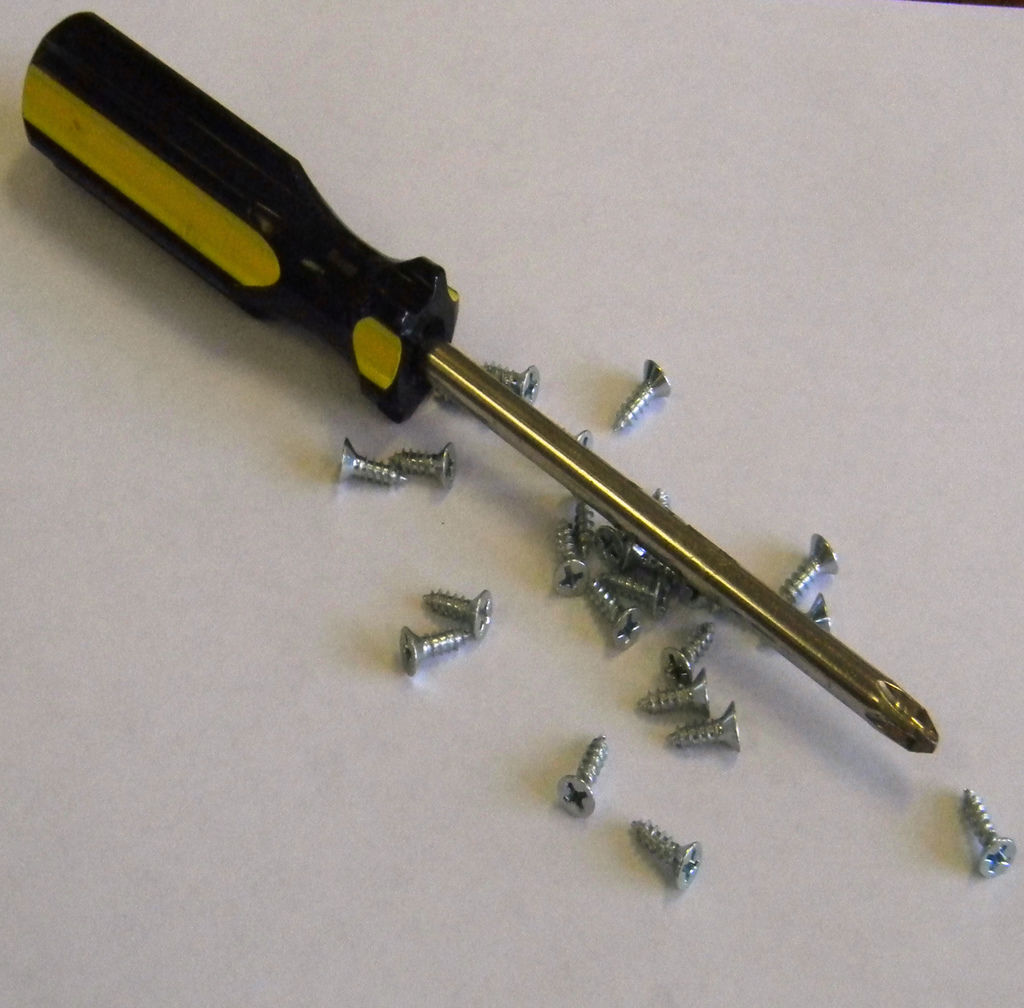
— Henry F. Phillips patented his invention of a screw with a cruciform slot, today known as the Phillips Screw. Phillips offered his screw to the American Screw Company, and after a successful trial on the 1936 Cadillac, it was a favorite of the auto industry. The Phillips head screwdriver is a standard in household toolboxes today.
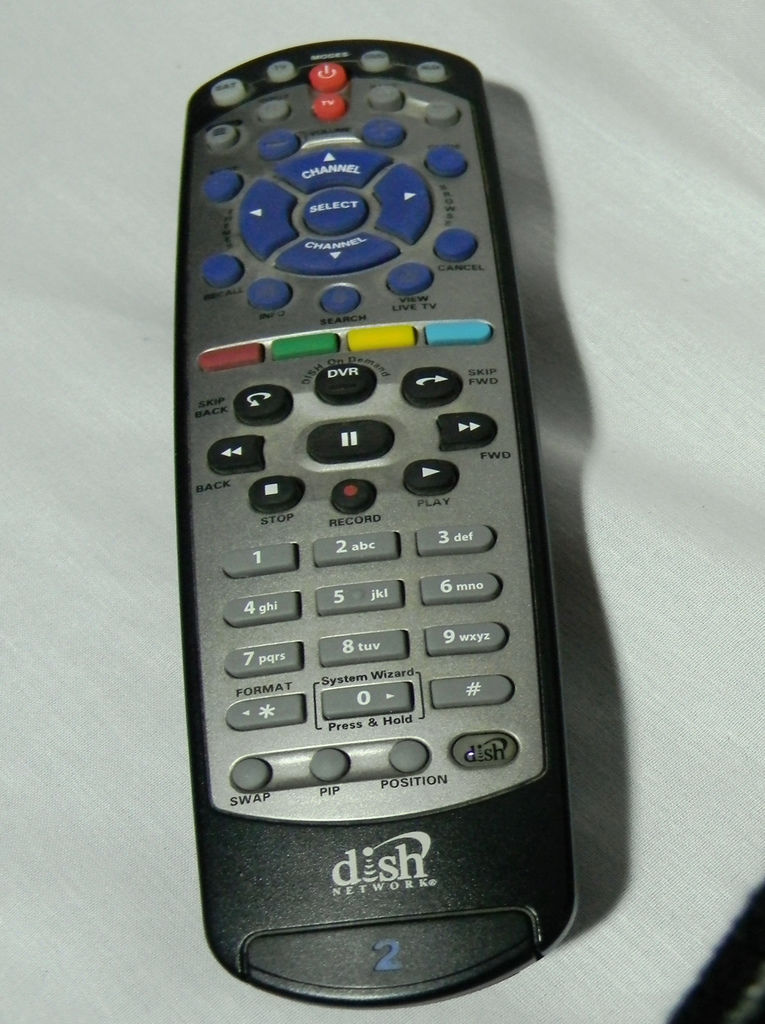
— In 1935, Eugene J. Polley was hired as a stock boy for Zenith Electronics. He later transferred to engineering, where his assignments included work on radar during World War II for the U.S. Department of Defense. Polley’s 1955 invention, marketed as the Flash-Matic, used visible light to remotely control a television outfitted with four photo cells in the cabinet at the corners of the screen.
— Thomas Edison’s personal favorite of all his inventions was the phonograph. Did you know that he also invented the first electrical vote recorder?
In their own words…
“To invent, you need a good imagination and a pile of junk.” — Thomas Edison
“Creativity is intelligence having fun.” — Albert Einstein
“Ninety-nine percent of the failures come from people who have the habit of making excuses.” — George Washington Carver
“When one door closes, another door opens; but we so often look so long and regretfully upon the closed door, that we do not see the ones which open for us.” — Alexander Graham Bell
“No flying machine will ever fly from New York to Paris.” — Orville Wright
Quik Quiz answer: (c) 1928
Otto Frederick Rohwedder of Iowa, invented the first loaf-at-a-time bread-slicing machine. In what year was his first fully- operational machine ready for commercial use?
a) 1919
b) 1925
c) 1928
d) 1934
The answer’s at the bottom of Mary’s column.

Related Articles
From cotton to cloud: In the data center debate, is rural Georgia once again being asked to carry the cost?
Across much of rural Georgia, the abandoned cotton warehouses and shrinking tax bases remain — enduring reminders that industries built to serve distant markets do not necessarily stay rooted in the communities that first sustained them.
My Grandpa Was Killed in World War II. I Met Him Through His Letters Home
Gina Wolf’s grandfather died before she was born. His letters sent to her grandmother from Europe during World War II made it possible to know what kind of man he was.
‘Sounds Like a Mutiny.’ Secret Recording Exposes Claims of Toxic Leadership After a Marine’s Suicide
This week’s War Horse story follows the systemic failures before and after the death of Cpl. Drew Mobley who was the third in two years at Marine Corps Base Quantico to die by suicide.
