
MARY BRASWELL: Looking back at television fun facts
HISTORY: First toilet shown on TV was seen in an episode of ‘Leave It to Beaver’
By Mary Braswell
Television has been a part of everyday life for generations now. Many remember what an event it was when the family got its first TV set. Although everyone can (and does) dream in color, those who grew up with black and white television tend to dream in those hues. In no particular order, here is a look at some random TV trivia.
— One of the very first original TV shows in America was called “Television Ghost” (1931). An actor would dress up as a dead person and tell the story of how he was murdered.
— Philo T. Farnsworth, considered the inventor of the modern all-electronic television, would not let his own children watch TV. He once said to his son “There’s nothing on it worthwhile, and we’re not going to watch it in this household, and I don’t want it in your intellectual diet.” Farnworth also called television a gift from the Lord and warned that “God will hold accountable those who utilize this divine instrument.”
— When the U.S. government wanted to cut public broadcasting television funds in 1969, the relatively unknown Mister Rogers went to Washington to speak before the Senate. After hearing what Rogers had to say, the funding jumped from $9 to $22 million.
— Disney wouldn’t allow any of the actors from “Boy Meets World” to take souvenirs from the set after the show wrapped, but Rider Strong stole his leather jacket. Later, the jacket was stolen from his car in New York City.
— When “Saturday Night Live” first started, another show was called “Saturday Night Live,” which brought about the now- iconic opening line, “Live from New York, it’s ‘Saturday Night.’” The other program was “Saturday Night Live with Howard Cosell.”
— On “The Brady Bunch,” the kids’ Jack-and-Jill bathroom had no toilet.
— Americans cast more votes for Taylor Hicks in the Season 5 finale of “American Idol” than were cast to put Ronald Reagan into the White House in 1984.
— The facade of the home of Samantha and Darrin in “Bewitched” was also used for “I Dream of Jeannie.”
— “Looney Tunes” has 11 episodes that can’t be aired on television due to the highly offensive racist material in them. The 11 episodes that try to make humor out of racist stereotypes are known as the “censored eleven.”
— In 1961, Fred and Barney of “The Flintstones” were featured lighting up and enjoying Winston cigarettes in a commercial.
— It has been estimated that the average American child sees about 11,000 deaths on television between the ages of 5 and 14.
— Television satellite was launched in 1962, and in 1969 more than 600 million people watched the moon landing live from their homes.
— Earl Wild performed the first live piano recital seen on television. Nearly 60 years later, in 1997, Wild was the first pianist to steam a live performance on the internet.
— Two days before Great Britain declared war on Germany, the plug was pulled on the BBC. A Mickey Mouse cartoon was the last to air. When the war ended and the BBC returned in 1946, it resumed with the same cartoon it left off with.
— During a news broadcast in July 1974, anchor Christine Chubbuck of WXLT (ABC) in Florida announced, “In keeping with Channel 40’s policy of bringing you the latest in blood and guts, and in living color, you are going to see another first—attempted suicide.” She then shot and killed herself on the live television news show.
— The first successful daytime drama on television was “Search for Tomorrow,” which first aired in 1951 and ran until 1986. The series was sponsored by Procter & Gamble, which explains the term “soap opera.”
— It was the 1954 Tournament of Roses Parade that was the first national broadcast in color. Most Americans, however, never knew the difference. It was not until 1972 that color sets first outsold black and white sets.
— Zenith introduced the company’s (almost) remote control in 1950. “Lazy Bones” attached to the TV with a wire. The first wireless remote came along in 1955.
— Just before the July 1, 1941 baseball game between the Brooklyn Dodgers and the Philadelphia Phillies, the first commercial aired on U.S. television. The product was for Bulova, lasted 20 seconds and cost the company $9.
— Bob Hope took his comedy from radio to TV as “The Bob Hope Show” made its debut in October 1952.
— On Feb. 9, 1964, The Beatles’ appearance on “The Ed Sullivan Show” attracted 73 million viewers.
— Will Smith took the role on “Fresh Prince of Bel-Air” simply because of his massive debt. In the first three seasons, the IRS took approximately 70 percent of his income from the show.
— Gene Roddenberry created the “Star Trek” transporter to avoid filming the Enterprise taking off and landing.
— The first TV commercial for a car was purchased by Chevrolet and ran on June 9, 1946.
— Lady GaGa appeared on an episode of “The Sopranos” as a friend of Tony Soprano’s son. She smoked a cigarette in the Season 3 guest appearance. Lady GaGa was 15 years old at the time.
— In August 2006, NASA announced that it had lost all the original tapes of Apollo 11’s TV transmission.
— In 1964, there were about 2.8 million color TV sets in the home and 55 million black and white sets.
— What won Adam West the role of Batman on TV was his performance as a James Bond rip-off in a Nestlé Quik commercial that producer William Dozier enjoyed.
— On average, an American 65-year-old has seen 2,000,000 TV commercials.
Each week Albany Herald researcher Mary Braswell looks for interesting events, places and people from the past. You can contact her at (229) 888-9371 or [email protected]. Follow @ABH_MBraswell on Twitter.
QUIK QUIZ answer: (a) “Bonanza”
Related Articles
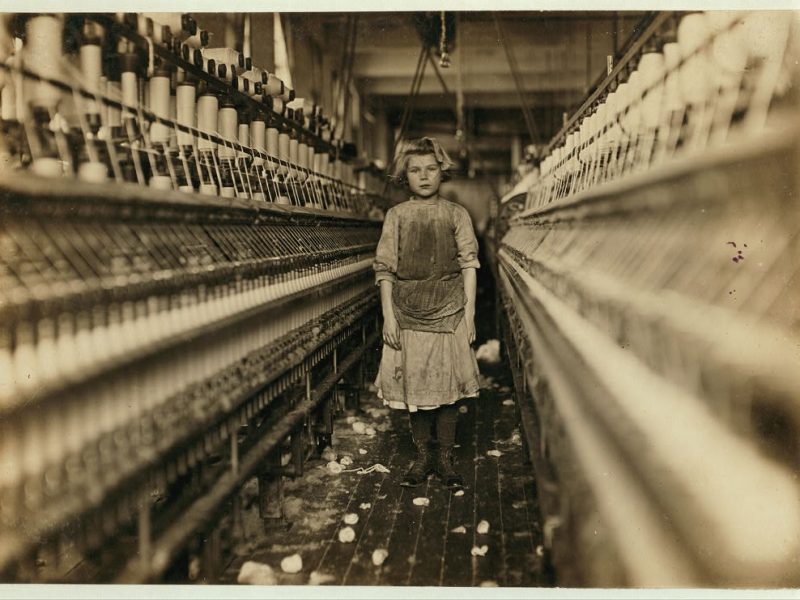
From cotton to cloud: In the data center debate, is rural Georgia once again being asked to carry the cost?
Across much of rural Georgia, the abandoned cotton warehouses and shrinking tax bases remain — enduring reminders that industries built to serve distant markets do not necessarily stay rooted in the communities that first sustained them.
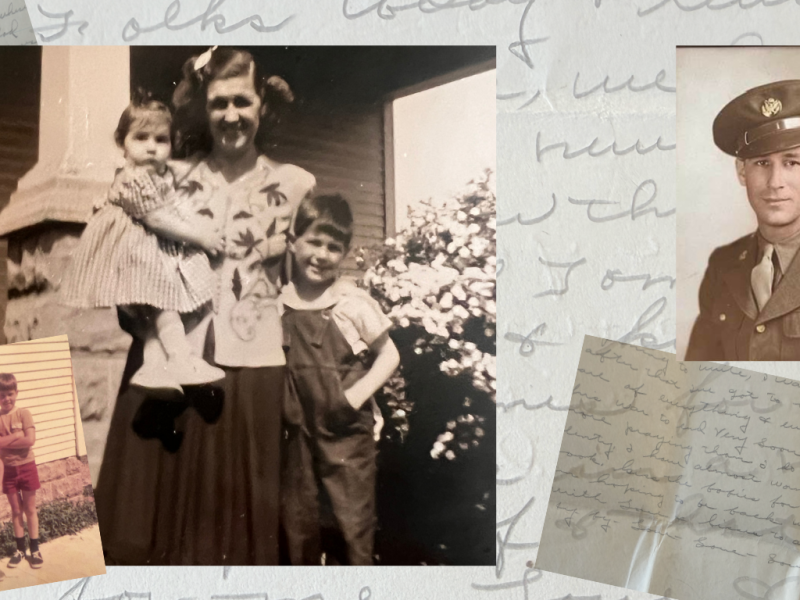
My Grandpa Was Killed in World War II. I Met Him Through His Letters Home
Gina Wolf’s grandfather died before she was born. His letters sent to her grandmother from Europe during World War II made it possible to know what kind of man he was.
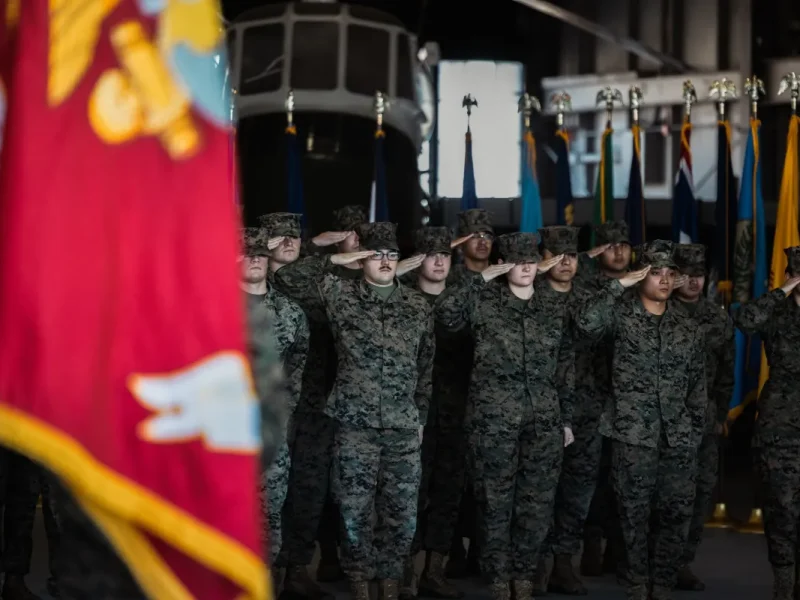
‘Sounds Like a Mutiny.’ Secret Recording Exposes Claims of Toxic Leadership After a Marine’s Suicide
This week’s War Horse story follows the systemic failures before and after the death of Cpl. Drew Mobley who was the third in two years at Marine Corps Base Quantico to die by suicide.
