
MARY BRASWELL: Looking back at the winter months of 1912 through the pages of The Albany Herald.
HISTORY: The winter of 1912 was a cold one for Southwest Georgia. Those supplying wood and coal for heat were the busiest of all entrepreneurs.

By Mary Braswell
Each week Albany Herald researcher Mary Braswell looks for interesting events, places and people from the past. You can contact her at (229) 888-9371 or [email protected]. Follow @ABH_MBraswell on Twitter.
Here is a look back at news from The Albany Herald during the winter of 1912.
—The Krause Greater Shows (carnival) came to Albany for one week with a percentage of all the proceeds earmarked for the Citizens’ Band. Cold weather having kept the crowds away, the carnival director announced the group would continue to operate for a second (and warmer) week. In addition to the band, other recipients of a percentage of the take were the Hebrew Ladies Aid, Hospital Aid and the United Daughters of the Confederacy.
—
THE QUIK QUIZ
The unsinkable Titanic did just that in April 1912. Which of the following items were given as mourning gifts after the tragic event?
a) photos of the ship
b) black Teddy Bears
c) journals and ink pens
d) salvaged bottles of wine
Answer is at the end of this column.
—
— English pea seed arrived at Cash Drug Store. The store had four varieties of seed at 25 cents “the quart.”
— Dougherty County Game Warden Hobbs asked the newspaper to remind citizens that it was against the law to shoot robins. There was no open season, so every robin shot was killed illegally.
— Pelham’s Marguerite Hotel, a brick structure, caught fire in the middle of the night. Fortunately, the blaze was contained to the second floor parlors. An alarm was sounded by pounding on the doors of sleeping guests by the night owls that discovered the fire. While the furniture and mantels were charred, neither guests nor their rooms suffered any damage.
— The Albany Chamber of Commerce entertained 150 of the best businessmen in Southwest Georgia at a banquet. The purpose of the meeting was to form an organization to promote Albany and all nearby cities and towns through advertisement.
— At a meeting of the local camp of Confederate veterans, a resolution was adopted favoring a congressional bill to distribute money held by the federal government to veterans’ homes. The money of topic was known as the “cotton tax,” which was collected from the Southern states at the end of the War Between the States.
— Leesburg reported that the crackdown on whiskey houses in Albany had greatly reduced the availability of bootlegged spirits for its citizens.
— A drawing was held in the governor’s office . Sixty county names were literally pulled from a hat to determine which counties would be first to get a share of the state pension money. Dougherty County was not drawn, but Worth, Baker, Calhoun and Turner counties were. It was expected that the counties not drawn would receive deserved pension money in a few weeks.
— After a tour of Southwest Georgia, a secondary education professor at the University of Georgia had nothing but praise for the facilities for high schools in this part of the state. Many communities, including Albany, had either recently built or were in the process of building separate facilities just for high school education.
— A group of youngsters ages 9-14 were playing near the Georgia Northern train trestle when they scared up a rabbit. The kids gave chase, but instead of a rabbit in a hole, they found 108 half-pint bottles of whiskey. The youngsters collected all the bottles and took them home to their parents. It was clear what happened to the whiskey after that.
— The American Salvation Army announced it would be opening a headquarters in Albany and establishing an emergency home “for the poor and unfortunate.”
— The prison commission of Georgia was greatly concerned about the overcrowding of the prison farm and reformatory at Milledgeville. The institute had 600 incarcerated, including some women and children. To keep all hands busy, the state was negotiating the purchase of additional land to farm.
— Sheriff Howell of Early County supervised the building of a wooden platform for the raising of the gallows for the first legal execution in Blakely in 14 years. Two men were hanged side by side, each for murder, making it the first double-hanging in the county’s history.
FROM OTHER SOURCES …
— One in 10 American adults could not read or write. Only 5 percent of all Americans had a high school education.
— The population of Las Vegas, Nev., was 30.
— Life expectancy for women was 51.8 years and for men, just 48.4 years.
— A dentist could make as much as $2,500 in a year. An unskilled laborer would bring home between $200 and $400 for the year.
— More than 95 percent of all births took place at home.
— Most women only washed their hair once a month. “Shampoo” consisted of borax and egg yolks.
— The leading causes of death were pneumonia, influenza, tuberculosis, diarrhea, and stroke.
— Heroin and morphine were available over the counter from the local drug store. According to one pharmacist, ”Heroin clears the complexion, regulates the stomach and the bowels, and is, in fact, a perfect guardian of health.”
— The Girl Scouts of America was founded by Juliette Gordon Low in Savannah.
NEW FOR 1912
— The kitchen worktop surface, Formica, was invented by Daniel J. O’Conor and Herbert A. Faber who originally conceived it as a substitute for mica used as electrical insulation. It was made of wrapped woven fabric coated with Bakelite thermosetting resin, then slit lengthwise, flattened, and cured in a press. Because the new product acted as a substitute “for mica,” Faber coined the name “Formica”.
—The National Biscuit Company (NABISCO) introduced Oreo cookies.
— A Swede, Gideon Sundback, working in America, invented the zipper.
— Joy Morton developed Morton’s Table Salt. The free-running salt was packaged in blue and white canisters with an aluminum pouring spout.
— Lawrence Luellen and Hugh Moore developed the Health Cup, renamed Dixie Cup in 1919.
QUIK QUIZ answer: (b) black Teddy Bears. Made by the Steiff Company, only 500-600 were produced, making today’s surviving bears high-priced collectibles.
Related Articles
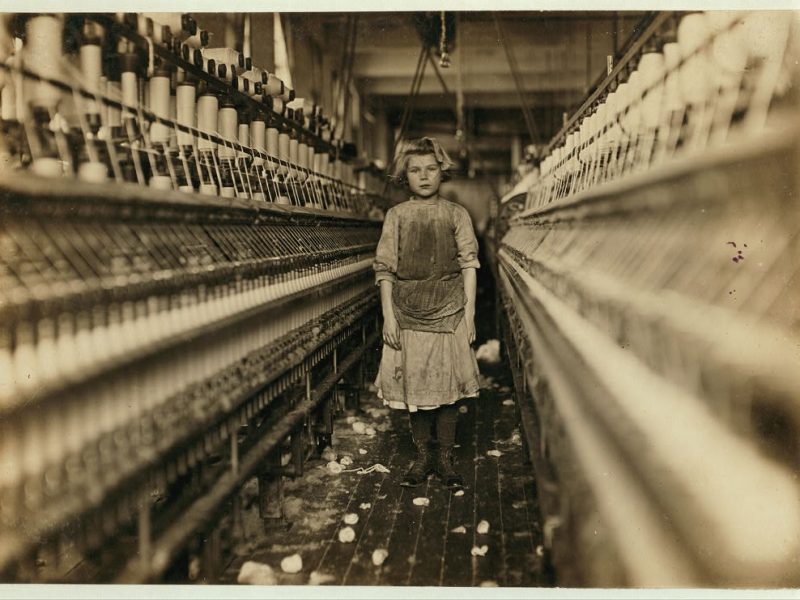
From cotton to cloud: In the data center debate, is rural Georgia once again being asked to carry the cost?
Across much of rural Georgia, the abandoned cotton warehouses and shrinking tax bases remain — enduring reminders that industries built to serve distant markets do not necessarily stay rooted in the communities that first sustained them.
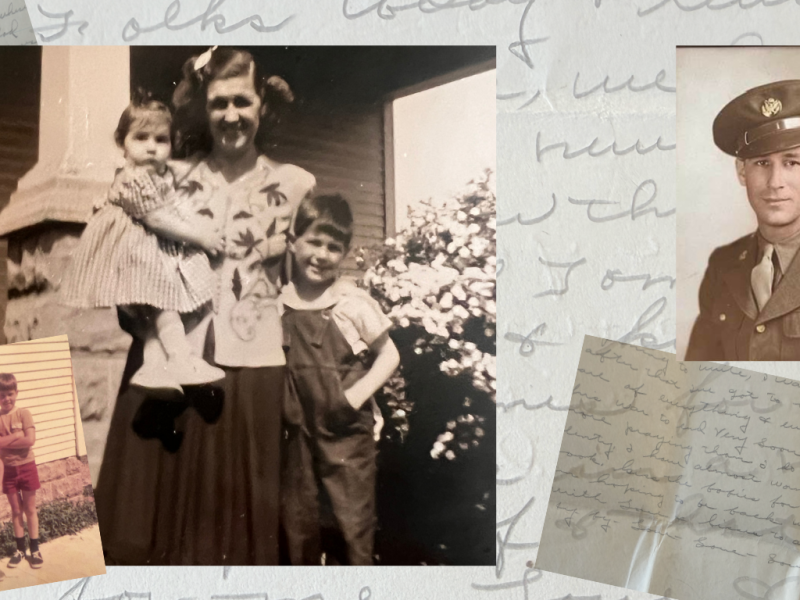
My Grandpa Was Killed in World War II. I Met Him Through His Letters Home
Gina Wolf’s grandfather died before she was born. His letters sent to her grandmother from Europe during World War II made it possible to know what kind of man he was.
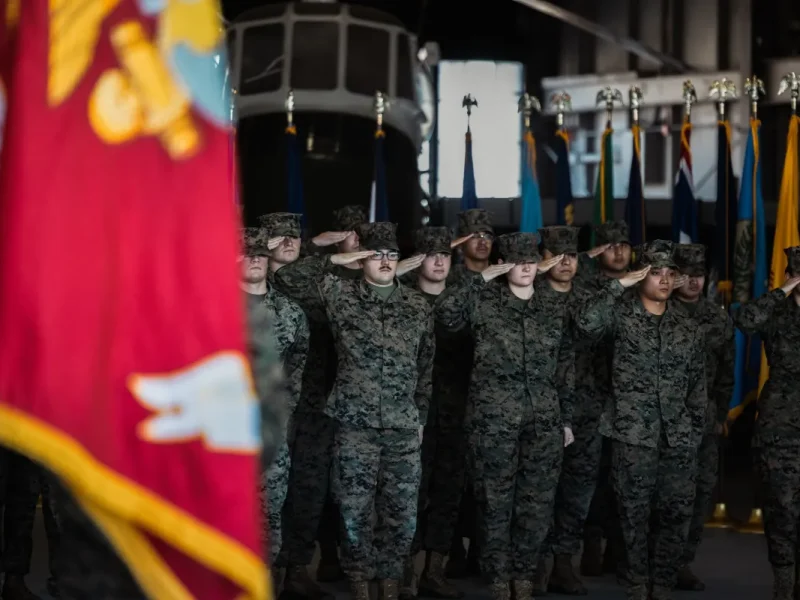
‘Sounds Like a Mutiny.’ Secret Recording Exposes Claims of Toxic Leadership After a Marine’s Suicide
This week’s War Horse story follows the systemic failures before and after the death of Cpl. Drew Mobley who was the third in two years at Marine Corps Base Quantico to die by suicide.
