
MARY BRASWELL: Looking Back at the words of Martin Luther King Jr.
HISTORY: The man who believed in the rights of all humans
By Mary Braswell
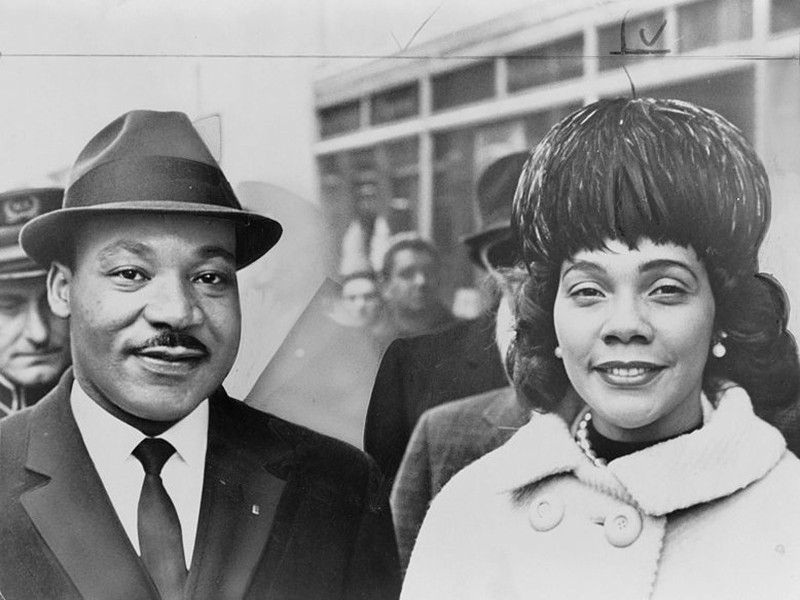
The road to establishing a national holiday to celebrate the life and work of the Rev. Martin Luther King Jr. was long and full of potholes. Here is a brief ride down that bumpy trail.
— U>S. Rep. John Conyers Jr., D-Mich., introduced the first legislation seeking to make Martin Luther King’s birthday, Jan. 15, a federal holiday after his assassination in 1968. The bill languished in Congress for eight years, unable to gain enough support until President Jimmy Carter, former governor of Georgia, vowed to support a King holiday.
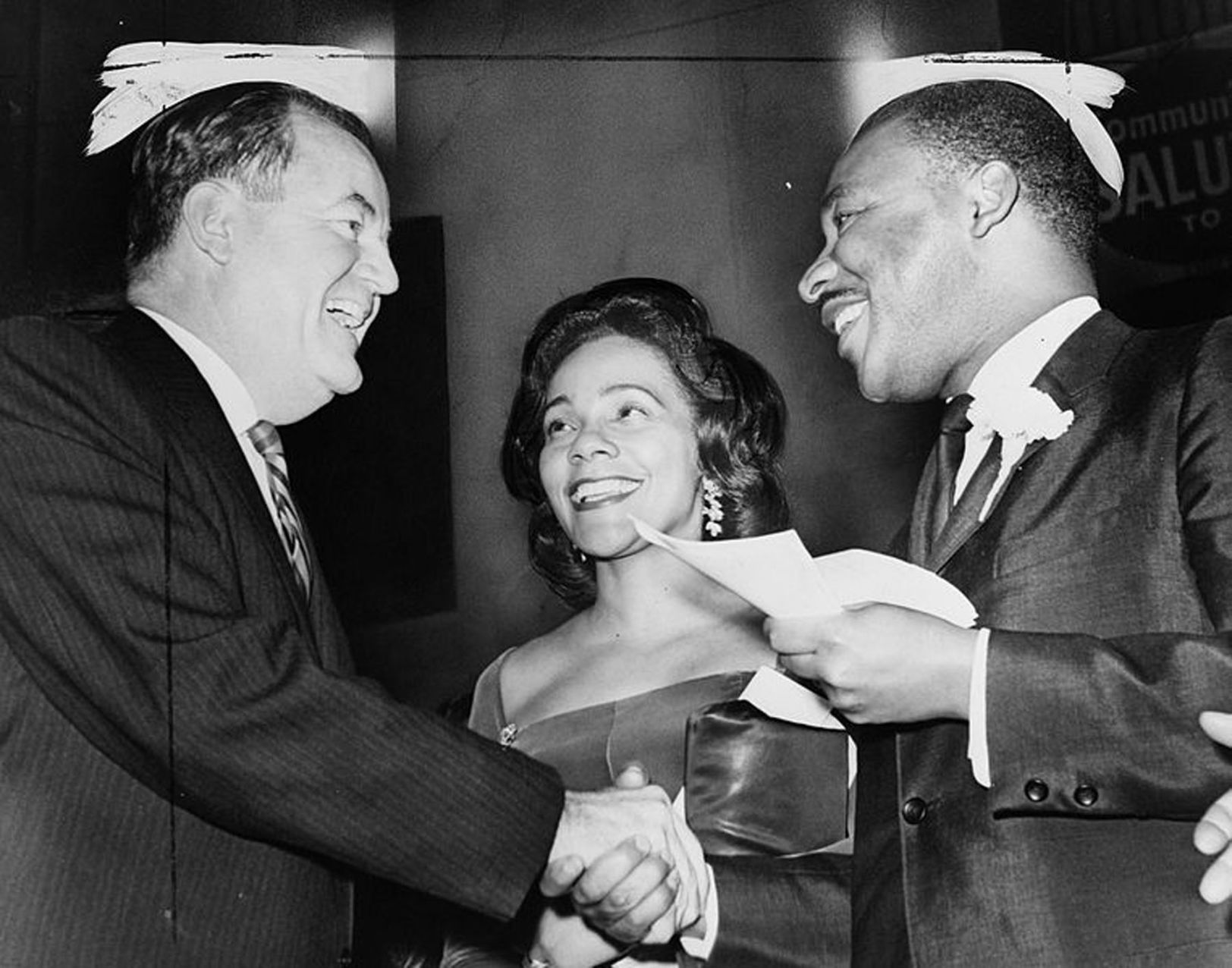
— In November 1979, however, the King-holiday bill was defeated in the House by five votes. After much effort by King’s widow, Coretta Scott King, a Stevie Wonder tribute of “Happy Birthday” and petition signatures of some 6 million Americans, it passed the House in 1980 by a vote of 338-90.
— The bill faced a much tougher fight in the Senate. Opposition was led primarily by U.S. Sens. John P. East and Jesse Helms, both North Carolina Republicans. The day before the bill finally passed the Senate, District Judge John Lewis Smith Jr. denied Helms’ request to unseal FBI surveillance tapes of King that are set to remain sealed until 2027.
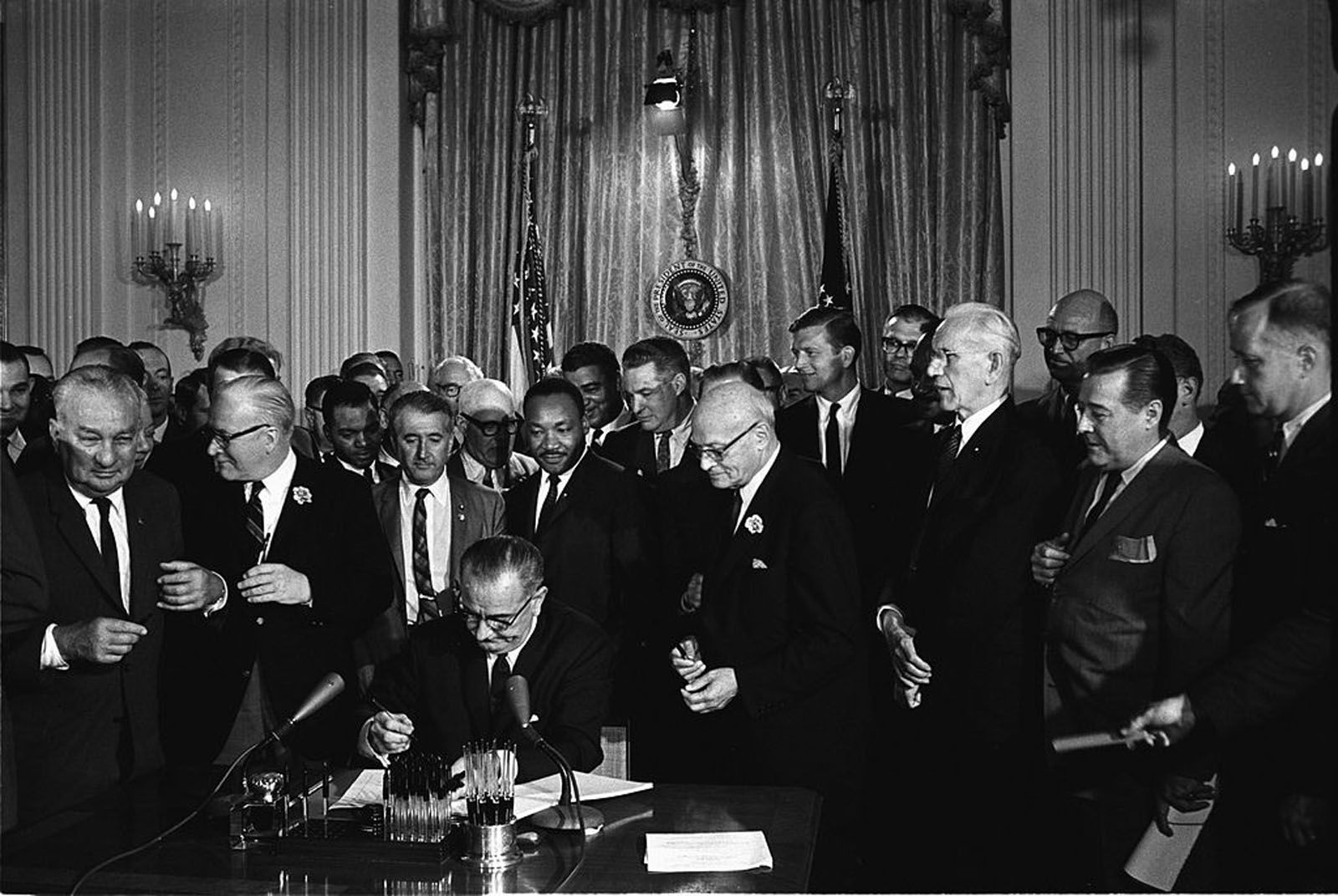
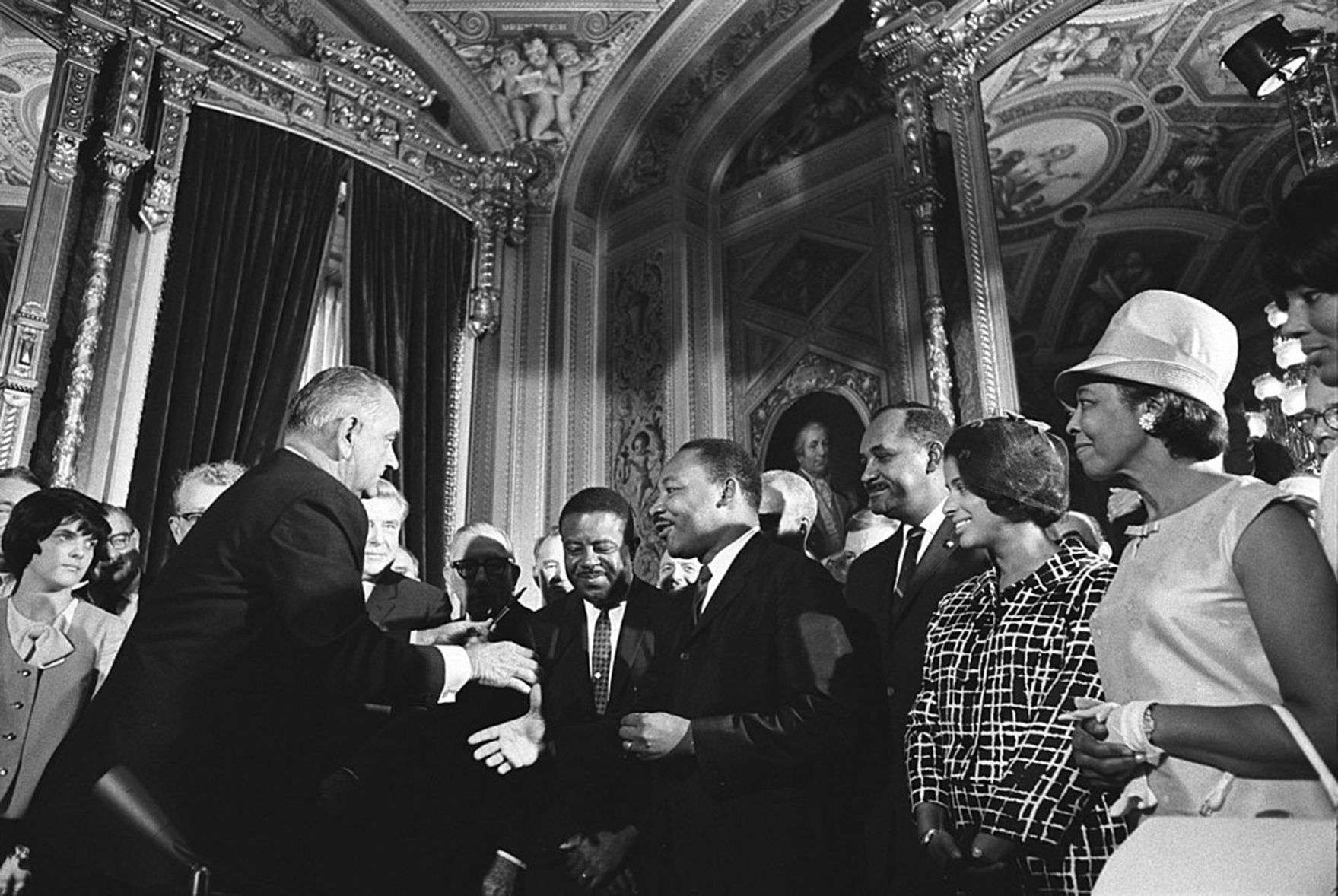
— President Ronald Reagan signed the bill into law in November 1983 and the first official holiday was observed on the third Monday of January 1986.
— Initially, 27 states and Washington, D.C., recognized the holiday. All three Arizona House Republicans, including former presidential candidate Sen. John McCain, voted against the bill in 1983.
— In 1987, Arizona Gov. Evan Mecham rescinded MLK Day, setting off a boycott of the state.
— The NFL announced the move of the 1993 Super Bowl site from Phoenix, Ariz., to Pasadena, Calif., because of the MLK Day boycott.
— In 1992, Arizona citizens vote to enact MLK Day. The Super Bowl was held in Tempe, Ariz., in 1996.
— It was 1993 when, for the first time, MLK Day was observed in some form, sometimes under a different name and not always as a paid state holiday, in all 50 states.
— New Hampshire became the last state to adopt MLK Day as a paid state holiday in 1999, replacing its optional Civil Rights Day.
— It was 2000 when Utah first recognized MLK Day by name, renaming its Human Rights Day state holiday.
— South Carolina was the last state to make MLK Day a paid holiday for all state employees. Until 2000, 32 years after King’s death, employees could choose between celebrating MLK Day or one of three Confederate-related holidays.
QUIK QUIZ
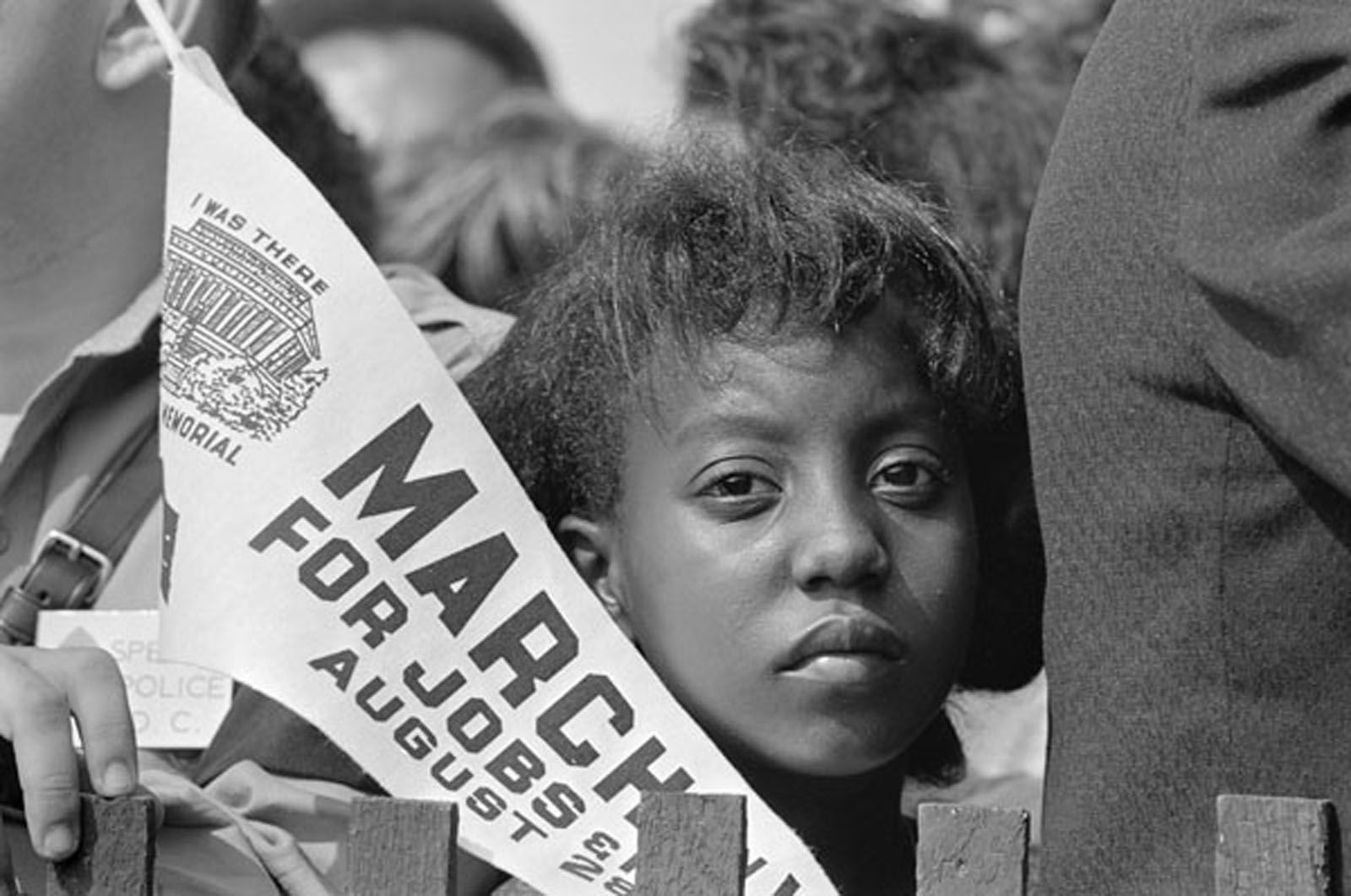
The March on Washington for Jobs and Freedom on Aug. 28, 1963 is where Martin Luther King’s “I Have a Dream” speech was heard. Of the estimated 250,000 marchers, how many were white?
a) 25,000
b) 42,000
c) 60,000
d) 75,000
Answer at the end of the column.
In the words of Martin Luther King Jr….
“We may have all come on different ships, but we’re in the same boat now.”
“Shallow understanding from people of good will is more frustrating than absolute misunderstanding from people of ill will.”
“Love is the only force capable of transforming an enemy into friend.”
“If you can’t fly then run, if you can’t run then walk, if you can’t walk then crawl, but whatever you do you have to keep moving forward.”
“Only in the darkness can you see the stars.”
“No one really knows why they are alive until they know what they’d die for.”
“Forgiveness is not an occasional act; it is a constant attitude.”
“He who passively accepts evil is as much involved in it as he who helps to perpetrate it. He who accepts evil without protesting against it is really cooperating with it.”
“People fail to get along because they fear each other; they fear each other because they don’t know each other; they don’t know each other because they have not communicated with each other.”
“Our scientific power has outrun our spiritual power. We have guided missiles and misguided men.”
“It may be true that the law cannot make a man love me, but it can keep him from lynching me, and I think that’s pretty important.”
“The quality, not the longevity, of one’s life is what is important.”
“I Have a Dream” Aug. 28, 1963
— Martin Luther King Jr. did not write the speech for the March on Washington for Jobs and Freedom entirely by himself. The first draft was written by his advisers Stanley Levison and Clarence Jones, and the final speech included input from many others.
— The night before the speech, King’s adviser Wyatt Walker suggested he not use any of that “dream” stuff during the speech, calling it “trite” and “cliche.”
— The original draft of King’s speech was entitled “Normalcy – Never Again” and didn’t contain any references to King’s dreams.
— King was up until 4 a.m. the night before, working on the speech.
— King put aside his prepared remarks and extemporaneously moved into the “dream” portion of the speech after his friend Mahalia Jackson, a gospel singer, shouted out to him: “Tell ‘em about the dream, Martin.”
— There were 10 speakers on the official program at the Lincoln Memorial. There were no speakers after King, as organizers led the audience in a Pledge of Allegiance and offered prayer.
— The number of people who attended the event exceeded the initial estimates made by the organizers. They expected more than 100,000 people to attend, but the final estimate was 250,000.
— The Washington, D.C., police force mobilized 5,900 officers for the march. In addition, 6,000 soldiers and National Guardsmen were on hand for protection. President John F.Kennedy thought that if there were problems, the negativity would undo the civil rights bill making its way through Congress. In the end, the crowds were calm and there were no incidents reported by police.
Two days after the speech, the head of the FBI’s domestic intelligence division, William Sullivan, wrote in a memo that the speech solidified King “as the most dangerous Negro of the future in this Nation from the standpoint of communism, the Negro and national security.”
Each week Albany Herald researcher Mary Braswell looks for interesting events, places and people from the past. You can contact her at (229) 888-9371 or [email protected]. Follow @ABH_MBraswell on Twitter.
QUIK QUIZ answer: c) 60,000

Related Articles

From cotton to cloud: In the data center debate, is rural Georgia once again being asked to carry the cost?
Across much of rural Georgia, the abandoned cotton warehouses and shrinking tax bases remain — enduring reminders that industries built to serve distant markets do not necessarily stay rooted in the communities that first sustained them.
My Grandpa Was Killed in World War II. I Met Him Through His Letters Home
Gina Wolf’s grandfather died before she was born. His letters sent to her grandmother from Europe during World War II made it possible to know what kind of man he was.
‘Sounds Like a Mutiny.’ Secret Recording Exposes Claims of Toxic Leadership After a Marine’s Suicide
This week’s War Horse story follows the systemic failures before and after the death of Cpl. Drew Mobley who was the third in two years at Marine Corps Base Quantico to die by suicide.
