
PERRY BUCHANAN: Personalize your fitness plan for 2018
HEALTH & FITNESS: Resolution made, now time to take action

By Perry Buchanan
You made your resolution, and now you get to put your plan into action. To make sure this really will be the year you stick to your fitness plan you also need a relapse prevention plan. Follow these 18 steps to 2018 fitness success.
No. 1. Start with the end in mind. Set short-, mid- and long-range goals. Short-range means one month or less. Mid-range is usually around three months. Long range means six months or longer. But to stay focused, keep it a year or less, not 27 years!
No. 2. Commit by setting an appointment with yourself to workout. Make sure your times are realistic and do not conflict with other priorities. Prioritize your health in relation to the other things you spend time on. Without your health, there will be no life to enjoy the other things.
No. 3. Choose a place for your fitness routine. Be sure it’s in a convenient location and has what you need. For example, if it is at home, can you be free of distractions like the phone and doorbell? If it’s a gym, does it have the equipment and knowledgeable staff you need?
No. 4. Structure your workouts to be successful. Minimum recommendations include 150 minutes a week cardio conditioning spread out over three to five days a week, and at least two days a week strength training.
No. 5. For any exercise program to be successful, you must have a source of support. It can be family, friends, or a co-worker. Regardless of who your support source is, you will find it easier to stay on track, keep motivated and be able to share accomplishments as well as have someone to talk to if you become discouraged.
No. 6. Look at what can go wrong before it happens. Think about what possible obstacles may come your way. What happens if family comes from out of town or you’re called out of town on a business trip? What if your child gets ill or you start the new job you’ve been hoping for. Have a list of ready solutions to deal with any barrier, so they won’t undermine your routine.
No. 7. Assess. What gets analyzed gets done. Take the measurements of areas you wish to improve and record them. This can include weight, bodyfat percentage, waist and hip measurements, blood pressure and resting heart rate. These will serve as a source of encouragement when you look at them three months from now.
No. 8 Talk to a professional periodically. Avoid listening to “friendly advice” and information from friends. When you need encouragement or have questions, get it from someone who knows what they are talking about.
No. 9. Be more active during leisure and family time. These calories known as NEAT (Non-exercise activity thermogenesis) can really add up.
No. 10. Make sure you are enjoying your form of exercise. It should be challenging but not become another “chore”. Change, rotate activities and try new things to keep it interesting.
No. 11. Don’t take an all or nothing approach. A single slip up is not worth throwing in the towel. Everyone has an occasional relapse. It’s not the days you missed that count, it’s all the ones you didn’t.
No. 14. Don’t overdo it. Avoid the “terrible toos” – too much, too soon, too frequently. You’ll get sorer than needed and not want to continue. Listen to your body and go easy when beginning to avoid injury and to stay motivated.
No. 12. Find a supervised program with other participants and/or a workout partner. It’s easier to stick with and the others make it more fun while keeping you accountable.
No. 13. If your routine doesn’t work, don’t abandon it. It’s not a matter of willpower, it’s a learning experience. Most people try and fail numerous times before they find what works for them.
No. 15. Plan everything. Prepare meals ahead of time and you won’t be as likely to impulsively binge. Plan and record your workout and you’re more likely to follow through and see the results you’re seeking.
No. 16. Reward yourself for achieving each goal you set.
No. 17. Record each day you exercise on a monthly calendar. It’s rewarding to see how you’re really doing.
No. 18. Remember that change is never easy. Know why you want to accomplish your goals. For example, if you want to lose 20 pounds, know why it is important for you. Will it make you more confident at your high school reunion? Will it allow you to perform better at your favorite sport? Will it give you the energy you need to play with your grandchildren? Knowing why the goal is important to you will keep you on track to follow through the entire year. Happy New Year!
Perry Buchanan, owner of PT Gym, is certified as an Exercise Physiologist through the American College of Sports Medicine, and Fitness Nutrition Specialist through the National Academy of Sports Medicine. Email him at [email protected]. Follow @ptgym on Twitter.
Related Articles

From cotton to cloud: In the data center debate, is rural Georgia once again being asked to carry the cost?
Across much of rural Georgia, the abandoned cotton warehouses and shrinking tax bases remain — enduring reminders that industries built to serve distant markets do not necessarily stay rooted in the communities that first sustained them.
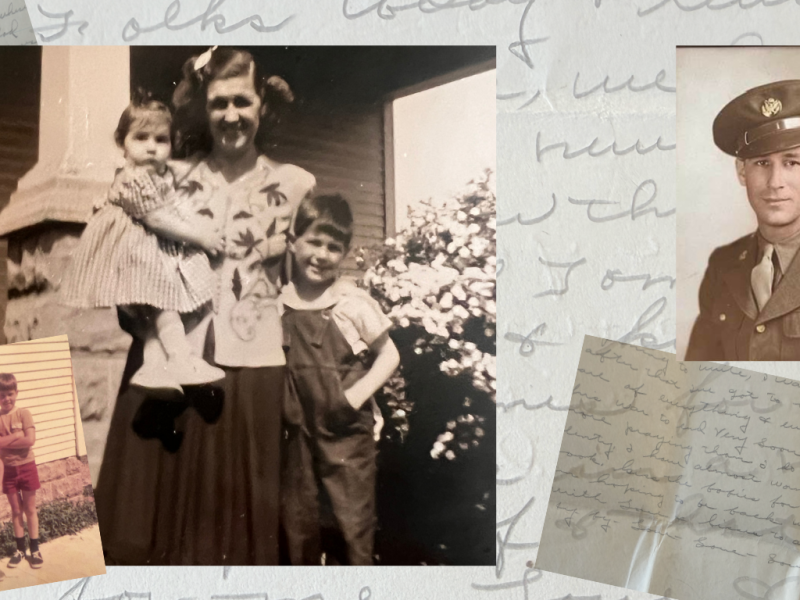
My Grandpa Was Killed in World War II. I Met Him Through His Letters Home
Gina Wolf’s grandfather died before she was born. His letters sent to her grandmother from Europe during World War II made it possible to know what kind of man he was.

‘Sounds Like a Mutiny.’ Secret Recording Exposes Claims of Toxic Leadership After a Marine’s Suicide
This week’s War Horse story follows the systemic failures before and after the death of Cpl. Drew Mobley who was the third in two years at Marine Corps Base Quantico to die by suicide.
